

 7 Shocking Nutrition Myths That Experts Got Wrong!
There is so much nutrition information, including many nutrition myths. The most common nutrition myths are long-standing and have been repeated by experts and laypeople alike for decades or even longer. However, more recent research suggests that much of the nutrition advice we’ve been told for decades is wrong. It’s time to clear up some things.
In this article, I will explain why nutrition myths are so widespread. Then I will share the top 7 shocking nutrition myths and what nutrition advice you should follow instead.
Why Nutrition Myths Are So Widespread
Our world is flooded with nutrition and health information from books to social media. Unfortunately, it can be incredibly difficult to navigate this endless information and figure out what’s true and what isn’t.
Nutrition myths are rampant and everywhere. Part of the reason for this is that the nutrition field is incredible complex and most people desire to have simple answers for complex problems. Sometimes these simple answers miss the mark and turn into misinformation.
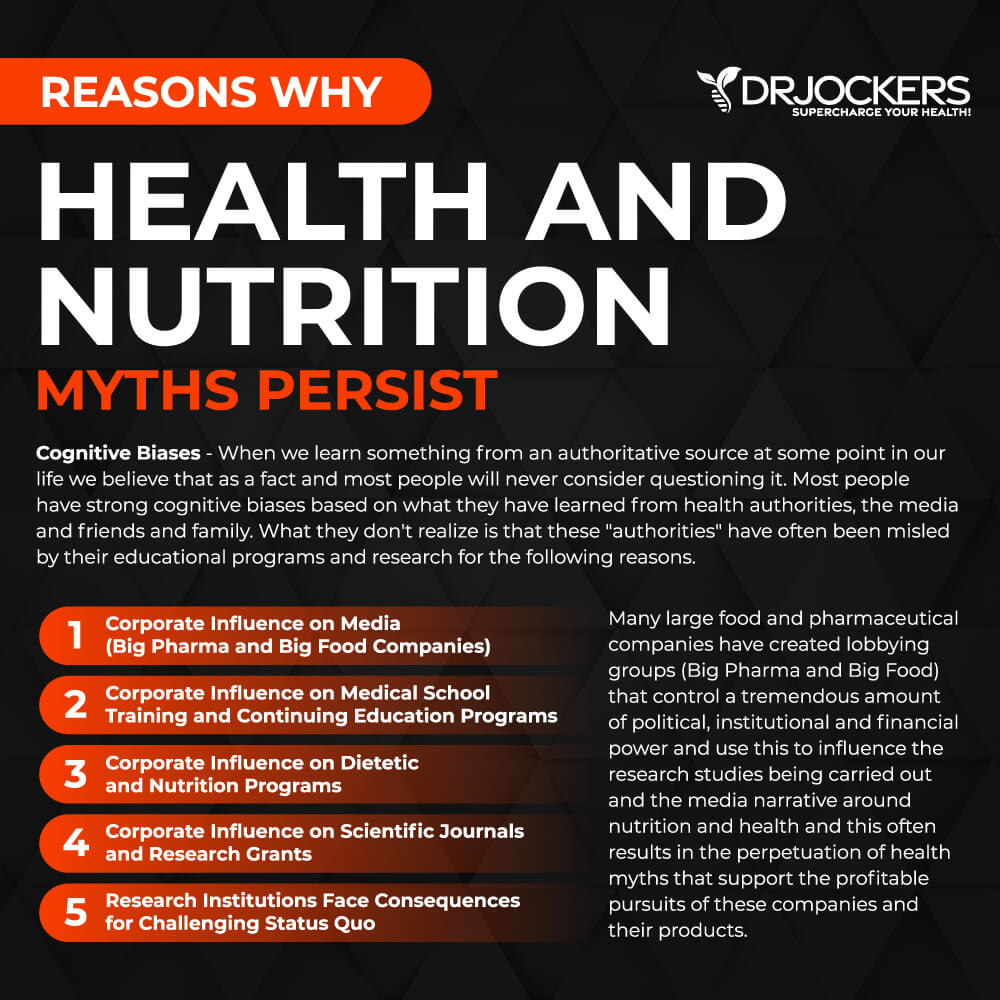
Another reason behind the spread of nutrition myths is that even the people we trust can fall prey to cognitive biases. Even researchers, practitioners, educators, and influencers aren’t immune to confirmation bias and authority bias, where long-standing ideas are treated as truth simply because they’ve been repeated for decades.
When an idea is long-standing, aligns with someone’s philosophy, or comes from a certain authority figure, such as a researcher or governmental body, it often goes unchallenged, even if new research has shown the opposite to be true. I know this firsthand.
When I was in my late teens and early 20s working as a personal trainer, I believed many of the same nutrition myths I now help my clients unlearn. This didn’t happen because I was careless or uneducated, but because I absorbed the predominant views of the people I was learning from. In a world where certain ideas are treated as unquestionable truths, it can be hard to step back and look at the full scientific picture.
This is exactly why, today, as a functional medicine doctor, I focus on the latest scientific evidence, individualized care, and nuance when it comes to nutrition advice, lifestyle strategies, and holistic health. My goal is to educate you on the top nutrition myths and the truth behind them.

Nutrition Myth #1: Avoid Salt
Many deem salt to be unhealthy due to its high sodium content. Low-sodium, thus low-salt diets, are commonly recommended to reduce blood pressure (1). The truth is, salt offers many health benefits if you are using the right kind of salt.
Most regular table salt found in grocery stores and used in processed foods is made with unnatural sodium chloride and chemical fillers that can be incredibly difficult to metabolize for your body. The toxins found in the salts can be hard for your body to neutralize, which can result in unsightly cellulite as excess water leaks into the interstitial tissues.
This is what can increase the risk of high blood pressure, joint inflammation, gout, and stones in your kidneys and gallbladders, not salt itself.
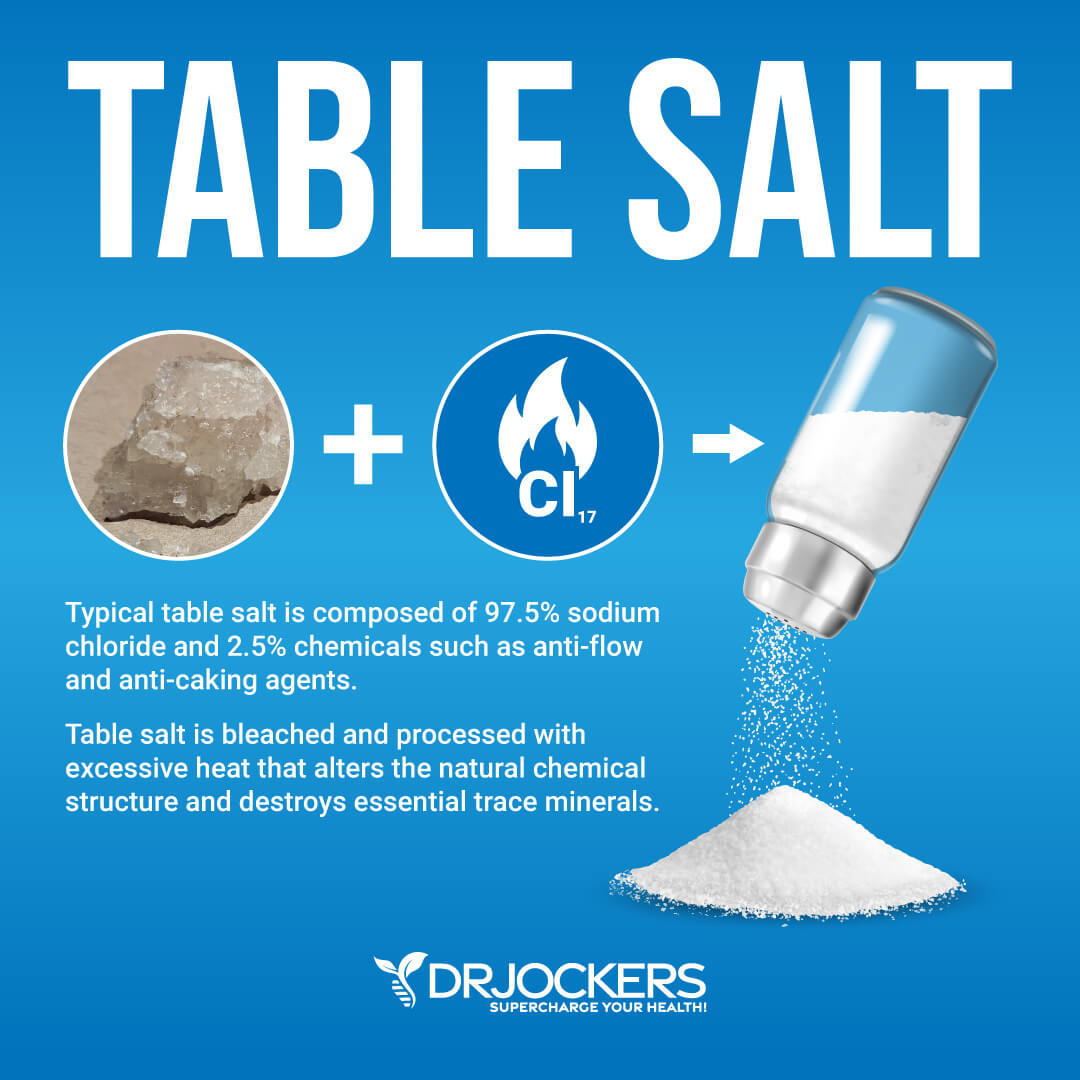
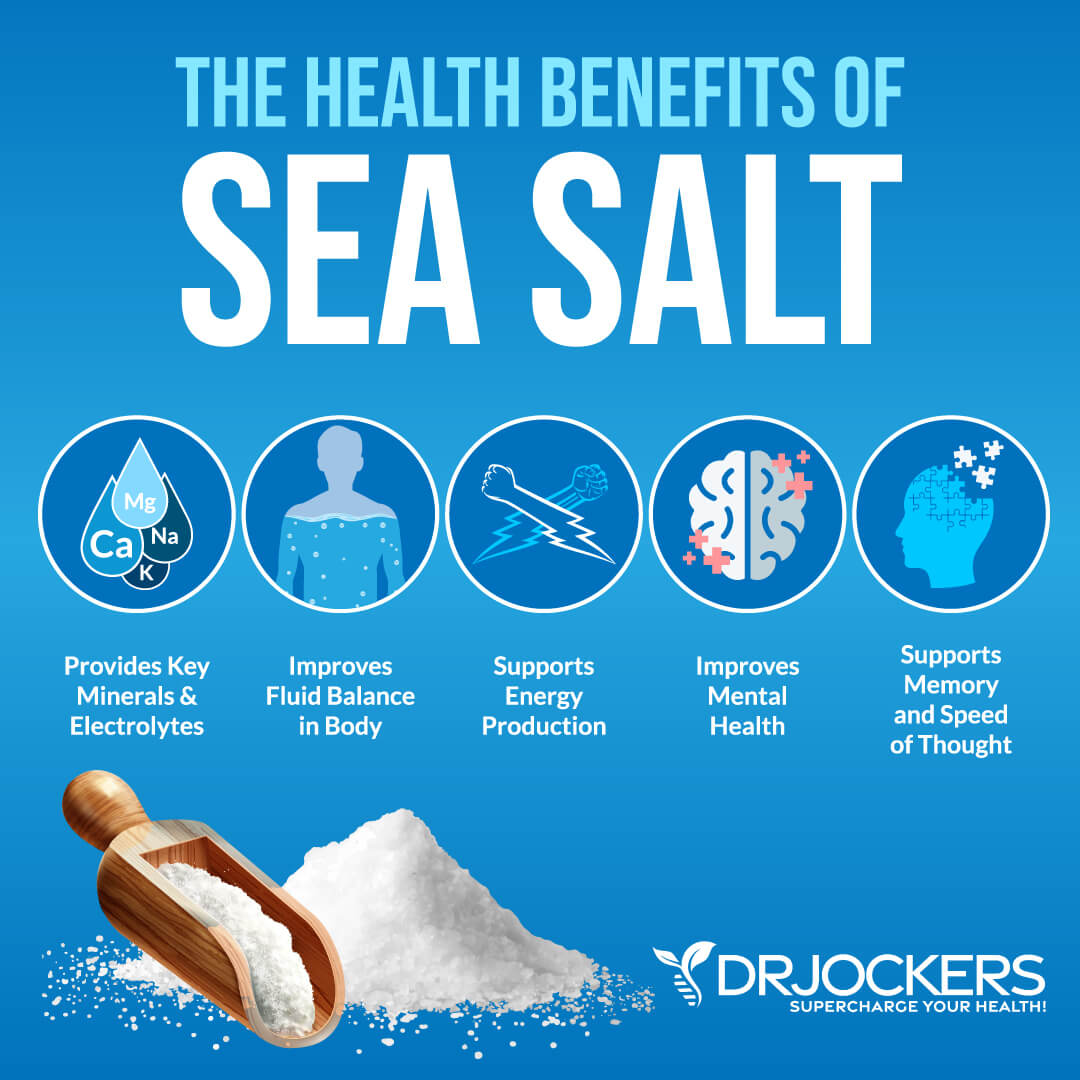
Instead, if you are choosing healthy, natural forms of salt, such as Redmond’s real salt or Celtic salt, you may experience some health benefits. A 2015 study published in Cell Metabolism found that sodium may improve the activation of macrophages and increase antimicrobial defenses, reducing the risk of infections (2).
A 2022 study published in Medicine (Kaunas) has found that a moderate sodium intake, between 3 and 6 grams/day, seems to be the best for reducing the risk of cardiovascular diseases, compared to low- and high-sodium diets (3).
Nutrition Myth #2: Use Vegetable Oils
Vegetable oils have been advertised as healthy alternatives to animal fats and a good approach to avoid health diseases. This couldn’t be further from the truth.
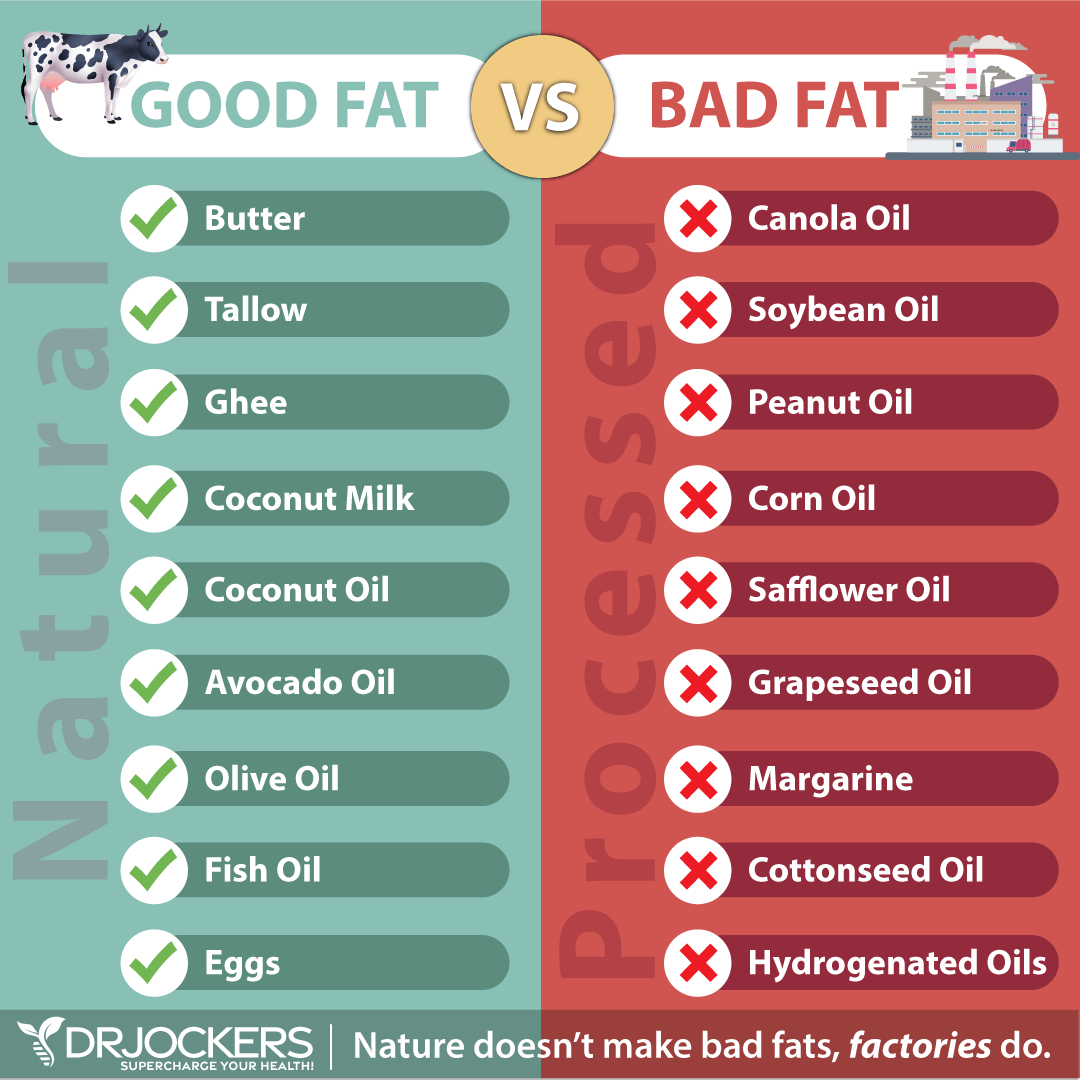
Vegetable oils, including canola oil, sunflower oil, corn oil, soybean oil, safflower oil, grapeseed oil, cottonseed oil, and rice bran oil, are extracted from various seeds. They aren’t “vegetable oils,” but instead are “seed oils.”
They are not only used for cooking but are also found in most processed foods. These oils are highly processed and can increase inflammation, oxidative stress, and mitochondrial issues.
They are high in linoleic acid, which is highly inflammatory and takes a very long time for your body to break down. According to a 2023 research review published in Nutrients, the half-life of linoleic acid is 680 days, based on a study published in the Journal of Lipid Research (4, 5). This is almost two years in the cell membranes of our body.
Understanding this, I recommend avoiding vegetable oils. Instead, I recommend using high-quality animal fats, such as butter, ghee, tallow, lard, and poultry fat, as well a other healthy oils, such as extra-virgin olive oil, coconut oil, and avocado oil.
Nutrition Myth #3: Avoid Animal Protein
Plant-based, vegan, and vegetarian diets were on the rise for a while, asking you to avoid animal protein for health reasons. The problem with these diets is not the plants.
I recommend eating lots of greens and vegetables. The problem lies in the elimination of clean animal protein and relying only on plant-based sources.
Proteins are large, complex molecules that play a critical role in the structure, function, and regulation of your tissues and organs. They are made up of amino acids, which are smaller units that serve as building blocks. But your body cannot make every amino acid, the nine essential amino acids that your body must get from food.
While protein and amino acids can be found in some plant foods, animal foods are the ones that offer complete protein to cover all your amino acid needs. Complete protein is essential for building muscle, burning fat, and supporting blood sugar balance.
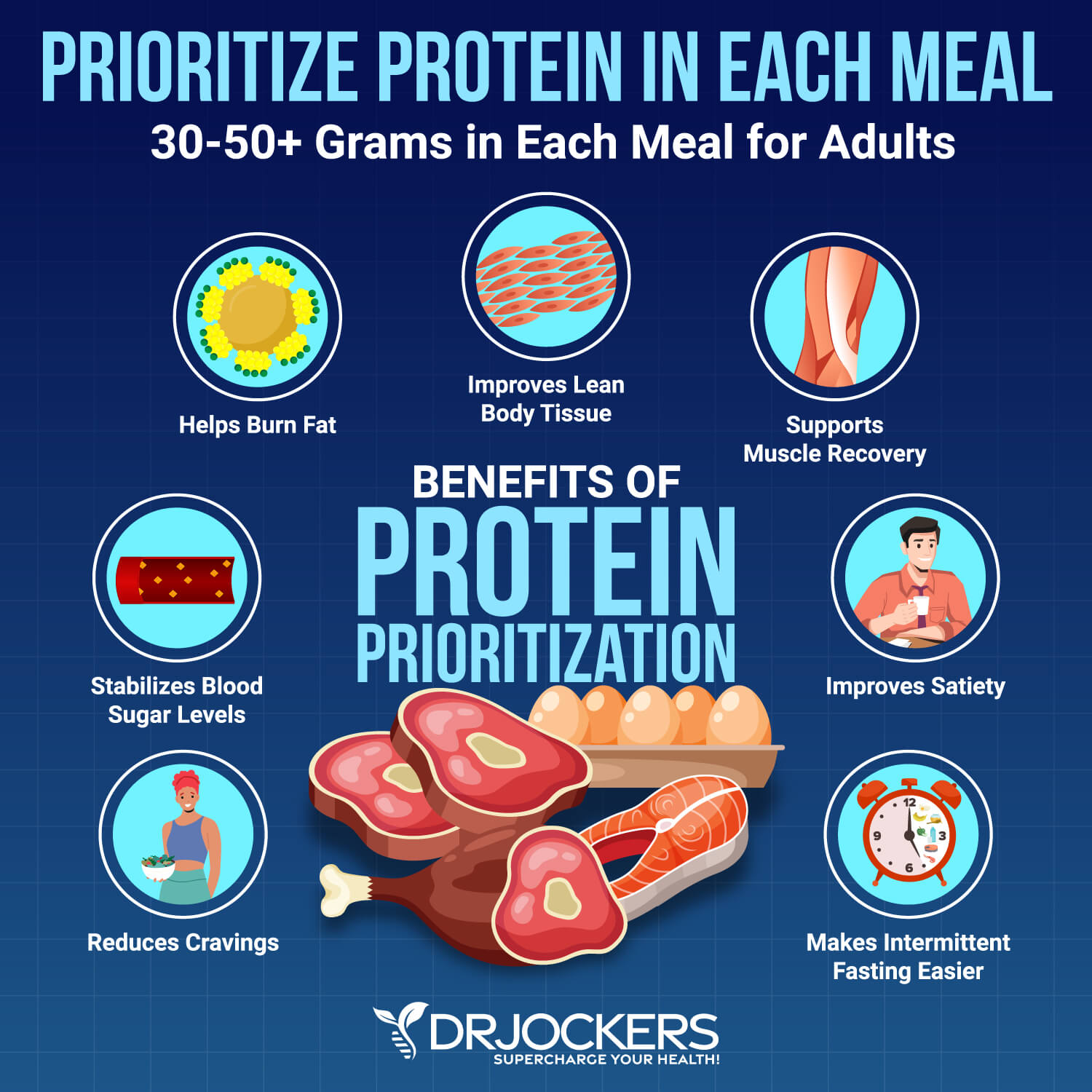
A 2021 systematic review and meta-analysis of 18 studies published in the Nutrients has found animal protein to be more effective for maintaining lean mass than plant-based proteins, especially in individuals under 50 (6).
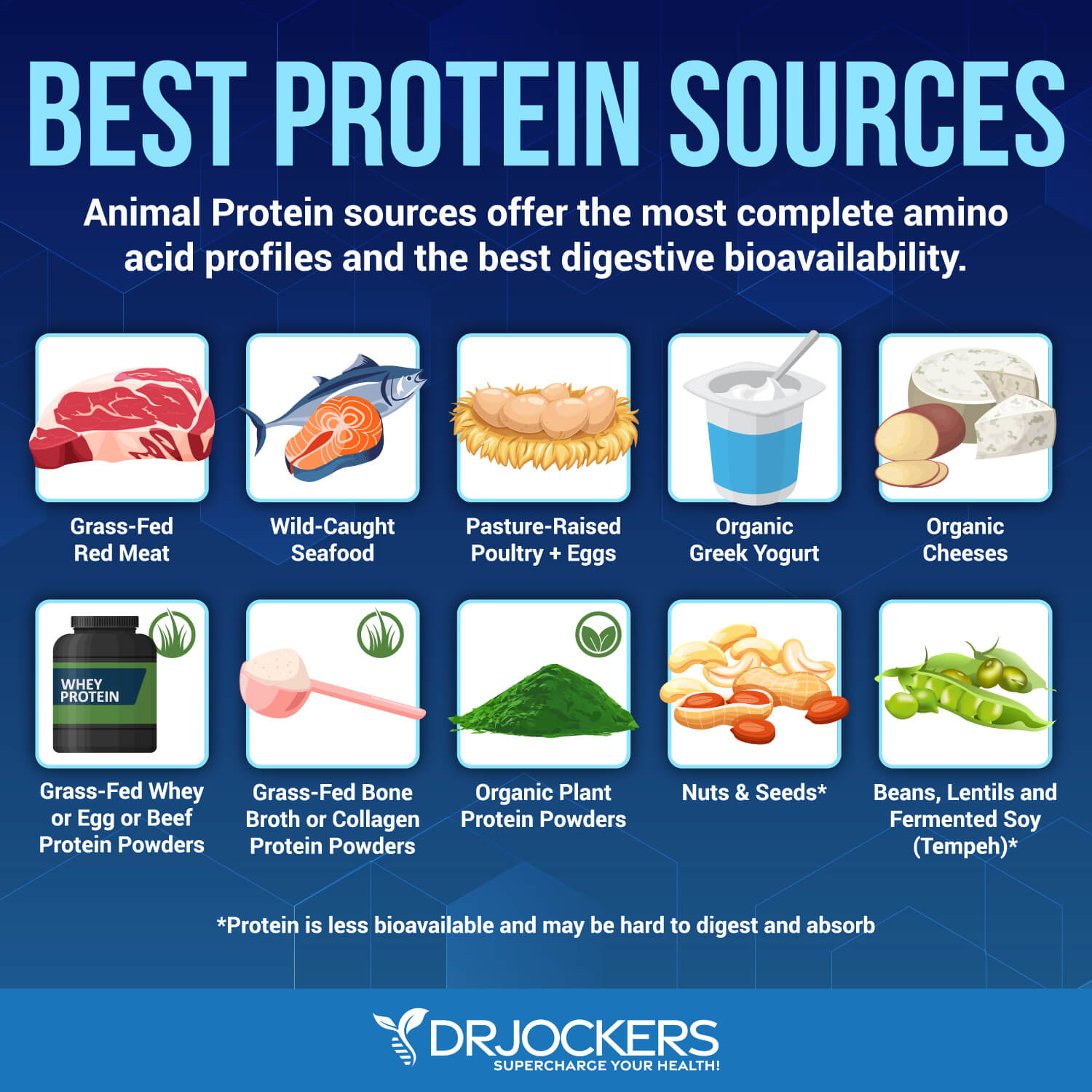
I recommend meeting most of your protein needs from clean animal protein sources, including grass-fed beef, pasture-raised poultry and eggs, organ meats, wild-caught fish and seafood, and wild game. Protein powders, including whey, bone broth, egg protein, and collagen peptides, can be a great addition to improve your protein intake.
Nutrition Myth #4: Avoid Saturated Fat
Saturated fats are fatty acids with no double bonds between the carbon molecules. They are fatty acids found in meat, dairy, and other foods.
Many people, including healthcare providers, believe that saturated fats are unhealthy and can increase your risk of heart disease. The American Heart Association recommends limiting your saturated fat intake to avoid the risk of heart disease, weight gain, and other health issues (7).
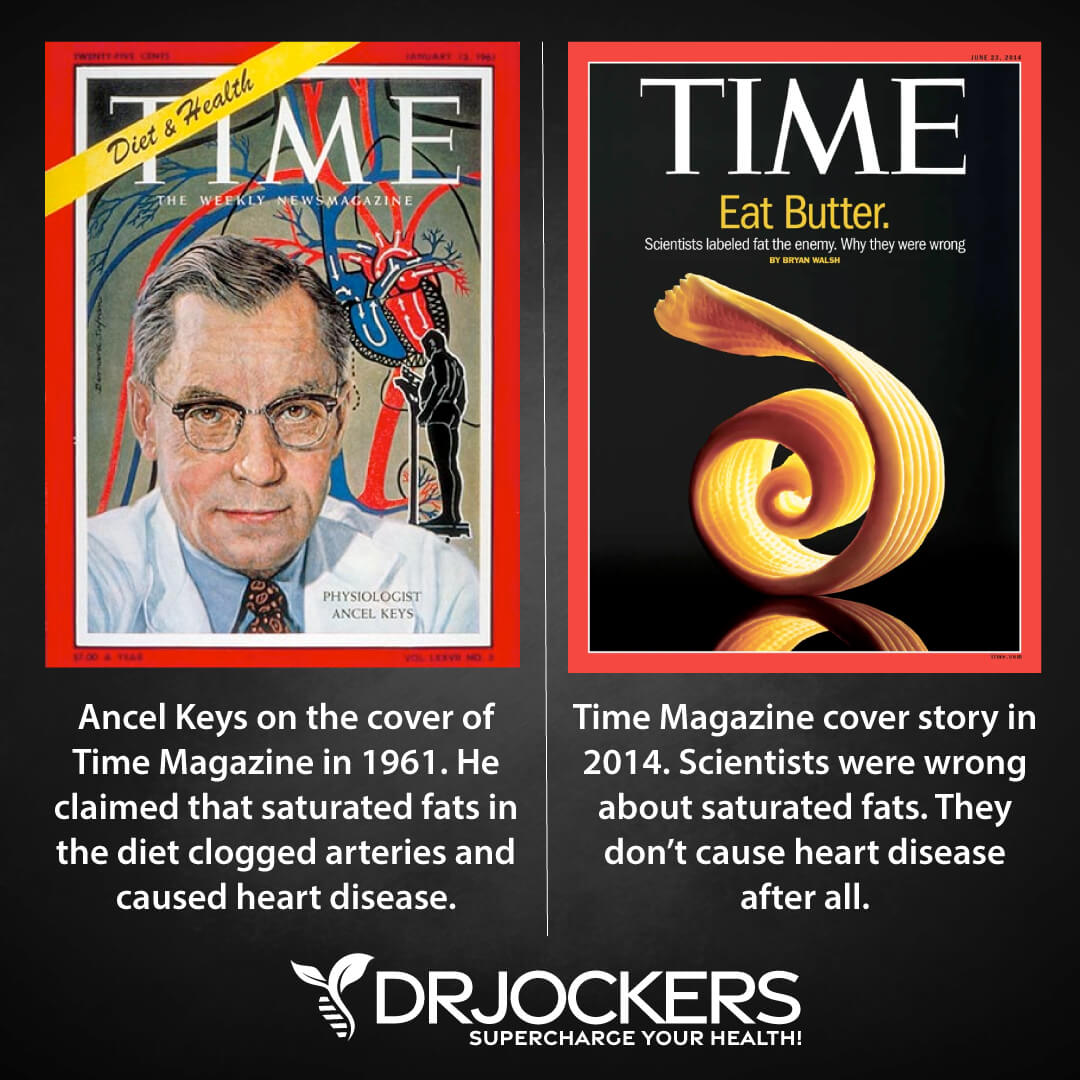
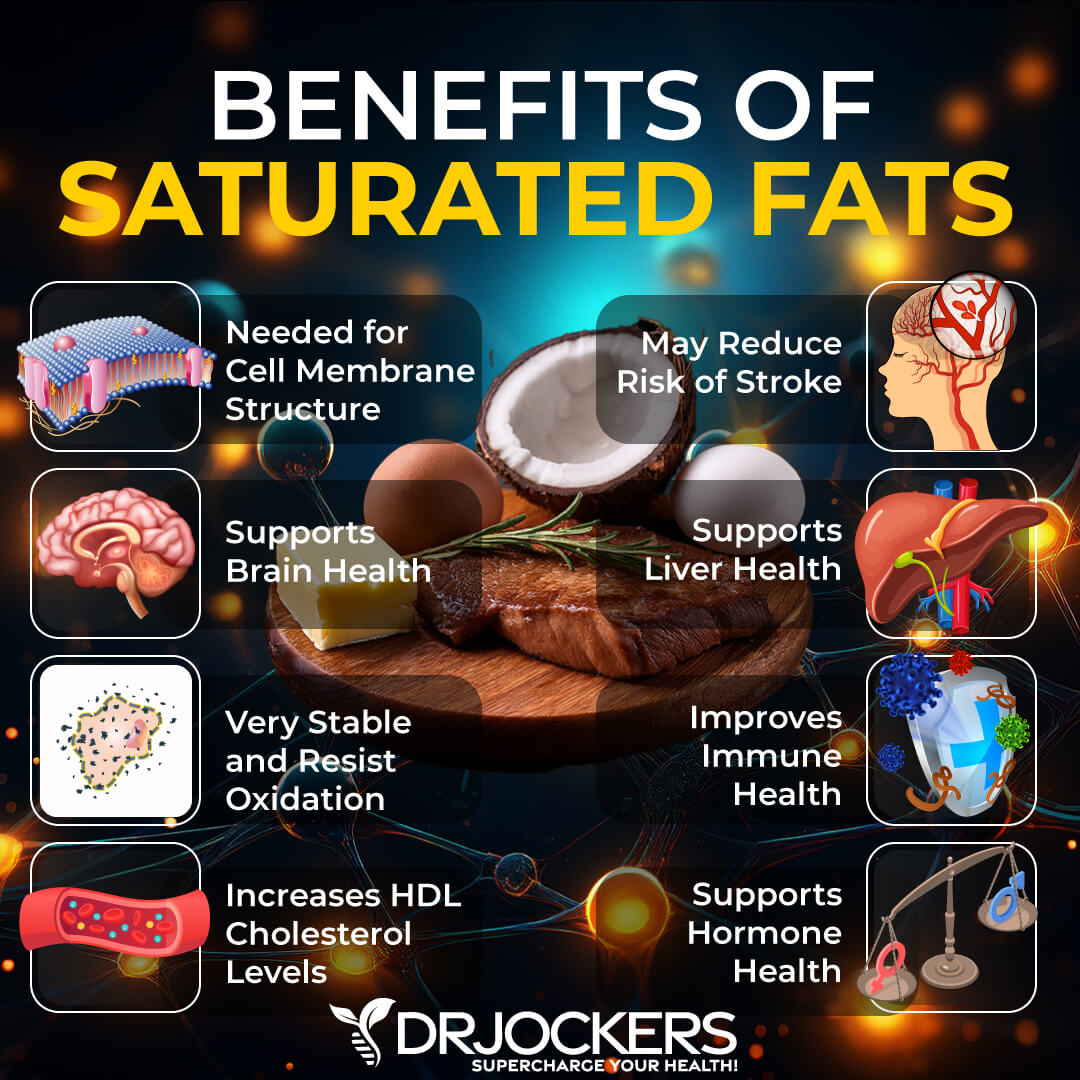
However, new research suggests that saturated fats are not linked to a higher risk of heart disease at all and may offer some health benefits. A 2010 study published in the American Journal of Clinical Nutrition looked at over 350,000 people, what they ate, and the saturated fat content and found no relationship between the amount of saturated fat somebody consumed and their risk of coronary heart disease and coronary vascular disease (8).
A 2010 Japanese study published in the American Journal of Clinical Nutrition, looking at 58,000 Japanese men for 14 years, found similar results: no link between a higher saturated fat diet and heart disease (9). Instead, they found that they had an inverse risk, meaning a lower risk of developing a stroke or some sort of cerebrovascular disease. Thus, there is no reason to limit your saturated fat intake from animal foods.
A more recent 2025 systemic review and meta-analysis of randomized control trials looking at 13,532 participants, found that a reduction in saturated fats cannot be recommended at present to prevent cardiovascular diseases and mortality (14).
Nutrition Myth #5: Eat “Low Fat” Foods
Some nutrition experts go even further. They not only want you to limit animal fats and saturated fats but also limit your fats altogether. There are so many low-fat foods on the market with the aim of helping weight loss and support health.
The problem is that these low-fat foods are overly processed, they are often filled with refined sugar, artificial ingredients, and additives, which can increase the risk of inflammation, digestive issues, and chronic health problems.
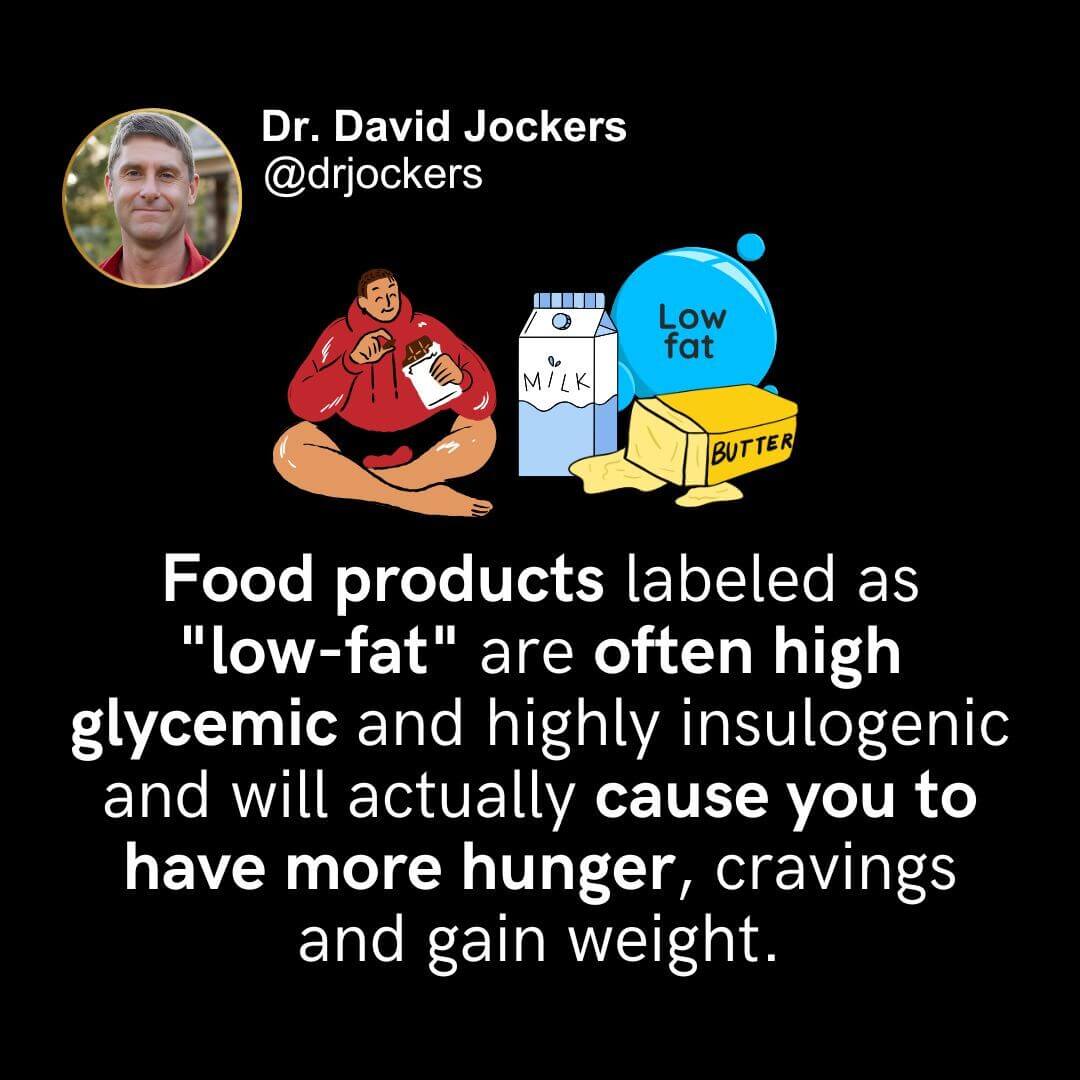
The truth is, fat is not the enemy. In fact, ketogenic diets and other higher-fat approaches can benefit your health. This is because they work to lower insulin levels and stabilize blood sugar and improve insulin sensitivity. This results in decreased inflammation, improved fat burning, reduced cravings, improved mitochondrial health, improved energy, increased mental clarity and reduced risk of chronic diseases.
For example, a 2025 systematic review and meta-analysis of 44 randomized controlled trials published in Nutrition Reviews has found that a ketogenic diet can improve inflammatory markers, including TNF-α and IL-6 (10).
A 2025 review published in Life (Basel) has found that ketogenic diets may offer a complementary therapeutic option for neurological diseases through molecular and neuroglial effects on the neurons and glial cells and supporting brain metabolism and neuroinflammatory homeostasis (11).

Nutrition Myth #6: Never Skip Breakfast
The recommendation to never skip breakfast is one of the most common nutrition myths we’ve been hearing since childhood. The idea is that you have to break your overnight fast with breakfast, your first meal, to supply energy for the rest of your day.
However, technically, any meal that “breaks the fast” is a breakfast;, it doesn’t have to be a morning meal. If your first meal is at mid-day or in the early afternoon, it still breaks the fast, just a longer fast.
Intermittent fasting is a type of fasting that recommends a longer period of fasting window during the day, then a window reserved for eating. Those practicing intermittent fasting usually stop eating after dinner and don’t eat again for another 16 hours.
This is just the most common timeframe; some keep a longer or shorter fasting window. Then the rest of the day is reserved for your meals, usually two, sometimes three meals. The first meal often happens around one’s normal lunch time, though it could be a very late breakfast for some.
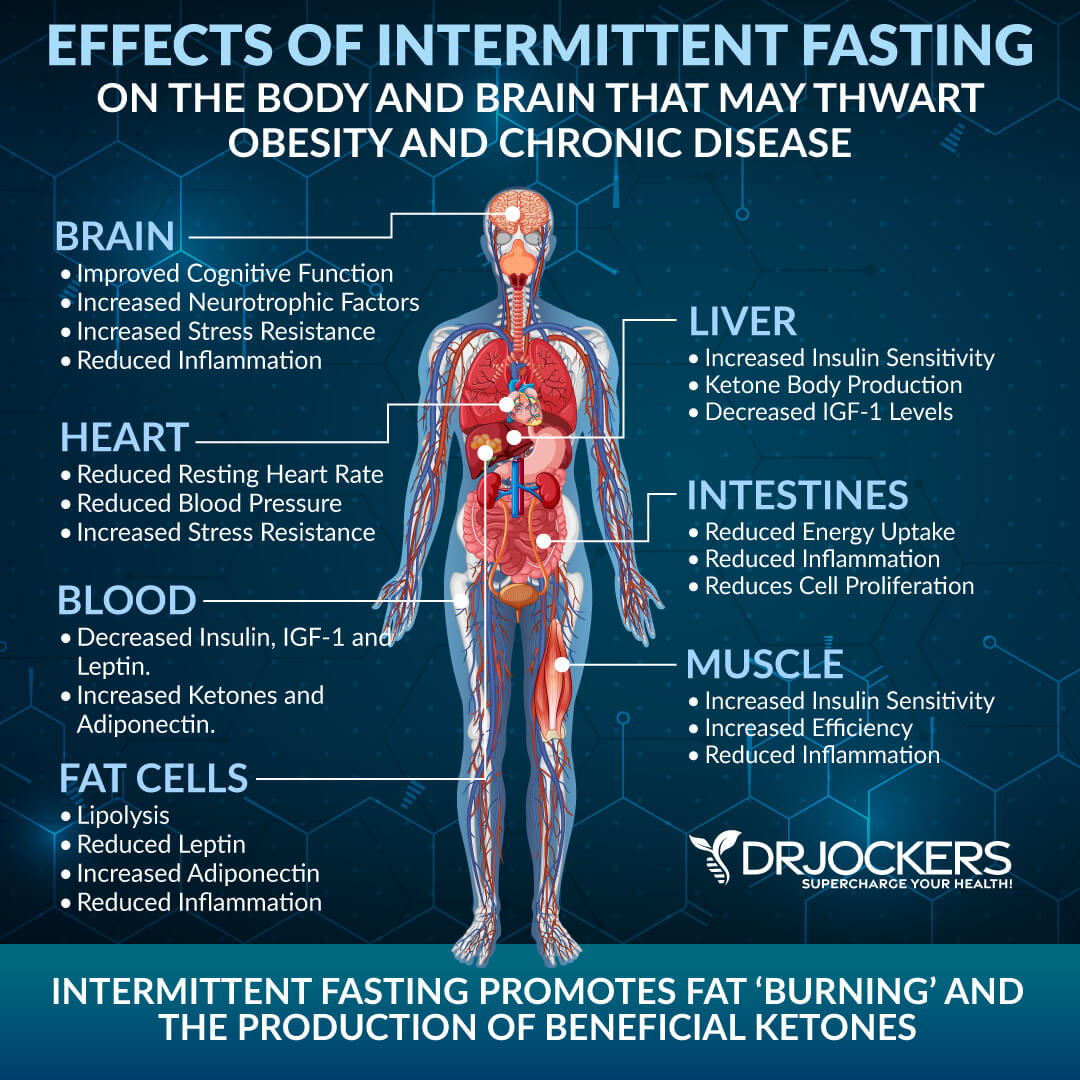
Intermittent fasting offers many health benefits, including better metabolic flexibility, more energy, weight loss and weight maintenance, better cellular autophagy, improved immune health, improved insulin sensitivity and blood sugar balance, lower inflammation levels, and a reduced risk of chronic diseases.
A 2025 randomized controlled trial published in Science Reports looked at 44 postmenopausal, overweight, and obese women with rheumatoid arthritis and found that following a 16:8 intermittent fasting protocol for 8 weeks helped to improve their antioxidant, inflammatory, and liver enzyme markers (12).
A 2022 systematic review and meta-analysis published in the International Journal of Endocrinology has found that intermittent fasting helped to reduce blood glucose levels by 0.15 mmol/L and also improve insulin levels, lipid markers, waist circumference, and BMI (13).
Nutrition Myth #7: Eat 6 Meals a Day
Finally, the last major nutrition myth is eating 6 meals or 3 meals and 3 snacks (mini meals) a day. The truth is that this approach simply overwhelms your digestive system and increases insulin levels. On the other hand, taking at least 4 to 5 hours or more between your meals can help your gut to health and activate the migrating motor complex for improved bowel motility.
In the last section, you already learned about the potential benefits of intermittent fasting: taking a longer break of eating during the day and eat 2 to 3 meals during your eating window. If you are following the 16:8 approach to intermittent fasting, you have an 8-hour eating window.
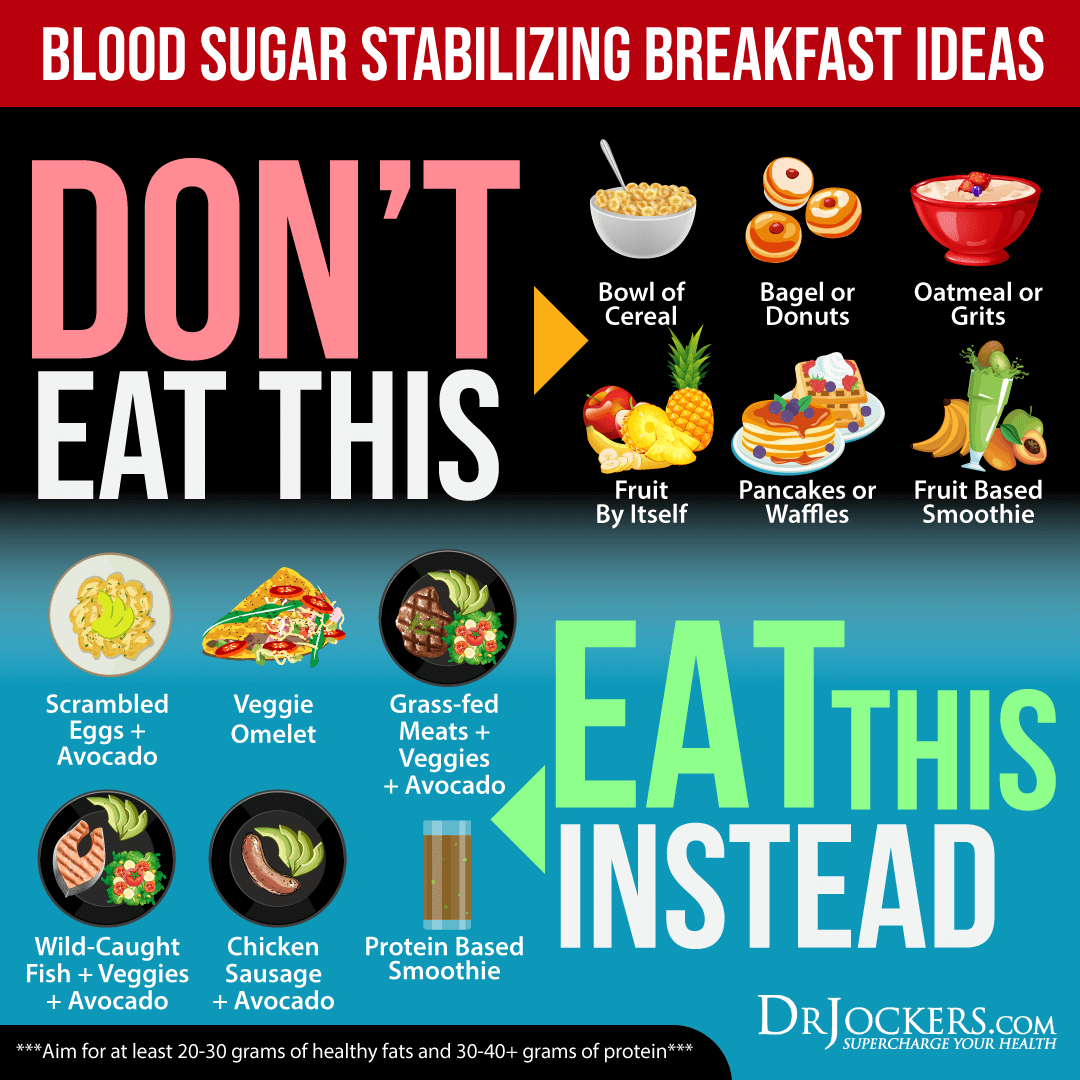
This means that you can easily keep 7 to 8 hours between your meals if you are eating two meals during this period. If you are eating 3 meals during this time frame, you should still have about 4 hours between each meal if you space them out evenly. I recommend that you eat 2 to 3 meals that are high in protein, healthy fats and colorful fruits and vegetables to provide satiety and blood sugar stability.

Final Thoughts
There are so many nutrition myths out there, often repeated by experts. I recommend you consider the nutrition myths I shared in this article and follow my nutrition recommendations to support your health and well-being.
If you want to work with a functional health coach, I recommend this article with tips on how to find a great coach. Through DrJockers.com, we offer long-distance functional health coaching programs. For further support with your health goals, just reach out and our fantastic coaches are here to support your journey.
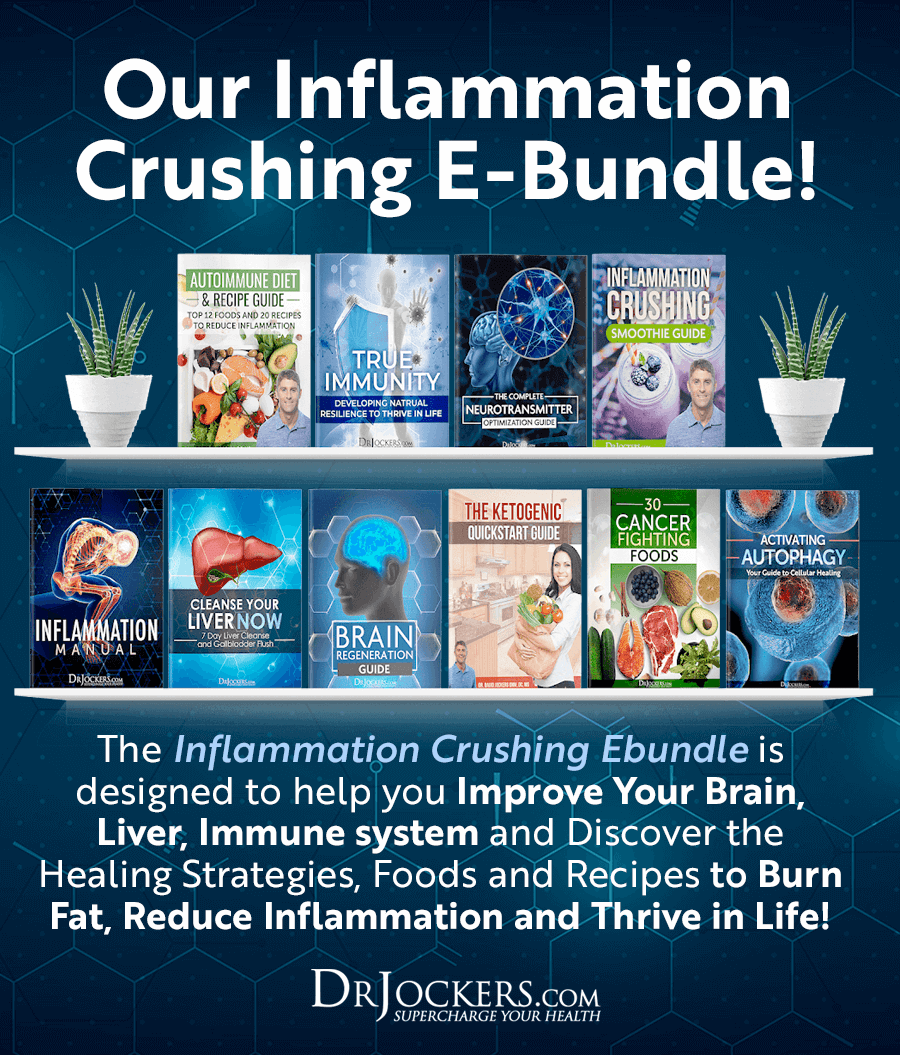
Inflammation Crushing Ebundle
The Inflammation Crushing Ebundle is designed to help you improve your brain, liver, immune system and discover the healing strategies, foods and recipes to burn fat, reduce inflammation and thrive in life!
As a doctor of natural medicine, I have spent the past 20 years studying the best healing strategies and worked with hundreds of coaching clients, helping them overcome chronic health conditions and optimize their overall health.
In our Inflammation Crushing Ebundle, I have put together my very best strategies to reduce inflammation and optimize your healing potential. Take a look at what you will get inside these valuable guides below!
Sources in This Article Include:
1. Gupta DK, Lewis CE, Varady KA, et al. Effect of Dietary Sodium on Blood Pressure: A Crossover Trial. JAMA. 2023;330(23):2258-2266. doi:10.1001/jama.2023.23651 Link Here
2. Jantsch J, Schatz V, Friedrich D, Schröder A, Kopp C, Siegert I, Maronna A, Wendelborn D, Linz P, Binger KJ, Gebhardt M, Heinig M, Neubert P, Fischer F, Teufel S, David JP, Neufert C, Cavallaro A, Rakova N, Küper C, Beck FX, Neuhofer W, Muller DN, Schuler G, Uder M, Bogdan C, Luft FC, Titze J. Cutaneous na(+) storage strengthens the antimicrobial barrier function of the skin and boosts macrophage-driven host defense. Cell Metab. 2015 Mar 3;21(3):493-501. PMID: 25738463 Link Here
3. Hogas M, Statescu C, Padurariu M, et al. Salt, Not Always a Cardiovascular Enemy? A Mini-Review and Modern Perspective. Medicina (Kaunas). 2022;58(9):1175. Published 2022 Aug 29. Link Here
4. Mercola, J., & D’Adamo, C. R. (2023). Linoleic Acid: A Narrative Review of the Effects of Increased Intake in the Standard American Diet and Associations with Chronic Disease. Nutrients, 15(14), 3129. Link Here
5. Dayton, S., Hashimoto, S., Dixon, W., & Morton Lee Pearce. (1966). Composition of lipids in human serum and adipose tissue during prolonged feeding of a diet high in unsaturated fat. Journal of Lipid Research, 7(1), 103–111. Link Here
6. Lim MT, Pan BJ, Toh DWK, Sutanto CN, Kim JE. Animal Protein versus Plant Protein in Supporting Lean Mass and Muscle Strength: A Systematic Review and Meta-Analysis of Randomized Controlled Trials. Nutrients. 2021;13(2):661. Published 2021 Feb 18. doi:10.3390/nu13020661 Link Here
7. Saturated fats AHA Link Here
8. Siri-Tarino, P. W., Sun, Q., Hu, F. B., & Krauss, R. M. (2010). Meta-analysis of prospective cohort studies evaluating the association of saturated fat with cardiovascular disease. The American journal of clinical nutrition, 91(3), 535–546. Link Here
9. Yamagishi, K., Iso, H., Yatsuya, H., Tanabe, N., Date, C., Kikuchi, S., Yamamoto, A., Inaba, Y., Tamakoshi, A., & JACC Study Group (2010). Dietary intake of saturated fatty acids and mortality from cardiovascular disease in Japanese: the Japan Collaborative Cohort Study for Evaluation of Cancer Risk (JACC) Study. The American journal of clinical nutrition, 92(4), 759–765. Link Here
10. Ji J, Fotros D, Sohouli MH, Velu P, Fatahi S, Liu Y. The effect of a ketogenic diet on inflammation-related markers: a systematic review and meta-analysis of randomized controlled trials. Nutr Rev. 2025;83(1):40-58. doi:10.1093/nutrit/nuad175 Link Here
11. Rubio C, López-Landa A, Romo-Parra H, Rubio-Osornio M. Impact of the Ketogenic Diet on Neurological Diseases: A Review. Life (Basel). 2025;15(1):71. Published 2025 Jan 9. doi:10.3390/life15010071 Link Here
12. Tavakoli, A., Akhgarjand, C., Ansar, H. et al. The effects of intermittent fasting on antioxidant and inflammatory markers and liver enzymes in postmenopausal, overweight and obese women with rheumatoid arthritis: a randomized controlled trial. Sci Rep 15, 2357 (2025). Link Here
13. Yuan X, Wang J, Yang S, et al. Effect of Intermittent Fasting Diet on Glucose and Lipid Metabolism and Insulin Resistance in Patients with Impaired Glucose and Lipid Metabolism: A Systematic Review and Meta-Analysis. Int J Endocrinol. 2022;2022:6999907. Published 2022 Mar 24. doi:10.1155/2022/6999907 Link Here


What about wine – organic wine?
I always find your information to be reliable. Excellent work! Thank you
I looked at the Japanese study referenced and while it did cite that saturated fat did not increase the stroke or heart attack risk, I did not see where it pointed to an inverse effect. Was there another study that showed this? Really curious because I love coconut oil but my doctor advises against it.
Yes study here “A meta-analysis of ischemic stroke showed a mild inverse association:” https://pubmed.ncbi.nlm.nih.gov/29269706/