

 Top 10 Vitamin Mistakes Most People Make
People take supplements all the time in hopes of improving their health. Unfortunately, most people don’t have the right information and guidance to make the best choices about their supplement regimen. You don’t want to make vitamin mistakes, but you want to take the right supplements to support your body. I want to guide you on how to do this.
In this article, you will learn about the importance of vitamin supplementation. I will also share the top 10 vitamin mistakes most people make and how to supplement the right way instead.
Importance of Vitamin Supplementation
Adequate levels of vitamins and other micronutrients are essential for your physiological processes, including immune function, energy production, tissue repair, hormonal balance, heart function, nervous system regulation, mental health, muscle strength, bone health, skin health, and more. Vitamin deficiencies and vitamin insufficiencies can lead to both short- and long-term health issues.
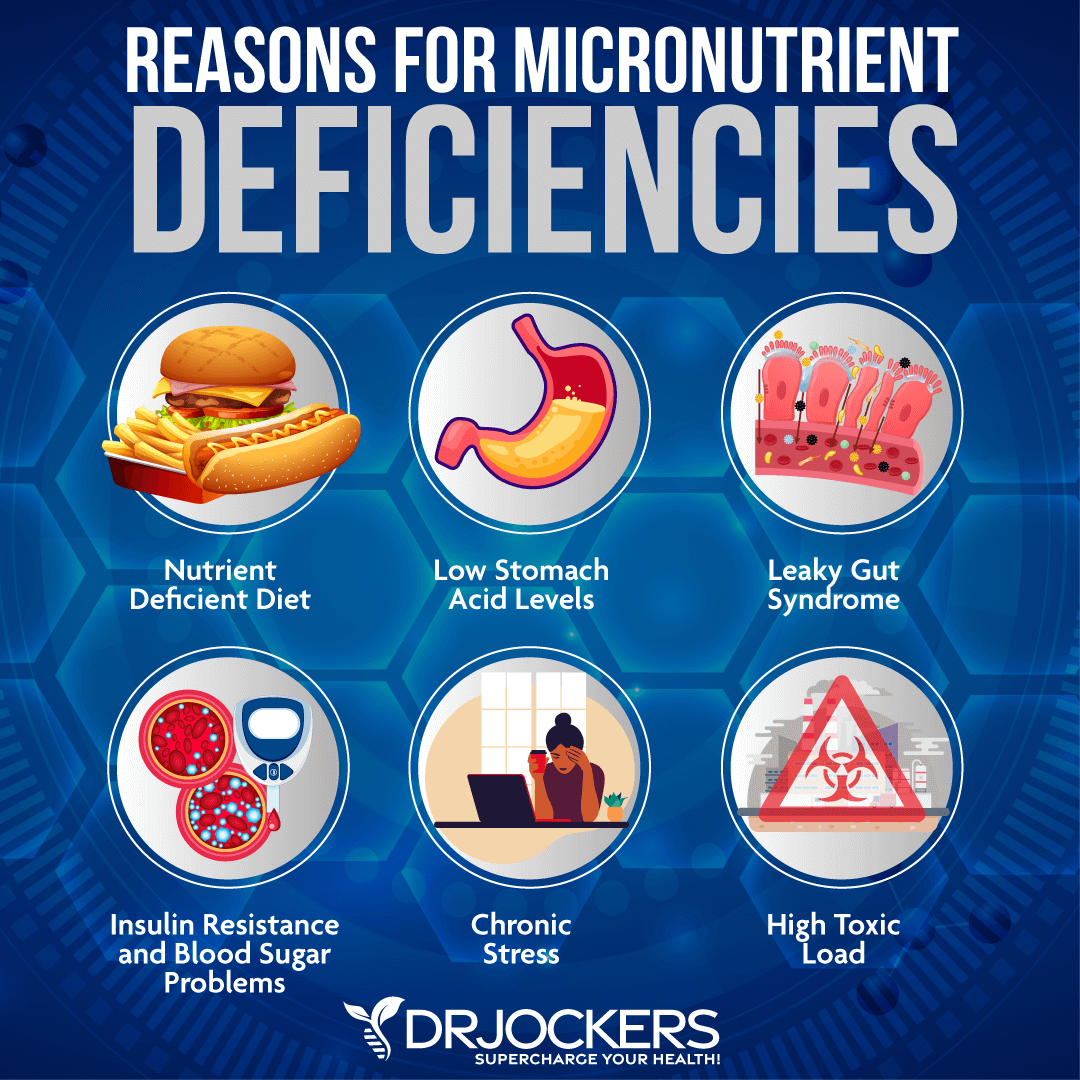
While a diet rich in nutrient-dense whole foods is the ideal way to meet your nutrient needs and support your health, it’s often not enough. Soil nutrient depletion, environmental toxins, gut health issues, nutrient absorption problems, chronic stress, a diet high in processed foods, certain medications, various health issues, and other factors can increase your risk of vitamin malabsorption, vitamin insufficiencies, and vitamin deficiencies.
Vitamin supplementation can help to reduce the risk of nutrient deficiencies, correct existing deficiencies, restore balance, and lower the risk of health issues. However, it is important that you are strategic with your vitamin supplementation and tailor it towards your unique needs and use it alongside a nutrient-dense diet and healthy lifestyle.
Top 10 Vitamin Mistakes
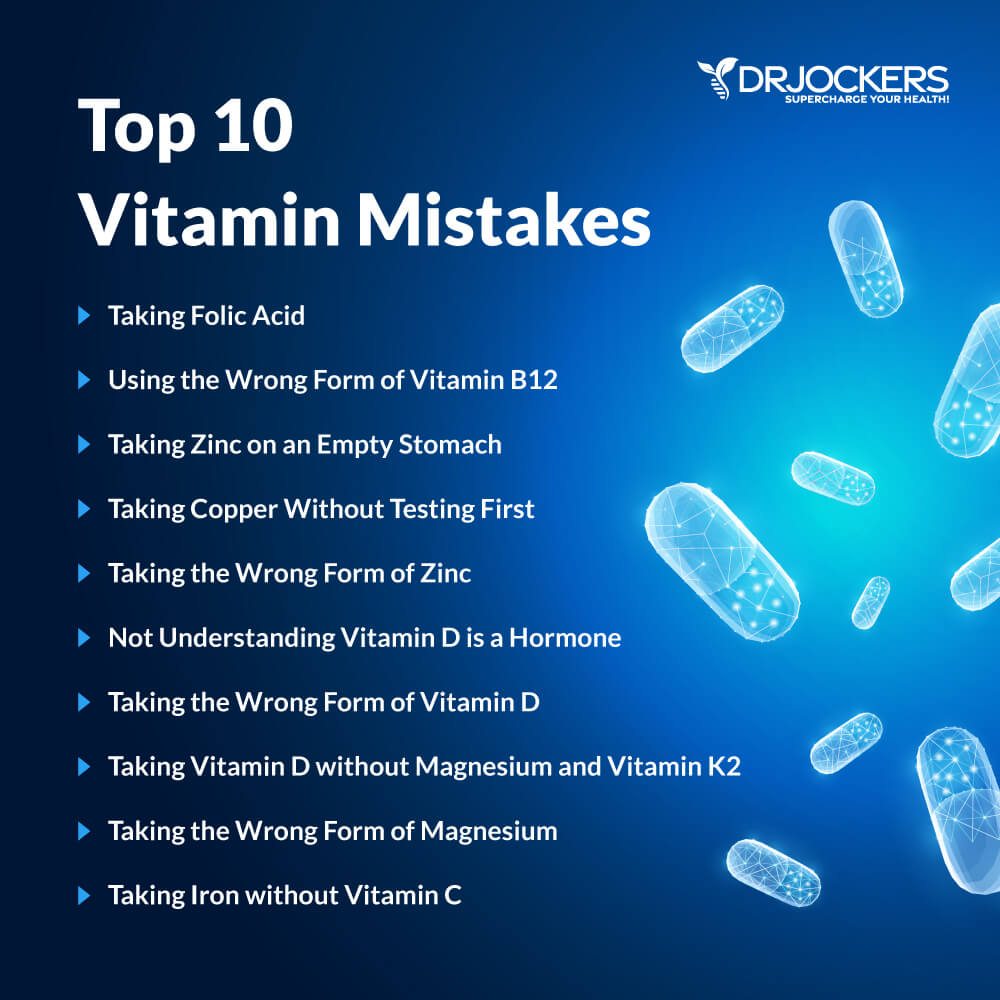
Mistakes when taking vitamins can lead to ineffectiveness. Let’s look at how to avoid the top 10 vitamin mistakes and what to do instead.
Taking Folic Acid
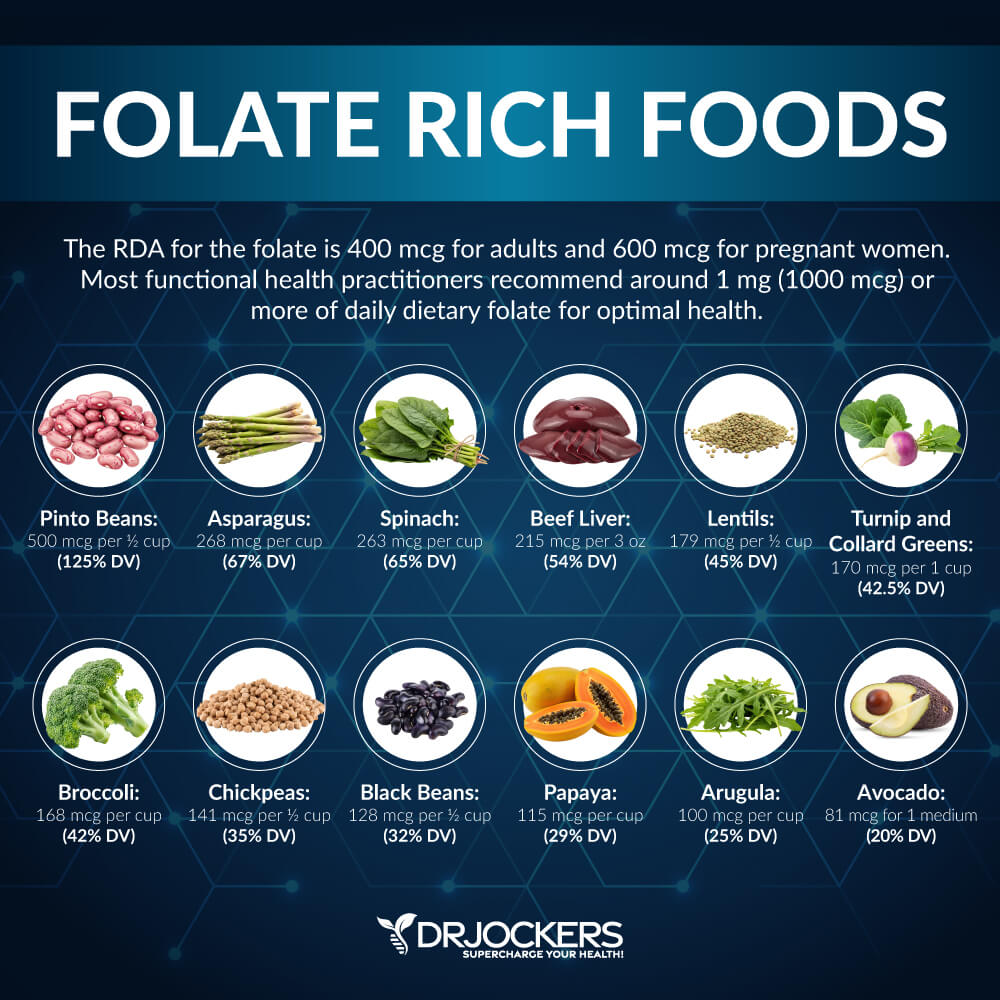
One of the most common vitamin mistakes I see if people take folic acid instead of folate. B9 is critical for DNA synthesis, red blood cell formation, healthy brain and nervous system function, and proper methylation throughout the body. Folic acid is a synthetic form of vitamin B9. When it enters the body, it needs to be converted into its active form, folate.
This conversion relies on an enzyme called MTHFR (methylenetetrahydrofolate reductase). The problem is that variations in the MTHFR gene are very common and can significantly reduce how well this enzyme functions. If you have MTHFR variants, your body won’t be able to convert folic acid properly.
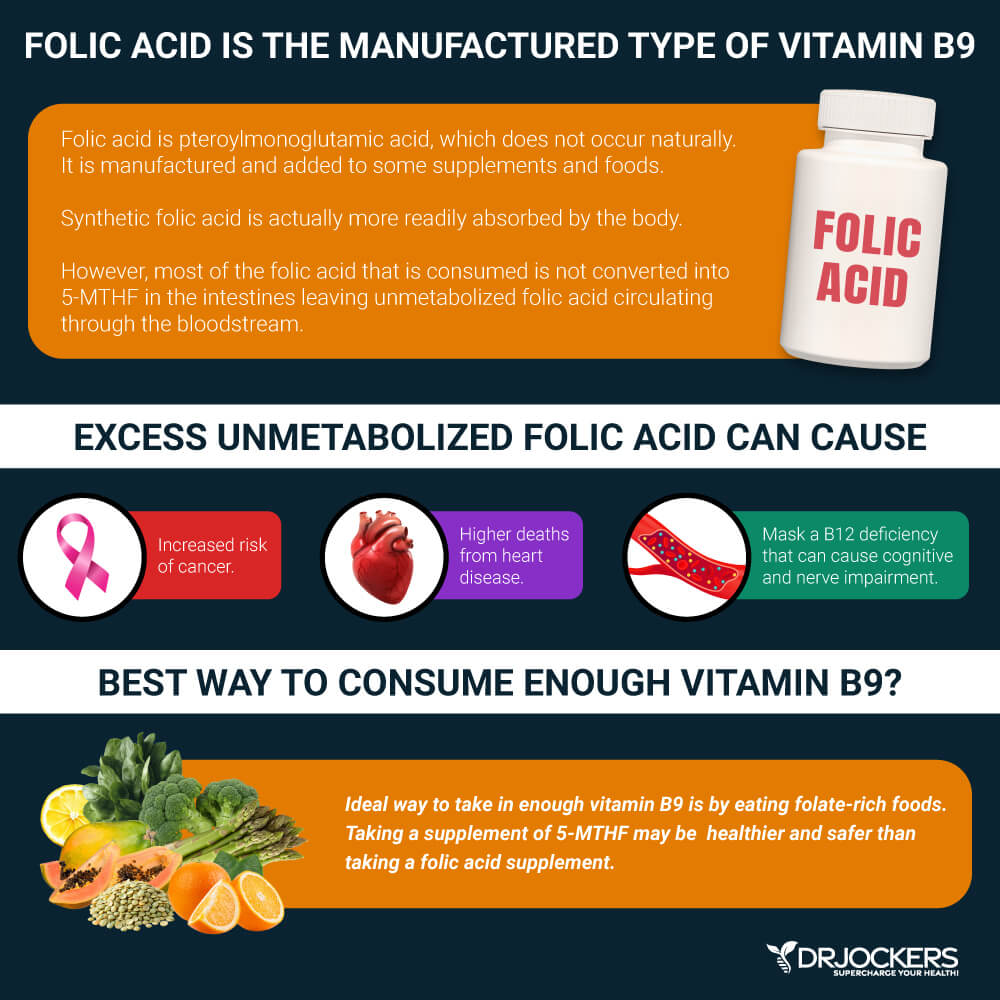
As a result, unmetabolized folic acid may build up in your bloodstream, cause folate deficiency despite supplementation, and interfere with detoxification, methylation, neurotransmitter production, DNA synthesis, and other functions.
This may lead to fatigue, poor stress tolerance, mood changes, and other potential health issues, including, according to a 2025 review published in the Cureus, excessive folic acid intake can be dangerous for expecting mothers with an MTHFR gene mutation (1).
Instead of folic acid, I recommend using bioavailable forms of folate that bypass this conversion step. These include methylfolate (5-MTHF) or calcium folinate, both of which can be readily used by the body without relying heavily on the MTHFR enzyme. Another good form is calcium folinate which is also an activated form that is easily used by the body and is better than folic acid, but not quite as effective as the methylfolate form.
At DrJockers.com, we only use the methylfolate (5-MTHFR) form in our products such as B Strong, Methyl B Complex, Methyl Power and our multivitamins Core Nutrients and High Energy Support.
Using the Wrong Form of Vitamin B12
Vitamin B12 is needed for energy production, healthy nerve function, red blood cell formation, and proper brain and cognitive health. One common mistake I see with vitamin B12 is using the wrong form.
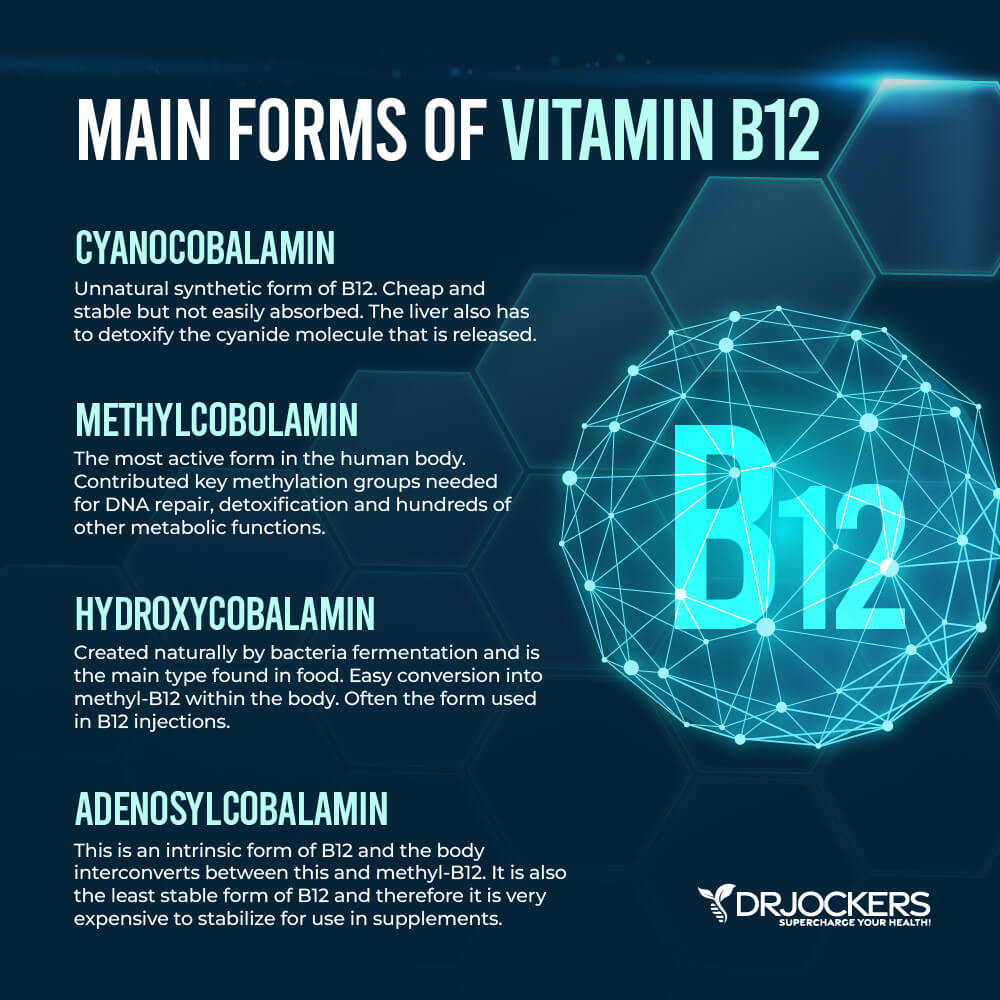
Cyanocobalamin is a synthetic form that includes the cyanide molecule. Many supplements and fortified foods use this form.
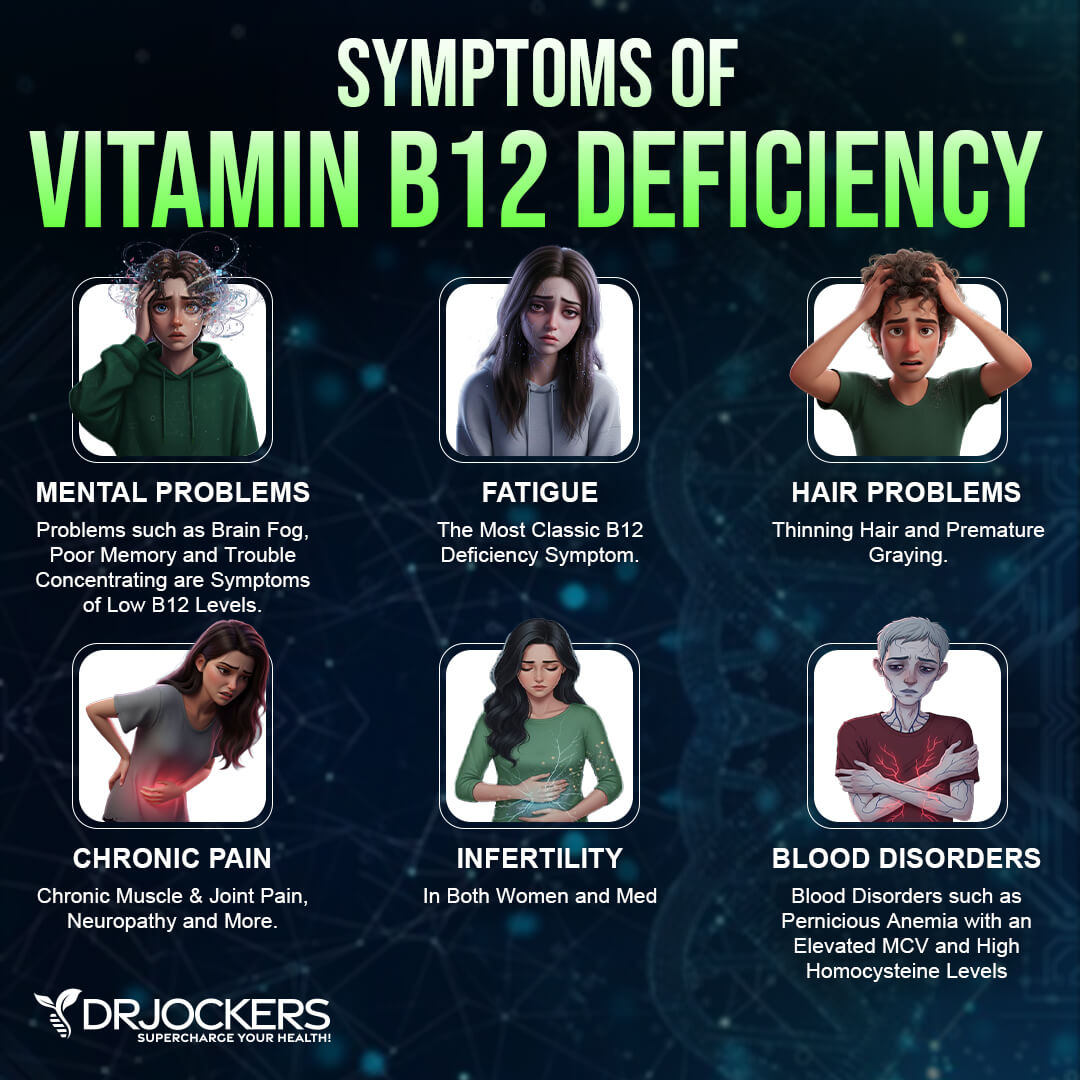
Cyanocobalamin has to go through several conversion steps in the body to become active, which can be difficult for people with impaired methylation, digestive issues, liver stress, or genetic variations. Conversion difficulties can affect energy production, red blood cell formation, cognitive function, nerve health, mood regulation, detoxification, and more.
Instead, I recommend methylcobalamin, which is the active, bioavailable form of vitamin B12. A 2017 review published in Integrative Medicine (Encinitas) looked at the assimilation pathways for 4 B12 forms and found that methylcobalamin offered better bioavailability than other forms (2).
It directly supports methylation and neurological function and can be readily used by the nervous system. You can read more about vitamin B12 in my indepth article here.
At DrJockers.com, we only use the methylcobalamin form in our products such as B Strong, B12 Power, Methyl B Complex, Methyl Power and our multivitamins Core Nutrients and High Energy Support.
Taking Zinc on an Empty Stomach
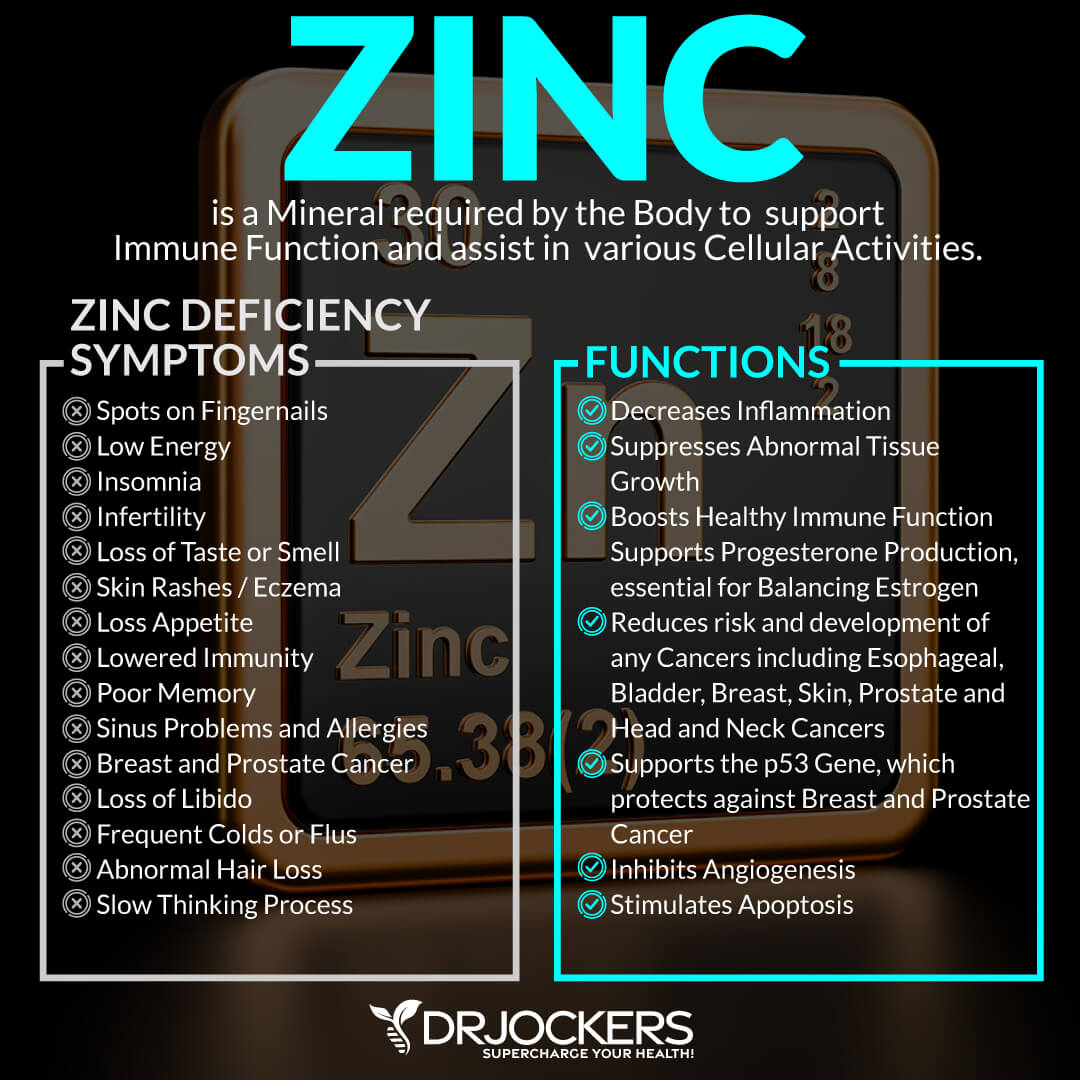
Zinc is an important mineral for immune function, wound healing, hormone balance, and DNA synthesis. One common mistake I see is taking zinc on an empty stomach.
Many people experience nausea, stomach cramps, or even vomiting when zinc is taken without food, especially when using it at a moderate to higher dose.
This happens because zinc may irritate the stomach lining. It is also the best absorbed with the presence of enough stomach acid, which your body makes when you are eating. Taking zinc with food can improve transport across your intestinal lining.
A 2021 study on 35 men published in the Journal of Nutrition has found that taking 25 mg of zinc daily for 2 weeks offered better benefits when taken with breakfast than when taken in a fasted state 30 minutes before breakfast (3). You can learn more about how to test your zinc levels here.
Taking a Lot of Copper Without Testing
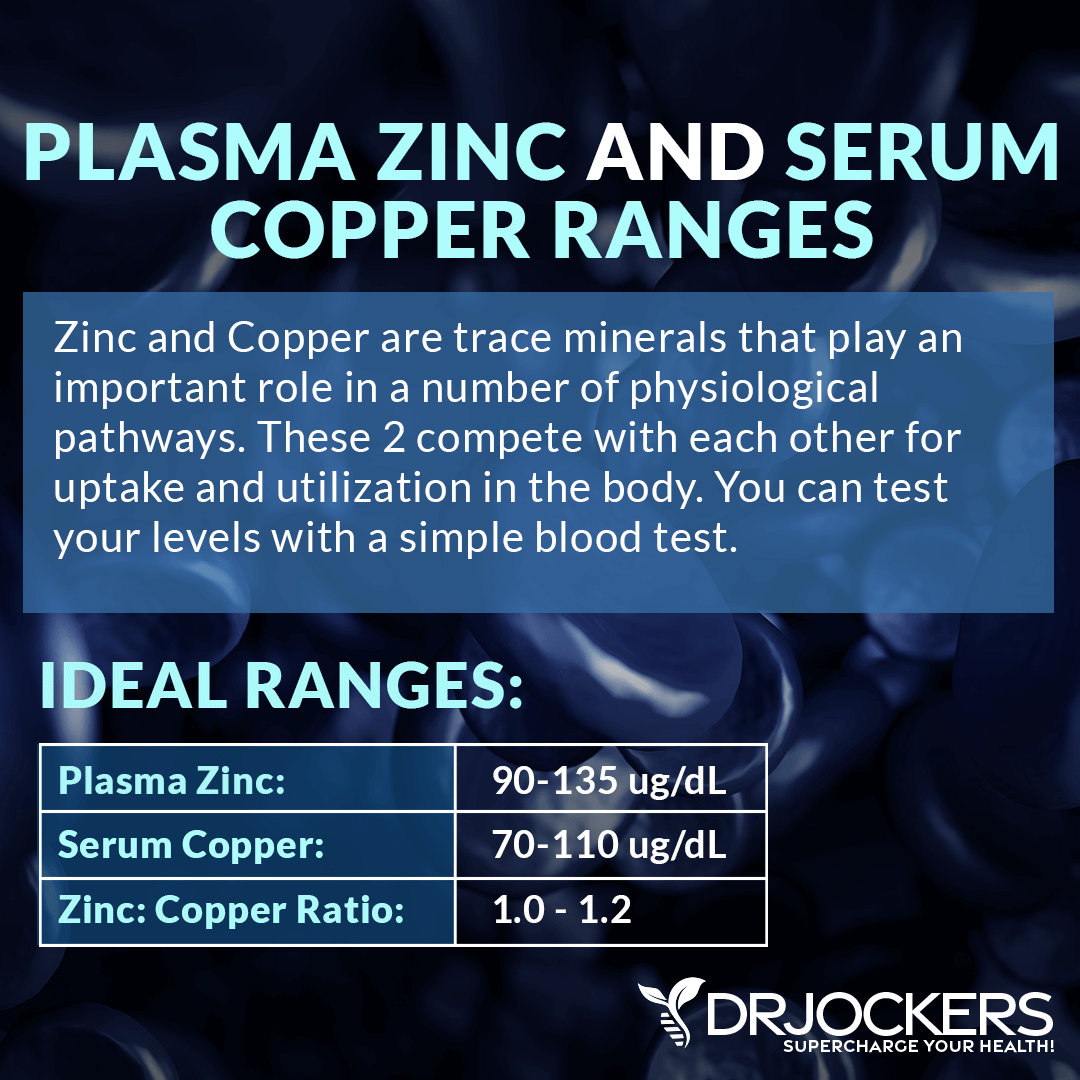
Copper is a trace mineral necessary for the healthy functioning, including enzyme function, and the metabolism of carbohydrates and is primarily found in the liver, brain tissue, kidneys, and hair. Zinc and copper compete against one another as antagonists to properly regulate the physiological pathways in your body.
You need a proper balance of the two to maintain health. A 2021 study published in Nutrients looked at 191 healthy childbearing women, between 18 and 44, and found that zinc and copper levels and zinc:copper ratio should all be used to determine deficiencies or overload in these minerals (4).
Unlike zinc, copper can readily accumulate in the body in toxic concentrations. We absorb copper faster, and our body depletes zinc faster due to stress, infections, and other factors, which can result in imbalances.
To maintain adequate zinc levels, a higher dose of zinc compared to copper is required daily. The ideal ratio between the two is 1:8 to 1:10. I personally recommend 10mg per 50 lbs of body weight as a great starter dosage, but not to exceed 4 mg of copper daily.
Taking the Wrong Form of Zinc
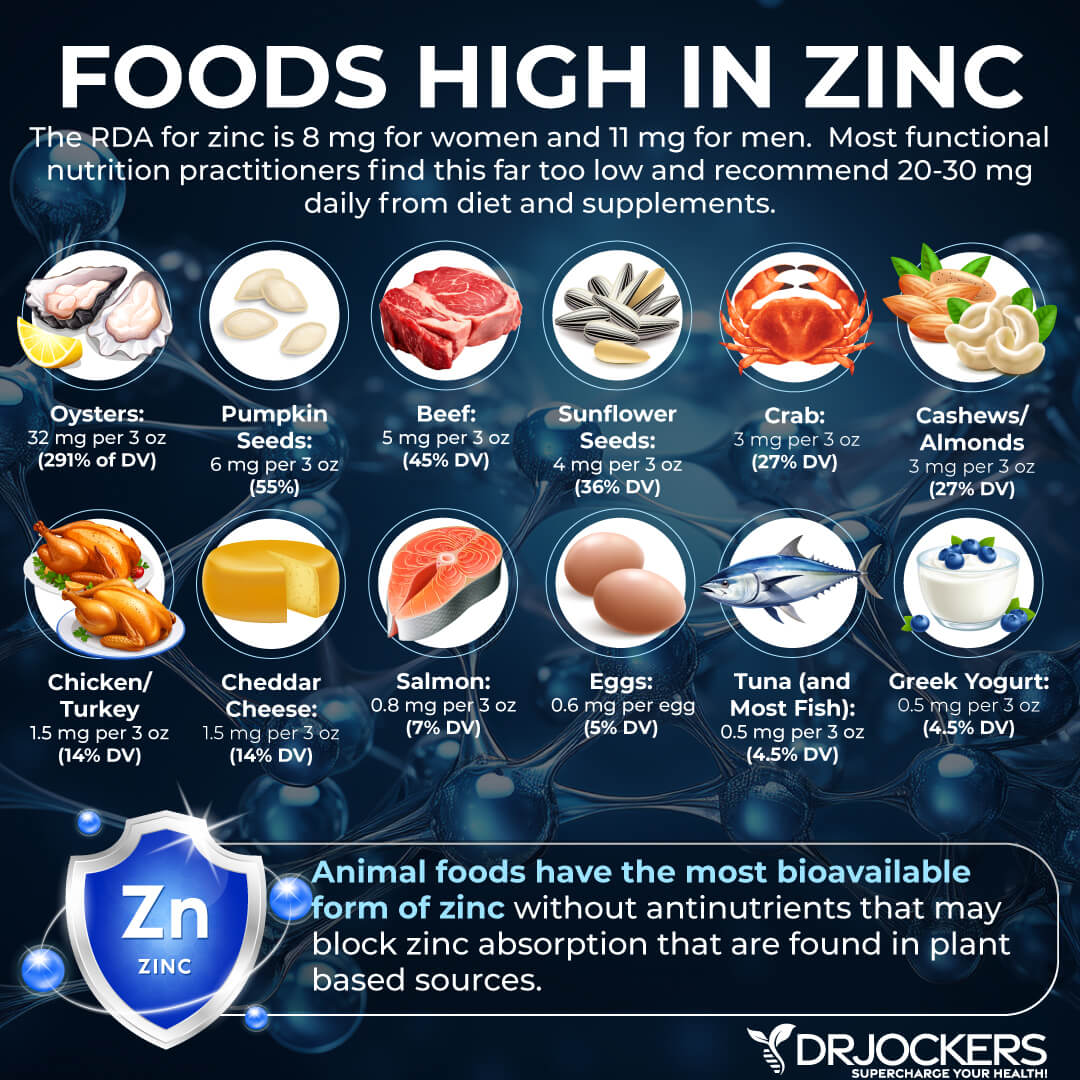
Zinc supports immune defense, wound healing, hormone balance, DNA synthesis, and normal taste and smell function. One of the major mistakes I see when it comes to zinc is taking the wrong form. The most common and the cheapest form is zinc oxide, but it is poorly absorbed.
Instead, I recommend zinc bisglycinate as the best option. According to a 2008 study on 12 healthy female subjects, zinc bisglycinate lead to the highest plasma levels when measured every four hours (5).
Bisglycinate releases two glycine amino acids into our system. This is important for sleep, the liver, gut, and other areas of your health. Glycine is an amino acid that many people need more of.
It is higher in collagenous meats, such as bone broth, which we don’t consume enough of that as it is. Consuming such foods may help your zinc levels, along with supplementation. Besides zinc bisglycinate, zinc picolinate is another good option that observes well.
At DrJockers.com, we only use zinc bisglycinate in our products such as Zinc Charge and Immunocharge as well as our multivitamins Core Nutrients and High Energy Support.
Not Understanding Vitamin D is a Hormone
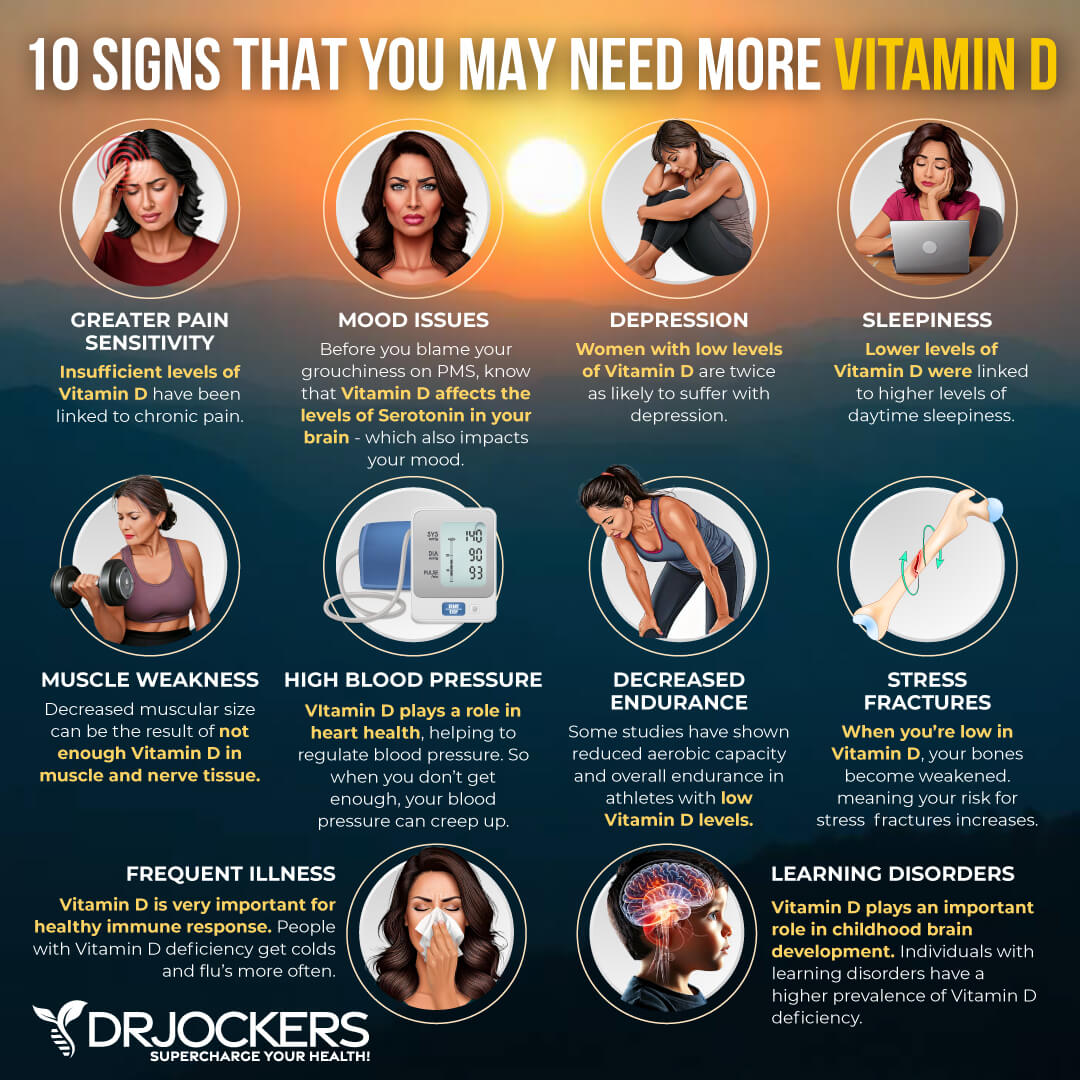
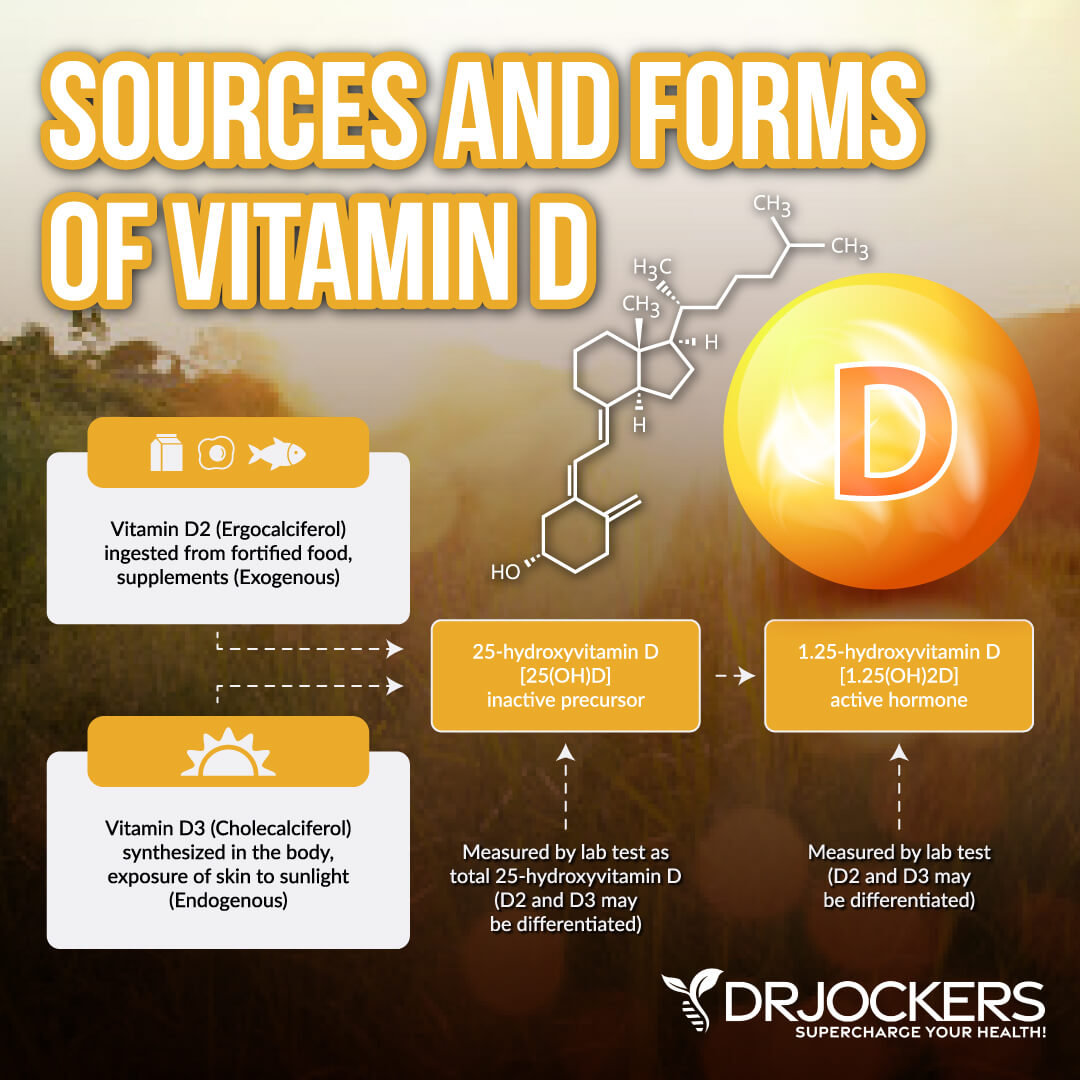
Vitamin D is important for immune, bone, muscle, brain, and mental health. However, something that many don’t understand about vitamin D is that it functions as a hormone rather than a simple vitamin (6).
Vitamin D is a fat-soluble compound produced in the skin in response to sunlight and then converted in the liver and kidneys into its active hormonal form, calcitriol. This active form binds to vitamin D receptors found in nearly every cell in the body.
Because of this, vitamin D plays a regulatory role in over 1,000 physiological processes, including immune function, bone metabolism, muscle strength, inflammation control, mood regulation, and gene expression. Treating vitamin D as “just a vitamin” often leads to underestimating its importance, overlooking deficiency, or using inappropriate dosing, which can impact your health.
Taking the Wrong Form of Vitamin D
Taking the wrong form of vitamin D is another common mistake. Many supplements and prescriptions contain Vitamin D2 (ergocalciferol), which is a synthetic, plant-derived form of vitamin D.
This form is not bioidentical to the vitamin D produced in the human body. Vitamin D2 is less stable and less effective at raising and maintaining healthy blood levels of vitamin D.
Instead, I recommend vitamin D3 (cholecalciferol), a bioidentical form made in the skin in response to sunlight. Your body can absorb it and use it better than D2. Choosing vitamin D3 is a better option for immune function, bone health, hormone signaling, and other physiological processes that vitamin D regulates.
A 2023 systematic review and meta-analysis published in Advances in Nutrition (Bethesda, Md) looked at 20 studies comparing vitamin D2 and D3 and found D3 to be superior in raising total 25(OH)D concentrations (7).
Taking Vitamin D Without Magnesium and Vitamin K2
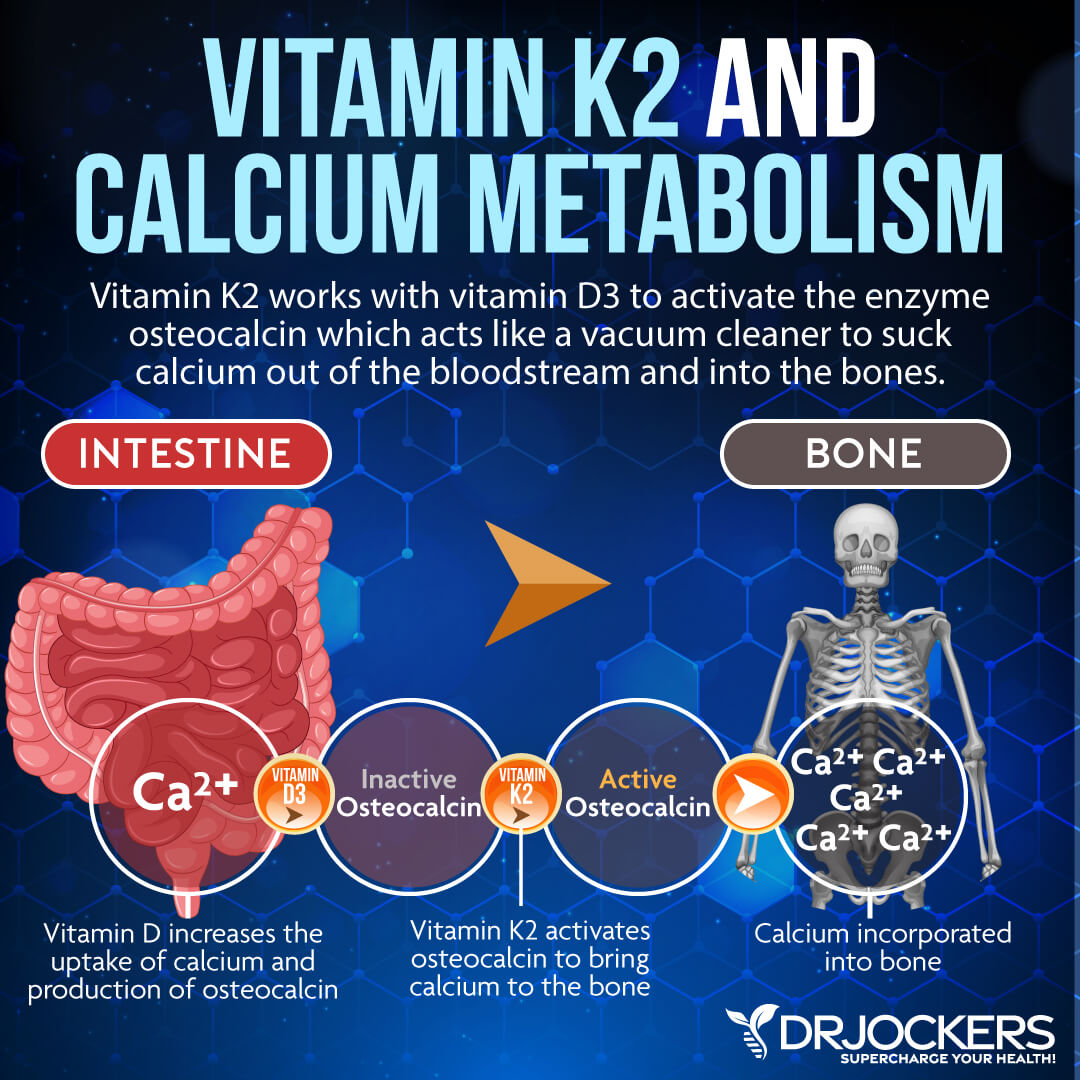
The next common supplement mistake is also related to vitamin D: taking it without magnesium and vitamin K2. Vitamin D increases calcium absorption, but it does not control where that calcium ends up in the body. Magnesium is required to activate vitamin D and support its conversion into its active hormonal form.
Without adequate magnesium, vitamin D may be poorly utilized, but combined, they may offer superior benefits. A 2021 study published in BMC Pediatrics looked at 66 children with ADHD and found that using vitamin D and magnesium combined for 8 weeks offered mental health benefits (8).
Vitamin K2 helps to direct calcium into bones and teeth while preventing it from depositing in soft tissues and blood vessels. It also helps the bioavailability of vitamin D.
For example, according to a 2023 study on 400 men published in BMJ Open, vitamin K2 and D3 used combined for 2 years can help to improve coronary artery calcification (9). Vitamin D, magnesium, and K2, when used together, support balanced calcium metabolism, stronger bones, cardiovascular health, and overall metabolic function.
At DrJockers.com, we combine vitamin D3 with vitamin K2 and magnesium in the optimal ratios in our D3/K2 Power as well as our Immunocharge products and our multivitamin Core Nutrients.
Taking the Wrong Form of Magnesium
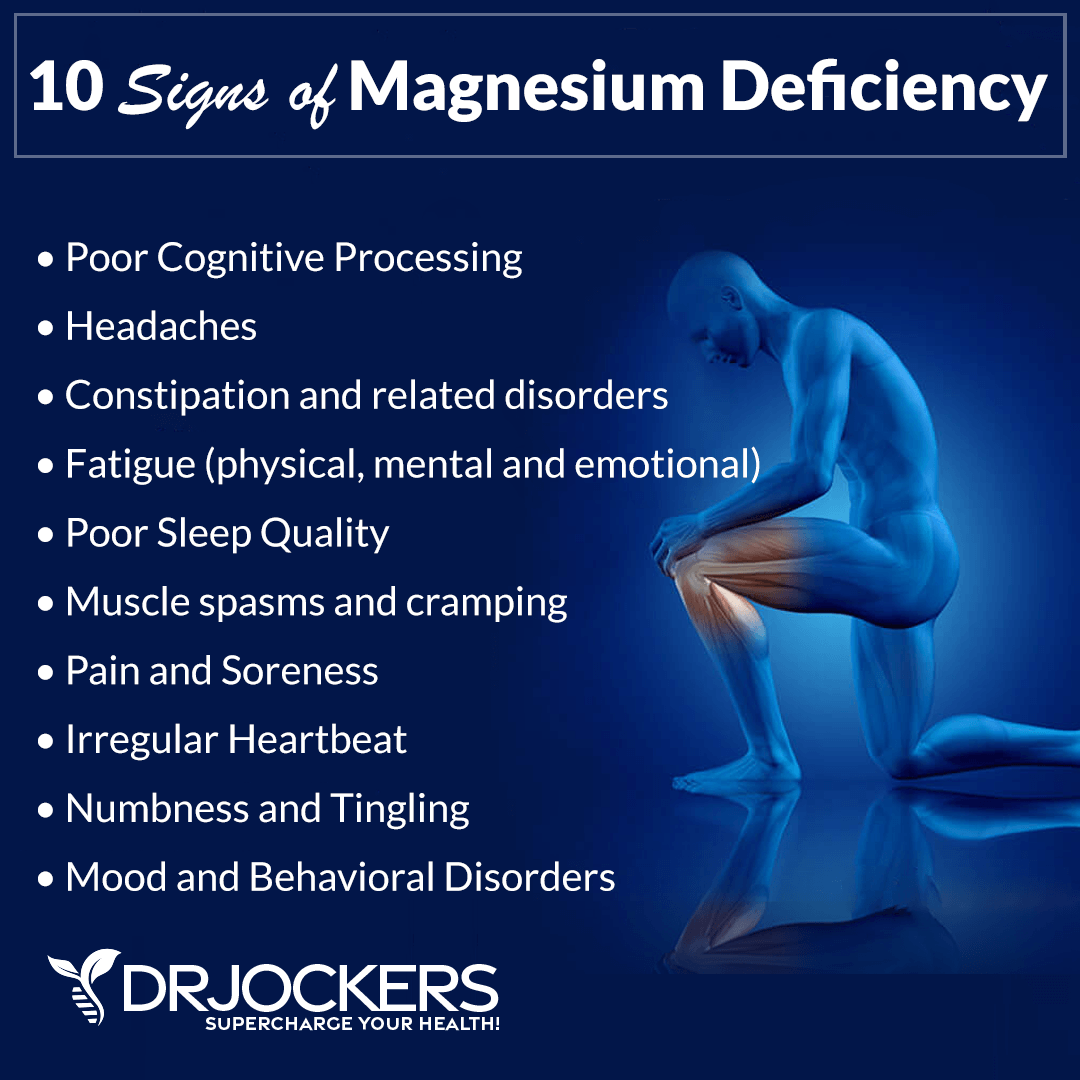
Magnesium is important for energy production, muscle and nerve function, bone health, and for regulating blood pressure and blood sugar levels. According to a 2025 review published in Antioxidants (Basel), magnesium offers antioxidants and anti-inflammatory effects (10).
Taking the wrong form of magnesium is a common supplement mistake I see, which can lead to ineffectiveness. Some forms absorb better than others, and some forms work better for specific health issues (11).
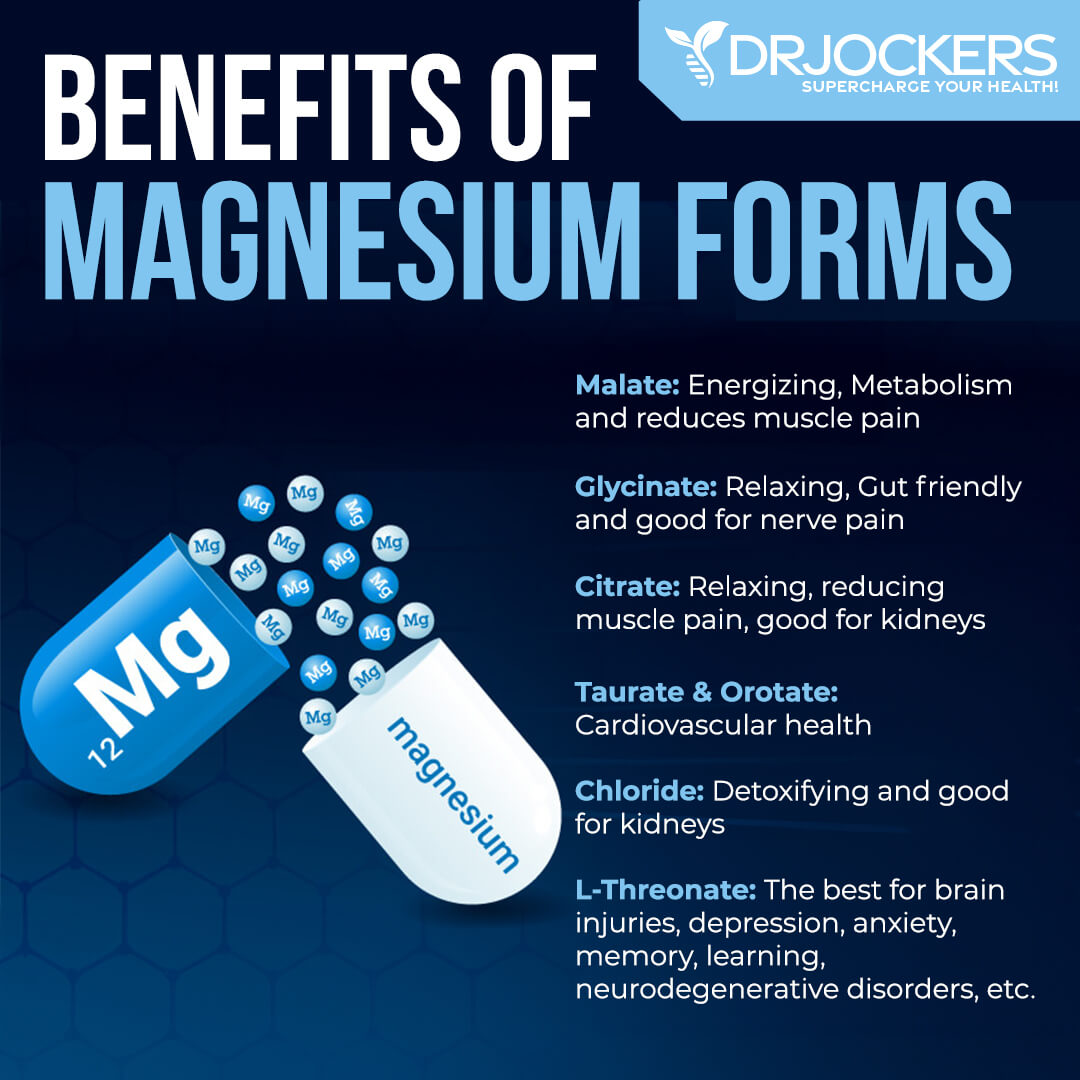
Magnesium malate is magnesium bonded to malic acid, which naturally occurs in many foods, especially fruits. Magnesium malate may be the best for energy-related disorders, including chronic fatigue syndrome and depression.
Magnesium glycinate or chelated magnesium is the most bioavailable and gut-friendly form. Magnesium L-threonate (MgT) is a newer form of magnesium and may be the best option for cognitive and mental health issues due to its neuroprotective qualities.
Magnesium citrate is the most commonly used form. It is reasonably bioavailable and low-cost. Magnesium chloride also offers a stable form of magnesium that you may benefit from. I only recommend magnesium chloride for topical usage and not for oral consumption. We use it in our Magnesium with MSM lotion which is great for relaxing muscles and reducing inflammation.
Forms of magnesium that are often cheap yet offer relatively low bioavailability include the oxide, dihydroxide (milk of magnesia), sulfate, aspartate, and carbonate forms. These forms of magnesium do not absorb well and tend to offer little benefit beyond laxative or antacid properties.
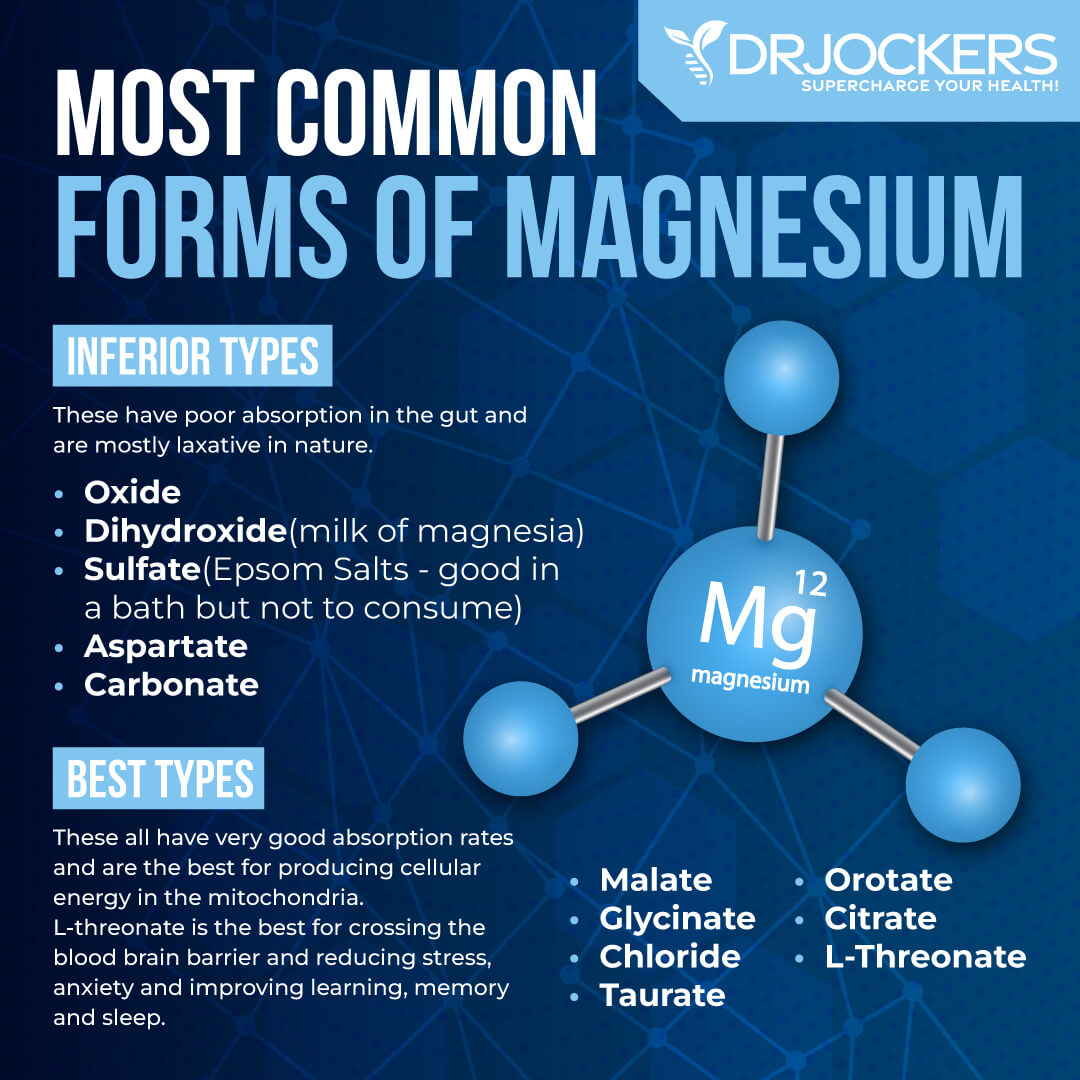
Magnesium Sulfate (also known as Epsom salt) may, however, be suitable for absorption through the skin through soaks and baths. Epsom salt baths are a great way to increase magnesium levels in your body.
At DrJockers.com we use magnesium glycyinate, malate and L-threonate forms in our bestselling Brain Calm Magnesium. This product is best for brain health, cognition, mood and memory as well as reducing stress and bringing calmness.
We use magnesium taurate, malate and glycinate in our TriMag complex. This is great for relaxation, muscle and nerve health and heart health. We also use these forms in our CT Minerals product.
We also use magnesium citrate in our Mg-K Citrate and our D3/K2 Power as well as our Immunocharge products and magnesium glycinate in our multivitamin Core Nutrients and magnesium malate in our multivitamin High Energy Support.
Taking Iron without Vitamin C
Iron is important for oxygen transport, energy production, and immune function. However, one mistake I see is taking it without vitamin C. Iron requires vitamin C for optimal absorption because vitamin C converts iron into a more easily absorbed form in the gut.
A 2022 study published in the International Journal of Environmental Research and Public Health looked at 29 women, ages 18 – 30, and found that 8 weeks of intervention with iron and vitamin C with food helped to improve iron levels and reduce the risk of iron deficiency anemia (12).
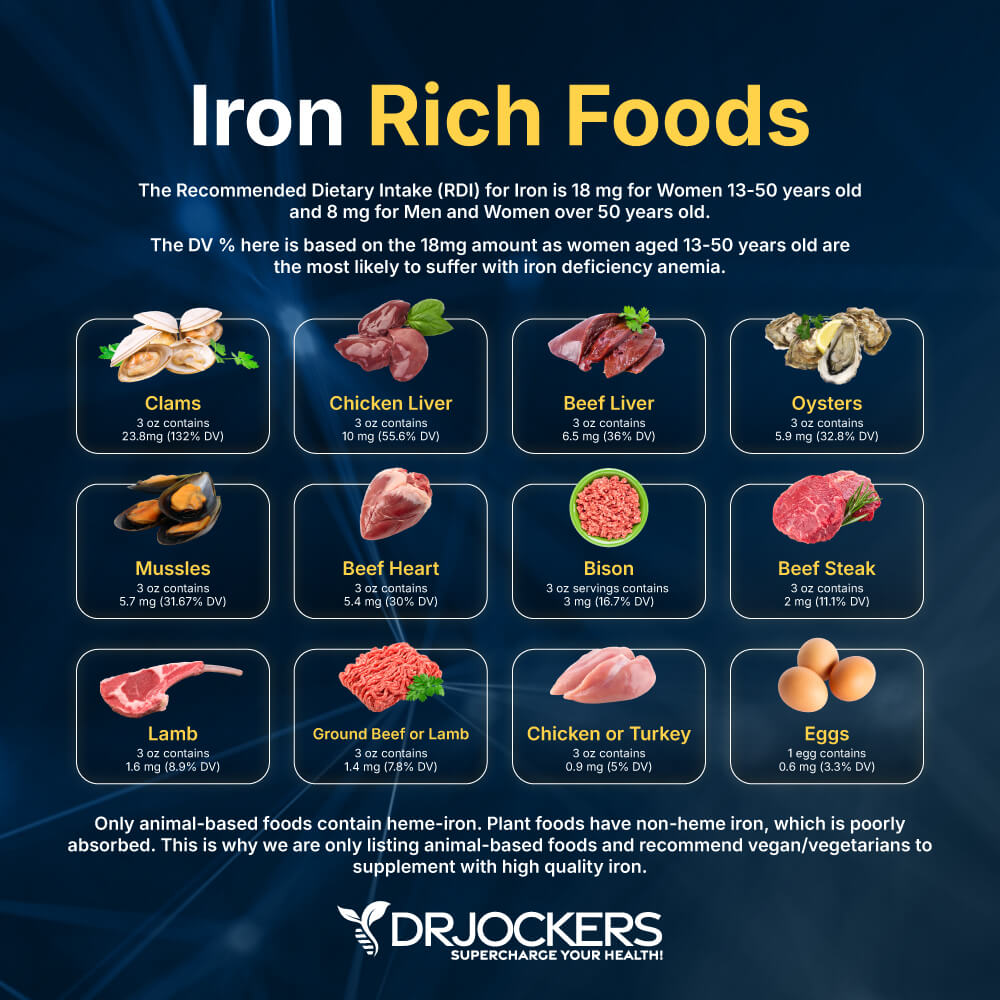
Many people take iron supplements like ferrous sulfate, which can cause digestive issues and poor absorption. Instead, I recommend ferrous bisglycinate, a chelated form of iron bound to glycine, which is more bioavailable and gentle on your digestion.
Glycine, an amino acid, not only improves iron absorption but also supports detoxification, neurotransmitter balance, and collagen production, making ferrous bisglycinate an effective option. My favorite iron supplement that I use with clients who are anemic or have low blood iron or ferritin levels is Iron Power which is in the ferrous bisglycinate form. You should take this with meals that include fresh fruits or vegetables to optimize absorption.
I never recommend iron supplementation unless testing has confirmed anemia or lower range serum iron or ferritin levels. High iron levels are a major driver for oxidative stress and inflammation, so it is always best to work with a practitioner to get proper iron dosing.

Final Thoughts
Making vitamin supplement mistakes, such as taking the wrong form of a supplement, can lead to ineffectiveness and even health consequences. I recommend that you follow the tips in this article to avoid major vitamin mistakes and take the right supplements to support your health and well-being.
If you want to work with a functional health coach, I recommend this article with tips on how to find a great coach. Our website offers long-distance functional health coaching programs with our world-class team of health coaches. For further support with your health and other goals, just reach out—our fantastic coaches are here to support your journey.

Inflammation Crushing Ebundle
The Inflammation Crushing Ebundle is designed to help you improve your brain, liver, immune system and discover the healing strategies, foods and recipes to burn fat, reduce inflammation and Thrive in Life!
As a doctor of natural medicine, I have spent the past 20 years studying the best healing strategies and worked with hundreds of coaching clients, helping them overcome chronic health conditions and optimize their overall health.
In our Inflammation Crushing Ebundle, I have put together my very best strategies to reduce inflammation and optimize your healing potential. Take a look at what you will get inside these valuable guides below!
Sources in This Article Include:
1. Hecker J, Layton R, Parker RW. Adverse Effects of Excessive Folic Acid Consumption and Its Implications for Individuals With the Methylenetetrahydrofolate Reductase C677T Genotype. Cureus. 2025;17(2):e79374. Published 2025 Feb 20. doi:10.7759/cureus.79374Link Here
2. Paul C, Brady DM. Comparative Bioavailability and Utilization of Particular Forms of B12 Supplements With Potential to Mitigate B12-related Genetic Polymorphisms. Integr Med (Encinitas). 2017;16(1):42-49. Link Here
3/ Massih YN, Hall AG, Suh J, King JC. Zinc Supplements Taken with Food Increase Essential Fatty Acid Desaturation Indices in Adult Men Compared with Zinc Taken in the Fasted State. J Nutr. 2021;151(9):2583-2589. doi:10.1093/jn/nxab149 Link Here
4. Zhang H, Cao Y, Man Q, Li Y, Lu J, Yang L. Study on Reference Range of Zinc, Copper and Copper/Zinc Ratio in Childbearing Women of China. Nutrients. 2021;13(3):946. Published 2021 Mar 15. doi:10.3390/nu13030946 Link Here
5. DiSilvestro, R. A., & Swan, M. (2008). Comparison of Four Commercially Available Zinc Supplements for Performance in a Zinc Tolerance Test. The FASEB Journal, 22(S1). Link Here
6. Ellison DL, Moran HR. Vitamin D: Vitamin or Hormone?. Nurs Clin North Am. 2021;56(1):47-57. doi:10.1016/j.cnur.2020.10.004 Link Here
7. van den Heuvel, E. G., Lips, P., Schoonmade, L. J., Lanham-New, S. A., & van Schoor, N. M. (2023). Comparison of the Effect of Daily Vitamin D2 and Vitamin D3 Supplementation on Serum 25-Hydroxyvitamin D Concentration (Total 25(OH)D, 25(OH)D2, and 25(OH)D3) and Importance of Body Mass Index: A Systematic Review and Meta-Analysis. Advances in Nutrition (Bethesda, Md.), S2161-8313(23)013947. Link Here
8. Hemamy M, Pahlavani N, Amanollahi A, et al. The effect of vitamin D and magnesium supplementation on the mental health status of attention-deficit hyperactive children: a randomized controlled trial. BMC Pediatr. 2021;21(1):178. Published 2021 Apr 17. Link Here
9. Hasific S, Øvrehus KA, Hosbond S, et al. Effects of vitamins K2 and D3 supplementation in patients with severe coronary artery calcification: a study protocol for a randomised controlled trial. BMJ Open. 2023;13(7):e073233. Published 2023 Jul 14. Link Here
10. Cepeda V, Ródenas-Munar M, García S, Bouzas C, Tur JA. Unlocking the Power of Magnesium: A Systematic Review and Meta-Analysis Regarding Its Role in Oxidative Stress and Inflammation. Antioxidants (Basel). 2025;14(6):740. Published 2025 Jun 16. Link Here
11. Magnesium NIH Link here
12. Skolmowska D, Głąbska D. Effectiveness of Dietary Intervention with Iron and Vitamin C Administered Separately in Improving Iron Status in Young Women. Int J Environ Res Public Health. 2022;19(19):11877. Published 2022 Sep 20. doi:10.3390/ijerph191911877 Link Here


Love this article! I need to clean up my vitamin regimen. This is a great guide. Thank you, Dr Jockers!
What a great way to start 2026!
Worth reminding about supplement quality. Not FDA regulated. Big Pharma bough out most of supplement industry, so draw your conclusion.
“Most people don’t have the right information and guidance to make the best choices…”, including doctors. Thanks for being an exception, Dr. Jockers. 🙂
Please consider article on best times to take vitamins, e.g. https://www.businessinsider.com/reference/best-time-to-take-vitamins
Doc, what would be the most optimal way to test for Copper levels and copper/zinc balance? Would testing for Ceruloplasmin levels provide a more accurate picture on copper deficiency?
Thank you, another great article!