

 6Essential Lab Tests for Optimal Heart, Brain, and Longevity
Many of us routinely get blood work done, but often, the most critical insights into our long-term health, particularly for heart and brain function, and overall longevity, go unnoticed. While standard tests like total LDL cholesterol or fasting blood sugar offer a glimpse, they often miss the deeper metabolic imbalances that silently undermine our well-being.
This article delves into six pivotal lab tests that, when properly interpreted and acted upon, can provide a roadmap to vibrant health and sustained vitality.
These are not obscure or expensive tests; in fact, many are covered by insurance. The challenge often lies in interpreting the results beyond conventional reference ranges and understanding the actionable steps to correct any imbalances. Let’s explore these six crucial indicators of health.
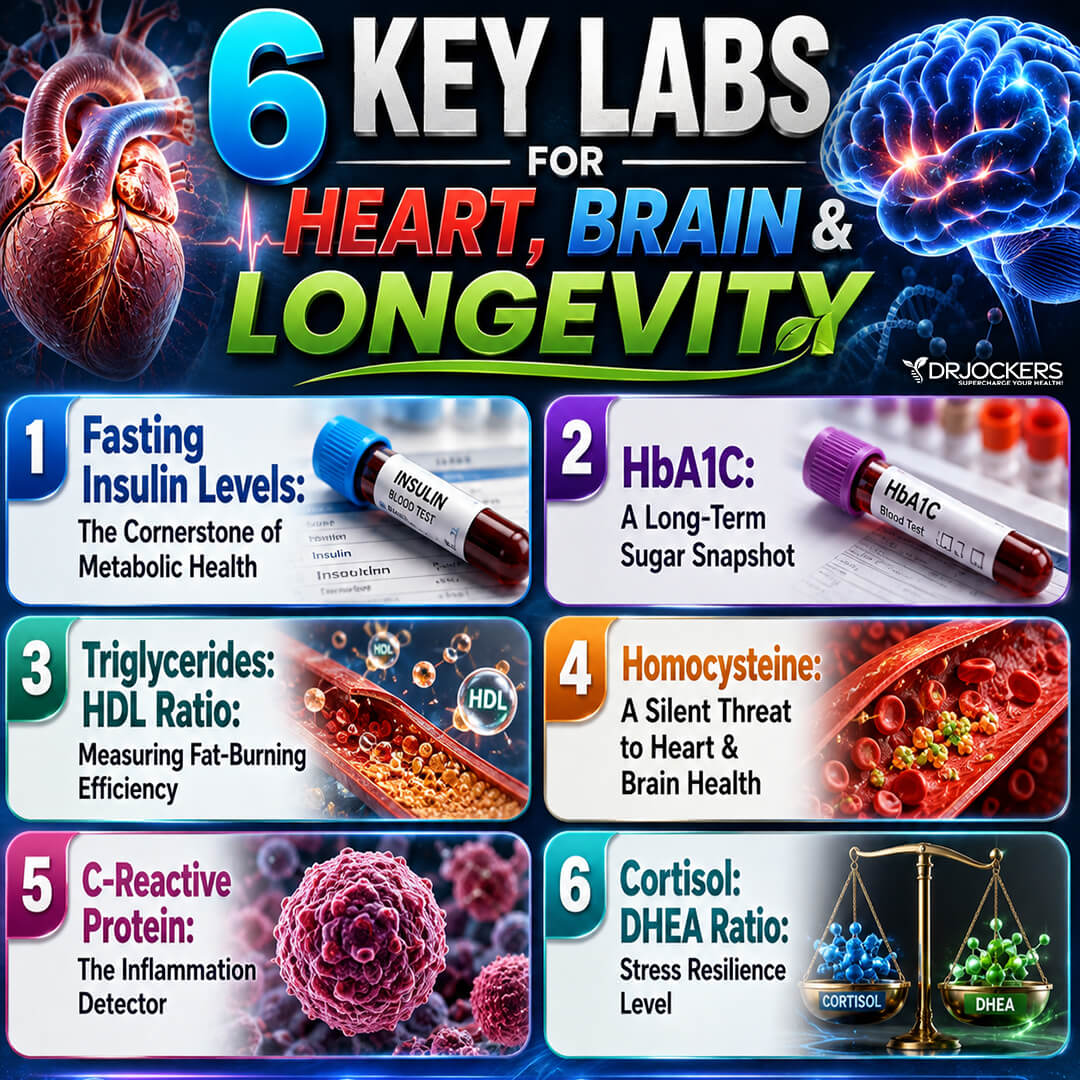
1. Fasting Insulin Levels: The Cornerstone of Metabolic Health
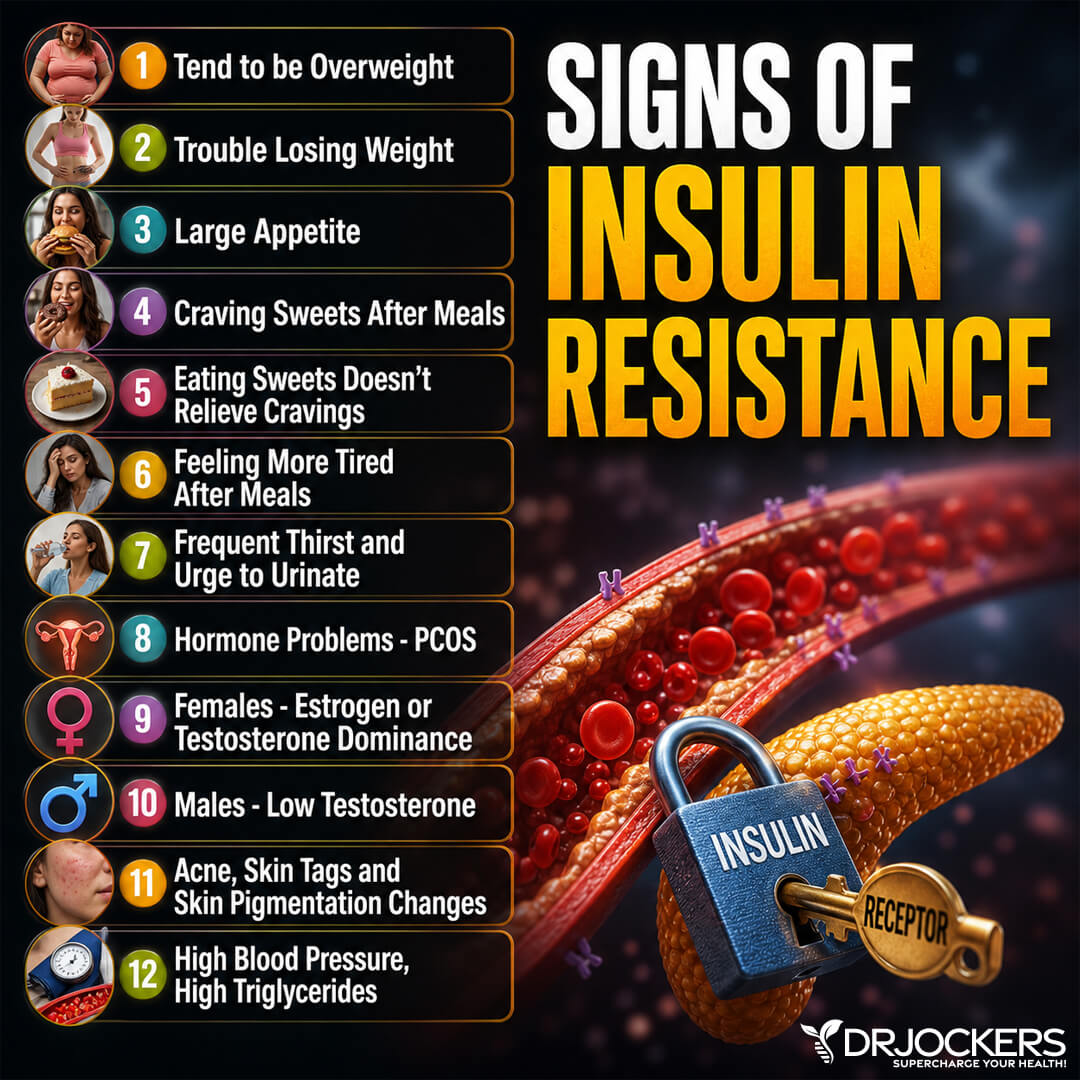
Fasting insulin is arguably the most important lab test for understanding your metabolic health. Insulin, often hailed as a superhero hormone, is responsible for ushering glucose from your bloodstream into your cells for energy. It’s a vital process, but chronic elevation of insulin is a significant red flag.
When we frequently consume processed foods and high-glycemic carbohydrates, our bodies are forced to produce more and more insulin. Over time, cells become desensitized, leading to insulin resistance. This means glucose struggles to enter cells, prompting the pancreas to churn out even more insulin.
Chronically high insulin levels, as a growth-based hormone, trigger fat storage, particularly visceral fat—the dangerous fat surrounding organs that can impair blood supply and fuel inflammation through compounds like interleukin-6, TNF-alpha, and C-reactive protein.
Elevated insulin also locks your body into a sugar-burning mode, hindering its ability to tap into fat stores for fuel and potentially damaging mitochondria through increased oxidative stress.
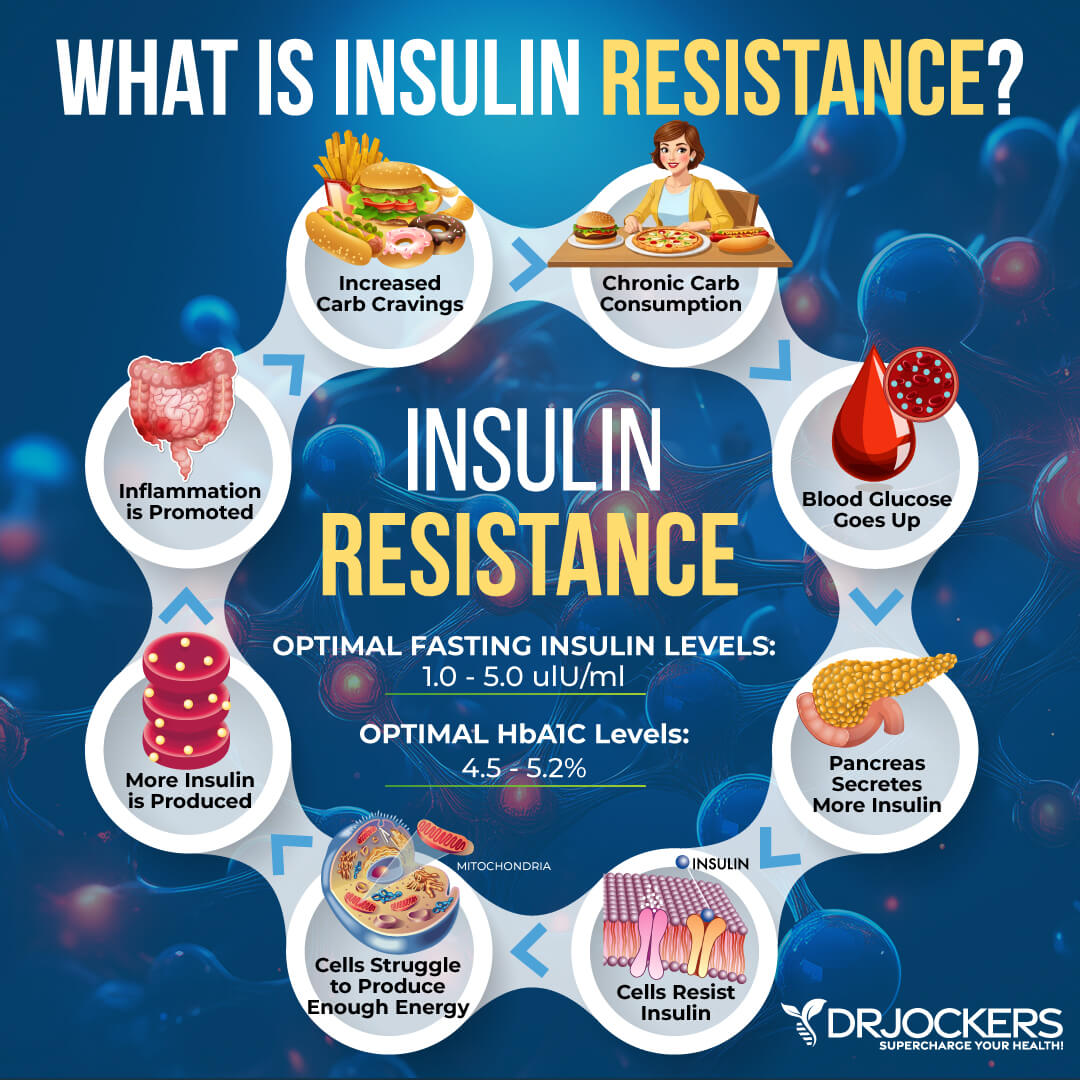
Optimal Fasting Insulin Range:
For an accurate reading, fast for 12-14 hours after your last meal. Your fasting insulin level should ideally be less than 6 µIU/mL.
A healthy range is typically between 1 and 6 µIU/mL. Zero insulin could indicate Type 1 diabetes, but for most, some insulin presence is normal and healthy.
2. Hemoglobin A1C (HbA1C): A Long-Term Sugar Snapshot
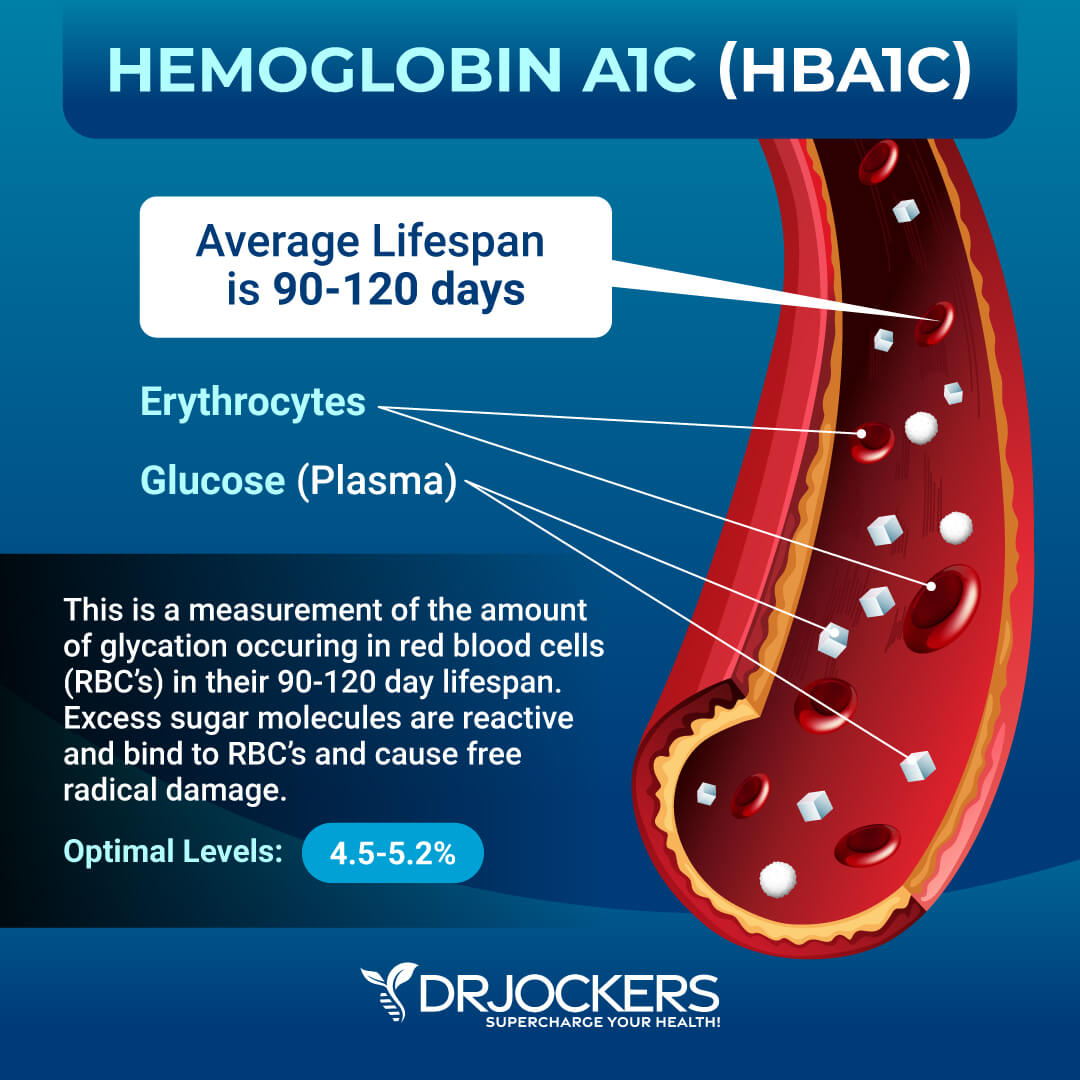
Hemoglobin A1C is a lab test that provides a three-month average of your blood sugar control by measuring the percentage of red blood cells that have glycated, meaning sugar has bound to them. Glycation creates sticky, dysfunctional red blood cells that are less efficient at transporting oxygen and nutrients throughout the body.
High HbA1C indicates sustained elevated blood sugar, leading to a proliferation of these impaired red blood cells. This compromises cellular health and can set the stage for numerous chronic conditions.
It’s crucial to consider HbA1C in conjunction with fasting insulin, as high insulin levels, even with seemingly controlled blood sugar, can still point to underlying insulin resistance.
Optimal Hemoglobin A1C Range:
Ideally, your HbA1C should be less than 5.5%. Even better is less than 5.2%, with an excellent range being 4.5% to 5%. Maintaining these levels reflects excellent blood sugar regulation and metabolic health.
3. Triglycerides to HDL Ratio: Your Fat Burning Efficiency
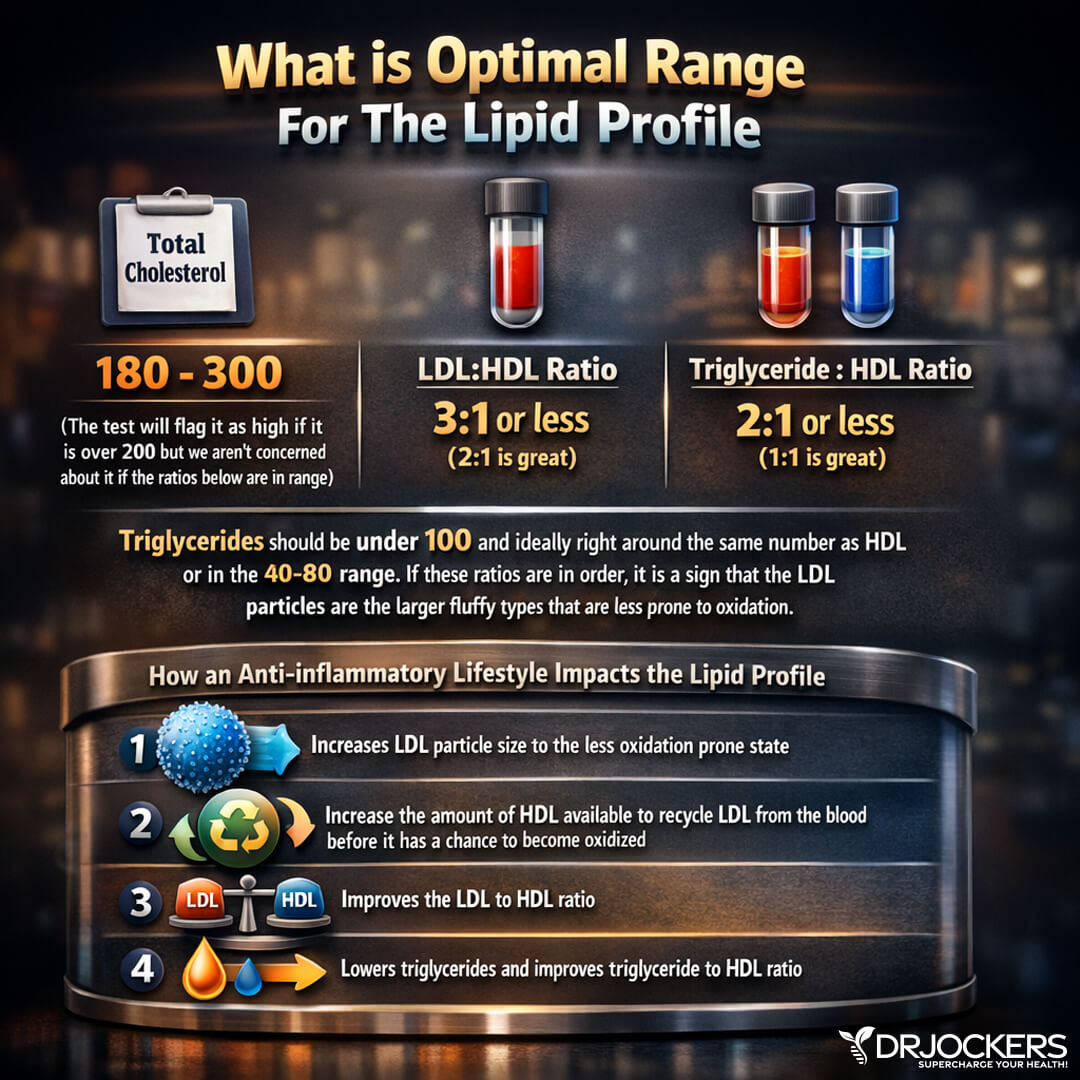
This ratio is a powerful indicator of your body’s ability to burn fat for fuel and overall metabolic flexibility. Triglycerides are circulating fats in your bloodstream, and high levels suggest your body isn’t effectively utilizing fat for energy. HDL, or high-density lipoprotein, is often called “good cholesterol” and plays a role in removing excess cholesterol from the arteries.
High triglycerides are frequently driven by elevated insulin levels. A favorable triglyceride to HDL ratio indicates that your body is metabolically healthy and efficiently handling fats. A low ratio suggests optimal fat metabolism.
Optimal Triglycerides to HDL Ratio:
Your triglycerides should ideally be under 100 mg/dL. The ratio of triglycerides to HDL should be less than 2, and ideally, as close to 1 as possible. For example, if your triglycerides are 80 mg/dL and HDL is 70 mg/dL, that’s an excellent ratio, close to one.
4. Homocysteine: A Silent Threat to Cardiovascular and Brain Health
Homocysteine is an amino acid involved in the methionine metabolism cycle. While it plays a role in producing crucial compounds like S-adenosylmethionine (SAMe)—a precursor for neurotransmitters like serotonin and dopamine—and glutathione, the body’s master antioxidant, elevated levels are highly problematic. When homocysteine isn’t properly metabolized, it becomes reactive and inflammatory.
High homocysteine levels (above 9 µmol/L) act as a potent inflammatory agent, damaging the endothelial lining of blood vessels. This significantly increases the risk of heart disease, stroke, Alzheimer’s disease, and other neurodegenerative conditions.

Nutrient deficiencies, particularly in B vitamins (B2, B6, folate/B9, B12), zinc, and choline, are common culprits behind elevated homocysteine. Malabsorption, often due to insufficient stomach acid, can also impair B12 absorption, a major driver of homocysteine levels.
Optimal Homocysteine Range:
Homocysteine levels should be under 9 µmol/L, with an ideal range being between 5 and 7 µmol/L. Addressing this often involves optimizing nutrient intake and absorption.

5. C-Reactive Protein (CRP): The Inflammation Detector
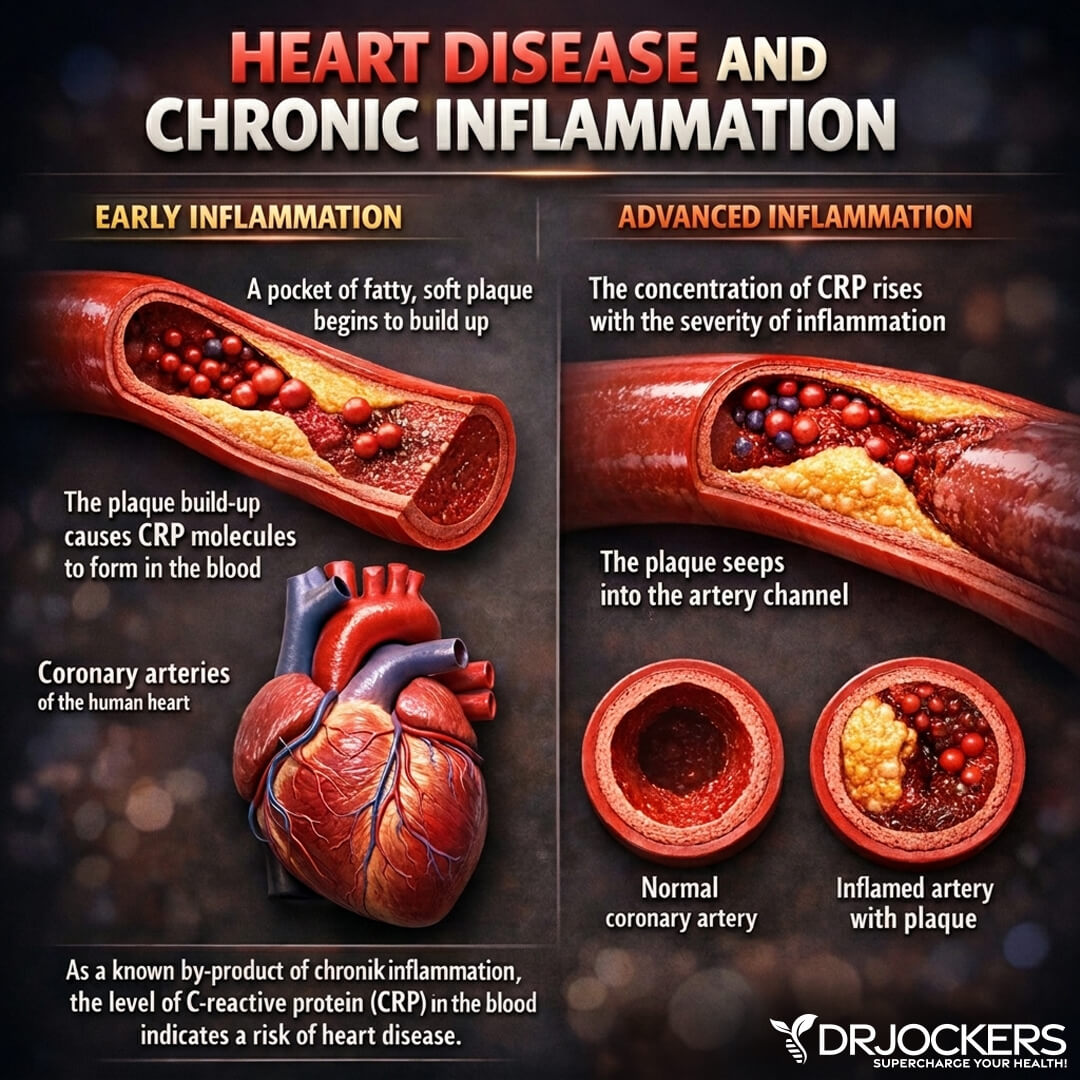
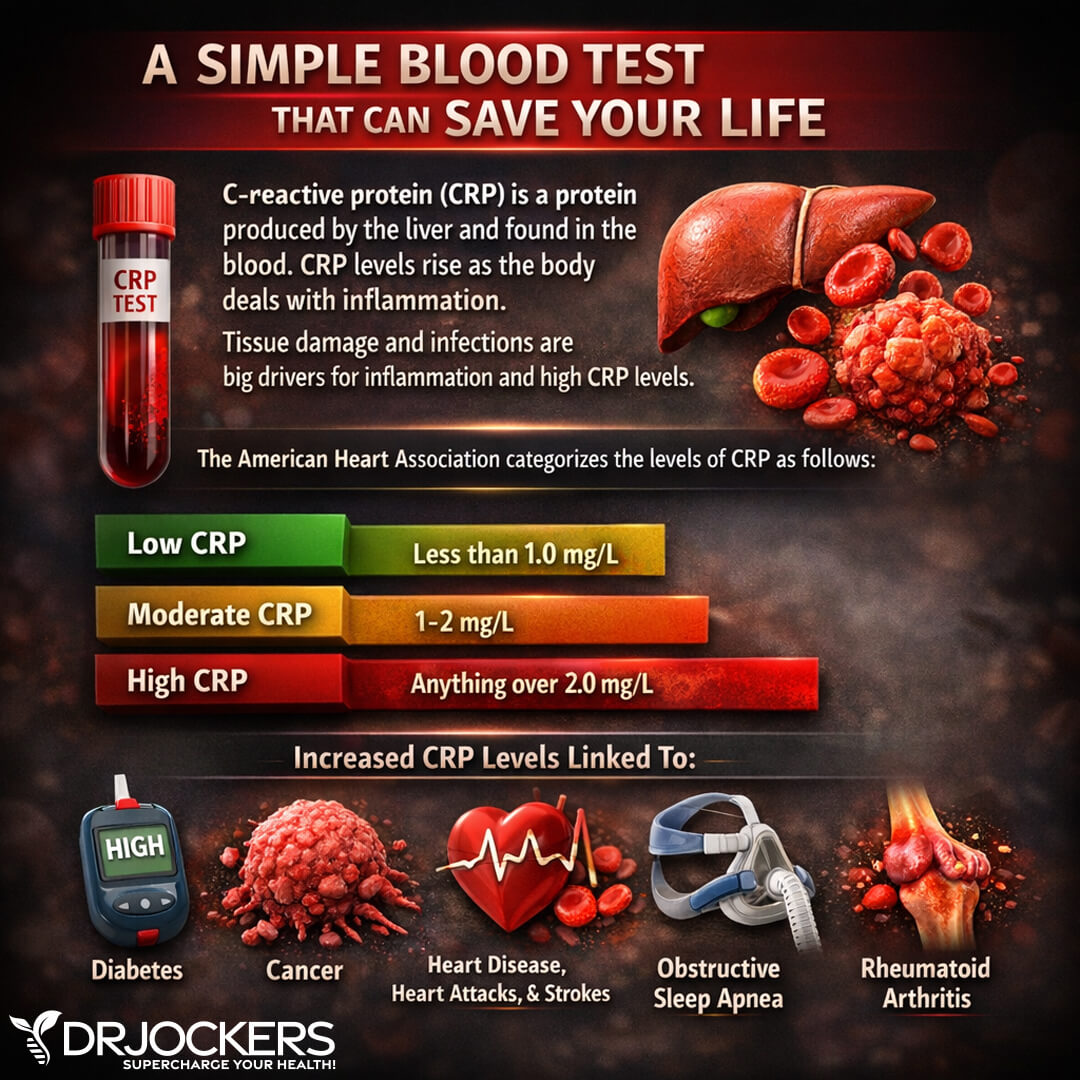
C-reactive protein (CRP) is a general lab test marker of inflammation in the body. It’s produced by the liver in response to inflammatory signals, often triggered by high visceral fat, infections, or a high toxic load. Visceral fat, in particular, releases inflammatory cytokines like interleukin-6 and TNF-alpha, which signal the liver to produce CRP.
Elevated CRP (above 2 mg/L) is a strong predictor of increased risk for chronic diseases, including heart disease, cancer, diabetes, Alzheimer’s, Parkinson’s, and fatty liver disease. Chronic infections, such as periodontal disease or improperly treated root canals, can also contribute to elevated CRP.
Optimal C-Reactive Protein Range:
Your CRP level should be under 2 mg/L, and ideally, under 1 mg/L. To ensure an accurate reading, avoid strenuous exercise the day before your blood test, as intense physical activity can temporarily elevate CRP, leading to a false positive.
6. Cortisol:DHEA Ratio: Stress Resilience Level
The cortisol to DHEA ratio is a critical lab test biomarker for assessing an individual’s physiological response to chronic stress. Cortisol, often termed the “stress hormone,” is produced by the adrenal glands to mobilize energy, increase blood glucose, and suppress non-essential functions during a fight-or-flight response.
Conversely, dehydroepiandrosterone (DHEA) acts as a cellular buffer. It counters the catabolic, tissue-breaking effects of cortisol by promoting tissue repair, supporting immune function, and enhancing anabolic vitality.
In a healthy individual, these two hormones maintain a dynamic equilibrium. However, prolonged psychological or physical stress disrupts this balance.

Initially, stress drives both cortisol and DHEA levels upward. Over time, the adrenal glands struggle to sustain DHEA production, causing its levels to plummet while cortisol remains elevated. This shift results in a high cortisol to DHEA ratio.
A persistently elevated ratio signifies systemic catabolism and accelerated aging. Clinically, it manifests as chronic fatigue, insulin resistance, abdominal weight gain, weakened immunity, and cognitive decline.
Monitoring this hormonal relationship allows healthcare providers to look beyond isolated hormone levels. It offers a comprehensive view of neuroendocrine health, guiding targeted interventions like lifestyle modifications, stress management, and adaptogenic support to restore metabolic harmony.

Optimal Range for Cortisol:DHEA Ratio:
Optimal (0.03 to 0.07) shows strong anabolic dominance and robust stress adaptation.
Moderate (0.07 to 0.14) points to an intermediate load or early signs of shifting stress reserves.
High (> 0.14) suggests catabolic overload, chronic stress, or suppressed immune function.
Low (< 0.02) may indicate severe adrenal suppression or unusual hormonal shifts

Comprehensive Blood Analysis
To check for these health markers, I recommend a Comprehensive Blood Analysis (CBA). This is the most detailed blood test that looks at all of these markers of inflammation. This test is more sophisticated than most conventional doctors are able to order.
It examines all parameters for inflammation, blood sugar levels, thyroid function, zinc and copper ratio, vitamin A and D levels, a complete metabolic panel, complete blood count, liver function, nutrient deficiencies, and more. I recommend getting the Comprehensive Blood Analysis done regularly both as a preventative measure and to monitor your inflammation levels and progress.

If any of these critical lab test markers are outside their optimal ranges, the good news is that significant improvements are often achievable through targeted dietary and lifestyle interventions. These foundational changes collectively impact all five areas:
- Blood Sugar Stabilizing Diet: Prioritize high-quality protein (30-50 grams per meal) from sources like grass-fed, organic animal products, healthy fats (extra-virgin olive oil, avocados, grass-fed butter, pasture-raised eggs, beef tallow), and a wide array of colorful fruits and vegetables. This approach helps regulate blood sugar, reduce insulin spikes, and promote fat burning.
- Intermittent Fasting: Incorporating intermittent fasting, such as an 8-hour eating window and 16-hour fasting period, allows your body to repair, switch to fat-burning mode, and reduce insulin levels.
- Nutrient Repletion: Focus on obtaining ample B vitamins through your diet, especially from grass-fed organ meats and other animal products, and leafy greens (folate). Consider using apple cider vinegar diluted in water before meals to enhance stomach acid production and improve B12 absorption.
- Regular Movement & Exercise: Engage in a combination of strength training (to build muscle, which improves metabolic health) and regular, moderate physical activity. Remember to avoid intense workouts before blood tests for accurate CRP readings.
- Prioritize Sleep & Stress Management: Chronic stress and poor sleep quality significantly impact metabolic health and inflammation. Implement strategies for stress reduction and ensure consistent, restorative sleep.
- Address Infections & Toxicity: If lifestyle changes aren’t sufficient, consider working with a functional health practitioner to investigate underlying issues like chronic infections (e.g., oral health, gut dysbiosis) or high toxic load (e.g., heavy metals, environmental chemicals). They can guide you through targeted detoxification and remediation strategies.
By proactively monitoring and addressing these five essential lab tests, you gain a powerful understanding of your body’s metabolic landscape. This knowledge empowers you to make informed decisions that support optimal heart and brain health, enhance fat-burning capabilities, and pave the way for a longer, healthier, and more vibrant life.

Conclusion
While traditional medical approaches often focus on treating symptoms, a preventative and proactive stance on health involves delving deeper into the body’s intricate biochemical pathways.
Fasting insulin, HbA1C, triglycerides to HDL ratio, homocysteine, and C-reactive protein are not just numbers; they are powerful indicators of your current metabolic state and future health trajectory.
By working with a knowledgeable healthcare provider and committing to a nutrient-dense diet, consistent movement, and restorative lifestyle practices, you can optimize these markers and unlock your full potential for lasting health and longevity.
If you want to work with a functional health coach, I recommend this article with tips on how to find a great coach. We offer long-distance functional health coaching programs. For further support with your health goals, just reach out and our fantastic coaches are here to support your journey.

Inflammation Crushing Ebundle
The Inflammation Crushing Ebundle is designed to help you improve your brain, liver, immune system and discover the healing strategies, foods and recipes to burn fat, reduce inflammation and Thrive in Life!
As a doctor of natural medicine, I have spent the past 20 years studying the best healing strategies and worked with hundreds of coaching clients, helping them overcome chronic health conditions and optimize their overall health.
In our Inflammation Crushing Ebundle, I have put together my very best strategies to reduce inflammation and optimize your healing potential. Take a look at what you will get inside these valuable guides below!




I wish doctors would discuss the misery of high DHEA-S in a female. It seems to be always assumed the cortisol gets high, but in some of us, it is the DHEA-S causing the issues.