

 The Nighttime Metabolic Reset for Stubborn Fat Loss
Are you diligently counting calories, hitting the gym regularly, and maintaining a clean diet, yet still struggling with stubborn belly fat? The frustrating truth might not lie in what you’re eating, but when you’re eating it, and the subtle hormonal shifts occurring in the hours before you sleep.
This deep dive reveals how your evening habits could be the silent driver of persistent visceral fat and outlines actionable changes you can implement today for a powerful metabolic reset. I will also review a 3-day dinner experiment to unlock fat loss.
The Hidden Culprit: Nighttime Insulin and Visceral Fat
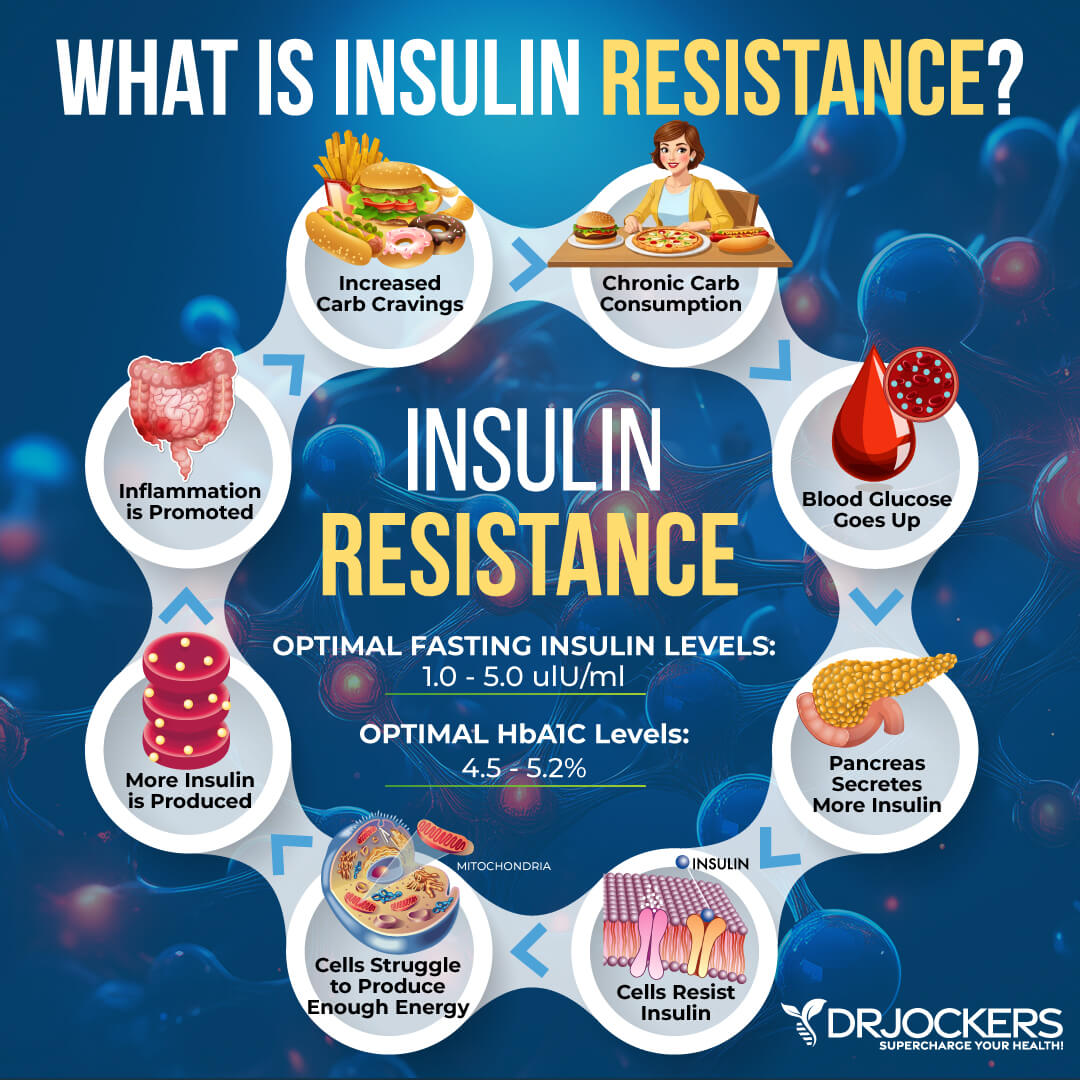
Many individuals unknowingly sabotage their fat loss efforts by consuming foods before bed that keep insulin levels elevated for prolonged periods overnight. While carbohydrates and calories are often blamed, the real villain is chronically elevated nighttime insulin.
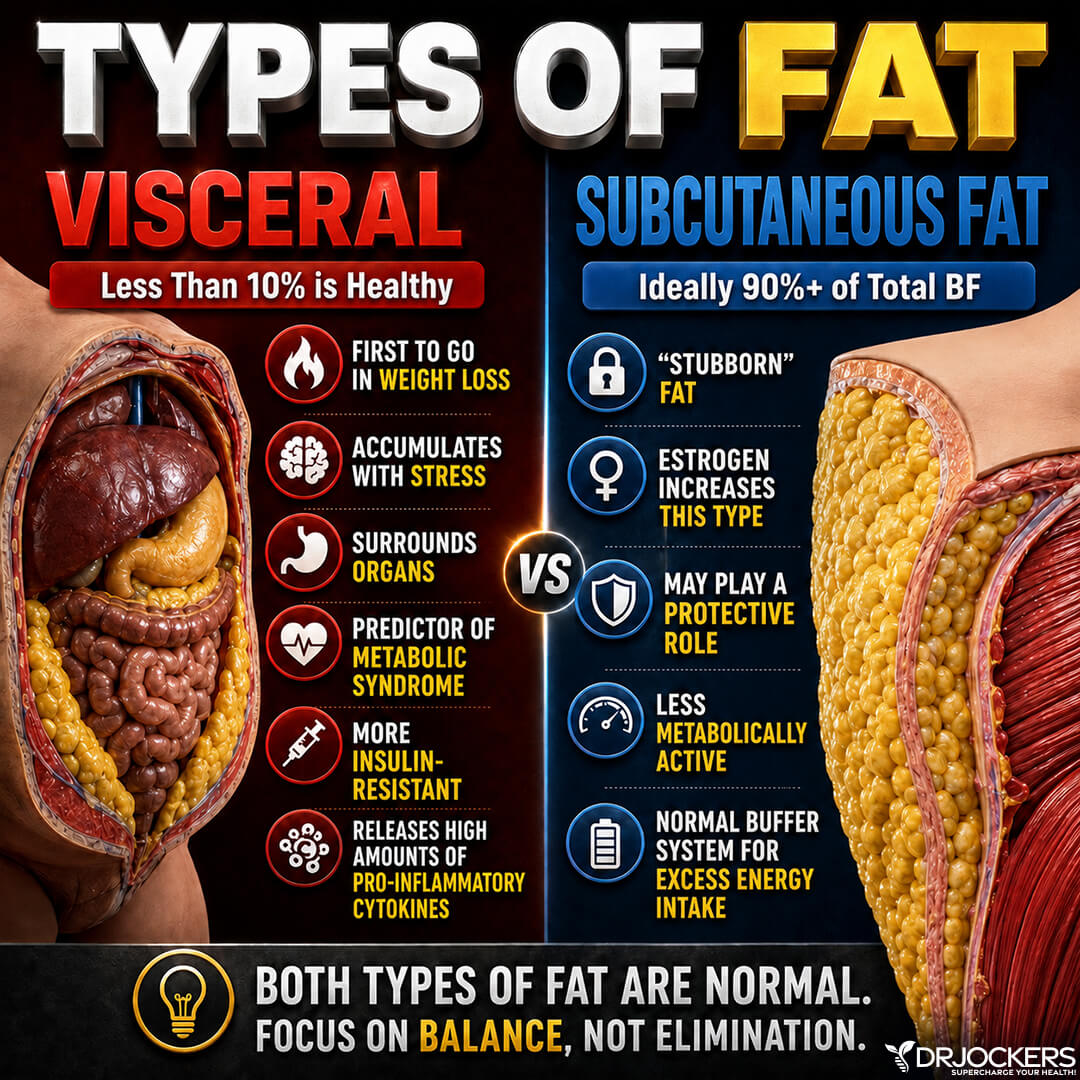
Visceral fat, the dangerous fat surrounding vital organs like the kidneys, heart, pancreas, and liver, is particularly sensitive to insulin. When insulin remains high overnight, the body remains in a continuous storage state, preventing fat from being accessed for energy.
The night is precisely when the body is designed to shift into crucial repair, detoxification, and fat metabolism cycles, but only when insulin drops sufficiently.
Normal overnight physiology includes a surge in growth hormone, increased melatonin production, and a deep repair cycle. Each of these essential processes is suppressed by elevated insulin, confirming that consistently high insulin levels physiologically prevent fat cells from releasing stored energy during sleep.
In order to get the proper fat loss signals at night, you need to be in a lower insulin state. Otherwise, fat loss will stall and deep healing will suffer.
A Client’s Breakthrough
Consider the case of Heather, a client who, despite meticulous clean eating, daily exercise, stress management, over eight hours of sleep, and even advanced wellness therapies like OMPic and infrared sauna, couldn’t shed the extra 10 pounds gained in her early 40s. A review of her food journal revealed a critical error: a seemingly innocuous habit elevating her nighttime insulin.
Once this single issue was addressed, Heather swiftly reached her ideal weight within six weeks. Beyond fat loss, she experienced profound improvements in sleep quality, energy levels, resolution of bloating and acid reflux, and enhanced strength and endurance in the gym.
The Unseen Input: Light’s Role in Metabolism
While we meticulously track food intake, few consider the profound impact of light exposure on cellular metabolism. Light acts as biological information for every cell, guiding the body’s 24-hour internal clock, known as the circadian rhythm. Just as food provides fuel, light serves as the primary timing signal.
Every cell, from gut to liver, pancreas, muscle, and fat tissue, possesses an internal clock that takes its cues from light. Correct light signals synchronize these clocks, ensuring timely insulin release, optimal fat metabolism, and efficient cellular repair overnight.
Conversely, disrupted light signals—such as exposure to bright screens, blue light in the evening, or insufficient morning sunlight—throw these clocks out of sync. The metabolic consequences closely mirror those of consuming inappropriate foods at the wrong times.
Blue Light: A Nighttime Metabolic Disruptor
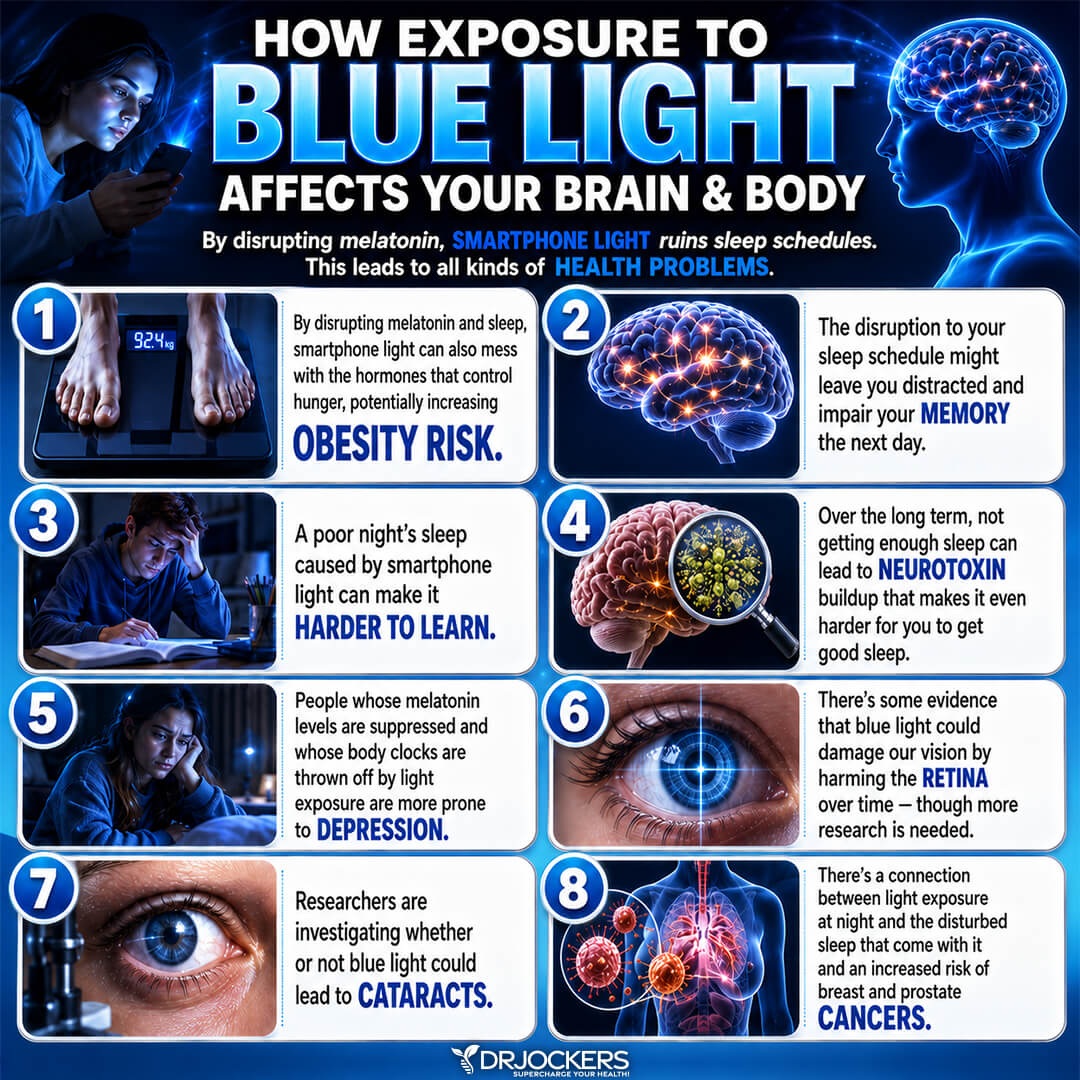
Blue light from screens and artificial lighting actively suppresses melatonin, the hormone signaling the body to enter repair and fat metabolism mode. Research published in PNAS demonstrated that even moderate light exposure during sleep elevates next-morning insulin resistance in healthy adults, independently of sleep quality.
Furthermore, a clinical study revealed that wearing blue light-blocking glasses for a month significantly improved fasting blood glucose, insulin resistance markers, and sleep quality. This underscores the importance of minimizing blue light exposure after dark.
Evening light enriched with blue wavelengths has been shown to increase insulin resistance markers and produce higher peak blood glucose responses to meals. This means the identical meal eaten in a brightly lit room at night imposes a greater hormonal burden than if consumed in a dimly lit environment – a key finding in Heather’s case.
Large population studies link nighttime light exposure during sleep to a 50-60% higher risk of developing type 2 diabetes, establishing nighttime light as an independent metabolic risk factor, not merely a sleep inconvenience.
Harnessing Morning Sunlight for Metabolic Health
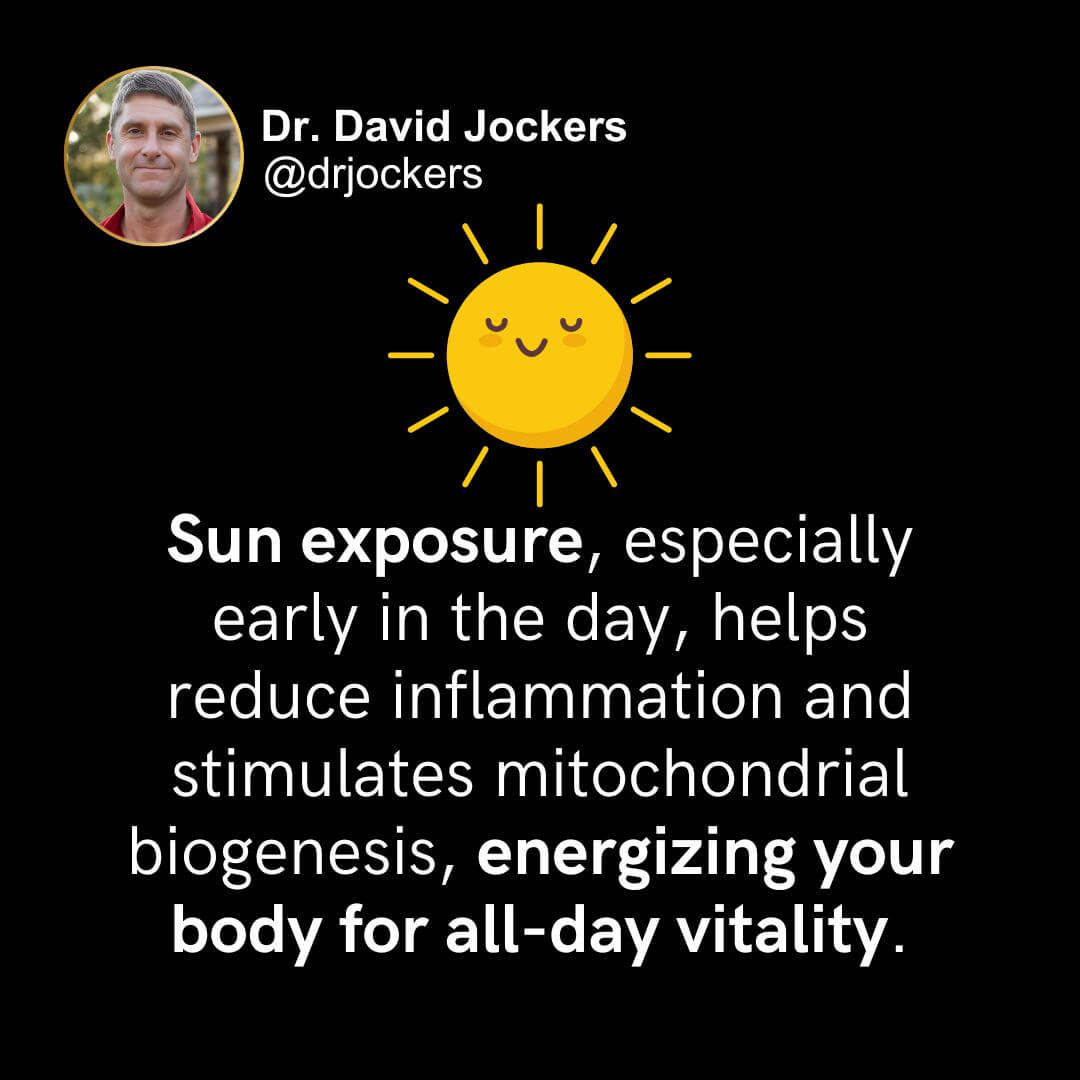
Conversely, morning sunlight is a powerful metabolic input. It anchors the circadian clock, which governs insulin sensitivity, cortisol timing, melatonin production, and overall overnight metabolic function throughout the day.
Bright morning light therapy has been shown to improve carbohydrate metabolism and support fat loss, not through caloric burning, but through hormonal timing.
The mitochondria, the energy powerhouses within every cell, are directly sensitive to light. They adjust their energy output according to the light-dark cycle. A properly aligned circadian clock ensures efficient mitochondrial energy production, optimal insulin signaling, and a smooth shift into overnight fat metabolism.
Disruption by artificial light at night or insufficient morning light mistimes mitochondrial function, leading to fatigue, metabolic dysfunction, and impaired fat metabolism, irrespective of dietary changes.
Practical Light Rules for Overnight Fat Metabolism
To optimize your metabolic clock and support overnight fat burning, integrate these practical light strategies:
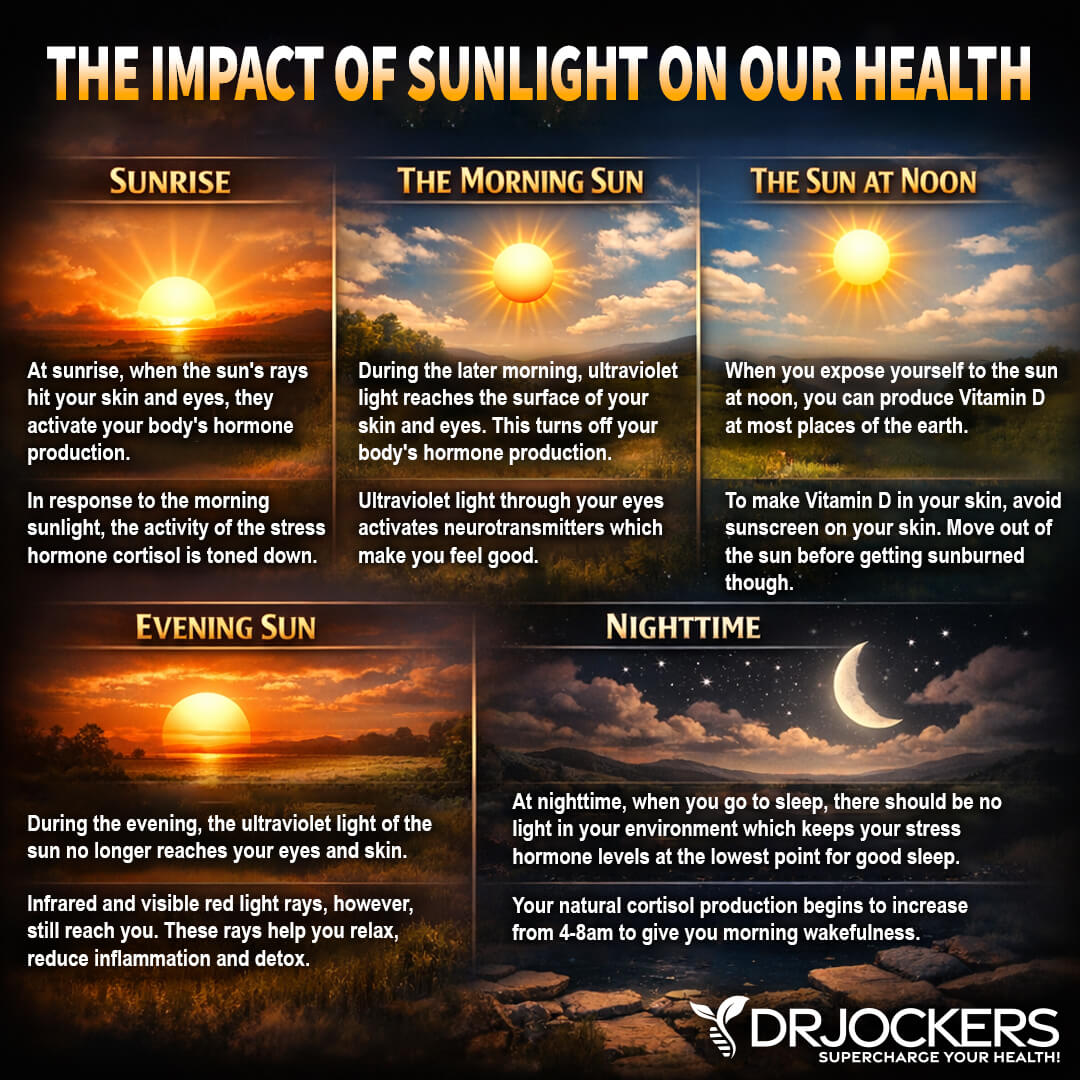
- Morning Sunlight: Within the first hour of waking, get outdoor light exposure. Even on an overcast day, natural outdoor light is significantly brighter than indoor lighting and delivers a critical circadian signal that screens cannot replicate.
- Evening Dimming: At least 60-90 minutes before bed, begin reducing overhead lighting and screen brightness. Dimming lights in your home allows melatonin to rise naturally, preparing your body for its overnight metabolic and repair cycles.
- Block Blue Light: Wear amber or red-tinted blue light blocking glasses in the evening. These filter the specific wavelengths that suppress melatonin and drive insulin dysregulation at night.
- Sleep in Darkness: Ensure complete darkness in your bedroom. Even low levels of ambient light during sleep can impair next-morning insulin sensitivity by disrupting melatonin release.
Consider light as a second dietary input. What your cells are exposed to in the morning sets the hormonal tone for the day, and what they experience at night dictates whether your body’s essential overnight metabolic shift can occur.

The Impact of Late-Night Meals on Insulin Sensitivity
Insulin sensitivity naturally declines in the evening, making the body more resistant to insulin at night than during the day. This means the same meal consumed in the morning versus at night will elicit dramatically different hormonal responses.
The pancreas becomes less efficient at managing glucose in the evening, making visceral fat particularly reactive to anything eaten later in the day. This explains why belly fat is so stubborn, yet also why it responds relatively quickly to consistent, correct signals. If you want to improve fat loss, you have to send your cells the proper signals.
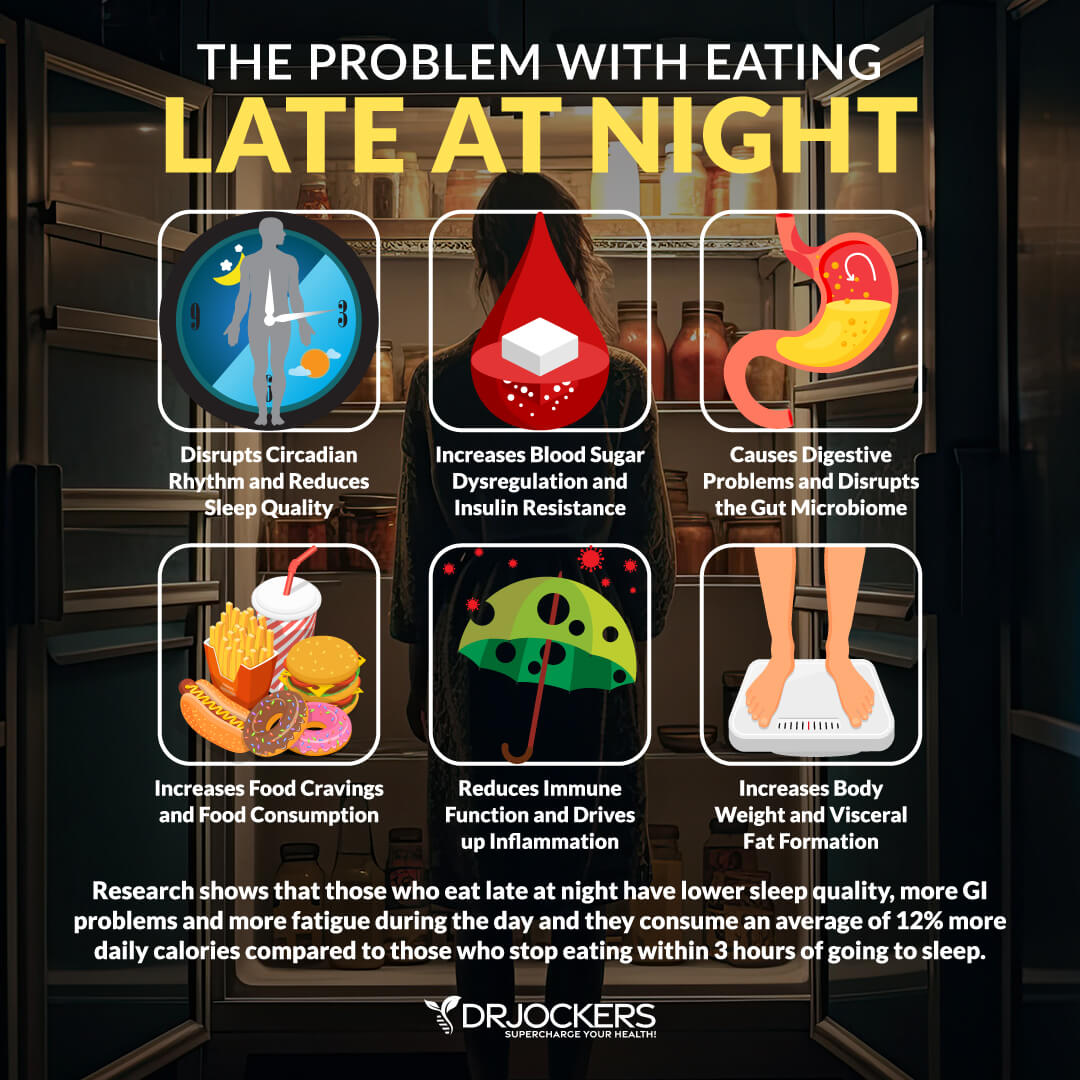
Nighttime Glucose Spikes and Sleep Disruption
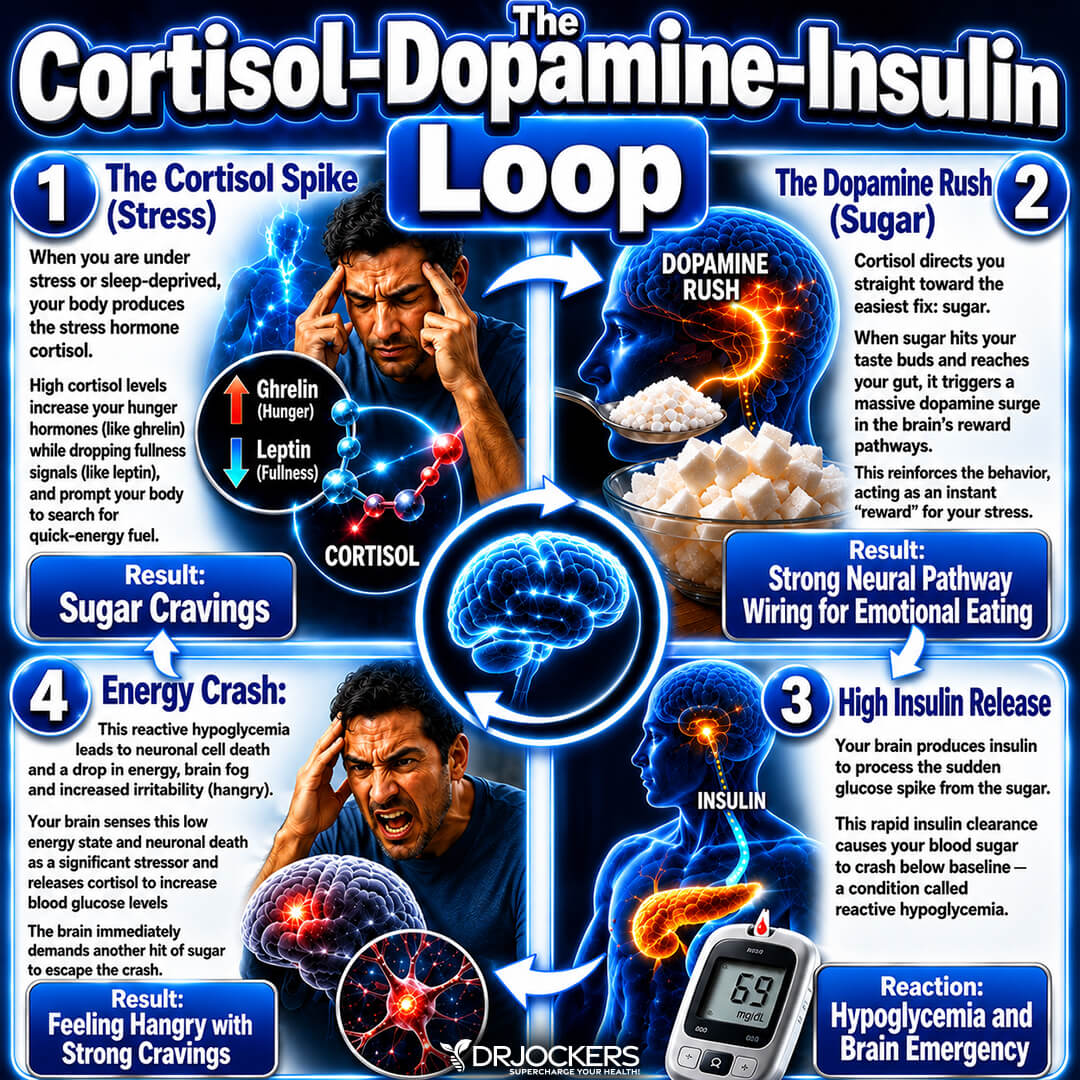
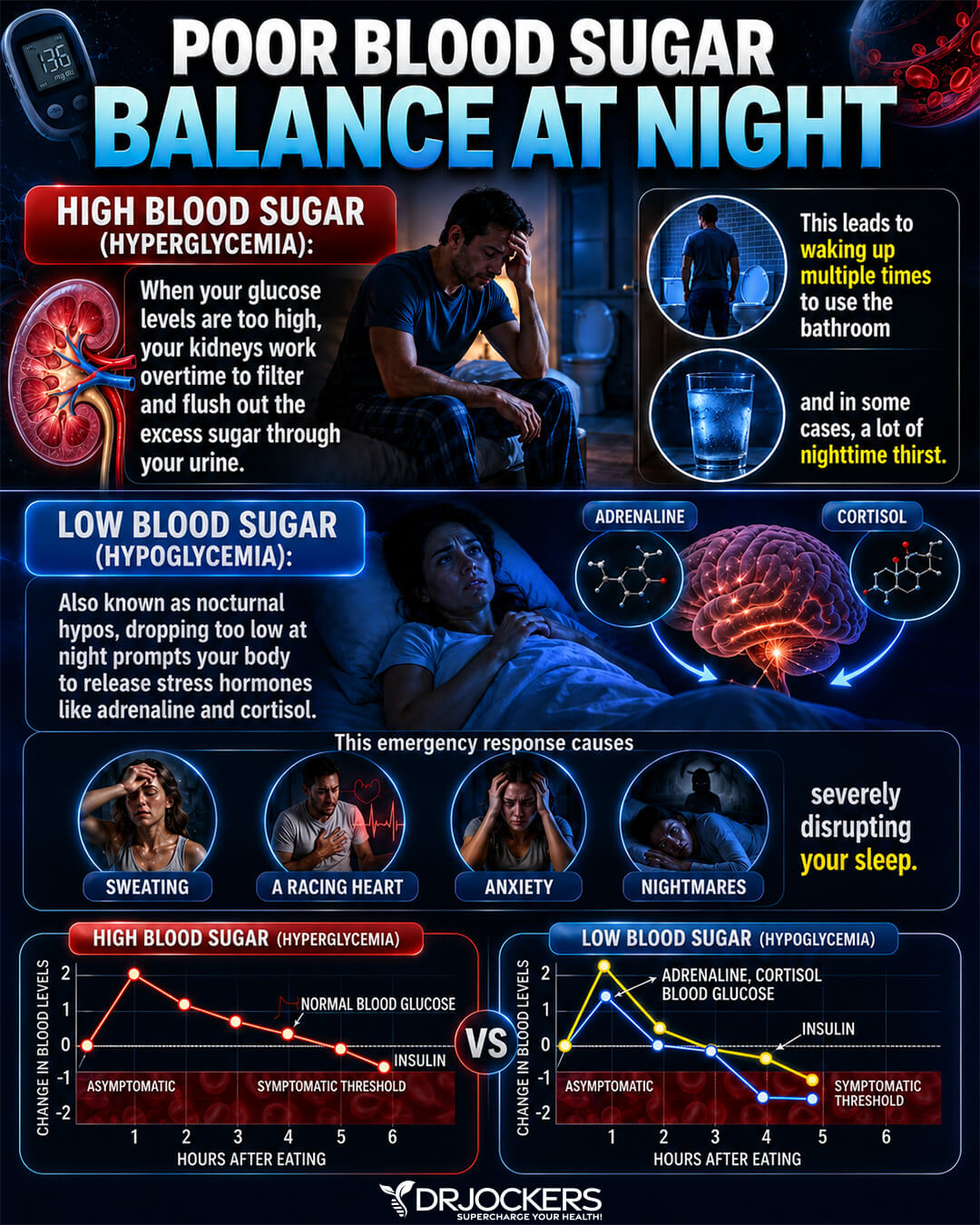
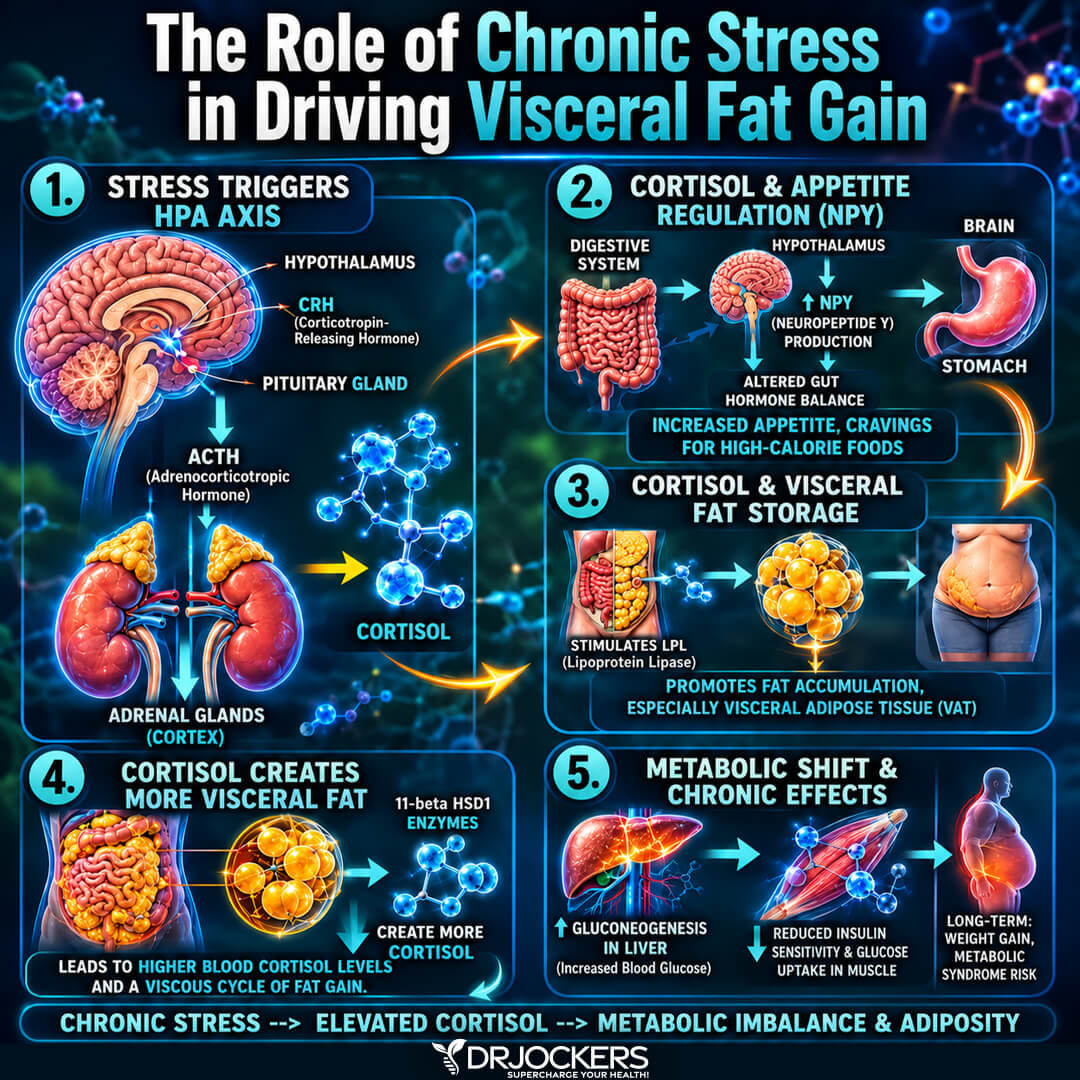
When carbohydrate-heavy meals are consumed at night, glucose levels spike, triggering insulin release to clear excess sugar. As insulin effectively removes glucose, blood sugar can drop sharply, prompting the body to release cortisol to stabilize it.
This cortisol surge, which typically occurs in the early morning hours, activates the sympathetic nervous system, fragments sleep, and shifts the body into a stress and storage-oriented state rather than repair.
Individuals who repeatedly wake between 2-3 AM feeling alert and restless, despite being tired, often experience this hormonal sequence. Sleep studies confirm that even minor overnight glucose fluctuations increase awakenings, disrupt sleep architecture, and reduce overall sleep quality.
Crucially, sleep restriction reduces fat loss by over 50% in calorie-controlled studies, underscoring that the hormonal environment, not just calorie count, dictates metabolic outcomes.
Common Nighttime Offenders: Foods to Avoid
Foods most commonly consumed at night that drive insulin elevation include:
- Pasta and rice bowls
- Tacos and burritos
- Granola and cereal
- Sweeteners like honey in tea or desserts
- Ice cream
- High-carbohydrate protein bars
These foods are often low in fiber, consumed quickly, and eaten while distracted or stressed, all of which amplify the hormonal response.
The 3-Day Dinner Experiment: A Metabolic Shift
To initiate a metabolic reset, try this three-day dinner experiment:
Shift your evening meal to be high in protein, moderate in healthy fats, and rich in low-glycemic vegetables. Here are some examples:
- Wild salmon cooked in butter with asparagus, seasoned with herbs and salt.
- Grass-fed ground beef lettuce wraps with sliced avocado.
- Eggs cooked in butter with avocado.
- Turkey thighs with roasted asparagus and a tahini or olive oil drizzle.
Key Modifications:
- Eliminate bread, rice, pasta, sugary sauces, and dessert from your evening meal.
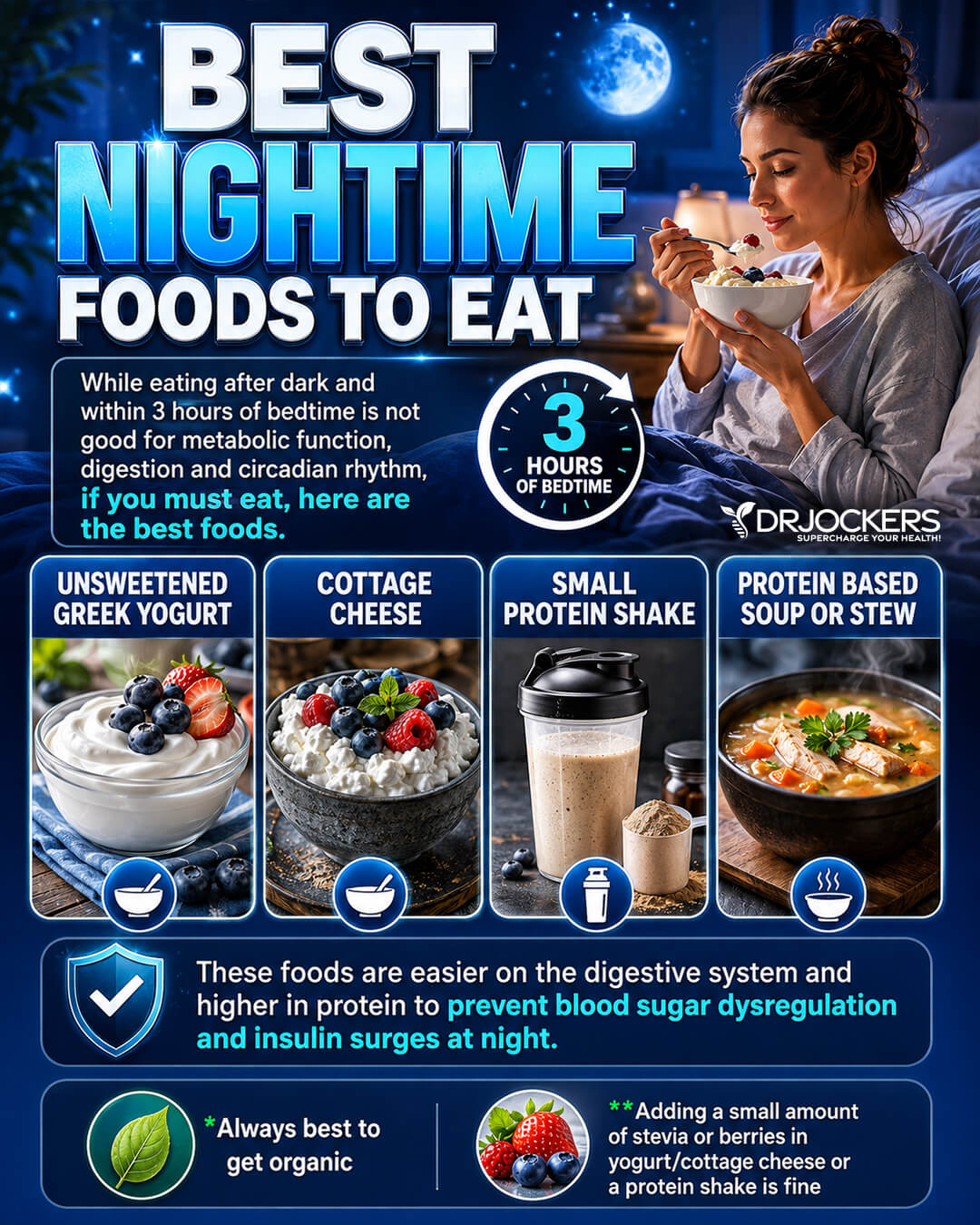
- Consume your final meal at least three hours before bedtime to allow insulin to decline before sleep onset.
- If you really need to eat closer to bedtime a good option would be unsweetened Greek Yogurt with flavored collagen peptides and berries (berries are optional).
Tracking Your Progress
Before starting, measure baseline markers to objectively track progress:
- Waist circumference
- Ring tightness
- Frequency of nighttime awakenings
- Morning hunger levels
- Resting heart rate
Within 72 hours, many individuals notice a flatter lower abdomen, reduced morning bloating, fewer nighttime wakeups, a lower resting heart rate, and more stable daytime energy.
Optimize Digestion for Protein-Rich Dinners
Some individuals transitioning to a high-protein dinner might experience bloating or discomfort. This is typically a digestion issue, not a problem with the strategy itself. Inefficient protein breakdown can lead to undigested food sitting in the gut, slowing digestion, activating stress signals, and elevating cortisol.
Given that visceral fat has significantly more cortisol receptor sites, it is highly sensitive to cortisol-driven fat accumulation.
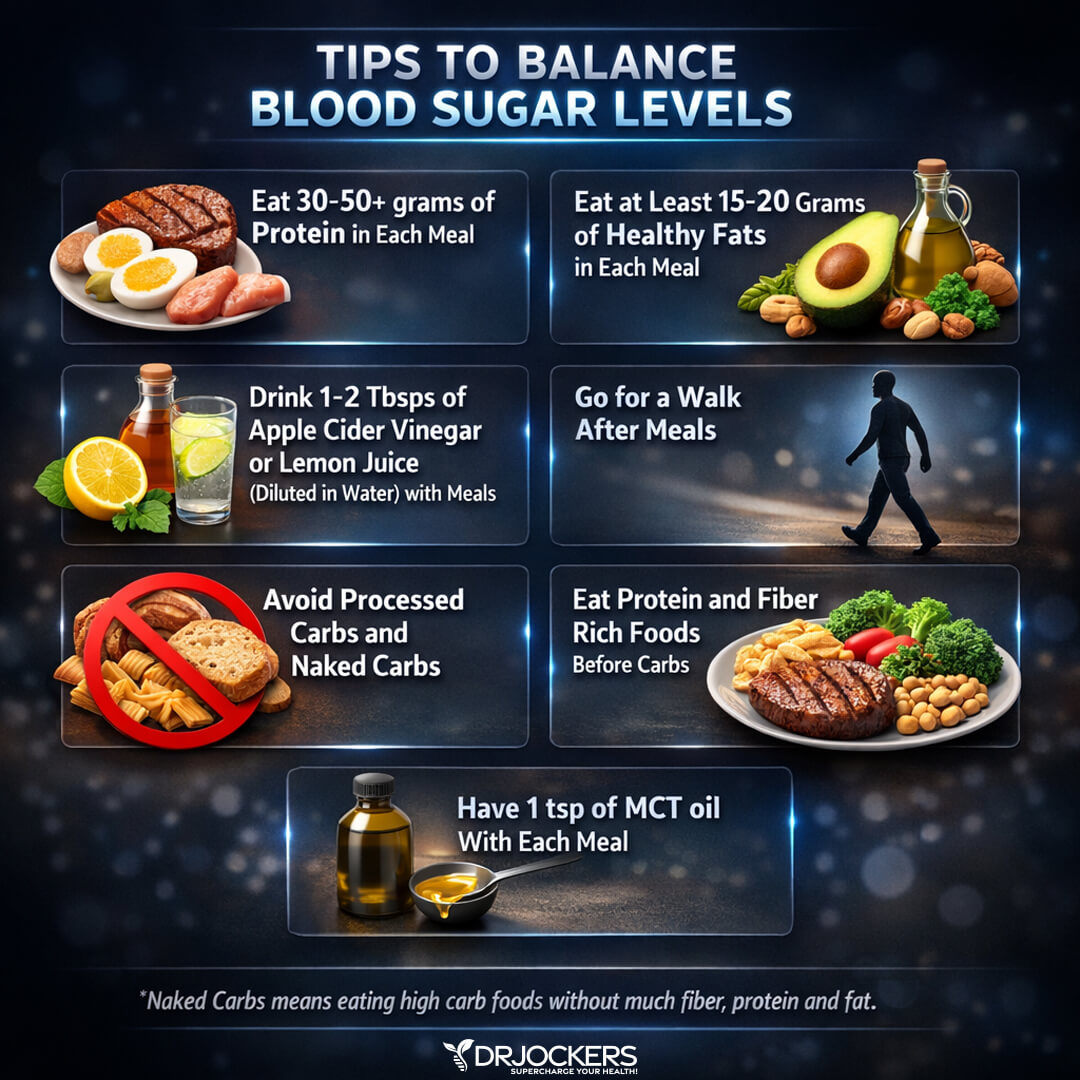
To support digestive efficiency when making this dietary switch, incorporate 1 teaspoon of apple cider vinegar in 4 ounces of water 5-10 minutes before your meal.
Apple cider vinegar activates the vagus nerve, which stimulates the production of stomach acid, bile, and digestive enzymes crucial for robust protein digestion. This simple trick, combined with the other recommendations, was instrumental in Heather’s success.

My Favorite Brand
My favorite apple cider vinegar brand is Lucy’s Family Owned apple cider vinegar. This is an organic, unfiltered, unpasteurized, raw, and non-GMO brand made from apples from the Pacific Northwest Region of the United States. It is a family owned, founded, and operated business, family-owned, which I love.
It’s sold in glass bottles, which is important to avoid toxicity from plastics. It’s also great for sustainability as the bottles can be reused or recycled, being glass. It is the highest quality apple cider vinegar I have found.

Organic Apple Cider Vinegar Complex
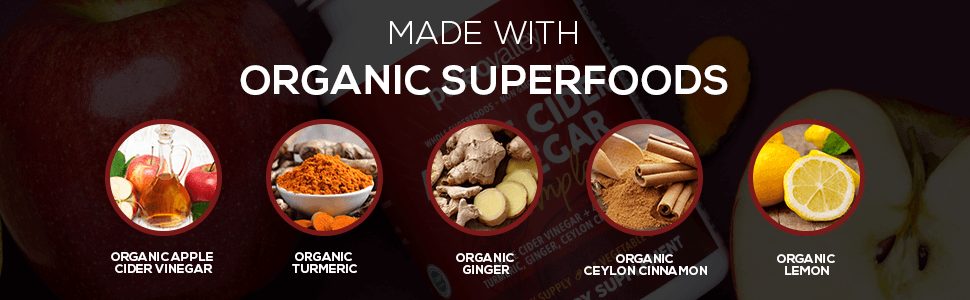
Paleovalley Apple Cider Vinegar Complex makes getting organic apple cider vinegar into your body faster, easier, and without having to tolerate the taste. Apple Cider Vinegar Complex is a one-of-a-kind organic supplement made from dried organic apple cider vinegar – plus other organic blood sugar supporting ingredients like turmeric, ginger, lemon, and Ceylon cinnamon.
Paleovalley’s ACV Complex is a powerful combination of certified organic superfoods to support gut health, normal inflammation, weight management, and normal blood sugar levels. Unlike other similar products, Paleovalley uses all certified organic ingredients in order to minimize the pesticides and herbicides so prevalent in our commercial food supply today.
It’s gently processed in an effort to preserve as many of the unique and fragile nutrients found in apple cider vinegar and these other four superfoods as possible. You can save 15% on Paleovalley’s ACV Complex today by going here

Introducing Glycemic Synergy
One of the most effective supplement combinations I have found to stabilize blood sugar and insulin levels is using berberine and alpha lipoic acid (ALA) together. This is why I formulated Glycemic Synergy. This product optimizes the unique synergy between berberine and ALA to help promote healthy blood sugar and fat burning.
Glycemic Synergy works to help support normal blood sugar metabolism, healthy cardiovascular function, normal lipid metabolism, antioxidative status, and cellular health. Take one capsule per day with a meal or as directed by your healthcare practitioner.

Addressing Common Questions
1. Isn’t fat loss just about calories? Calories matter, but hormones dictate where those calories go. The same caloric intake produces vastly different fat storage outcomes based on the hormonal environment.
Higher cortisol and insulin promote visceral fat and belly fat accumulation, which are linked to increased risks of chronic diseases like diabetes, fatty liver, heart disease, and cancer. Balancing insulin and cortisol is paramount.
2. Can you out-train nighttime insulin? No. While exercise improves insulin sensitivity, it cannot override the hormonal consequences of high-carbohydrate evening meals. You cannot simply exercise your way out of poor evening metabolic habits.
3. Do carbs have to be eliminated forever? No. Timing is key. Carbohydrates are better tolerated earlier in the day when insulin sensitivity is naturally higher. Consume carbohydrates earlier in the day when the sun is out, and avoid them in the hours before bed.
4. Does cortisol play a role?Absolutely. Cortisol and insulin work synergistically to promote fat accumulation. A nocturnal glucose spike triggers a cortisol response, maintaining the body in storage mode rather than repair mode. Balancing cortisol levels is crucial for metabolic health.
5. Do carbs help with sleep? A small amount of carbohydrates might help some individuals fall asleep. However, a large glucose spike typically leads to a blood sugar crash, resulting in a cortisol surge that fragments sleep in the early morning hours.
Focus on protein, healthy fats, and low-glycemic vegetables for dinner. If desired, a small piece of fruit can be added post-meal, after sufficient protein and healthy fats, to potentially aid sleep without causing adverse blood sugar fluctuations.
6. Why does visceral fat respond quickly to changes? Visceral fat is highly metabolically active, boasting a rich blood supply and high receptor density. This makes it exceptionally responsive to both fat-storing signals like insulin and cortisol, as well as signals that reverse the process when beneficial dietary and lifestyle habits are adopted.
Conclusion: Your Body’s Overnight Transformation
What you eat matters, but when you eat it and the signals you send your cells in the hours before sleep may matter even more. Food and light, as two fundamental inputs, are either working in harmony with your overnight metabolism or quietly undermining it.
Align both of these critical factors, and your body will execute its remarkable metabolic processes while you sleep, leading to fat loss and profound and lasting health transformations.
Prioritize optimizing both your evening meal and your light environment. The changes you observe in a week or two can be truly significant.
On our website, we offer long-distance functional health coaching programs. For further support with your health goals, just reach out and our fantastic coaches are here to support your journey.

Inflammation Crushing Ebundle
The Inflammation Crushing Ebundle is designed to help you improve your brain, liver, immune system and discover the healing strategies, foods and recipes to burn fat, reduce inflammation and Thrive in Life!
As a doctor of natural medicine, I have spent the past 20 years studying the best healing strategies and worked with hundreds of coaching clients, helping them overcome chronic health conditions and optimize their overall health.
In our Inflammation Crushing Ebundle, I have put together my very best strategies to reduce inflammation and optimize your healing potential. Take a look at what you will get inside these valuable guides below!


Dr. Jockers health/diet advice posts are always incredible, priceless and empowering to take own health in own hands! THANK YOU!!!
Hello, I am very interested in receiving the references for this article; it’s very important for me and my health. Thank you in advance! Céline
Dr. Jockers health advice posts are always incredible, priceless and empowering to take own health in own hands! THANK YOU!!!
Thank you in advance! Celine