 Top 10 Essential Nutrients for a Balanced Immune System
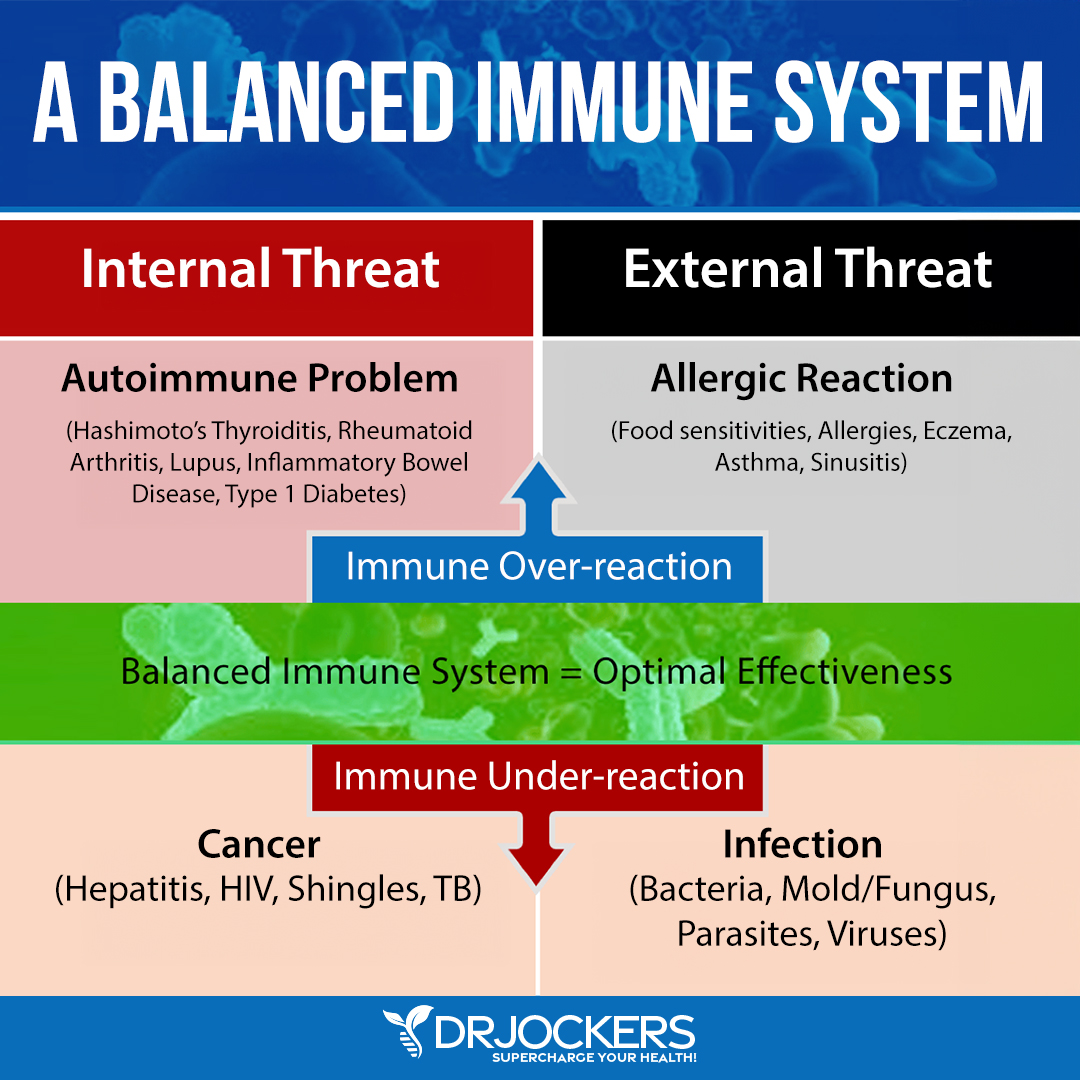
When we talk about immune health, the common refrain is often about “boosting” the immune system. However, true immune optimization isn’t about hyper-activation; it’s about achieving a delicate balance.
A hyperactive immune system can lead to chronic inflammation, autoimmune conditions, and even seasonal allergies, where the body overreacts to benign substances. Conversely, an underactive immune system leaves us vulnerable to frequent infections, viral replication, and a higher risk of diseases like cancer, as the body struggles to regulate abnormal cell growth and trigger apoptosis.
Our goal should be a balanced immune system – one that effectively defends against pathogens without turning against itself. This nuanced approach is often overlooked, even by many medical professionals.
While beneficial herbs like elderberry and echinacea exist, their effects can be variable and, in some cases, might even create imbalances. The focus here is on essential nutrients, largely well-tolerated and designed to modulate, rather than simply stimulate, immune function.
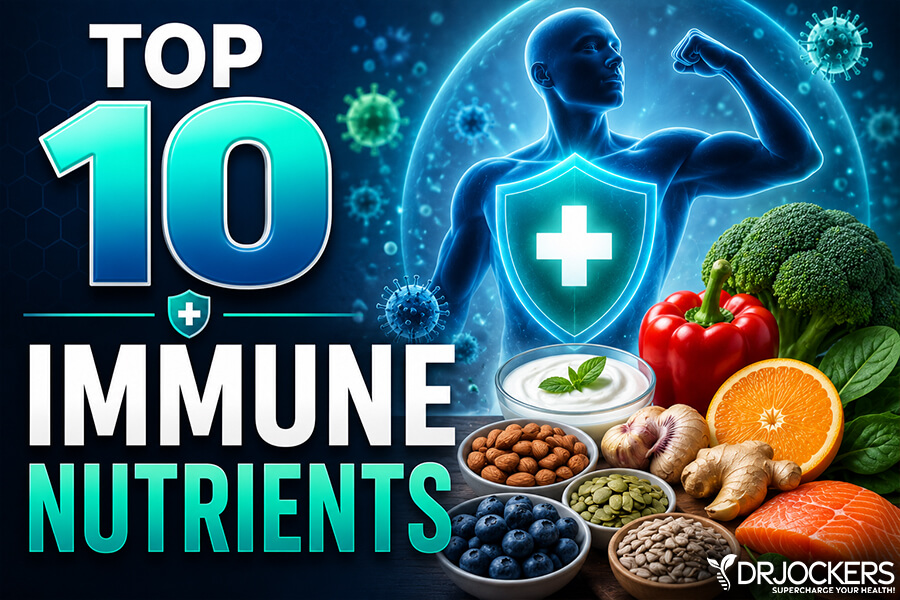
These nutrients ensure that neither the TH1 nor TH2 arms of our cellular immunity become overactive, promoting true systemic harmony. Let’s delve into the top 10 crucial nutrients that support and balance your immune system:
1. Vitamin A: The Mucosal Guardian
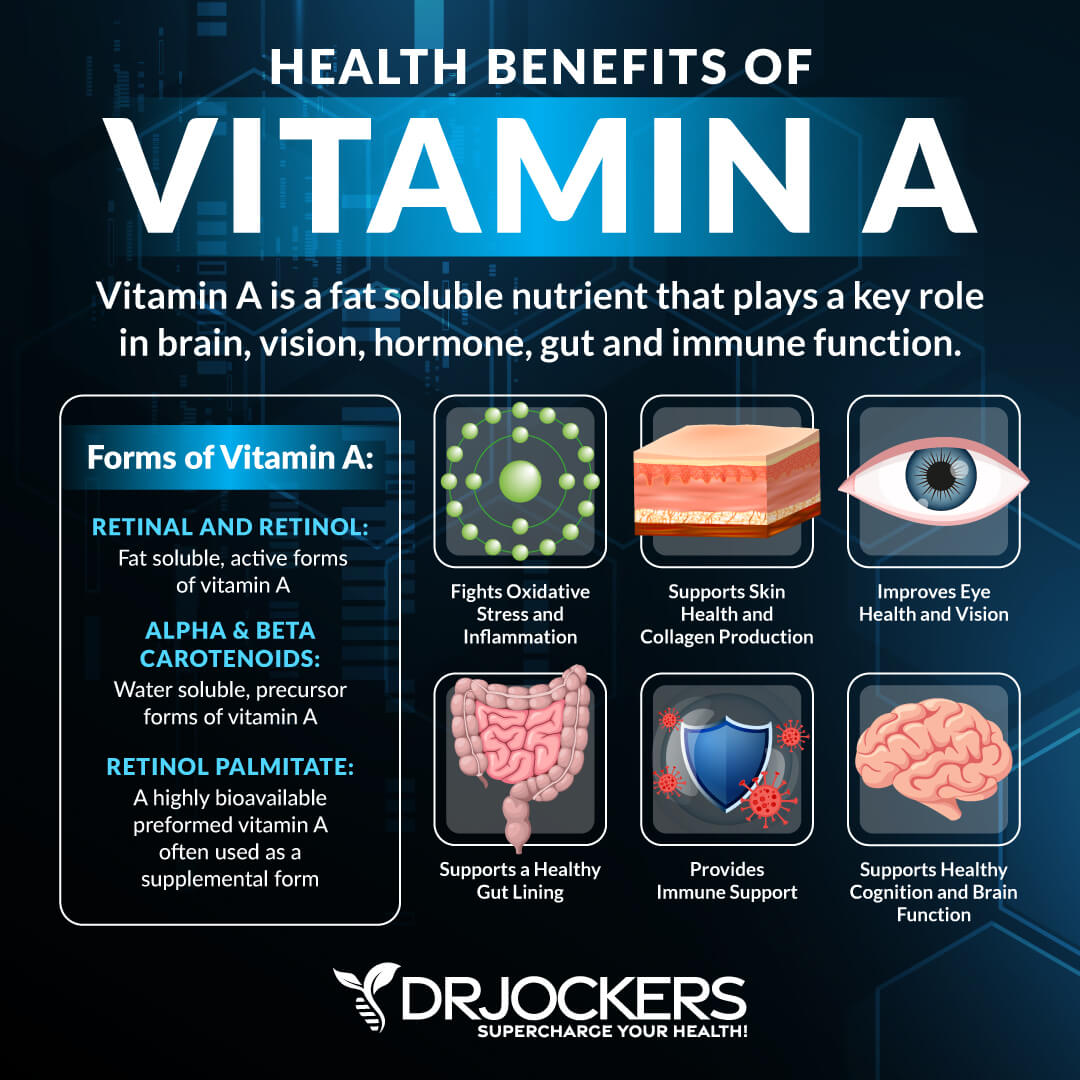
Often underestimated, Vitamin A is paramount for the integrity of our mucosal membranes. These membranes, lining our gut, sinuses, and respiratory tracts, are far more than just “mucus.” They form the primary barrier where 70-80% of our immune system resides.
This epithelial lining contains secretory IgA, our first line of defense against external threats encountered through breathing and eating. Vitamin A is critical for maintaining healthy mucosal membranes and is also essential for the development of both T-cells (cellular immunity) and B-cells (humoral immunity).
2. Vitamin D: The Master Immunomodulator
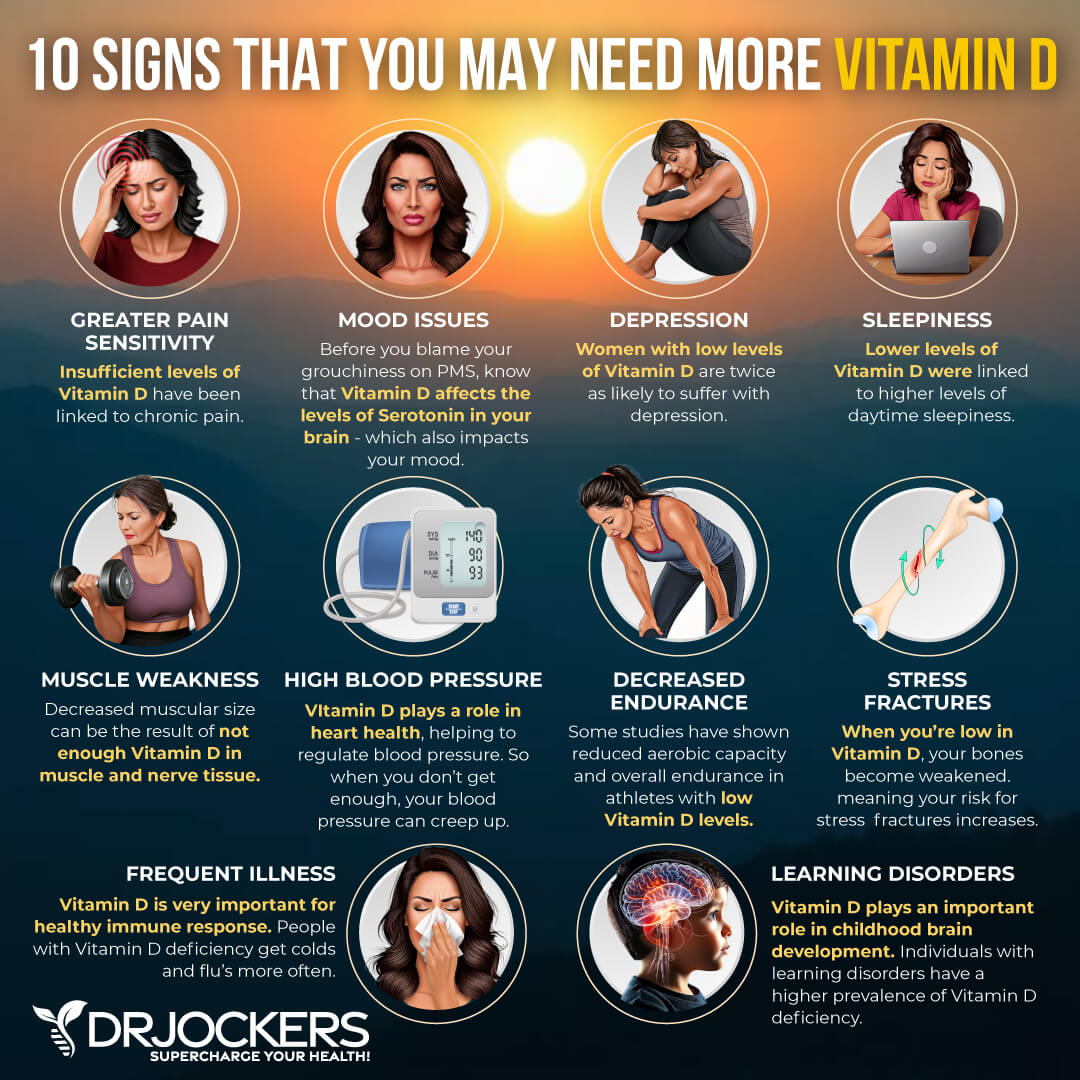
Vitamin D deficiency is a widespread issue, and its impact on immunity is profound. Often referred to as the “master immunomodulator,” Vitamin D is vital for balancing the immune system.
Without optimal levels, the immune system can become underactive, increasing susceptibility to infections and cancer, or it may indiscriminately attack potential threats due to impaired discernment.
Optimal Vitamin D levels are typically between 60 and 100 ng/mL, significantly higher than the standard lab reference range of over 30 ng/mL. To effectively absorb and utilize Vitamin D, co-factors like Vitamin A, magnesium, and zinc are essential. Dosing typically involves around 1,000 IU per 25 pounds of body weight, always taken with food due to its fat-soluble nature.
3. Vitamin K2: The Synergistic Partner
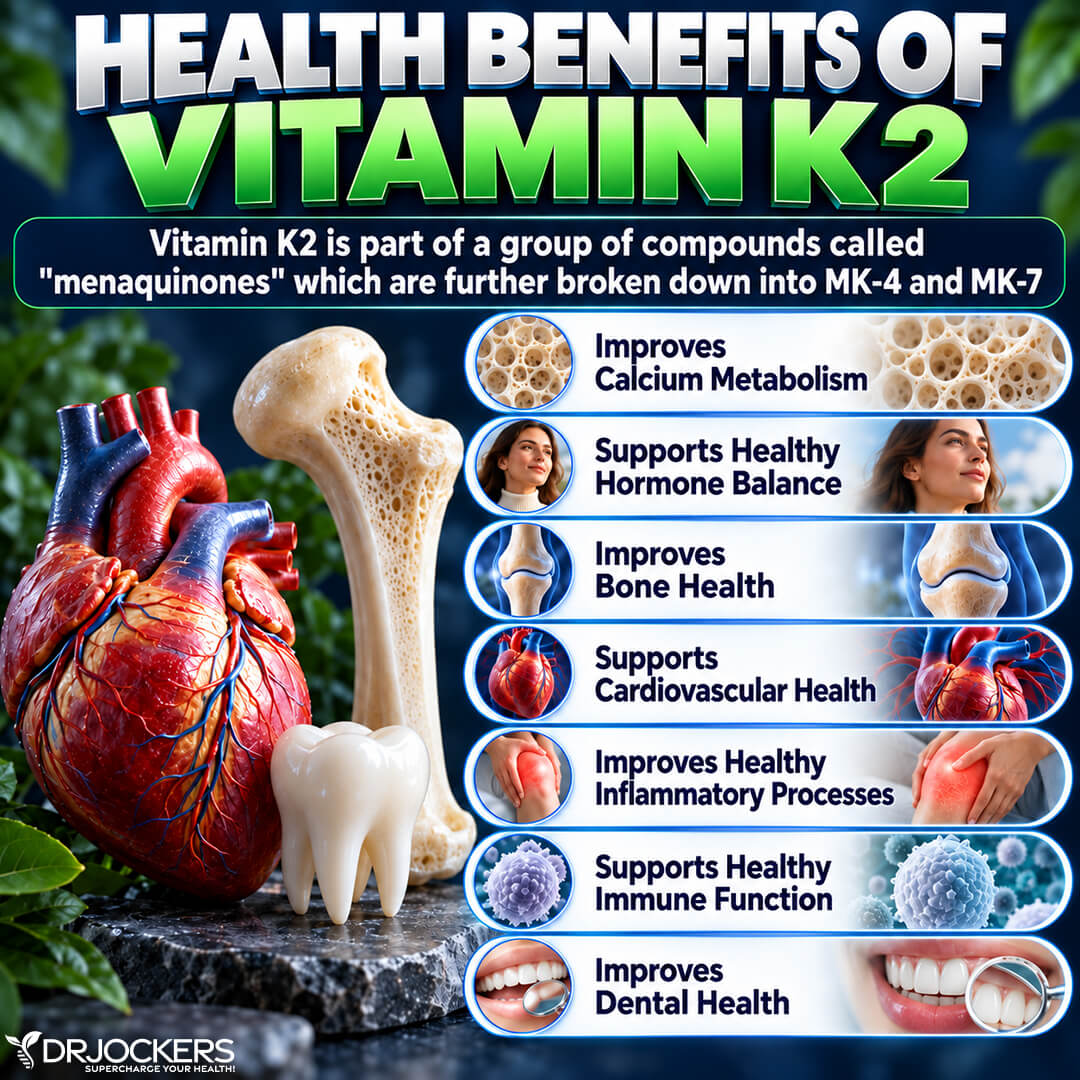
While not directly required for Vitamin D absorption, Vitamin K2 works synergistically with Vitamin D to enhance its immunomodulating effects. Adequate Vitamin K2 ensures that Vitamin D can properly balance immune responses.
Obtaining sufficient K2 from diet alone can be challenging, as it’s primarily found in fermented foods, egg yolks, and grass-fed butter. Therefore, supplementing with K2 alongside Vitamin D is highly recommended.
Beyond immunity, Vitamin K2 is crucial for calcium metabolism, directing calcium into bones and away from soft tissues, thereby preventing calcifications in arteries and joints.
4. Magnesium: The Calming Co-Factor
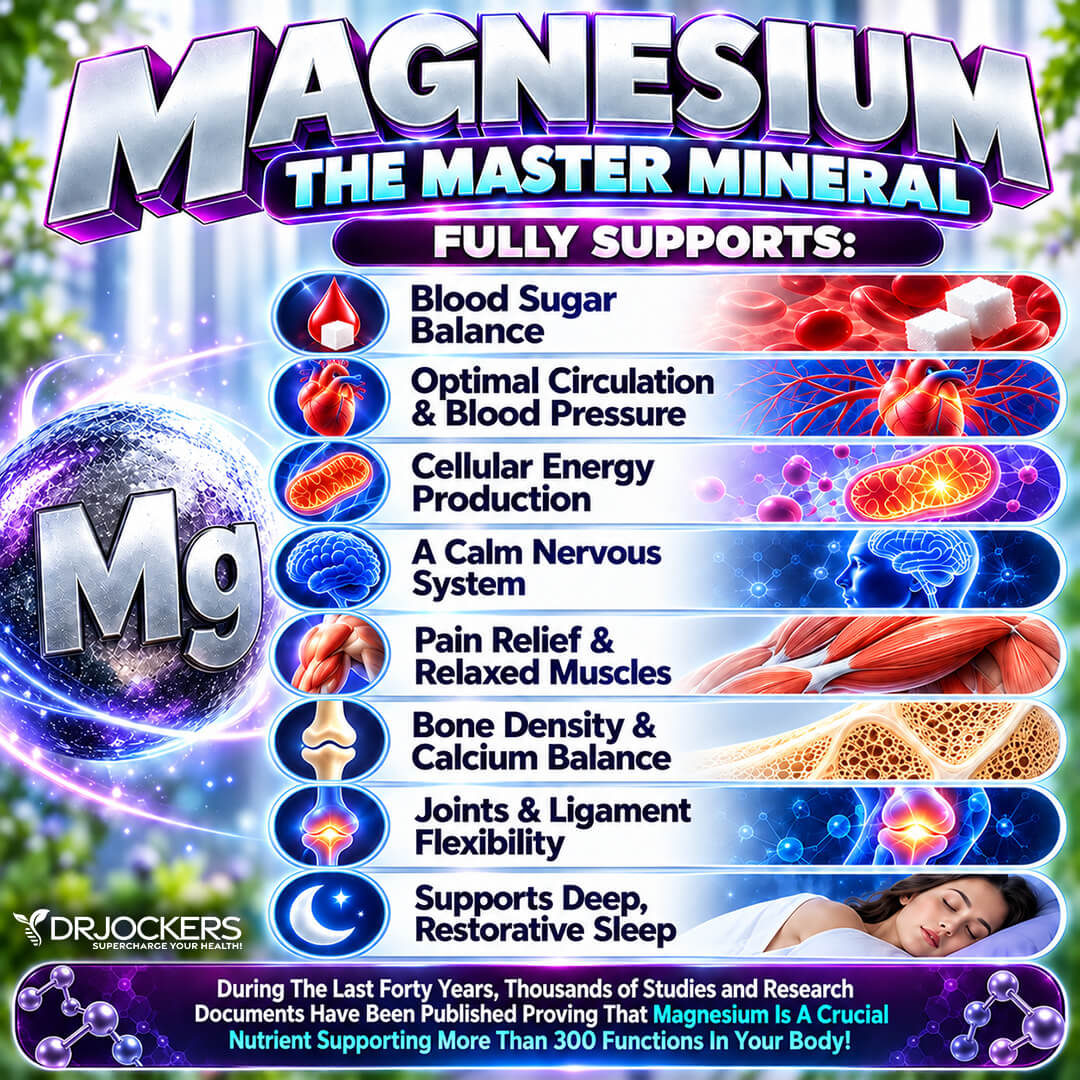
Magnesium is a multifaceted mineral, vital for Vitamin D optimization and calcium metabolism. It also plays a key role in nervous system and muscle relaxation, preventing excess calcium accumulation within cells.
Cellular calcium overload can lead to over-excitement, manifesting as anxiety, depression, insomnia, and muscle cramps. By maintaining optimal intracellular calcium balance, magnesium ensures proper cellular function and overall well-being.
5. Zinc: The Viral Inhibitor
Zinc is a critical nutrient for turning on interferon alpha production, an immune component that effectively stops viral replication. Its role in combating viral infections gained significant recognition during the recent pandemic.
Zinc also supports the development and maturation of T and B cells, enhancing overall immune competence. Furthermore, zinc increases superoxide dismutase within cells, a powerful antioxidant enzyme that reduces oxidative stress, a precursor to chronic inflammation.

6. Vitamin C: The White Blood Cell Protector
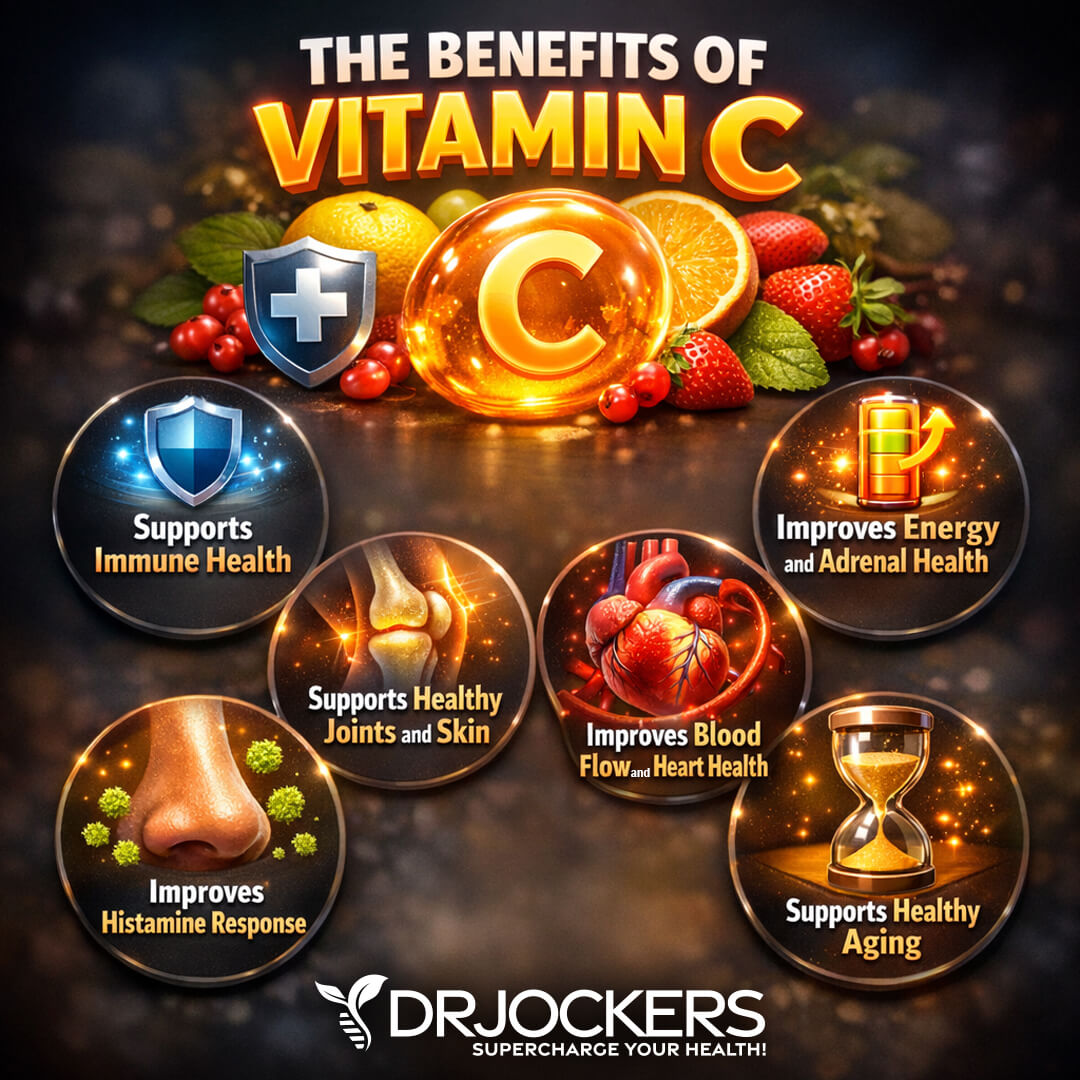
Vitamin C is renowned for its immune benefits, including increasing the production of interferon beta. It acts as a crucial antioxidant, protecting white blood cells from oxidative stress during their fight against pathogens, thus extending their lifespan.
High insulin levels and blood sugar can compete with Vitamin C for cellular uptake, reducing its effectiveness. During acute infections, increased Vitamin C intake can be highly beneficial.
It also helps to reduce powerful inflammatory mediators like TNF-alpha and Nf-Kb (nuclear factor kappa beta), which amplify inflammation throughout the body.
7. Selenium: The Spleen and Lymph Node Supporter
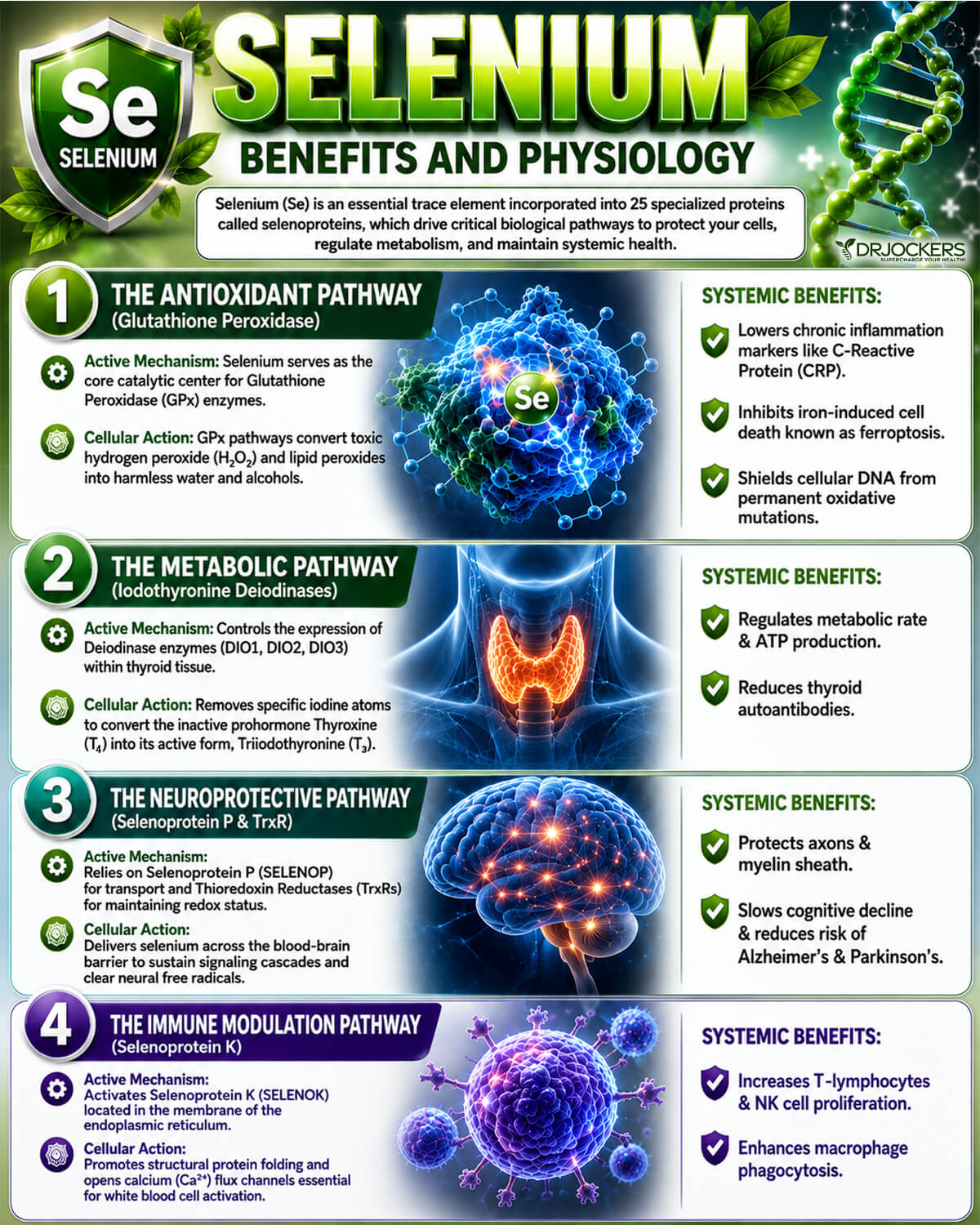
This essential trace mineral is integral to the maturation and function of the spleen and lymph nodes, both critical sites for immune cell production and activity. Selenium also promotes glutathione production, a powerful antioxidant.
Notably, selenium deficiency is linked to a higher risk of autoimmune conditions, particularly thyroid disorders like Hashimoto’s and Graves’ disease. Adequate selenium intake can help reduce autoimmune activity and antibody formation against self-tissue.
8. NAC (N-Acetyl Cysteine): The Glutathione Booster
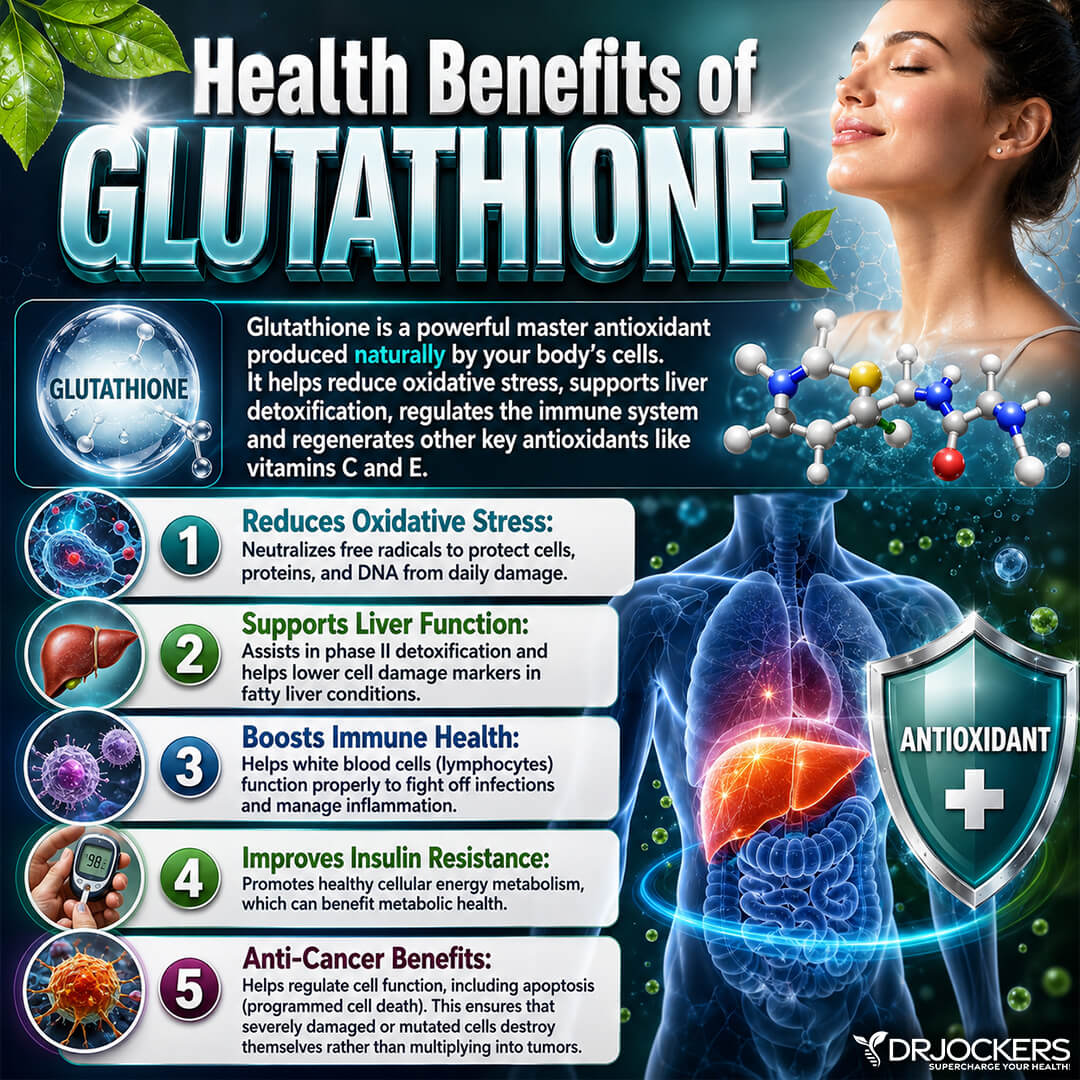
NAC is the rate-limiting step in the body’s production of glutathione, often called the “master antioxidant” and, alongside Vitamin D, a “master immune modulator.” Optimal glutathione levels are crucial for immune balance and detoxification.
Beyond its role in glutathione synthesis, NAC possesses mucolytic properties, helping to break down excessive mucus in the respiratory tract. This is particularly beneficial during respiratory infections, as it facilitates the elimination of mucus and prevents complications like pneumonia and bronchitis.
9. Quercetin: The Cellular Recycler and Zinc Transporter
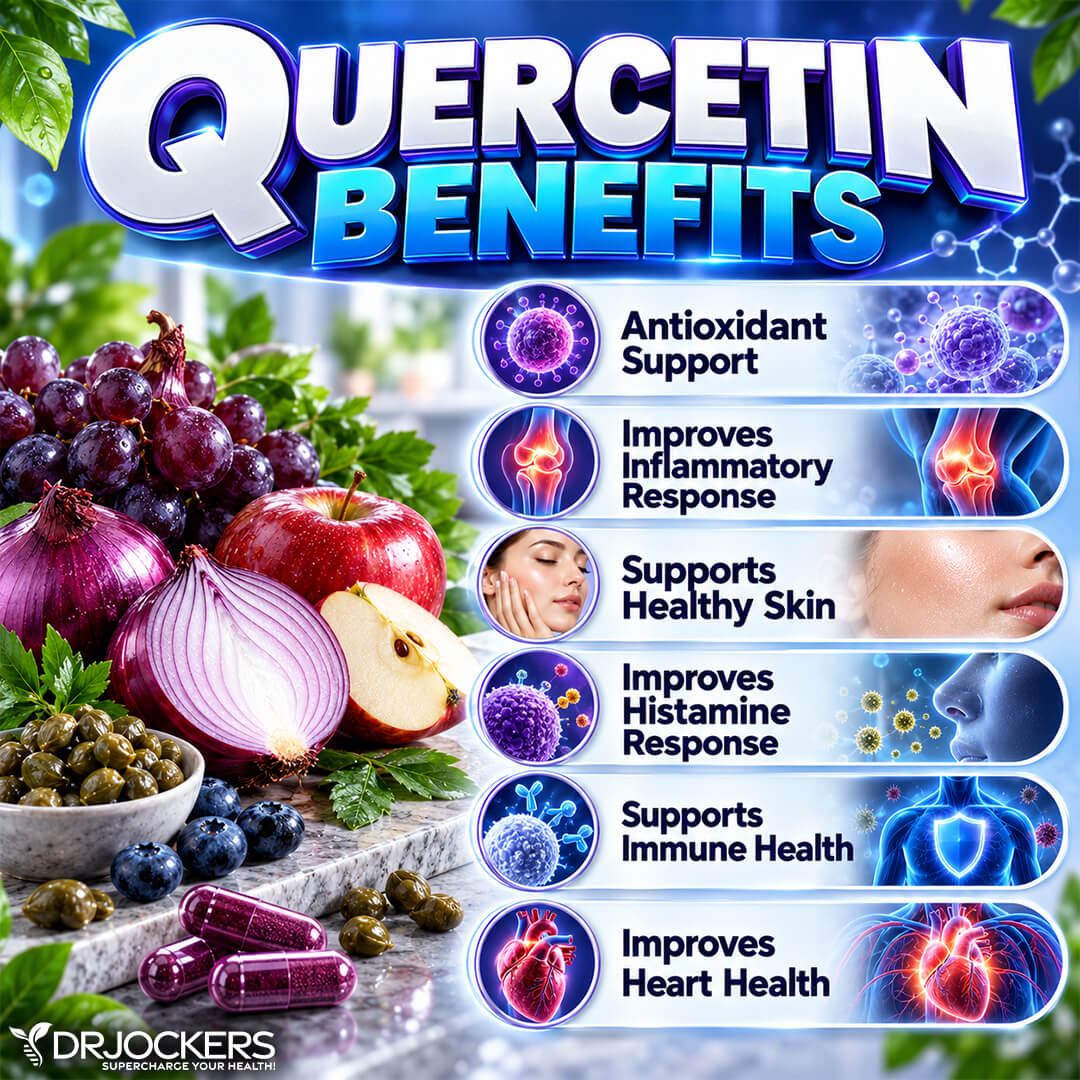
Found in the outer skin of apples, cranberries, and elderberries, quercetin is a powerful plant flavonoid. It significantly increases cellular autophagy, a natural process where cells break down and recycle old, damaged components, like mitochondria, to create newer, healthier ones.
Autophagy is also a clean way for the body to eliminate virally infected cells, reducing inflammation compared to programmed cell death (apoptosis). Crucially, quercetin acts as a zinc ionophore, enhancing zinc’s entry into cells, thereby boosting its antiviral and immune-supporting effects. It also dampens inflammatory cytokines, reducing overall inflammatory activity.
10. Resveratrol: The Autophagy Activator and Anti-Inflammatory
Like quercetin, resveratrol, found in the skin of grapes and berries, is a potent activator of cellular autophagy. It aids in the breakdown and recycling of damaged cellular components, promoting cellular health and efficient viral clearance.
Resveratrol also significantly contributes to dampening inflammatory cytokines and the inflammasome, which are key drivers of systemic inflammation. Additionally, it offers benefits for circulation, skin health, and mitochondrial energy production, making it a comprehensive immune and overall health supporter.

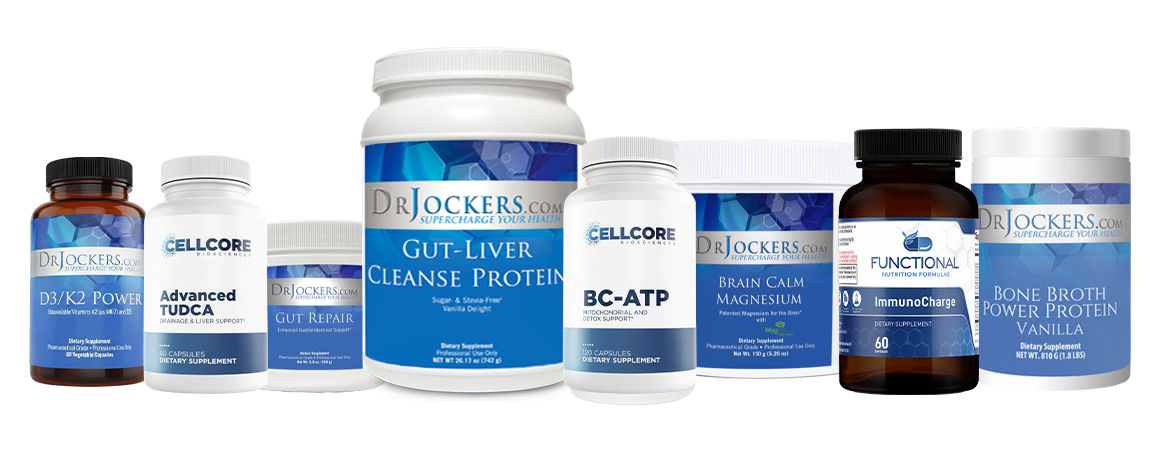
Immunocharge
ImmunoCharge™ is one of my favorite supplements for immune health. It is powered by quercetin, resveratrol, vitamin D, vitamin A, selenium, zinc, vitamin C, N-Acetyl Cysteine (NAC), vitamin K2, and magnesium. These ingredients support the body’s natural immune mechanisms to help maintain good health. This formula is designed to be taken short term.
It has anti-viral potential, antioxidant benefits, and immune health benefits. I have found it to be the very best immune support supplement on the market!
Take 1 capsule, 2 times a day with meals for appropriate immune health support. For advanced support, I recommend 2 capsules, twice a day. If someone is suffering from a seasonal immune challenge, I will often have people do 4 capsules every 4-6 hours with a meal until they knock out whatever immune challenge they are suffering with.

Achieving Comprehensive Immune Support
These ten nutrients offer a robust framework for supporting and balancing your immune system. They work synergistically to enhance your body’s natural defenses, prevent overreactions, and maintain optimal cellular health.
Integrating these into your daily regimen, either through diet or targeted supplementation, can significantly contribute to long-term immune resilience. Remember, a truly healthy immune system isn’t just strong; it’s smart and balanced.
If you want to work with a functional health coach, I recommend this article with tips on how to find a great coach. Our website offers long-distance functional health coaching programs. For further support with your health goals, just reach out and our fantastic coaches are here to support your journey.

Inflammation Crushing Ebundle
The Inflammation Crushing Ebundle is designed to help you improve your brain, liver, immune system and discover the healing strategies, foods and recipes to burn fat, reduce inflammation and Thrive in Life!
As a doctor of natural medicine, I have spent the past 20 years studying the best healing strategies and worked with hundreds of coaching clients, helping them overcome chronic health conditions and optimize their overall health.
In our Inflammation Crushing Ebundle, I have put together my very best strategies to reduce inflammation and optimize your healing potential. Take a look at what you will get inside these valuable guides below!