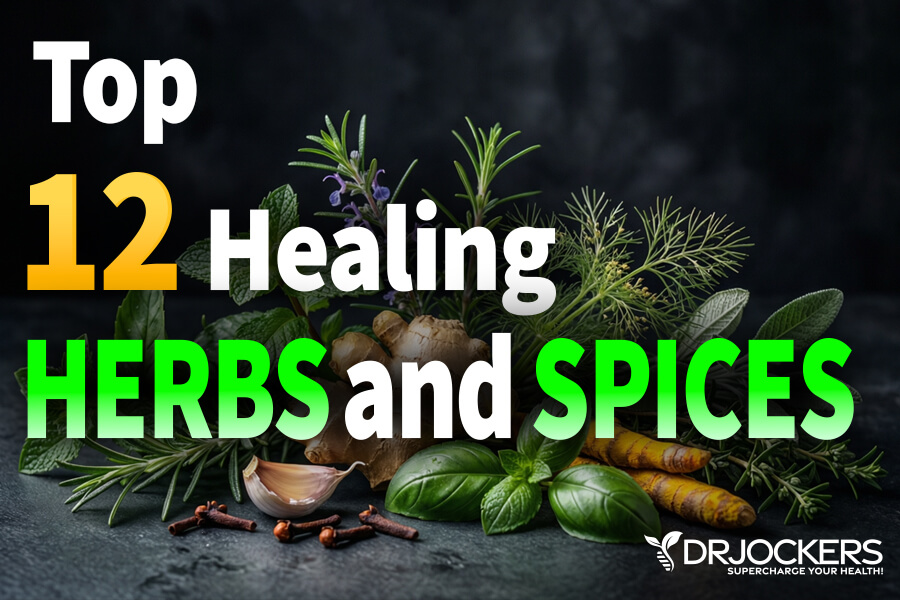
 12 Healing Herbs and Spices for Brain, Immune and Gut Health
What you put into your body matters. Healing herbs and spices are nature’s best tools to support your health against infections, gut imbalances, cognitive decline, cardiometabolic problems, and other health issues. When used right, they can be a great tool to support your health and well-being.
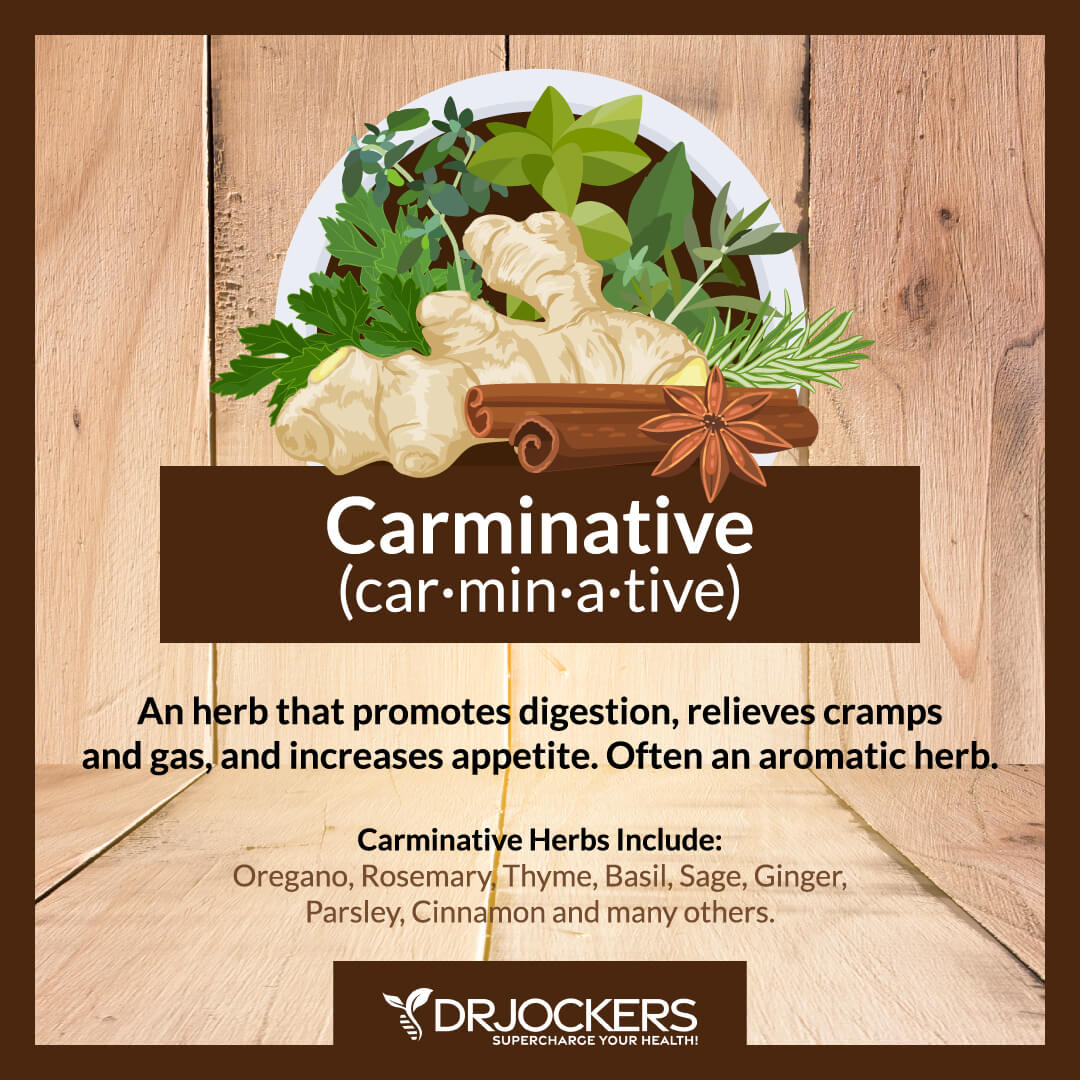
Carminative herbs are plants that contain volatile compounds that have traditionally been used for their pharmacological properties to benefit human health. Primarily, the phytonutrients in these herbs have therapeutic effects in supporting digestive health and influencing overall well-being.
In this article, you will learn about the benefits of healing herbs and spices. I will share the top 12 healing herbs and spices that I recommend incorporating into your routine.
The Benefits of Healing Herbs & Spices
Healing herbs and spices have been used for centuries as natural remedies to support overall health and help recovery from various ailments. Thanks to modern research, we know that these positive effects are not just old wives’ tales but are supported by scientific evidence.
Immune support is one of the most powerful forms of support, as many herbs, including turmeric, clove, and oregano, offer by offering defense against infections and chronic inflammation through anti-inflammatory, antimicrobial, and antioxidant qualities.
Supporting gut health, easing digestive distress, and balancing the gut microbiome are some of the common benefits of using herbs, including peppermint, ginger, and basil, in functional medicine.
Other herbs, such as rosemary and turmeric, may offer neuroprotection, improved memory, and better brain health, and herbs like dill and garlic can support circulation and cardiovascular health.
Beyond these areas, healing herbs and spices can support heart health, blood sugar balance, hormonal health, and overall vitality, making them a simple yet powerful addition to a daily wellness routine. They can be used in your cooking, as teas and tinctures, and often in supplement form to support your health and well-being.
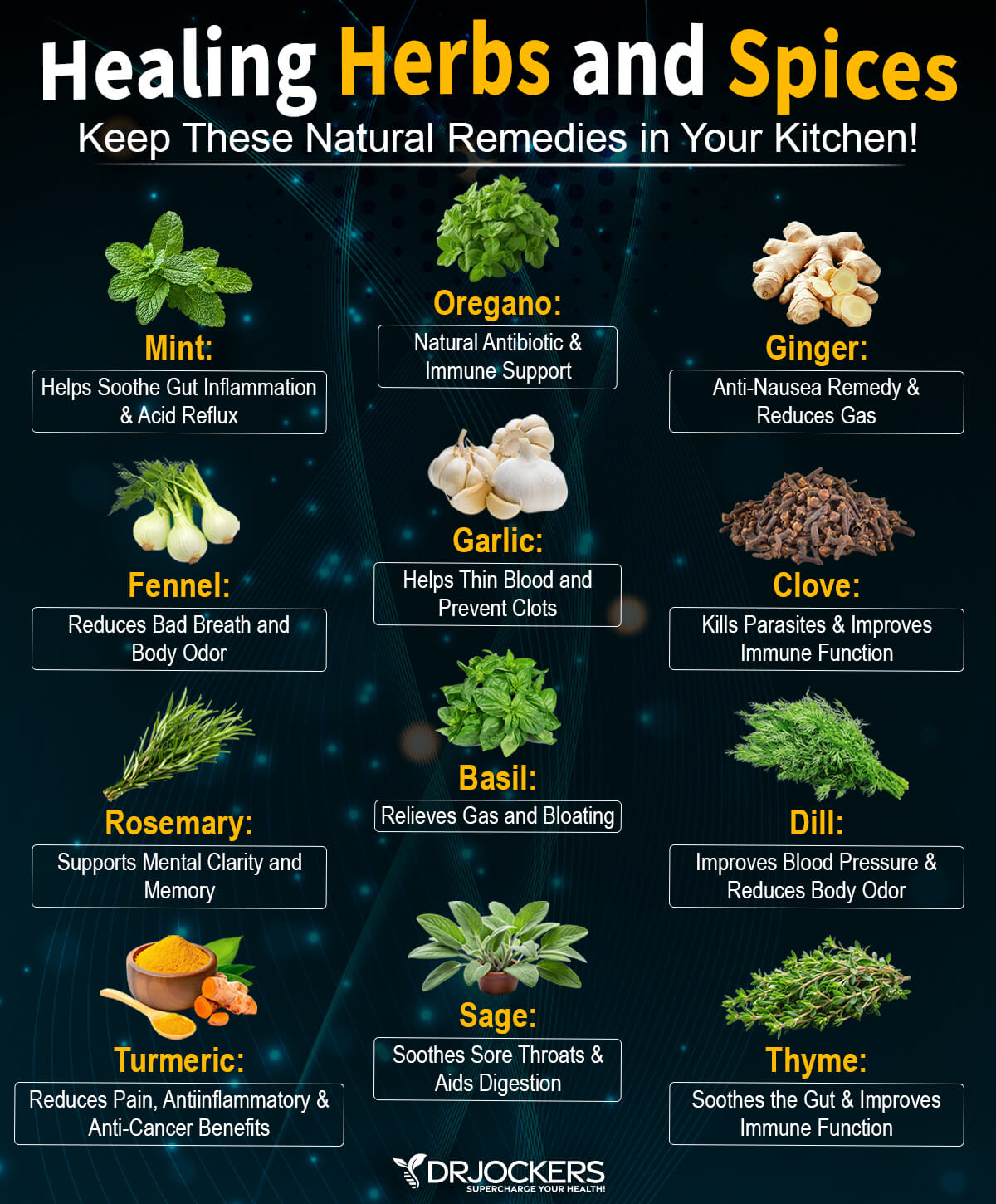
Top 12 Healing Herbs and Spices
Now that you understand the benefits of healing herbs and spices, let’s look at the top 12 healing herbs and spices for brain, immune, and gut health.
Mint
Mint is a great herb that may help to soothe gut inflammation and acid reflux. A 2019 meta-analysis published in BMC Complementary and Alternative Medicine examined 12 randomized studies with 835 patients to look at the potential effects of peppermint oil for irritable bowel disease (IBD) symptoms (1).
The results found that peppermint oil was safe and effective for reducing global symptoms and abdominal pain in IBD, with similarly low adverse effects in both groups.
Using mint: Mint is easy to use to improve recipes by chopping it into salads, sauces, teas, grain dishes, fruit, roasted vegetables, and meat dishes for a cool, refreshing lift. You may also use it as an essential oil.

Oregano
Oregano is a versatile herb and also a natural antibiotic, and is great for immune support. A 2025 study published in Frontiers in Pharmacology looked at the in vitro antibacterial effects of oregano essential oils extracted from wild and cultivated oregano with white or purple flowers (2).
Carvacrol is the primary active compound in oregano essential oil, responsible for its strong aroma and many of its antimicrobial, antifungal, and anti-inflammatory properties. Tobramycin is an aminoglycoside antibiotic used to treat serious bacterial infections, especially those caused by Gram-negative bacteria.
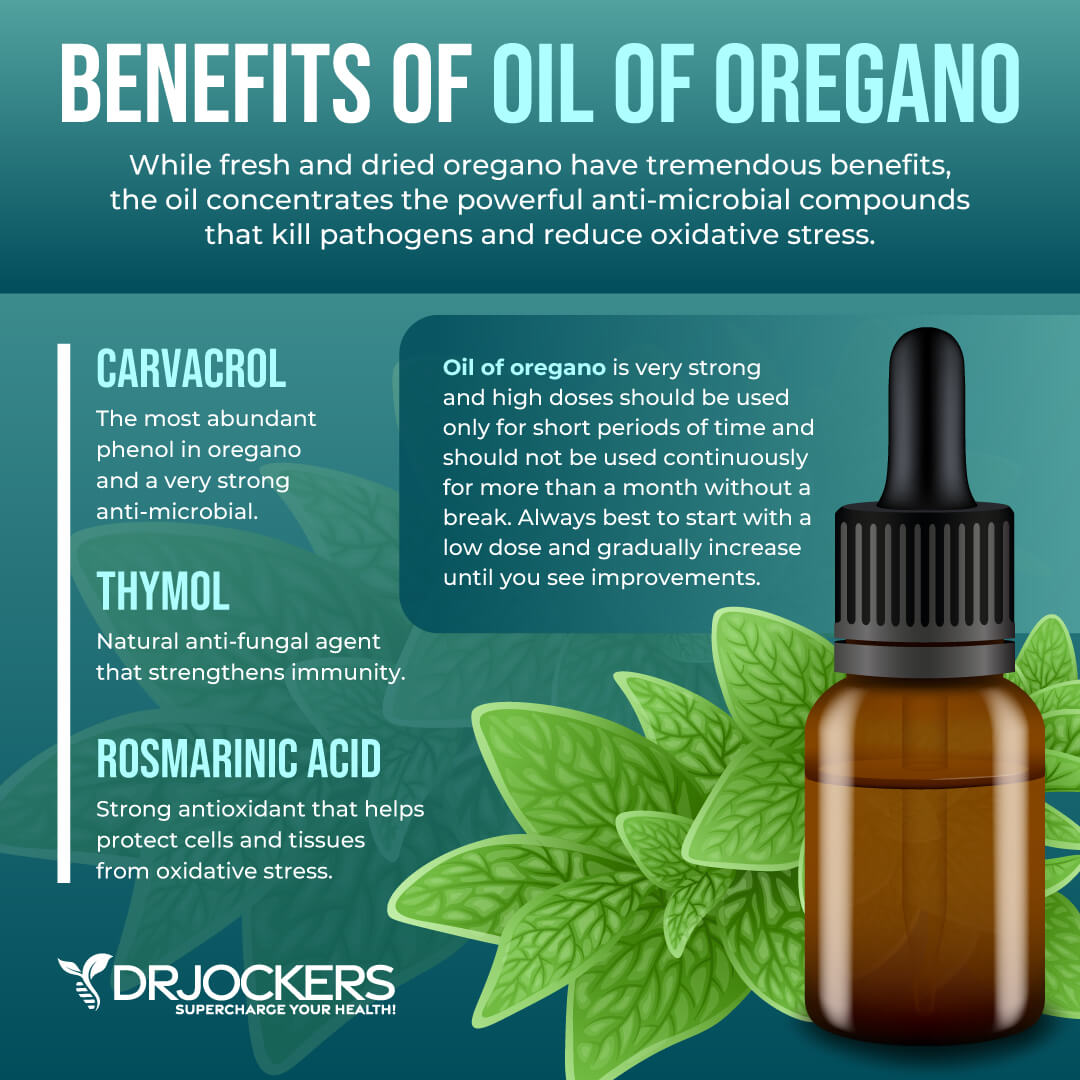
Researchers combined tobramycin and carvacrol for this study and found that carvacrol has the ability to perforate the membrane and induce holes, which improved the antibacterial effects of tobramycin.
A 2020 study published in Aquaculture looked at the potential effects of oregano essential oil for immune health and intestinal bacterial health in fish and found that oregano essential oil improves antioxidant capacity, digestive enzyme activity, immunity, and disease resistance, contributing to the ability of oregano essential oil to change the structure of the gut microbiome (3).
Using oregano: You may use oregano as a fresh or dry herb or even a small amount of oregano oil in your cooking by adding it to sauces, marinades, roasted vegetables, meats, or Mediterranean dishes. Use it sparingly since it is very concentrated. You may also use oregano as an essential oil.

Ginger
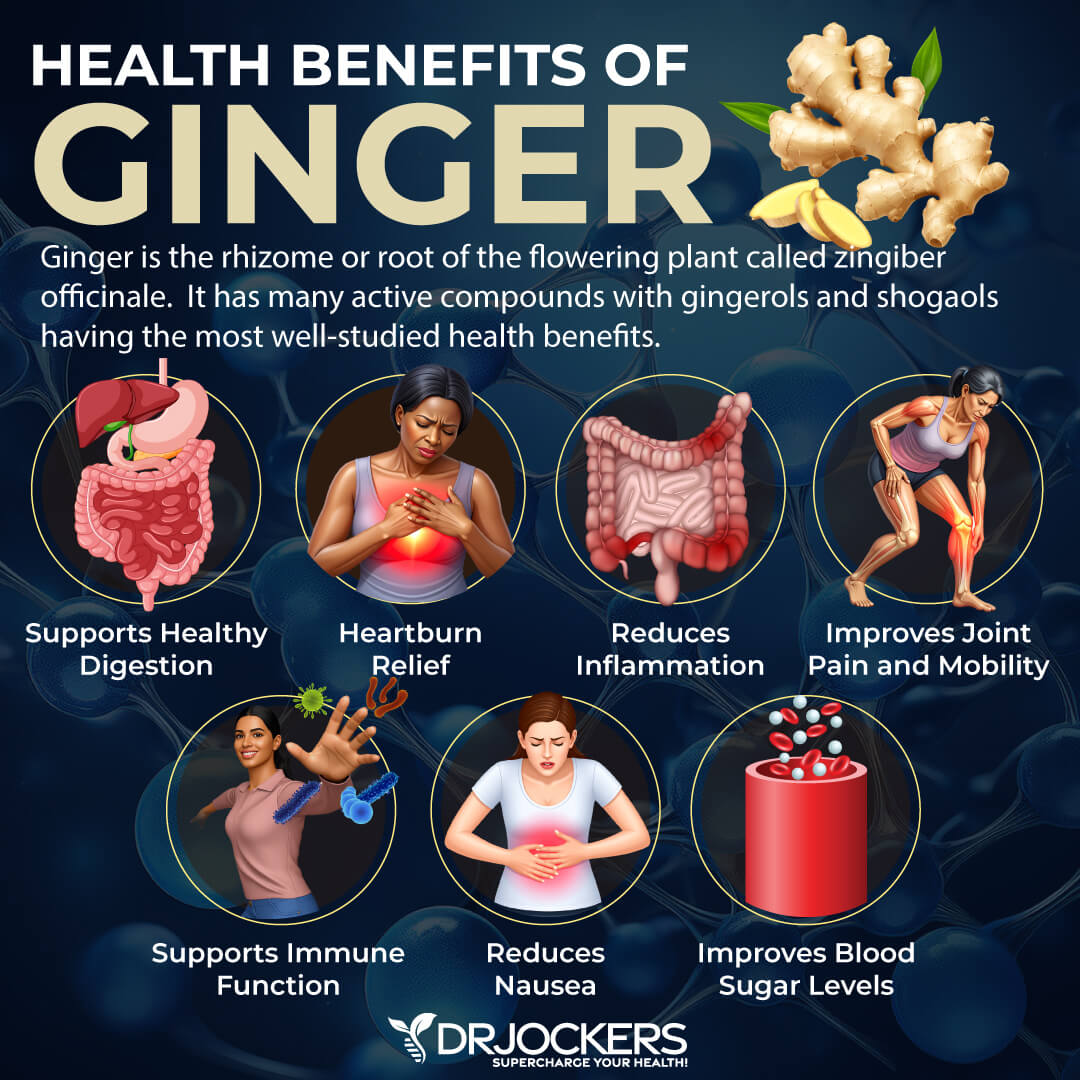
Ginger is a fantastic herb for gastrointestinal health. It is a great anti-nausea remedy and may also help to reduce gas. A 2016 review published in Integrative Medicine Insights analyzed clinical and pre-clinical studies to understand the effects of ginger on digestion (4).
The research found that ginger at doses ranging from 125 to 500 mg a day can be effective for nausea and vomiting related to both pregnancy and chemotherapy. Various forms of ginger were examined and found effective, including capsules, powder, and syrup.
Additionally, a 2021 study published in Frontiers in Microbiology has found that using fresh ginger juice in the short term may improve the gut microbiome, based on a crossover intervention study on 123 participants (63 men and 60 women) taking ginger juice versus placebo for a week (5).
Using ginger: You may use fresh or dried ginger in stir-fries, soups, marinades, and baked goods. You may make ginger tea, add it to your green juice or smoothies, or make ginger shots by juicing it. You may also use it in a supplement form.
Try Inflam Defense for Inflammation
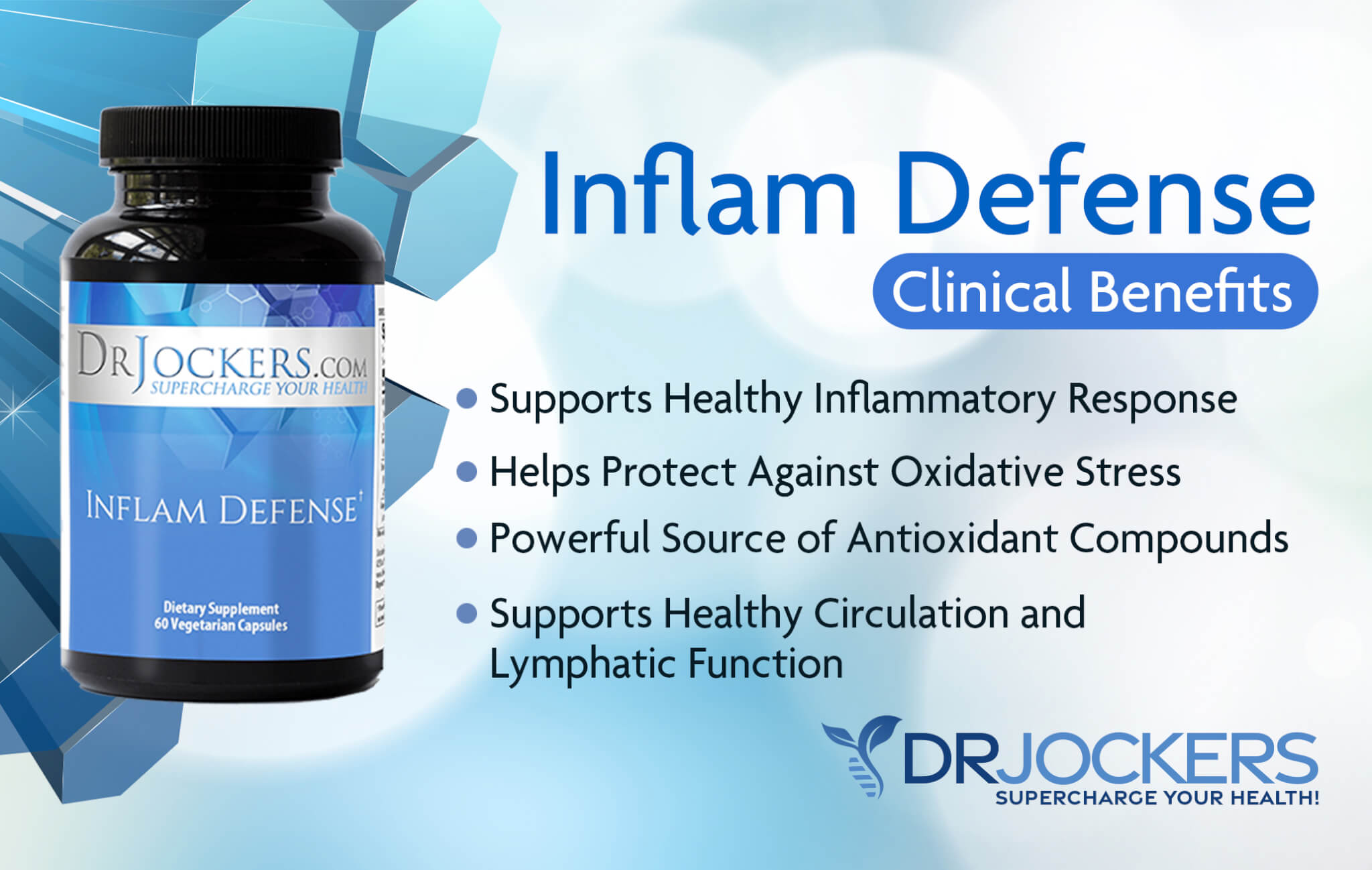
Inflam Defense™ is my favorite supplement to support a healthy inflammatory response and to protect you from health issues which may result from inflammation.
Inflam Defense™ is a powerful combination of anti-inflammatory herbs, such as curcumin, boswellia, ginger, and rosemary extract as well as nutrients from quercetin and rutin, and proteolytic enzymes. I love this product because it can help downregulate the inflammatory process. It can help you if you are dealing with the negative impact of acute or chronic inflammatory conditions.
If you are looking to keep inflammation under control and have a healthy immune system, choose Inflam Defense™. Take one capsule twice a day between meals or for advanced protection take two or more capsules twice a day between meals or as directed by your health care practitioner.
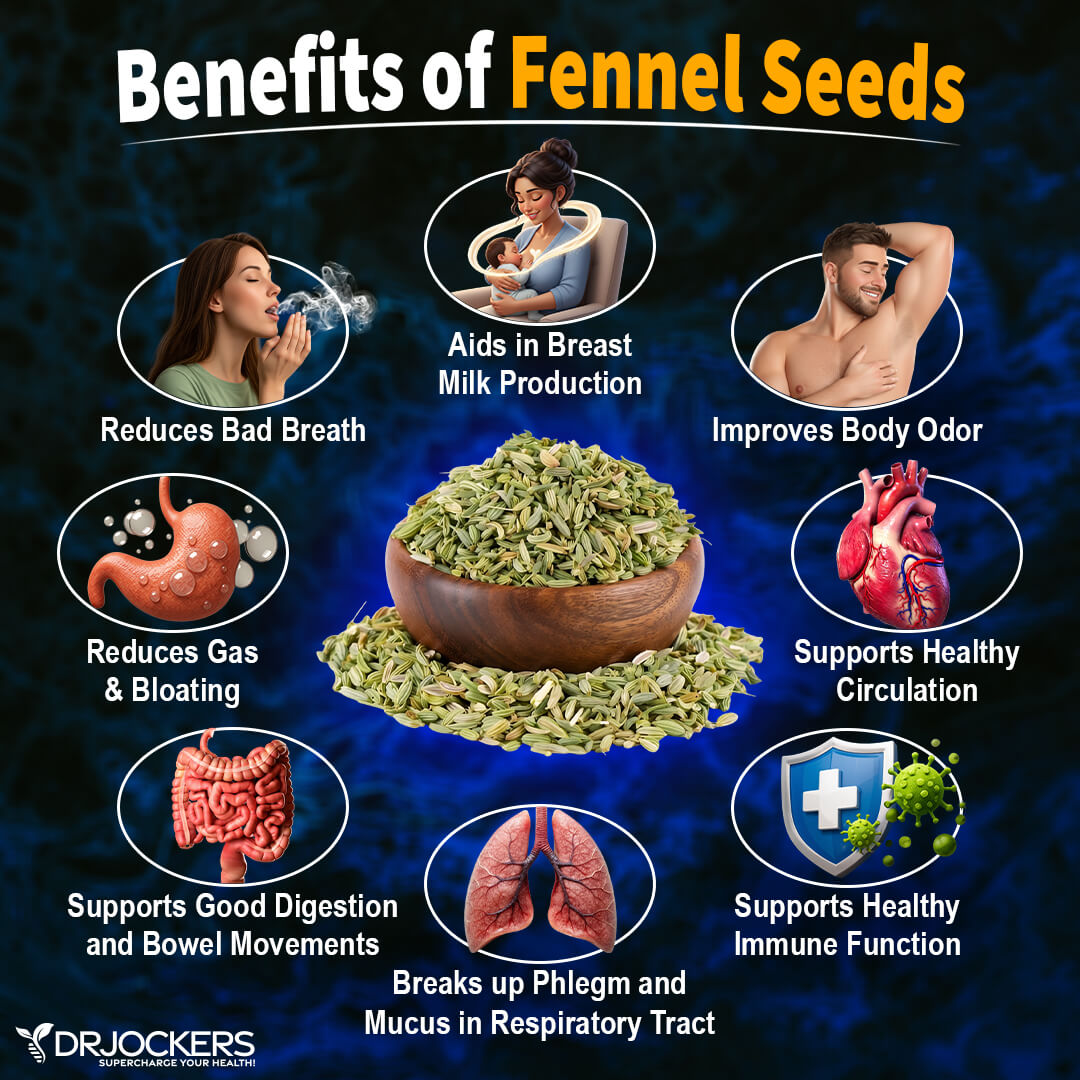
Fennel
Fennel is another great healing herb that may help to reduce bad breath and body odor due to its antimicrobial properties. A 2023 article published in Pharmacological Studies in Natural Oral Cures looked at causes and natural solutions for bad breath (6).
It found that fennel seeds may help to improve bad breath due to their antibacterial properties and by increasing saliva production. Additionally, researchers also found that basil, cardamom seeds, mint, cloves, celery, apple cider vinegar, and probiotic yogurt may also help with bad breath.
Using fennel: You may use fennel bulbs sliced raw in salads, roasted or sautéed for a mild sweetness, and fennel seeds crushed to add a warm, licorice-like flavor to sauces, breads, and spice rubs.
Garlic
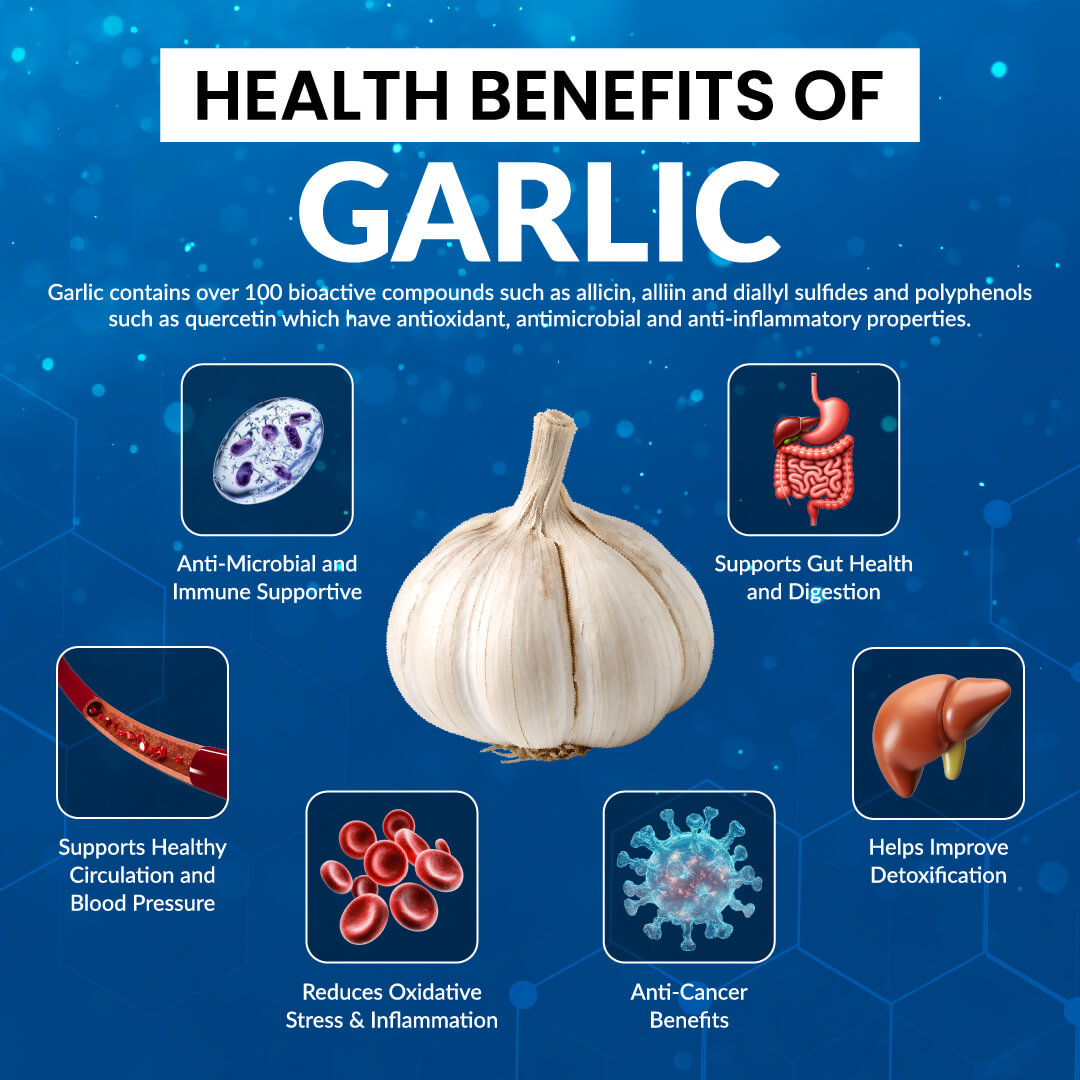
Garlic is a fantastic anti-inflammatory food that may also help to thin blood and prevent clots. A 1995 study published in Prostaglandins, Leukoterins, and Essential Fatty Acids has found that eating 3 grams (about 1 clove) of garlic a day for 16 weeks has helped to reduce serum cholesterol by 20 percent and serum thromboxane by 80 percent in healthy participants (7).
A 2017 study published in Advances in Pharmacology and Clinical Trials has looked at the effects of garlic in 20 healthy volunteers by measuring clotting time after using garlic (8). Researchers found that garlic offers anticoagulant properties that can prolong or prevent clotting and also improve fibrinolytic activity, which refers to the body’s ability to break down fibrin, the protein mesh that forms blood clots.
Using garlic: You may use garlic in your cooking by sautéing minced or sliced cloves in oil to build flavor at the start of a dish, or add it raw or near the end for a sharper, more pungent taste.
Clove
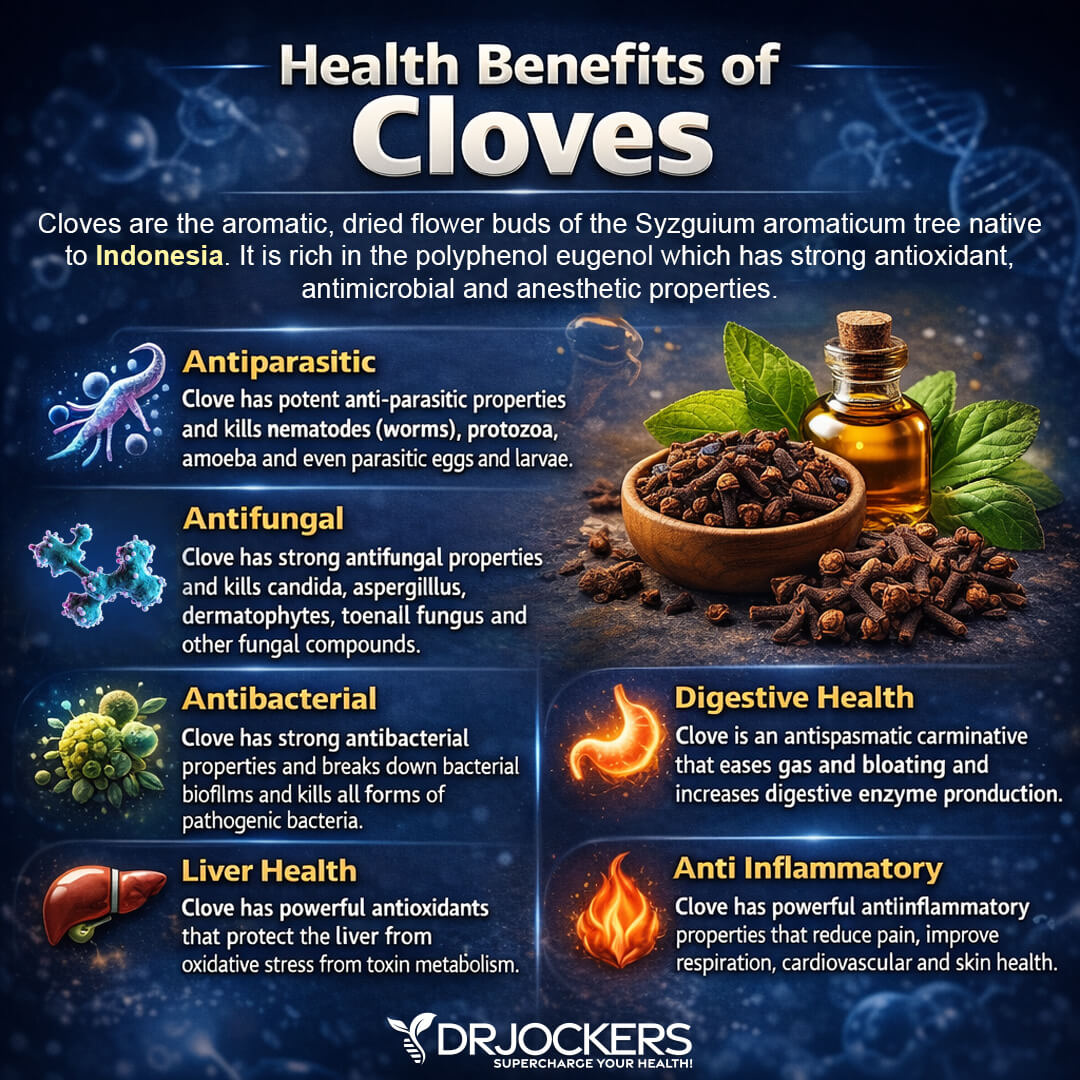
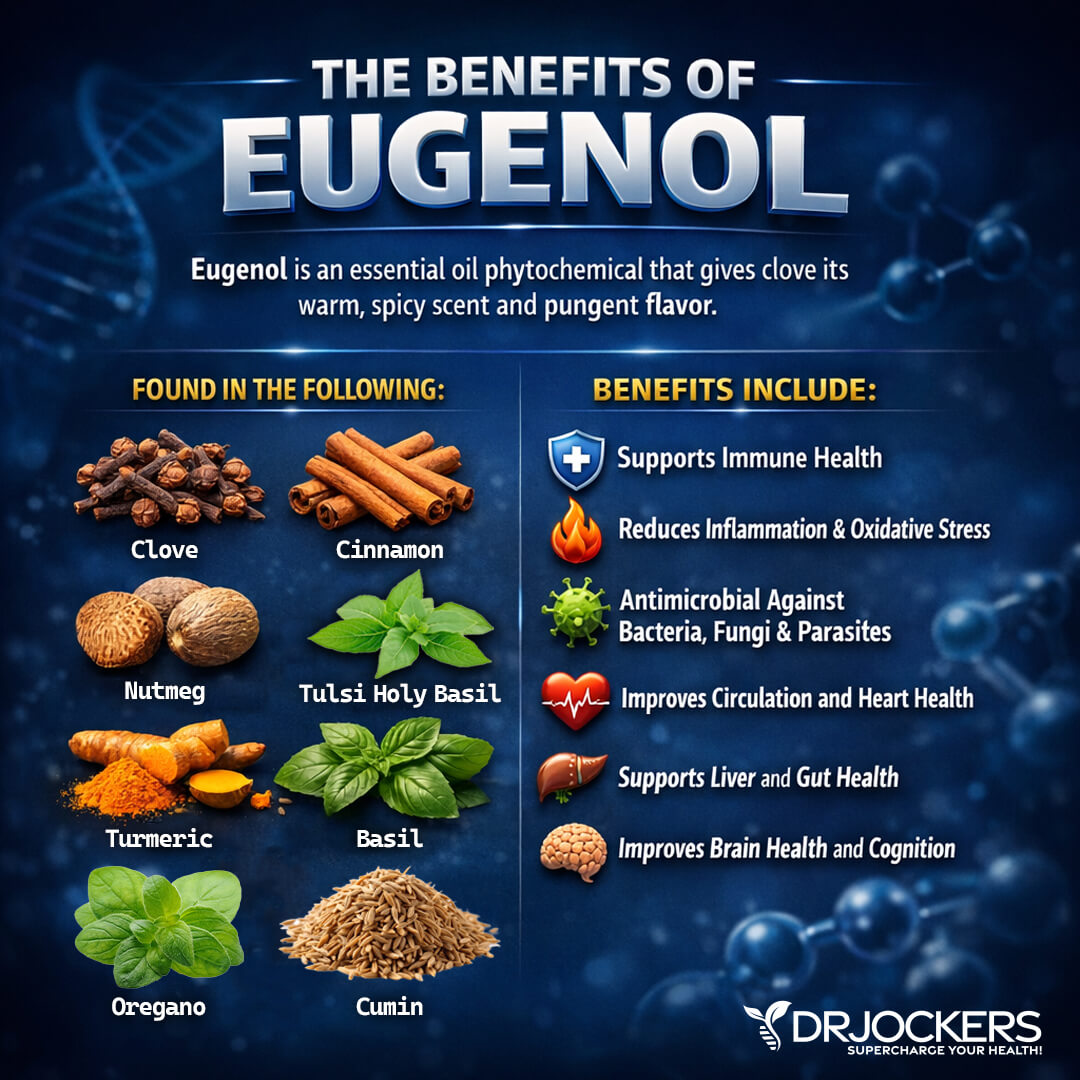
Clove is a great healing herb because it can help to kill parasites and improve immune function. A 2023 in vitro study published in Pathogens examined the effects of eugenol, the main extracted constituent of clove oil, on adult and muscle larvae of Trichinella spiralis, a parasite coming from uncooked or undercooked pork meat, at different quantities (9).
Researchers found eugenol to be effective in destroying Trichinella spiralis, especially in higher quantities.
A 2021 review published in Immunity examined the effects of clove buds on COVID-19 (10). Researchers found that the antiviral, anti-inflammatory, immunostimulatory, and antithrombotic effects of clove may all provide properties to fight against the virus.
Usage of cloves: You may use cloves sparingly to add warm, sweet-spicy depth to dishes like stews, curries, rice, and baked goods. You can use it whole for infusing and ground for blending. You can also use clove oil as an essential oil.
Rosemary
Rosemary is a great option for supporting mental clarity and mental health. A 2022 systematic review and meta-analysis published in the Brazilian Journal of Medical and Biological Research examined 23 studies through qualitative analysis and 15 for meta-analysis regarding the cognitive effects of rosemary (11). Researchers found that rosemary improved cognitive outcomes in both normal and impaired animals across various species, including mice, rats, and zebra fish.
A 2020 human randomized controlled trial published in Nutrients looked at the mental health effects of rosemary extract in healthy Japanese men (12). The study included 42 men between the ages of 20 and 64 who received 4 weeks of 1 gram of rosemary extract in 100 cc of hot or cold water after breakfast or at midmorning while following their normal diet and lifestyle.
The study found that rosemary led to improvements in tension, anxiety, psychomotor sleep, daytime sleepiness, fatigue, sleep quality, and mental energy.
Using rosemary: You may use rosemary to add a piney, savory flavor to roasted vegetables, potatoes, meats, bread, or olive oil. You can use it fresh for a brighter taste or dried for longer-cooked dishes. You may also use rosemary essential oil.

Basil
Basil is a good herbal option for those with digestive issues, as it may help to reduce gas and bloating. A 2025 systematic literature review published in Applied Good Research examined 115 articles out of 3623 articles identified for screening to examine basil’s capacity to change the gut microbiome in humans (13).
Researchers found basil to have the potential to improve the human gut microflora, offer anti-inflammatory, antimicrobial, antioxidant, and prebiotic effects, and lead to digestive health benefits, including relief from vomiting, improved appetite, and reduced gut inflammation.
Using basil: You can use basil to add a fresh, slightly sweet flavor to sauces, salads, pasta, soups, and pesto. Add it at the end of cooking to preserve its aroma.
Dill
Dill may be a great herb for improving blood pressure and reducing body odor. Dill is a good source of magnesium, which is great for improving blood pressure (14). According to a 2025 systematic review and meta-analysis of 38 randomized control trials of 2709 participants, improving magnesium intake for a median of 12 weeks can improve blood pressure (15).
A 2021 systematic review and meta-analysis published in the Journal of Herbal Medicine identified 5 studies of 277 participants to examine the benefits of dill for cardiovascular health (16). The review found that dill helped to improve fasting insulin, HOMA-IR, and LDL-C levels, and improve cardiovascular parameters when used for ≥ 8 weeks.
Using dill: You can use dill to add a fresh, tangy flavor to fish, potatoes, soups, salads, yogurt sauces, and pickles. Add it near the end to preserve its delicate taste.

Turmeric
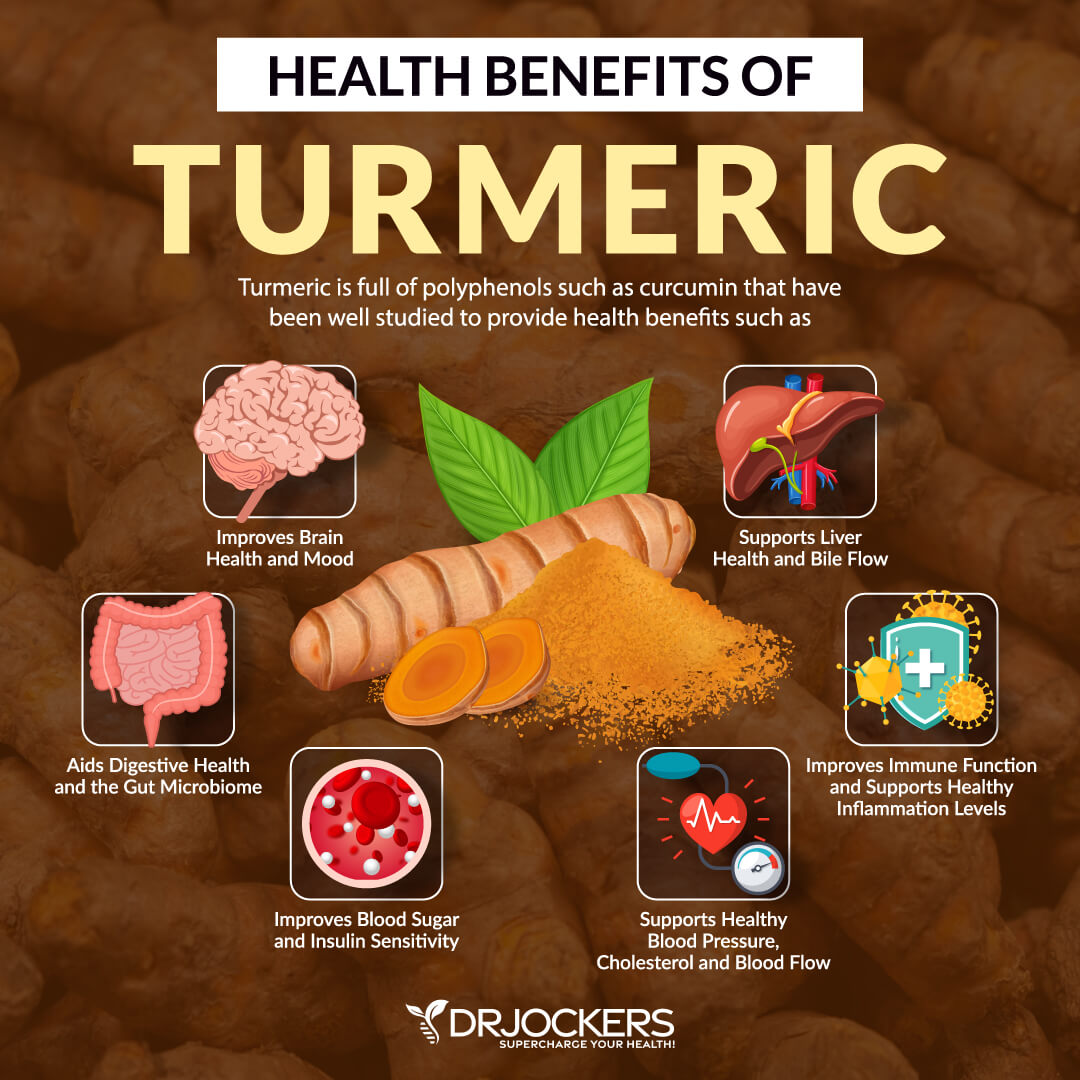
Turmeric is one of the most researched herbs for a variety of benefits, including pain-reducing, anti-inflammatory, and anti-cancer benefits. A 2021 systematic review published in BMJ Open Sports and Exercise Medicine examined 10 studies in terms of turmeric’s effect on pain reduction (17).
All included studies found that turmeric can reduce pain and improve function. 3 studies compared turmeric to NSAIDs and found their effects comparable.
A 2021 review published in Drug Design, Development, and Therapy found that turmeric offers anti-inflammatory benefits in inflammatory disease, knee osteoarthritis, rheumatoid arthritis, psoriasis, and Crohn’s disease (18). A 2024 review published in Frontiers in Nutrition offers anti-inflammatory, anti-cancer, and radioprotective properties based on in vitro and in vivo studies (19).
Using turmeric: You can use turmeric to add earthy warmth and color to curries, soups, rice, lentils, roasted vegetables, or scrambled eggs. You can use both fresh and dried turmeric. You may also make golden tea or turmeric-ginger tea. You may also try a turmeric curcumin supplement to add more anti-inflammatory benefits to your day.
Sage
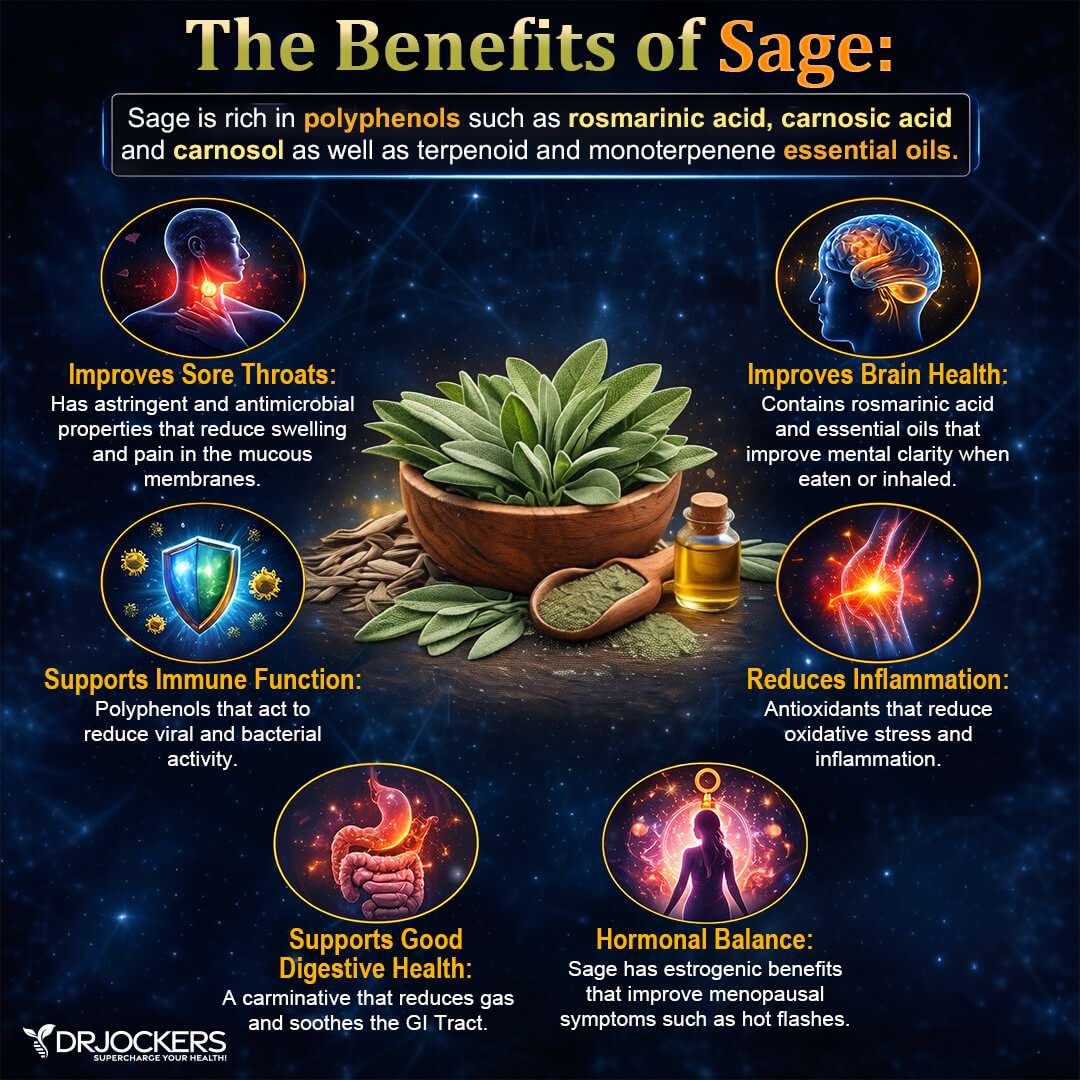
Sage is a great herb for soothing a sore throat and aiding digestion. A 2009 randomized double-blind trial published in the European Journal of Medical Research included 154 patients over age of 12 or older with a sore throat of no more than 72 hours to understand the effects of a sage-echinacea spray compared to a chlorhexidine-lidocaine spray used every 2 hours up to 10 times a day for up to 5 days (20).
The study found that the sage mix was effective in improving throat pain within 3 days in 63.8 percent of cases compared to 57.8 percent in the medication group.
A 2025 study published in the South African Journal of Botany looked at the effects of safe tea on gastrointestinal health in vitro (21). The study found that the bioactivity of sage tea, including flavonoid, phenolic acid, polyphenol, antioxidant, and antiglycation activities were mostly preserved during in vitro digestion, thus it may offer protective benefits for gastrointestinal health.
Using sage: You can use sage to add a warm, earthy flavor to poultry, meat, stuffing, pasta, roasted vegetables, or butter sauces. It has quite a strong taste, so use it in small amounts. You can also use warm sage team by infusing 1-2 teaspoons of dried sage (or 2 tea bags) in 1 cup of boiling water for 10-15 minutes, allow it to cool, and gargle several times a day.
Thyme
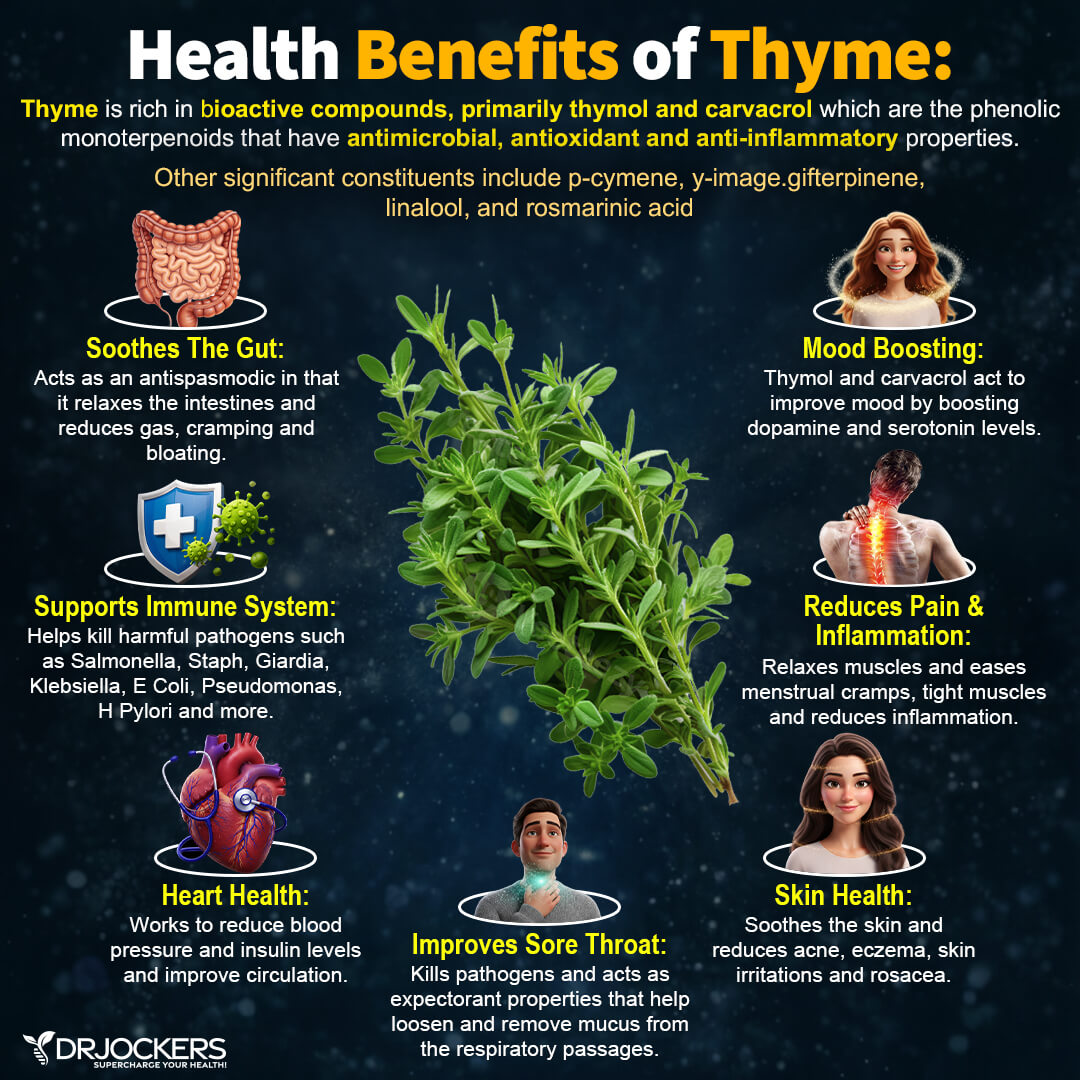
Finally, thyme is a fantastic herb for soothing the gut and improving immune function. A 2023 study published in Nutrients examined the gut-related therapeutic benefits in mice (22). The study found that thyme improved obesity, the gut barrier function, fecal metabolites, metabolic parameters, and gut function.
A 2023 animal study published in Animal Feed Science and Technology examined the immune benefits of supplementary thyme in sheep (23). Researchers found that thyme improved immunity responses, probiotic levels, energy metabolism, protein synthesis and utilization, lipase concentration, and albumin and protein concentration.
Using thyme: You can use thyme in soups, stews, roasted vegetables, meats, and beans, both dried and fresh, to add a subtle, earthy flavor.
Final Thoughts
Healing herbs and spices are a great way to support your health against infections, gut imbalances, cognitive decline, cardiometabolic problems, and other health issues. I recommend that you incorporate the top 12 healing herbs and spices listed in this article to support your health and well-being.
If you want to work with a functional health coach, I recommend this article with tips on how to find a great coach. If you want further help with your health, we offer long-distance functional health coaching programs. For further support with your health goals, just reach out and our fantastic coaches are here to support your journey.

Inflammation Crushing Ebundle
The Inflammation Crushing Ebundle is designed to help you improve your brain, liver, immune system and discover the healing strategies, foods and recipes to burn fat, reduce inflammation and Thrive in Life!
As a doctor of natural medicine, I have spent the past 20 years studying the best healing strategies and worked with hundreds of coaching clients, helping them overcome chronic health conditions and optimize their overall health.
In our Inflammation Crushing Ebundle, I have put together my very best strategies to reduce inflammation and optimize your healing potential. Take a look at what you will get inside these valuable guides below!

Sources in This Article Include:
1. Alammar N, Wang L, Saberi B, et al. The impact of peppermint oil on the irritable bowel syndrome: a meta-analysis of the pooled clinical data. BMC Complement Altern Med. 2019;19(1):21. Published 2019 Jan 17. doi:10.1186/s12906-018-2409-0 Link Here
2. Tao L, Liang Y, Xia Z, et al. Antibacterial activities of oregano essential oils and their active components. Front Pharmacol. 2025;16:1579283. Published 2025 Apr 8. doi:10.3389/fphar.2025.1579283 Link Here
3. Zhang, R., Wang, X. W., Liu, L. L., Cao, Y. C., & Zhu, H. (2020). Dietary oregano essential oil improved the immune response, activity of digestive enzymes, and intestinal microbiota of the koi carp, Cyprinus carpio. Aquaculture, 518, 734781–734781. Link Here
4. Lete I, Allué J. The Effectiveness of Ginger in the Prevention of Nausea and Vomiting during Pregnancy and Chemotherapy. Integr Med Insights. 2016;11:11-17. Published 2016 Mar 31. doi:10.4137/IMI.S36273 Link Here
5. Wang, X., Zhang, D., Jiang, H., Zhang, S., Pang, X., Gao, S., Zhang, H., Zhang, S., Xiao, Q., Chen, L., Wang, S., Qi, D., & Li, Y. (2021). Gut Microbiota Variation With Short-Term Intake of Ginger Juice on Human Health. Frontiers in Microbiology, 11, 576061. Link Here
6. Khalid Mohammed Khan, Hameed, S., & Shamim, S. (2023). Natural Products to Cure Bad Breath. 217–252. Link Here
7. Ali M, Thomson M. Consumption of a garlic clove a day could be beneficial in preventing thrombosis. Prostaglandins Leukot Essent Fatty Acids. 1995;53(3):211-212. doi:10.1016/0952-3278(95)90118-3 Link here
8. Rama, N., Reddy, A., Tp, S., Vb, P., & Narsimha, R. (n.d.). Advances in Pharmacology and Clinical Trials Effect of Allium sativum (Garlic) Extract on Blood Coagulation and Fibrinolysis. Link Here
9. ElGhannam M, Dar Y, ElMehlawy MH, Mokhtar FA, Bakr L. Eugenol; Effective Anthelmintic Compound against Foodborne Parasite Trichinella spiralis Muscle Larvae and Adult. Pathogens. 2023;12(1):127. Published 2023 Jan 12. Link Here
10. Vicidomini, C., Roviello, V., & Roviello, G. N. (2021). Molecular Basis of the Therapeutical Potential of Clove (Syzygium aromaticum L.) and Clues to Its Anti-COVID-19 Utility. Molecules, 26(7), 1880. Link Here
11. Hussain SM, Syeda AF, Alshammari M, et al. Cognition enhancing effect of rosemary (Rosmarinus officinalis L.) in lab animal studies: a systematic review and meta-analysis. Braz J Med Biol Res. 2022;55:e11593. Published 2022 Feb 9. Link here
12. Araki R, Sasaki K, Onda H, et al. Effects of Continuous Intake of Rosemary Extracts on Mental Health in Working Generation Healthy Japanese Men: Post-Hoc Testing of a Randomized Controlled Trial. Nutrients. 2020;12(11):3551. Published 2020 Nov 20. Link Here
13. Rahman, A., Haque, Md. A., Shinu, P., Islam, M. M., & Ghosh, S. (2025). A systematic literature review of Ocimum basilicum – A functional ingredient for gut health and industrial food applications. Applied Food Research, 5(2), 101147. Link Here
14. Dill FDA Link here
15. Argeros, Z., Xu, X., Bhandari, B., Harris, K., Touyz, R. M., & Schutte, A. E. (2025). Magnesium Supplementation and Blood Pressure: A Systematic Review and Meta-Analysis of Randomized Controlled Trials. PubMed. Link Here
16. Jalili, C., Moradi, S., Mirzababaei, A., Mohammadi, H., Heydarzadeh, F., Miraghajani, M., & Lazaridi, A.-V. (2021). Effects of Anethum graveolens (dill) and its derivatives on controlling cardiovascular risk factors: A systematic review and meta-analysis. Journal of Herbal Medicine, 30, 100516. Link Here
17. Paultre K, Cade W, Hernandez D, Reynolds J, Greif D, Best TM. Therapeutic effects of turmeric or curcumin extract on pain and function for individuals with knee osteoarthritis: a systematic review. BMJ Open Sport Exerc Med. 2021;7(1):e000935. Published 2021 Jan 13. Link Here
18. Peng Y, Ao M, Dong B, et al. Anti-Inflammatory Effects of Curcumin in the Inflammatory Diseases: Status, Limitations and Countermeasures. Drug Des Devel Ther. 2021;15:4503-4525. Published 2021 Nov 2. Link Here
19. Cozmin M, Lungu II, Gutu C, et al. Turmeric: from spice to cure. A review of the anti-cancer, radioprotective and anti-inflammatory effects of turmeric sourced compounds. Front Nutr. 2024;11:1399888. Published 2024 May 28. Link Here
20. Schapowal A, Berger D, Klein P, Suter A. Echinacea/sage or chlorhexidine/lidocaine for treating acute sore throats: a randomized double-blind trial. Eur J Med Res. 2009;14(9):406-412. doi:10.1186/2047-783x-14-9-406 Link Here
21. Fraise Impact of simulated gastrointestinal conditions on polyphenol stability and antiglycoxidant potential of sage (Salvia officinalis) infusion Link Here
22. Lee YR, Lee HB, Oh MJ, Kim Y, Park HY. Thyme Extract Alleviates High-Fat Diet-Induced Obesity and Gut Dysfunction. Nutrients. 2023;15(23):5007. Published 2023 Dec 4. Link here
23. Du, X., Cheng, X., Ji, K., Degen, A. A., Liang, Y., Wu, X., Dong, Q., Feng, M., Jiao, D., Cong, H., & Yang, G. (2023). Effects of supplementary thyme on immunity responses, antioxidant indices, rumen enzymes concentrations and rumen bacteria composition in Hu sheep. Animal Feed Science and Technology, 306, 115828. Link Here