 Do Antinutrients in Plant-Based Foods Cause Health Problems?
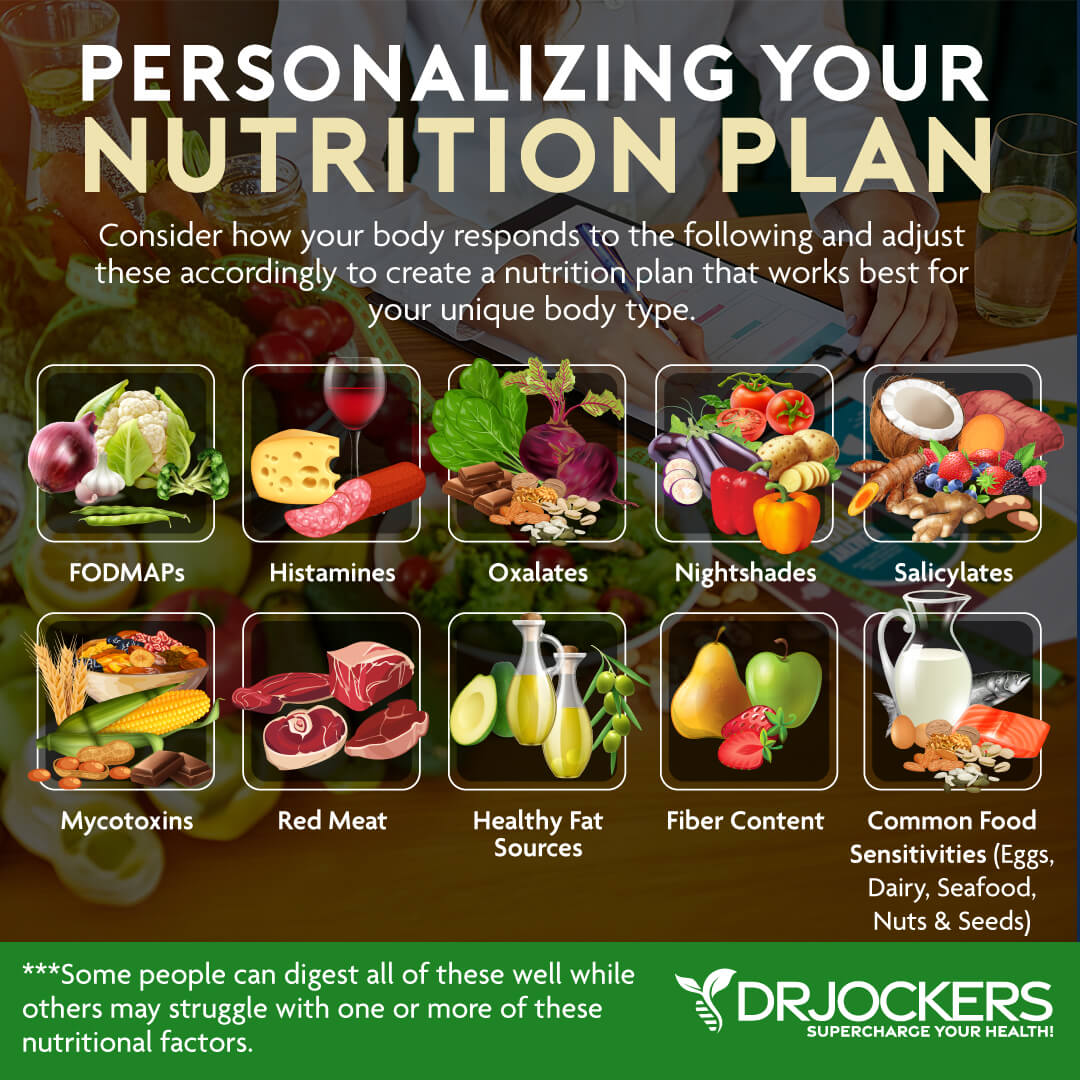
Many say that plant-based food is the healthiest. But did you know that plant-based foods contain anti-nutrients, including fiber, oxalates, salicylates, histamine, FODMAPs, nightshades, mycotoxins, and phytic acid.
These antinutrients are compounds found in many plant foods that can interfere with the absorption or utilization of certain nutrients in the body. While many people tolerate these antinutrients well, in some people, they can cause inflammation, gut symptoms, and other health issues.
In this article, you will learn what antinutrients are. I will answer the question of whether antinutrients are always bad or not. Finally, I will share some strategies to improve your nutrition and gut health.
What are Antinutrients?
Antinutrients are naturally occurring compounds found in many plant foods that can interfere with the absorption or utilization of certain nutrients in the body. Common antinutrients include fiber, oxalates, salicylates, histamine, FODMAPs, nightshades, mycotoxins, and phytic acid.
These compounds can bind to minerals such as iron, zinc, calcium, and magnesium, which makes them less available for absorption, and may also affect digestive enzymes, which may decrease the digestion of protein and carbohydrate in sensitive individuals.
Are Antinutrients Always Bad
Antinutrients are often portrayed negatively, but they are not inherently harmful. Some of them can even offer beneficial effects. For example, fiber can be great for digestion.
Antinutrients serve as a stressor on the gut. They actually can be a hormetic stressor that makes the gut stronger if they are adapted properly. This comes down to the intestinal cell mitochondria and makeup of the gut microbiome.
As you see, while ultra processed foods are always bad, antinutrients can be good when consumed in proper balance with the body’s ability to metabolize and adapt to them. Saying all antinutrients are bad for everyone is like saying high-intensity exercise is bad for everyone. Stress is good when we get the right dosage that the body can handle and adapt to.
On the other hand, antinutrients can cause issues in highly sensitive individuals. They may also be a problem if eaten in high quantities on an unbalanced, restricted diet. The key is to listen to your own body and understand your own sensitivities and health needs.
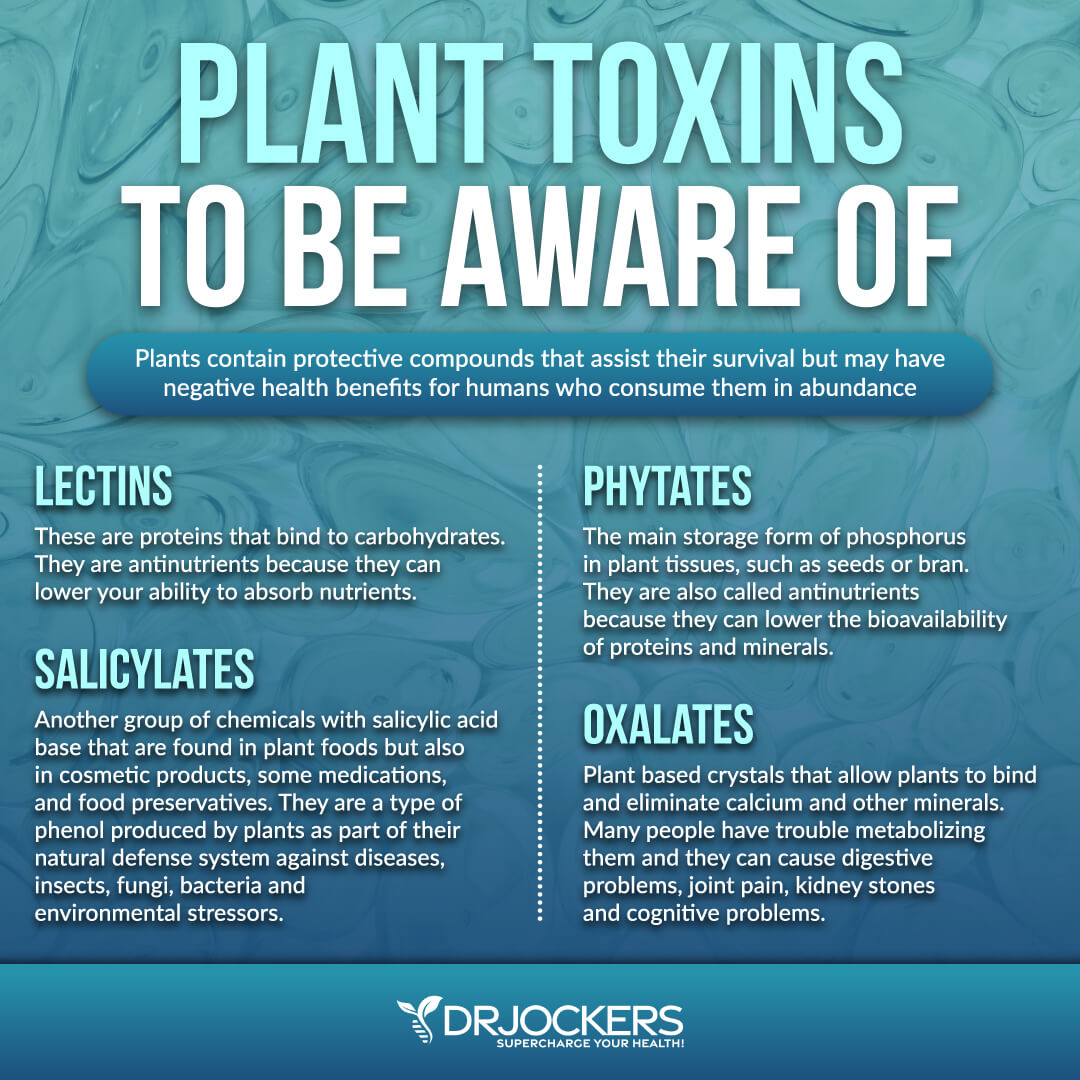
Key Antinutrients to Be Aware Of
Let’s look at the main antinutrients you need to be aware of in your diet. I also have a detailed article on how to personalize
Fiber
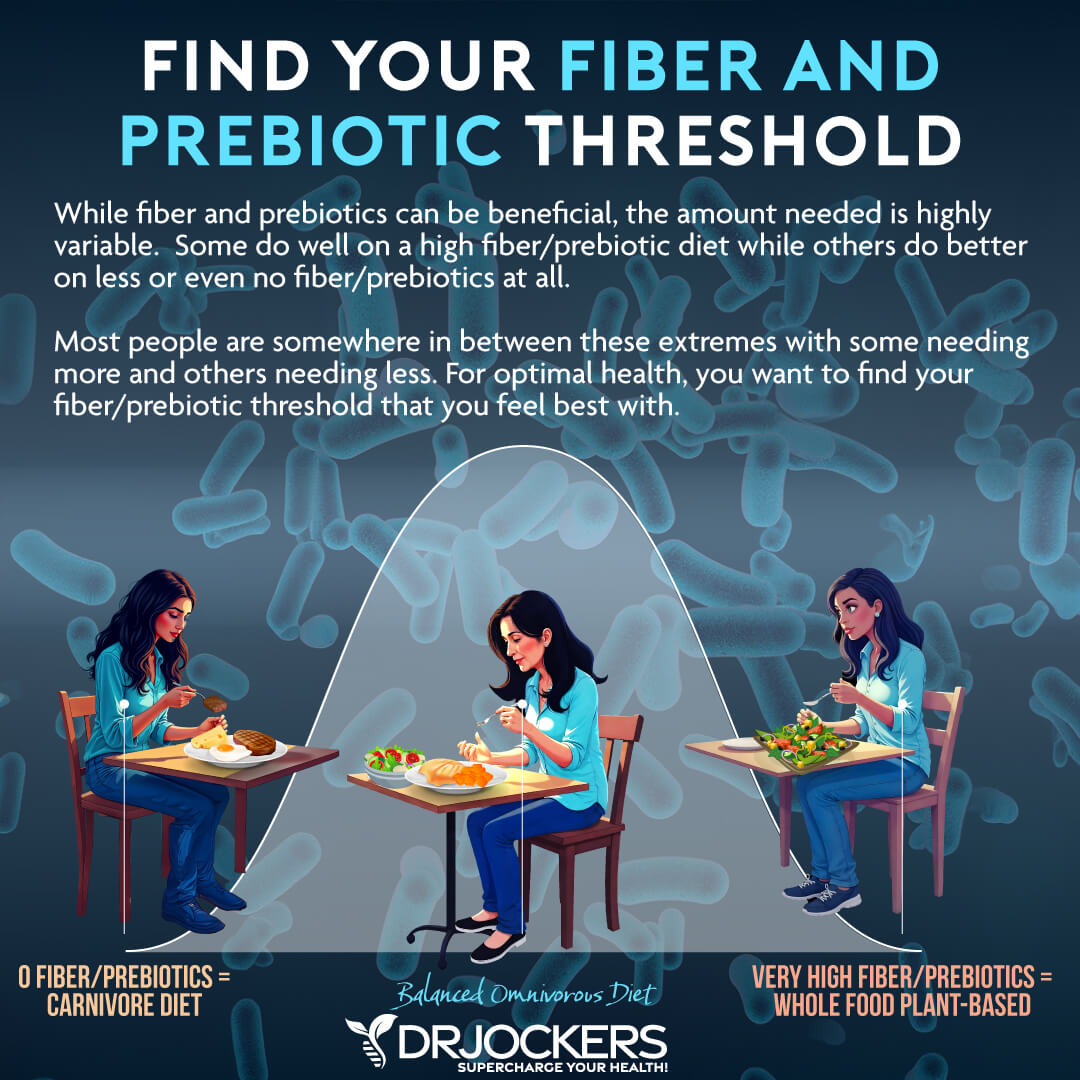
Fiber is found in greens, vegetables, fruits, legumes, nuts, seeds, and whole grains. It is the indigestible portion of these plant foods that can move through the gut largely intact.
While fiber can be beneficial for your gut health, as an antinutrient, it can also interfere with the absorption of certain minerals, such as calcium, iron, zinc, and magnesium, when eaten in large quantities.
A 2009 randomized crossover study published in Diabetes Care looked at 13 subjects with type 2 diabetes (1). They were given a high-fiber diet and then a moderate-fiber diet for 6 weeks each with the same macronutrient and mineral content.
Researchers looked at their urinary mineral content and serum chemistry over 5 days, and their stool weight and mineral content were analyzed over 3 days at the end of each 6-week phase. They found that a high fiber diet impacted calcium and phosphorus balance compared to a moderate fiber one.
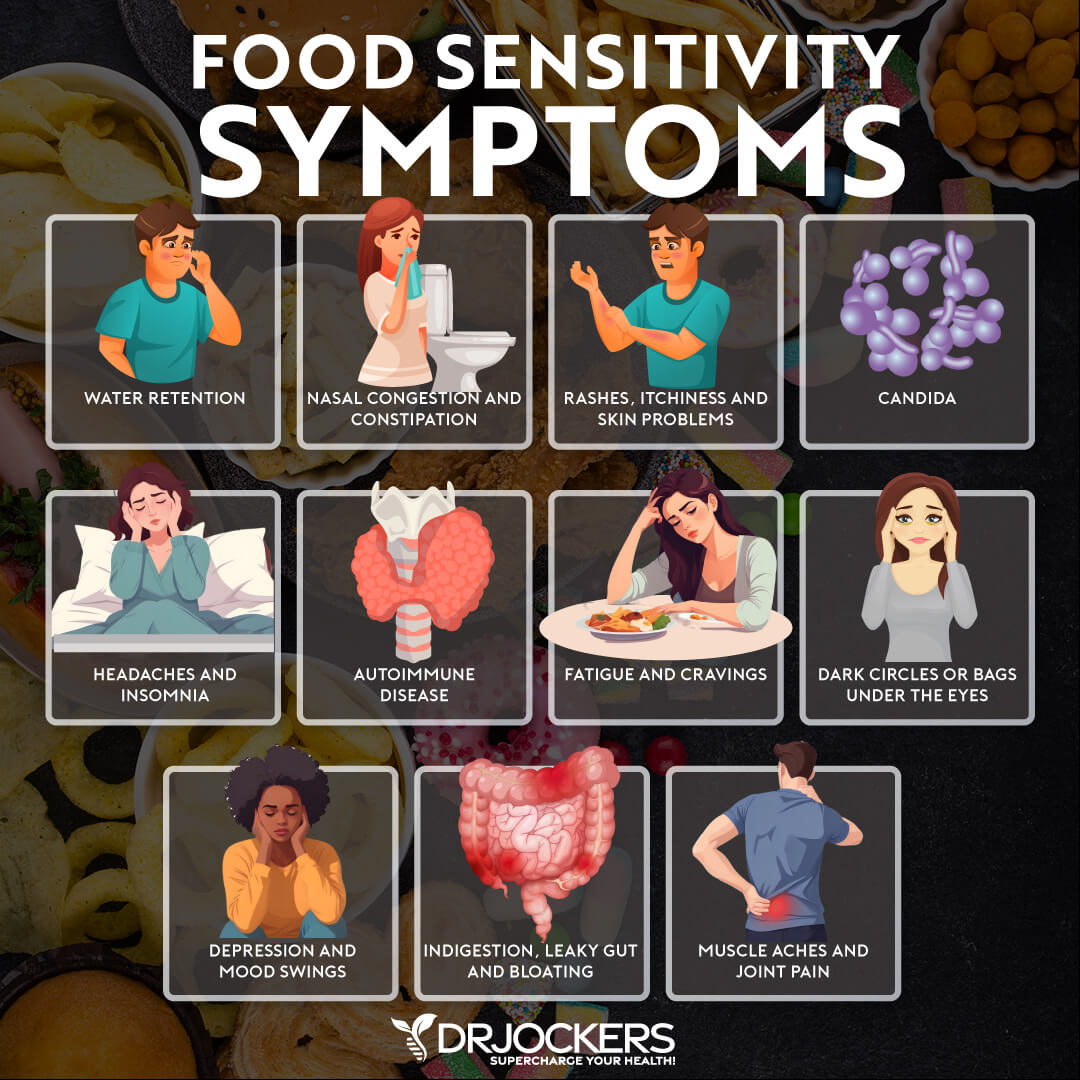
Those who have sensitive digestion, gut inflammation, IBS, or slow motility may tolerate fiber poorly. If you are dealing with these issues, you may be experiencing bloating, constipation, abdominal pain, and gas, especially when consuming insoluble fiber, which may irritate an already inflamed gut lining.
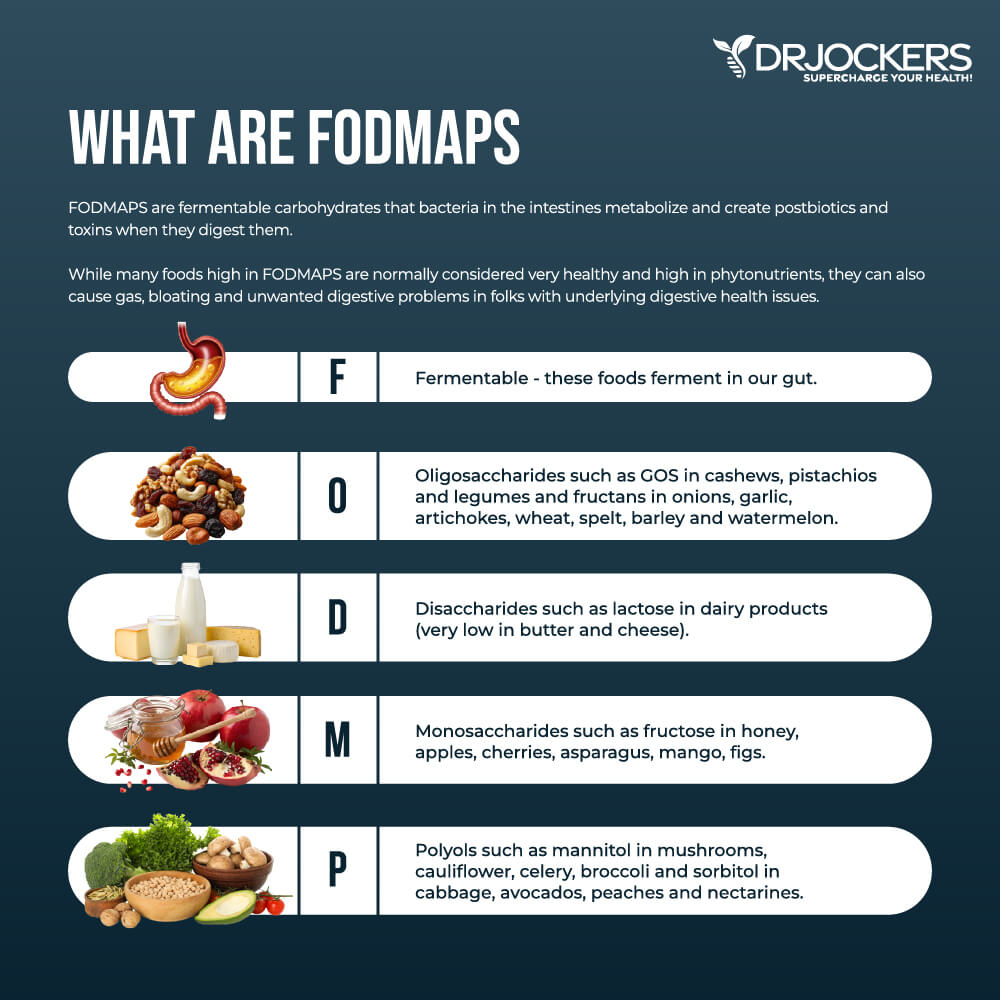
FODMAPS
FODMAPs (Fermentable Oligosaccharides, Disaccharides, Monosaccharides, and Polyols) are short-chain carbohydrates that are poorly absorbed in the small intestine. Foods that have FODMAPS include onions, garlic, wheat, legumes, apples, pears, dairy (lactose), and sugar alcohols like sorbitol. FODMAPS escape digestion, which means they ferment rapidly in the gut.
Those who have irritable bowel syndrome (IBS), small intestinal bacterial overgrowth (SIBO), impaired gut motility, or leaky gut syndrome may experience issues when eating FODMAPS because they draw water into the intestines and feed gas-producing bacteria.
This can cause bloating, cramping, diarrhea, constipation, and abdominal distension. This is why FODMAPS are considered antinutrients.
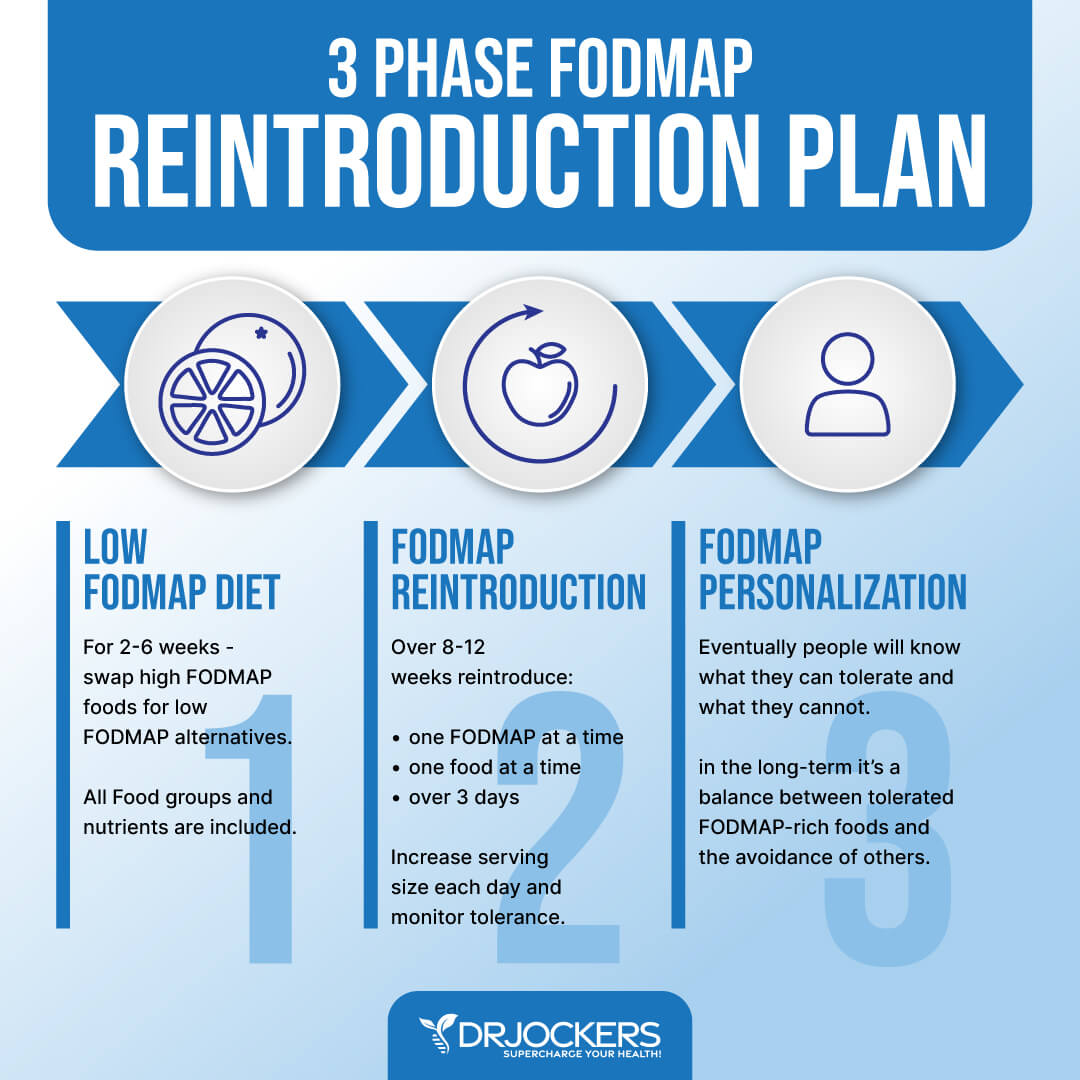
A 2023 narrative review published in Nutrients looked at randomized controlled trials on children and adults over the age of 4 and the effects of a low-FODMAP diet on their stool frequency and regularity, IBS symptoms, and quality of life (2). They found that a low-FODMAP diet helped participants improve bloating, stomach discomfort, pain, and quality of life.
A 2022 study published in Clinical Nutrition has also found that a low-FODMAP diet is more beneficial for IBS symptoms compared to a moderate-FODMAP diet when looking at 29 participants with IBS following each diet for 7 days (3).
Oxalates
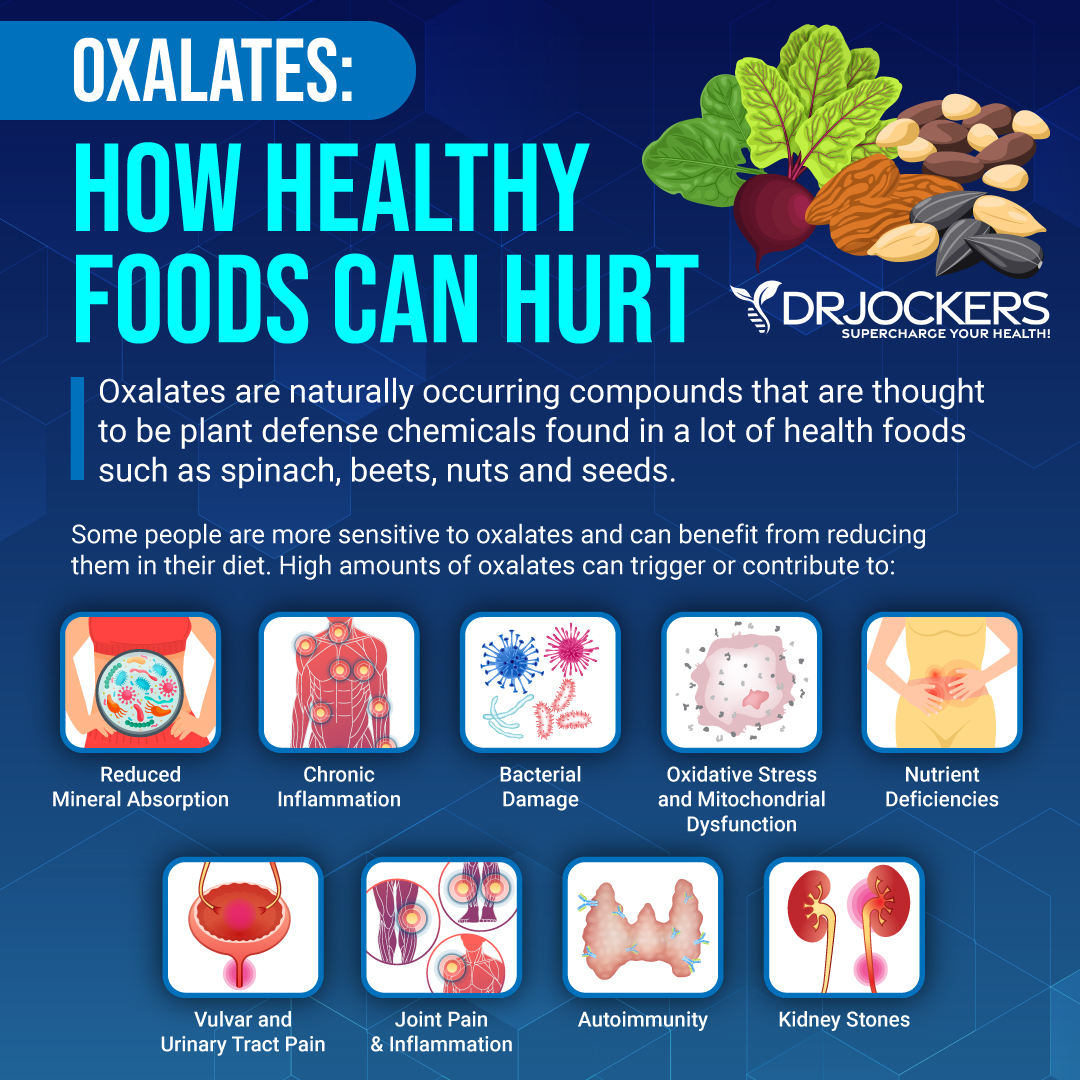
Oxalates are naturally occurring compounds found in various plant foods, including spinach, Swiss chard, beets, sweet potatoes, almonds, chocolate, and black tea. Oxalates are considered antinutrients because they can readily bind to calcium and other minerals and insoluble crystals, which the body cannot absorb or remove easily.
Oxalates can decrease mineral bioavailability and increase the risk of calcium oxalate kidney stones in sensitive individuals. A 2020 review published in Nutrients looked at the link between oxalate intake and kidney outcomes, including kidney stones, acute kidney injury (AKI), and chronic kidney disease (CKD) (4).
Researchers found that high oxalate intake can influence the pathogenesis of the kidneys and increase the risk of kidney problems. They also noted that calcium intake can influence calcium absorption and its urinary excretion; therefore, reducing high-oxalate foods while eating a balanced calcium diet is important for reducing kidney stones and other kidney issues.
High oxalate intake may also increase urinary inflammation, joint pain, vulvar pain, systemic inflammation, and gut dysbiosis. Conditions such as fat malabsorption, low calcium intake, and certain genetic or microbiome factors can increase oxalate absorption.
Phytic Acids
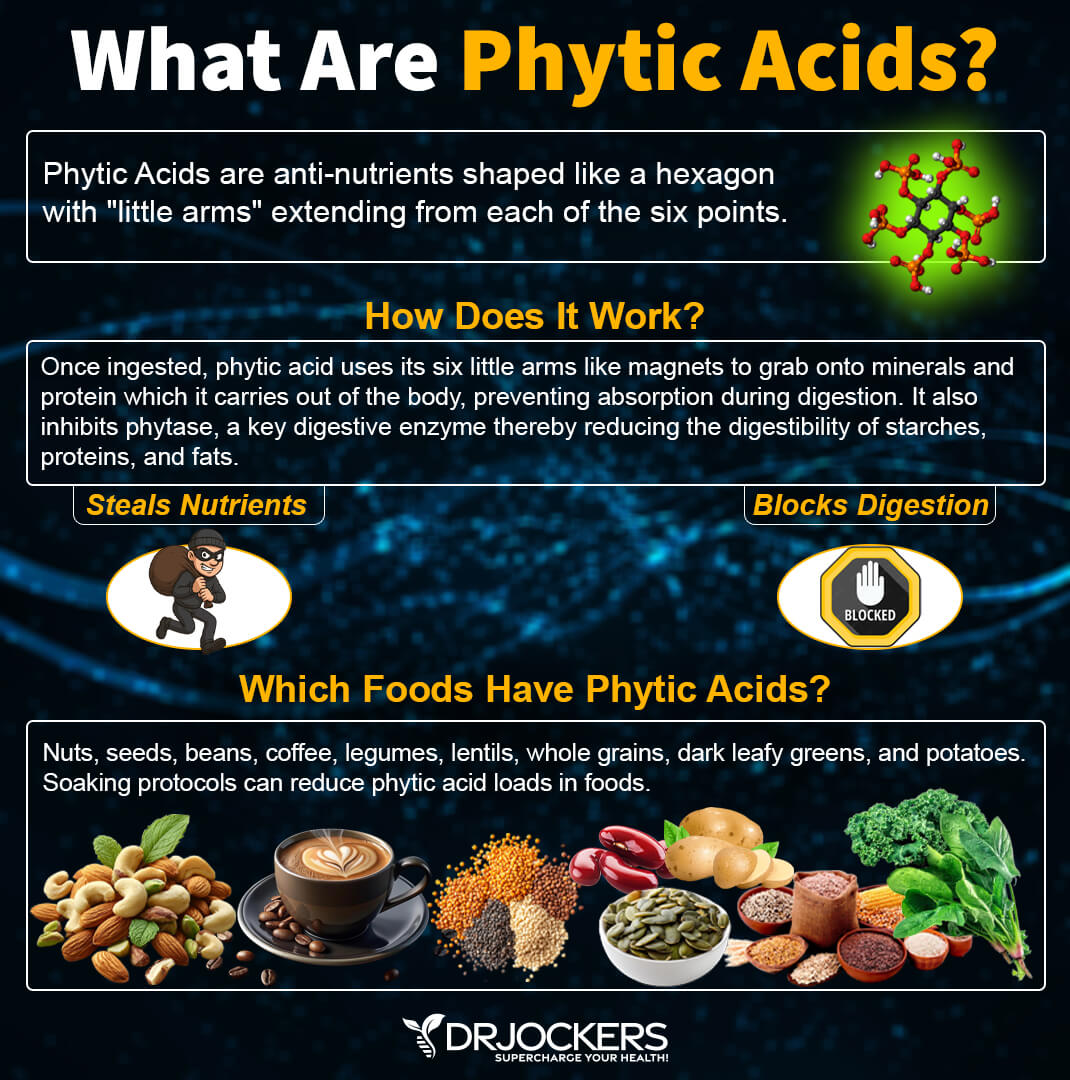
Phytic acid or phytate is the primary storage form of phosphorus in seeds, grains, legumes, nuts, and soy. Foods high in phytic acid include whole grains, beans, lentils, and seeds. Phytic acid can serve as an antinutrient because it binds minerals, such as iron, zinc, calcium, and magnesium, preventing their absorption in the gut.
Phytic acid can become a particular problem in those who heavily rely on grains and legumes as dietary staples. High phytic acid foods can be difficult on digestion, though soaking, sprouting, fermenting, and sourdough fermentation can help to decrease phytic acid content and make these foods easier to digest.
High phytic acid intake may contribute to iron-deficiency anemia, impaired bone health, and zinc deficiency. A 2022 study published in Frontiers in Nutrition looked at the effects of phytic acid in 20 Indian women who were not pregnant or lactating, not chronically ill, with normal iron status, and were not taking supplements (5).
During the study, the women had to consume Ragi roti, a popular breakfast item in the area. Different types of millets were used each time to measure the effects of phytic acid.
Researchers found that low phytic acid accession millet was linked to significantly higher iron absorption compared with the high phytic acid accession millet, suggesting that low phytic acid content may be more favorable for iron absorption and prevention of iron-deficiency and related issues.
Histamines
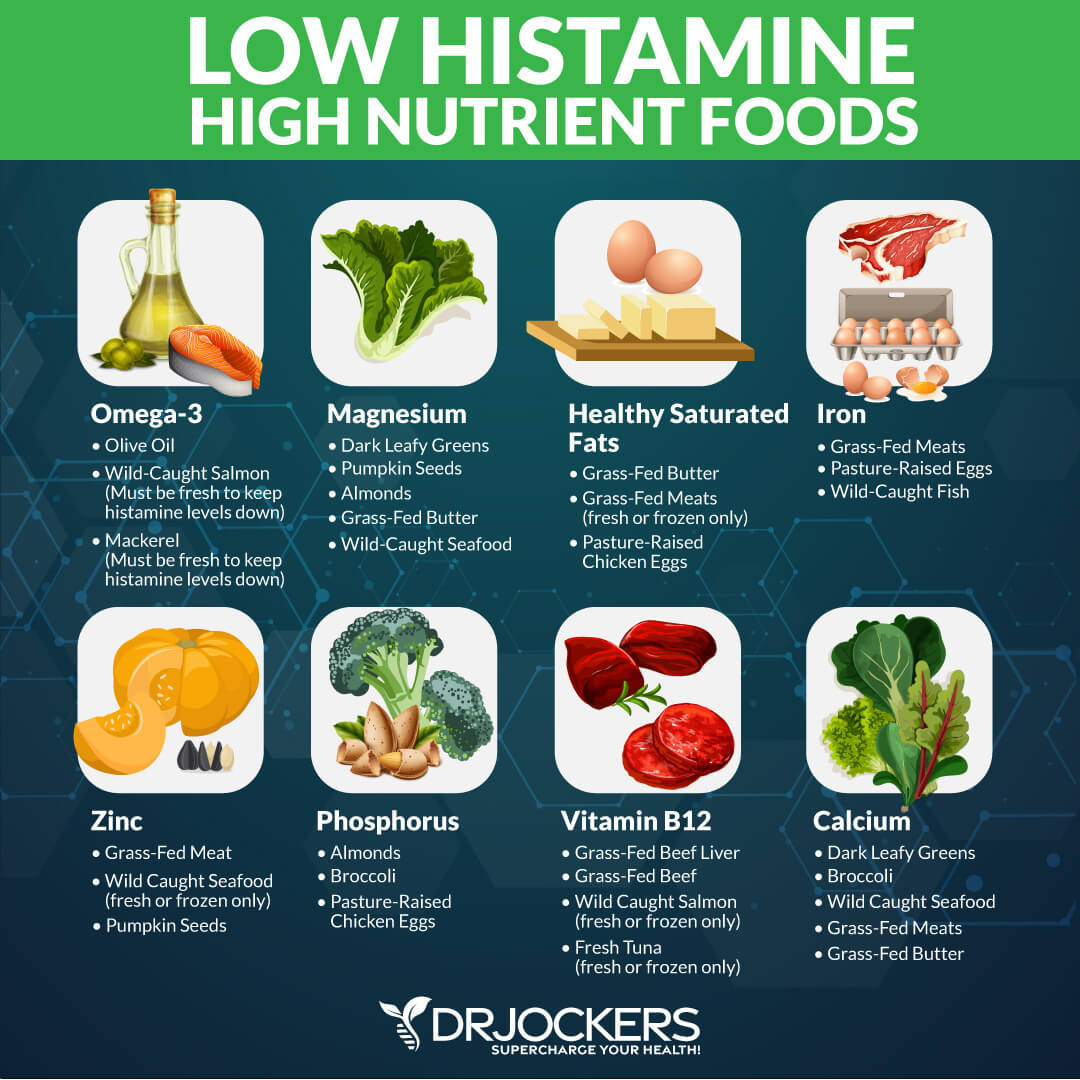
Histamine is a naturally occurring compound that’s involved in immune response, digestion, and neurotransmission. There is a long list of foods that are high in histamine. Some common examples include fermented, aged, or leftover foods such as aged cheeses, cured meats, alcohol, vinegar, sauerkraut, kombucha, and canned fish. There are also foods also trigger histamine release in the body.
Histamine becomes an antinutrient when you eat more than your body can break down. Diamine oxidase (DAO) is an enzyme that helps to break down histamine levels. Low levels of histamine can reduce your body’s ability to break down histamine properly. Gut inflammation, dysbiosis, estrogen dominance, and nutrient deficiencies can impair histamine clearance.
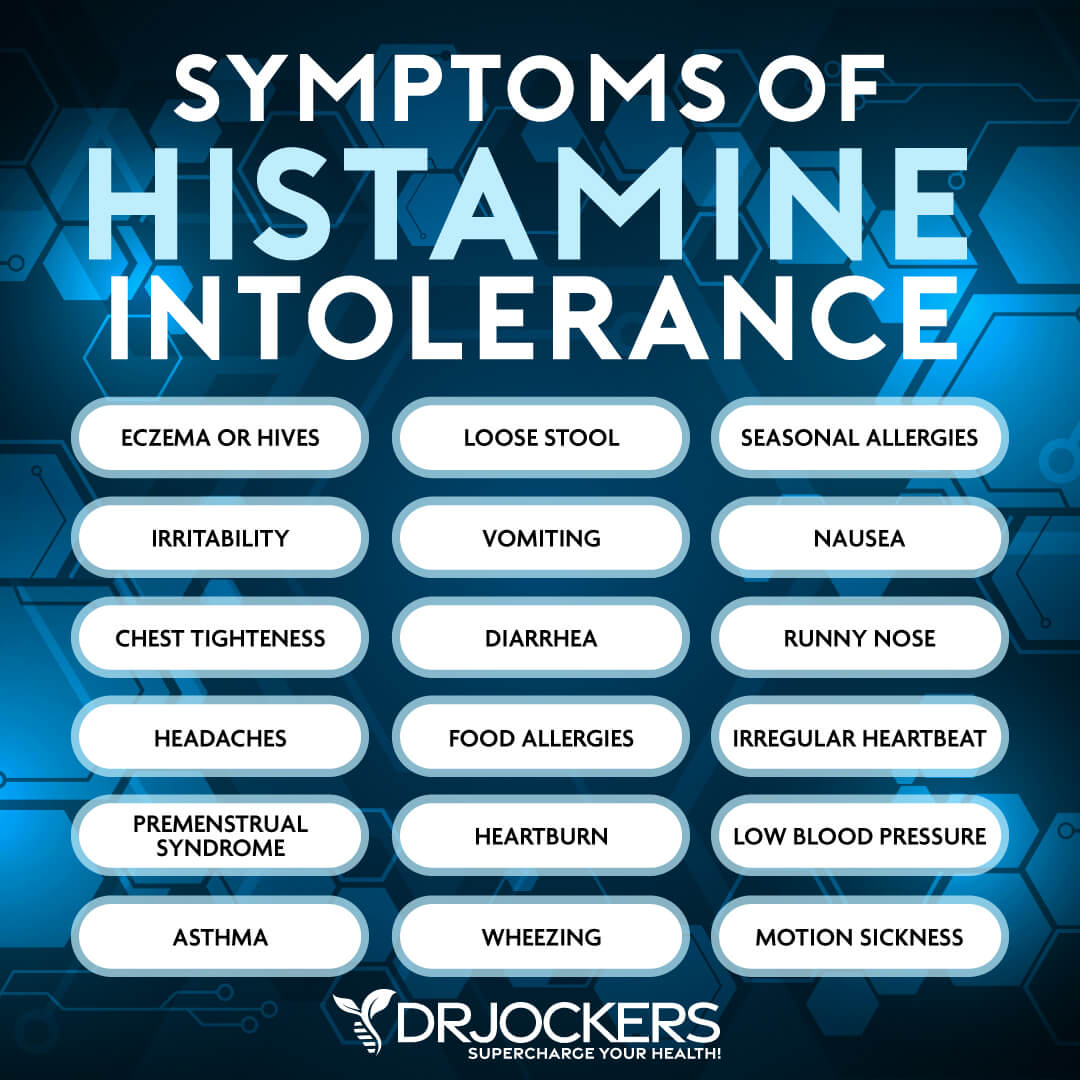
Histamine intolerance means that your body has more histamine than it can handle. According to a 2024 paper published in Nutrients, a survey of 2133 US participants found that 25 percent of participants had histamine intolerance (6). The symptoms of high histamine levels go beyond the gut.
Histamine intolerance can cause headaches, flushing, hives, anxiety, digestive upset, nasal congestion, heart palpitations, and other symptoms. The research indicates that a low-histamine diet is the gold standard to improve histamine issues. Additionally, DAO enzyme supplementation can be beneficial, as well a copper, zinc, vitamin C, and vitamin B6.
Nightshades
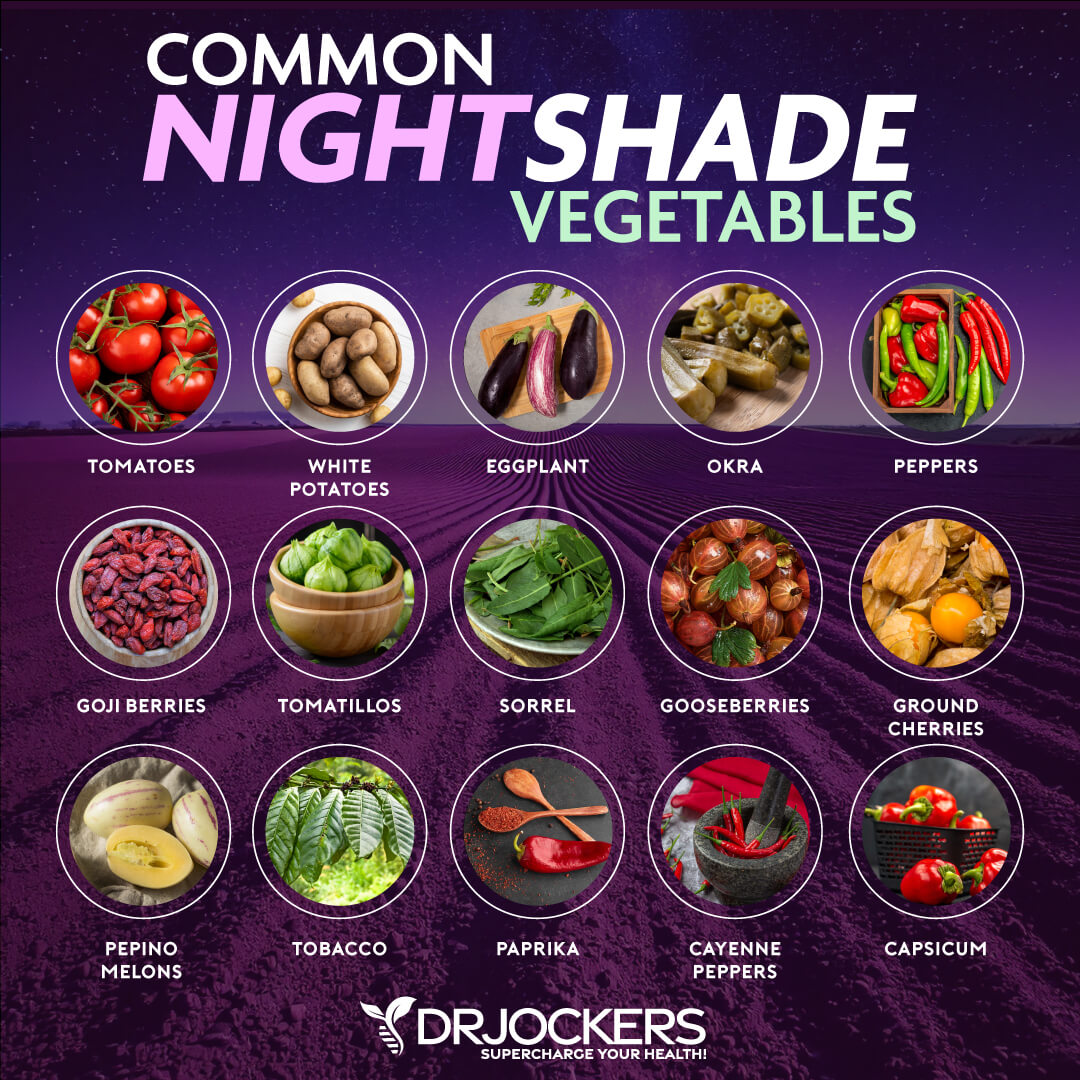
Nightshades are a family of plants (Solanaceae), and they include tomatoes, potatoes, eggplant, peppers, and goji berries. Nightshades contain various compounds, including solanine, lectins, and capsaicin, that may act as antinutrients.
While many people can eat nightshades without a problem, others can develop issues, especially when consuming too much. They may affect gut permeability and immune signaling in sensitive individuals. They can increase chronic inflammation, joint pain, digestive distress, and autoimmune flares, especially in individuals who have rheumatoid arthritis, inflammatory bowel disease, or leaky gut.
A 2023 review published in Digestive Diseases and Sciences glycoalkoids from nightshade vegetables can increase symptoms of gut inflammation and gastrointestinal dysfunction in IBS and irritable bowel diseases (IBD) (7). They may also contribute to mast cell activation in the gut and contribute to food allergic and allergic cross-reactivity and a variety of symptoms as a result.
Salicylates
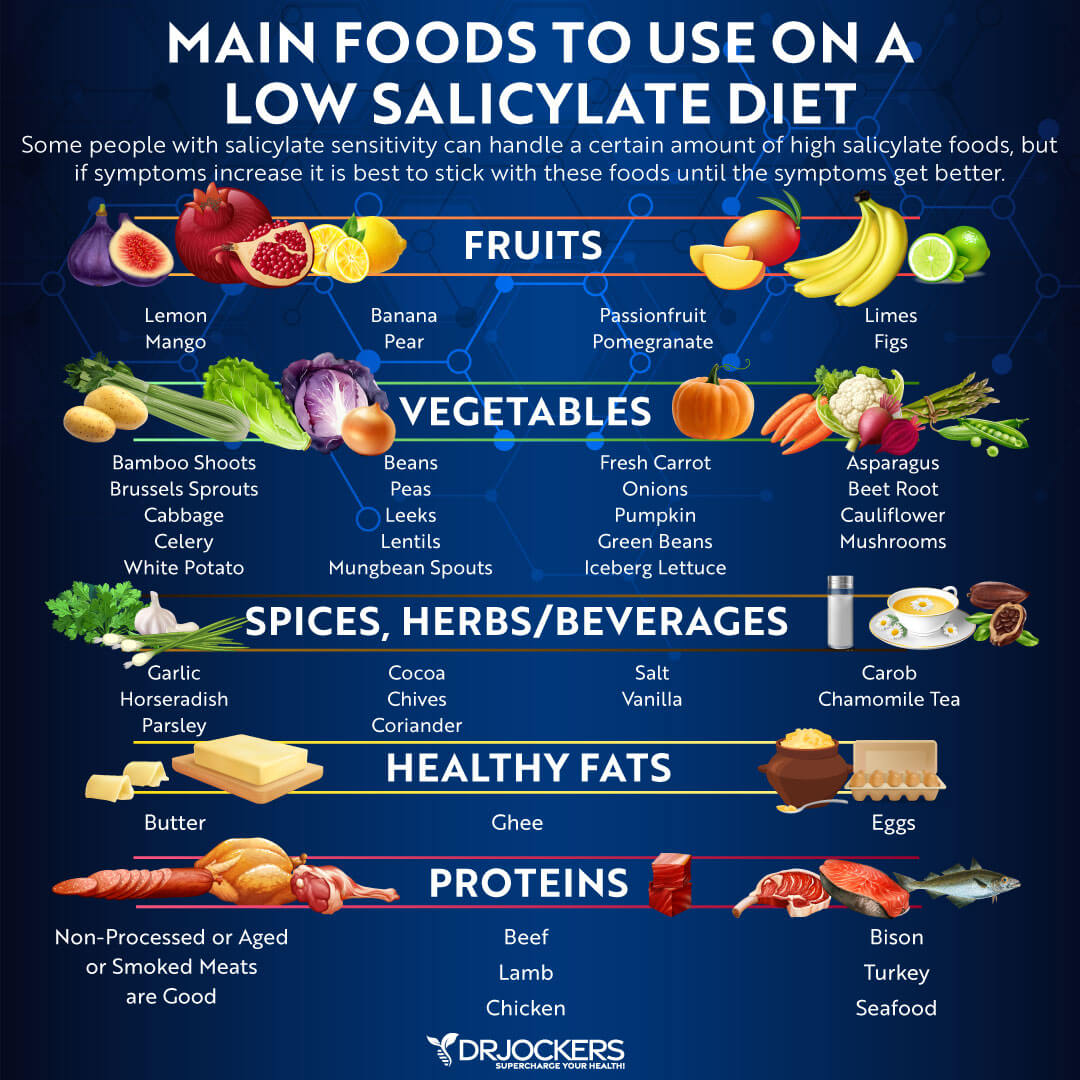
Salicylates are naturally occurring plant chemicals involved in plant defense. They are found in fruits, vegetables, herbs, spices, tea, coffee, and some nuts. Foods that are particularly high in salicylates include berries, apples, citrus, tomatoes, spinach, almonds, and various seasonings.
Salicylates may act as antinutrients because the body has trouble metabolizing them. This often happens due to impaired sulfation pathways or enzyme deficiencies. Salicylate sensitivity can lead to various symptoms, including headaches, hives, asthma-like symptoms, digestive upset, tinnitus, and behavioral changes in children.
A 2021 study published in Nutrients looked at the benefits of a low salicylate diet (8). The study included 34 participants (31 women and three men), over 18 with a diagnosis and persistent symptoms of salicylate sensitivity.
Participants had to follow a personalized low salicylate diet (PLSD) with a maximum of 0.25 mg of salicylates per day for 2 weeks. The study found that a low salicylate diet may be effective for asthma, rhinosinusitis, and urticaria related to salicylate sensitivity.
Mycotoxins
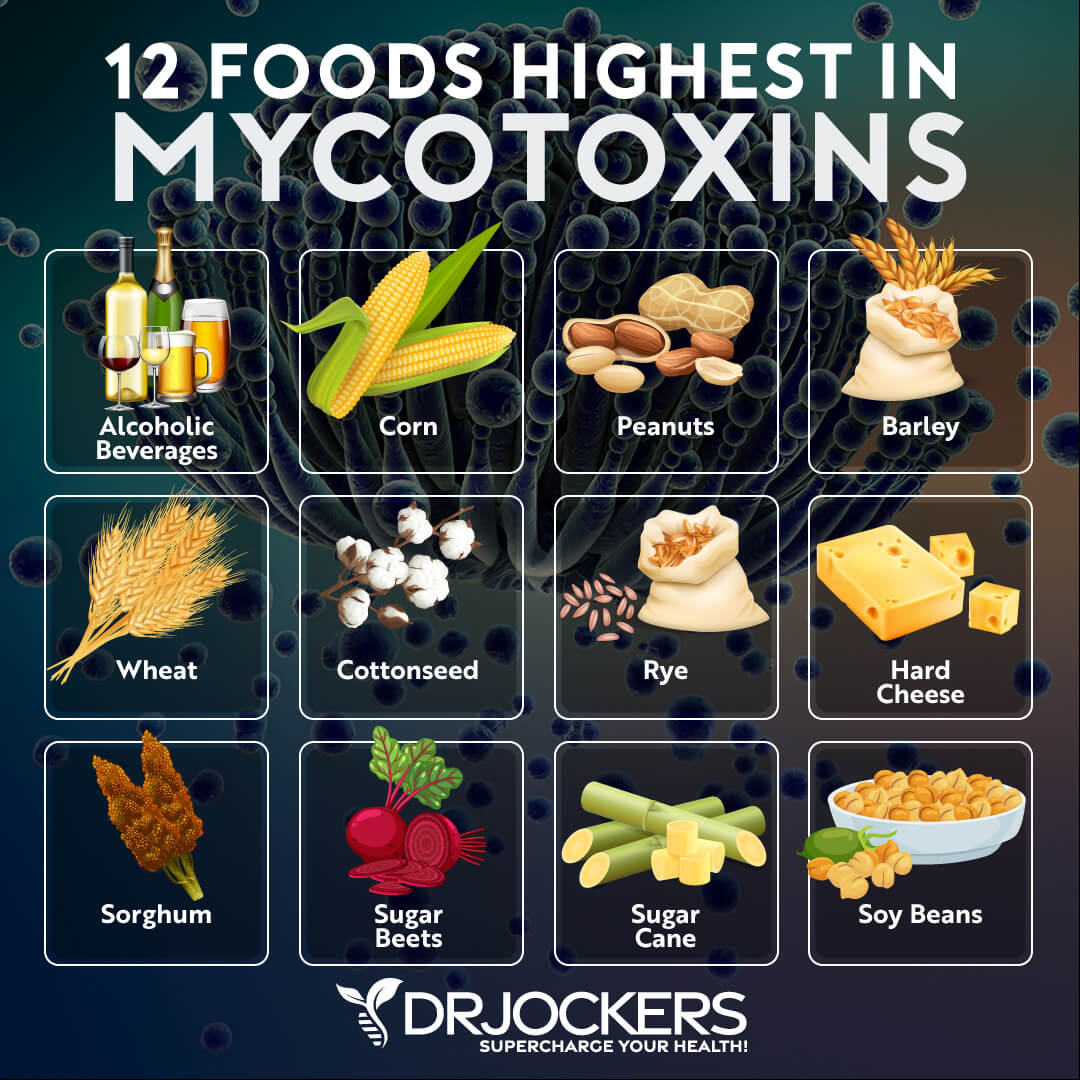
Mycotoxins are toxic compounds made by certain molds. They are not food, but rather come from mold that grows on food, such as grains, corn, peanuts, coffee, dried fruit, and improperly stored spices. Common mycotoxins include aflatoxins, ochratoxin A, and fumonisins.
The problem is that these mycotoxins are not always destroyed by cooking or processing. They are antinutrients because they interfere with nutrient absorption, mitochondrial function, immune regulation, and detoxification pathways.
Chronic mycotoxin exposure can result in poor detoxification, fatigue, brain fog, hormonal disruption, liver stress, immune suppression, inflammatory conditions, and even an increased risk of cancer.
A 2025 review published in Journal of Future Foods has found that mycotoxins can increase oxidative stress, metabolic issues, and DNA damage, and may have carcinogenic, mutagenic, neurotoxic, immunosuppressive, and teratogenic effects, account to animal studies (9). Improving quality, storage conditions, and dietary variety can decrease the risk of mycotoxin exposure from food.
Key Nutrition and Healing Strategies
Let’s look at some of the key nutrition and healing strategies I recommend to reduce issues with antinutrients. I also have a detailed article on how to personalize your nutrition plan that takes into account all of these potential anti-nutrients.
Blood Sugar Stabilizing Nutrition Plan
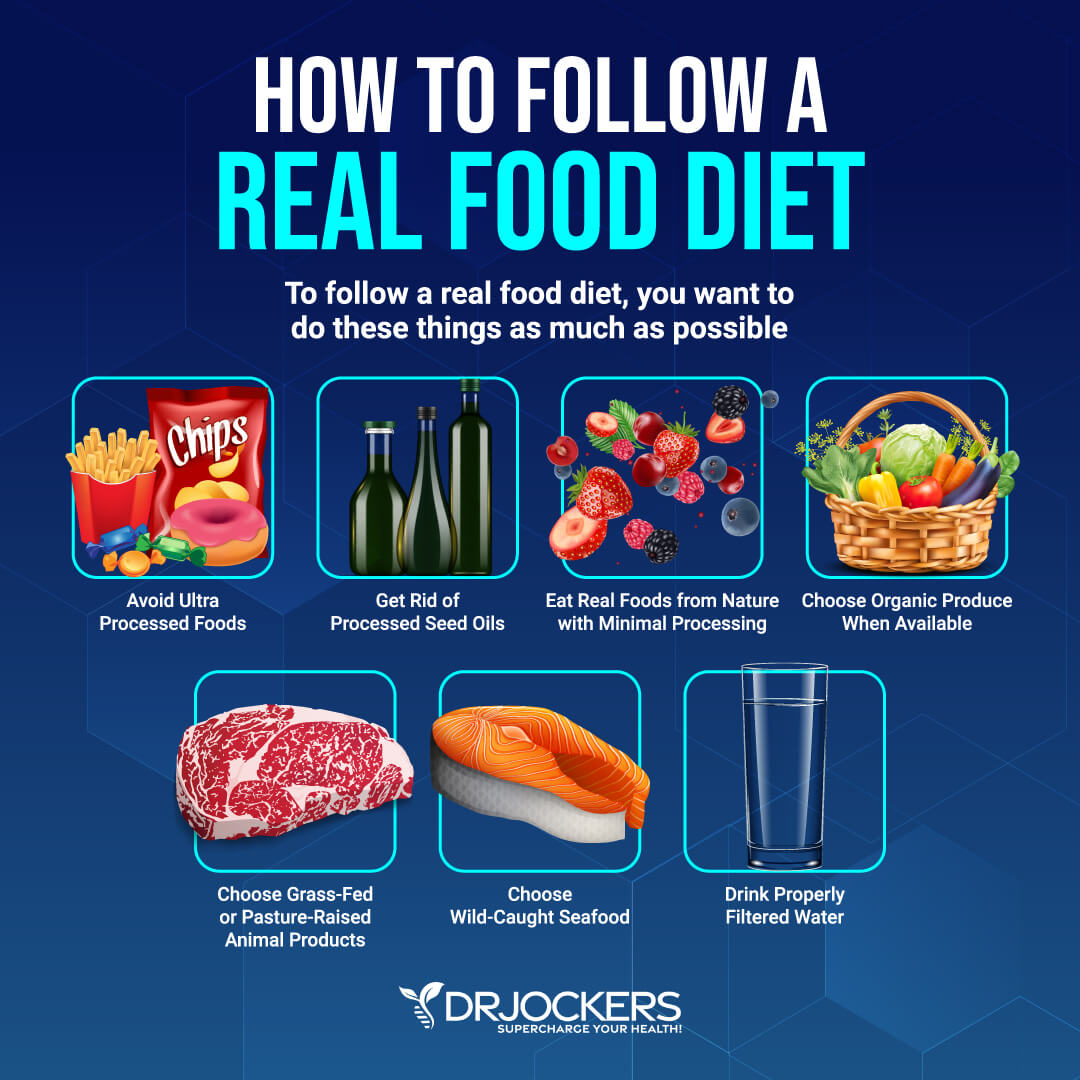
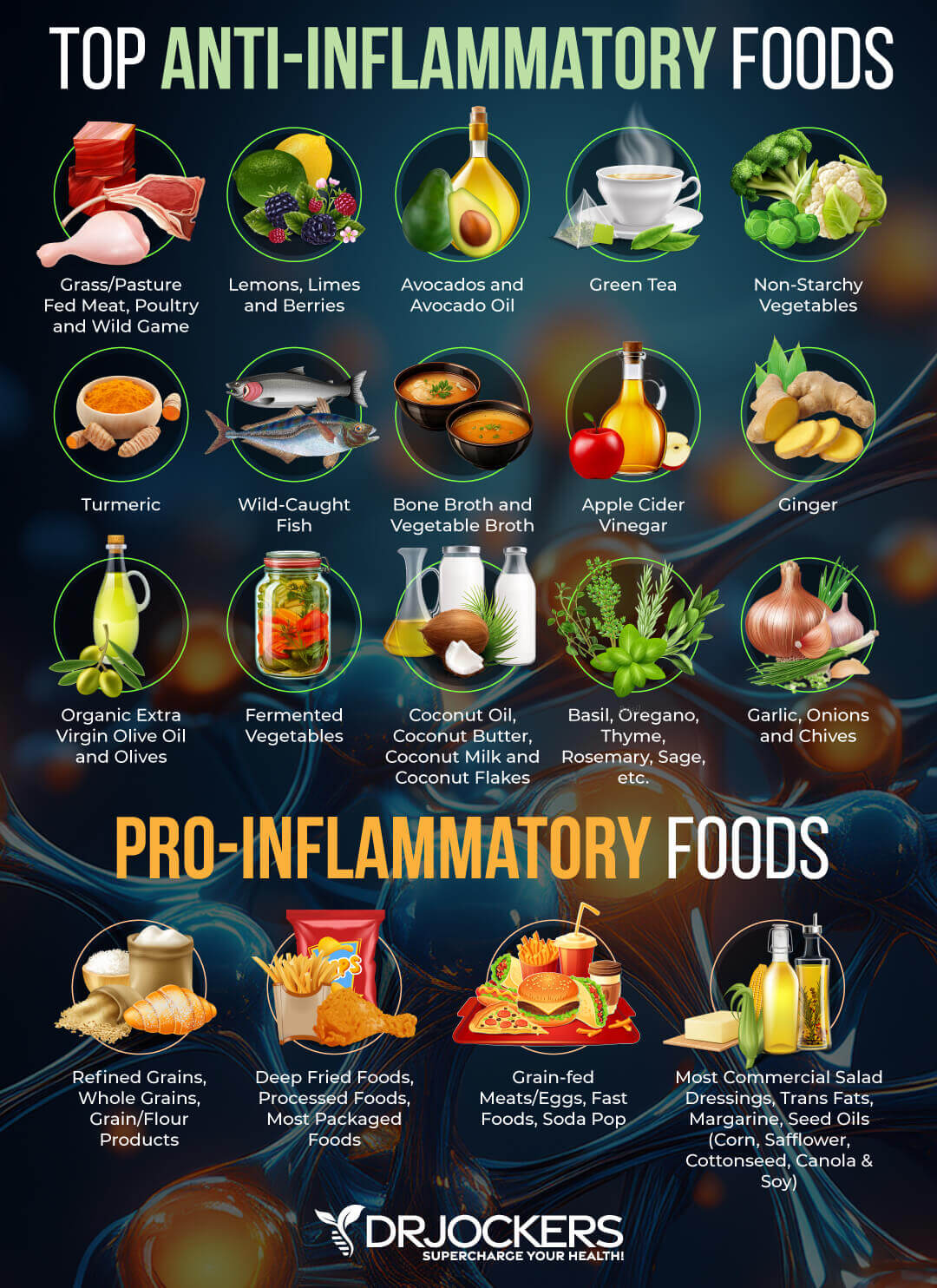
I recommend a blood sugar stabilizing nutrition plan. Follow a diet of real, whole foods.
Remove ultra-processed foods, artificial ingredients, additives, and other unhealthy foods. Reduce or eliminate grain consumption. Quinoa, amaranth, buckwheat, wild rice, brown rice, and chickpea pasta may be great options for gluten-free grain-like foods instead. Avoid food sensitivities and food allergens you have issues with.
Choose organic as much as possible. For animal products, ideally, consume organic grass-fed beef and meat, pasture-raised poultry and eggs, wild-caught fish and seafood, and wild game.
Prioritize protein and healthy fats. Protein should mostly come from clean animal sources, but nuts and seeds provide extra protein. Great fat sources include extra-virgin olive oil, olives, coconut oil, coconut meat, butter, ghee, and other animal fat.
Keep your carbohydrate intake low, mainly coming from sweet vegetables and low-glycemic index fruits. Consume colorful greens, vegetables, sprouts, and fruits, but be aware of your tolerance point of plant-based antinutrients. Consider probiotic-rich fermented foods, unless you have histamine intolerance.
Be Aware of Antinutrients and Find Tolerance Point
Remember, antinutrients are not inherently bad, but we all have different bodies and different tolerance points. Pay attention to your body’s signals. If you notice that you are having digestive discomfort or other symptoms when eating too much of a certain antinutrient, back off until you find that you are not triggered.
You may find that you have to avoid certain anti-nutrients for the most part, but you can be much more generous with another one. Your tolerance point may change over time, so it’s important that you are aware of your own body’s messages.
Keep Stress Down and Prioritize Good Rest
Creating a health and wellness is not only about your diet, but your lifestyle too. Chronic stress and poor sleep can lead to chronic inflammation, gut imbalances, chronic symptoms, and chronic health issues. Keeping your stress levels down and prioritizing good rest is critical.
Avoid scrolling social media and reading your news every day to avoid a constant stressor in your life. Designate a specific time in your day to stay informed, but outside of that, focus on things that fill your bucket.
Practice meditation, breathwork, mindfulness, prayer and gratitude to reduce stress and help your body deal with stress better. Try journaling to release negative thoughts and recognize unhelpful thought patterns. Surround yourself with supportive friends and family and engage in work and hobbies that fulfill you.
Prioritize getting 7 to 9 hours of sleep each night. Create an evening routine that supports your sleep. Avoid stress, electronics, heavy food, sugar, and alcohol in the evening, several times before bedtime.
Engage in relaxing activities, including calm family times, board games, crossword puzzles, reading fiction, lying on a PEMF mat, taking a healing bath, meditation, and prayer. Ensure that your bedroom is dark and cool, and you have a supportive mattress, pillows, and bedding.

Support Gut-Mitochondrial and Microbiome Health
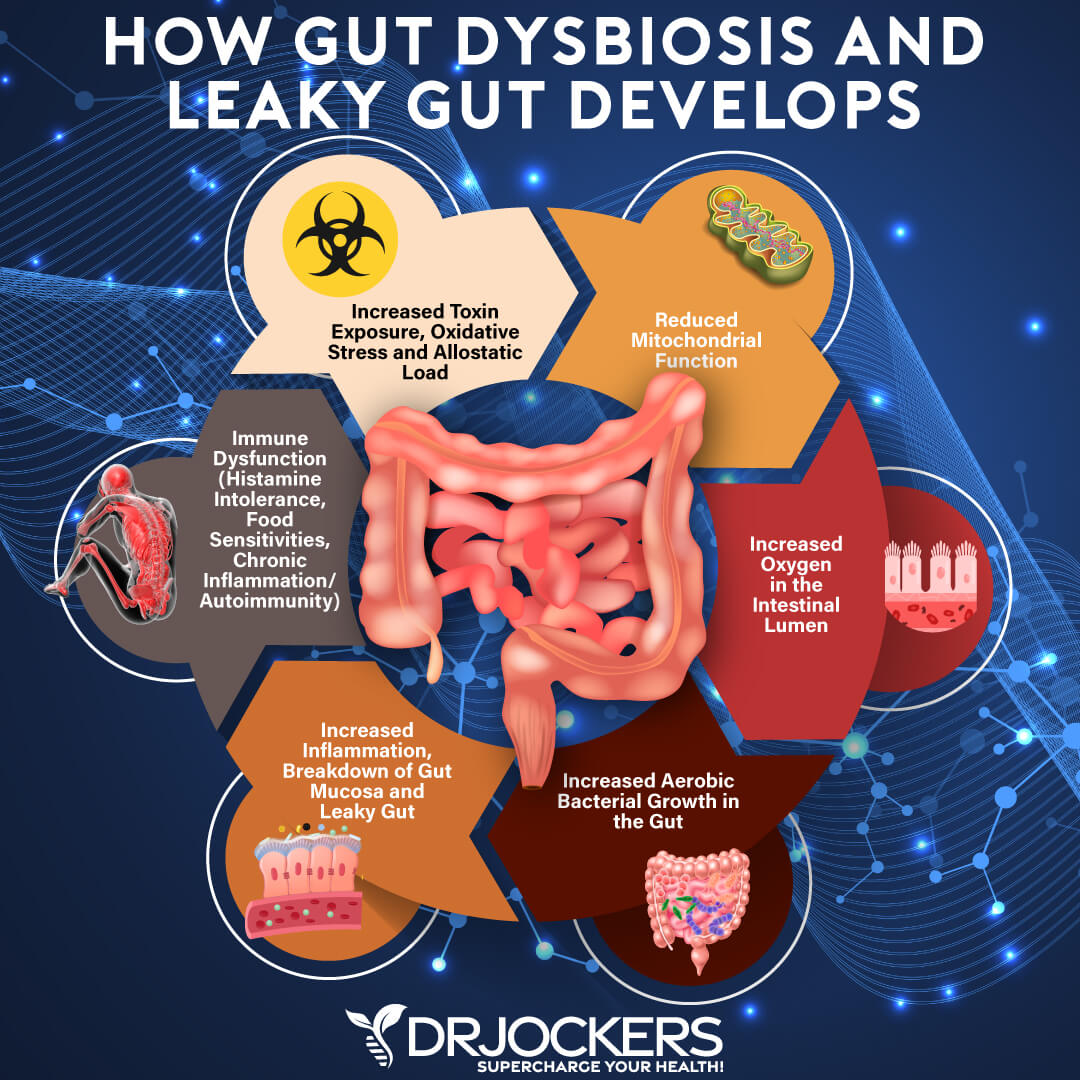
Support your gut-mitochondrial and microbiome health to reduce gut inflammation, irritation, and gut-related issues. Improving your gut health may also improve your tolerance to antinutrients in plant foods.
I recommend using bioactive carbons and other toxin binders which can be really helpful for detoxifying glyphosate, ammonia, endotoxins, chemicals and heavy metals in the gut. This helps take stress off of the mitochondria and helps enhance the microbiome.
Key Nutrients to Support Gut Healing:
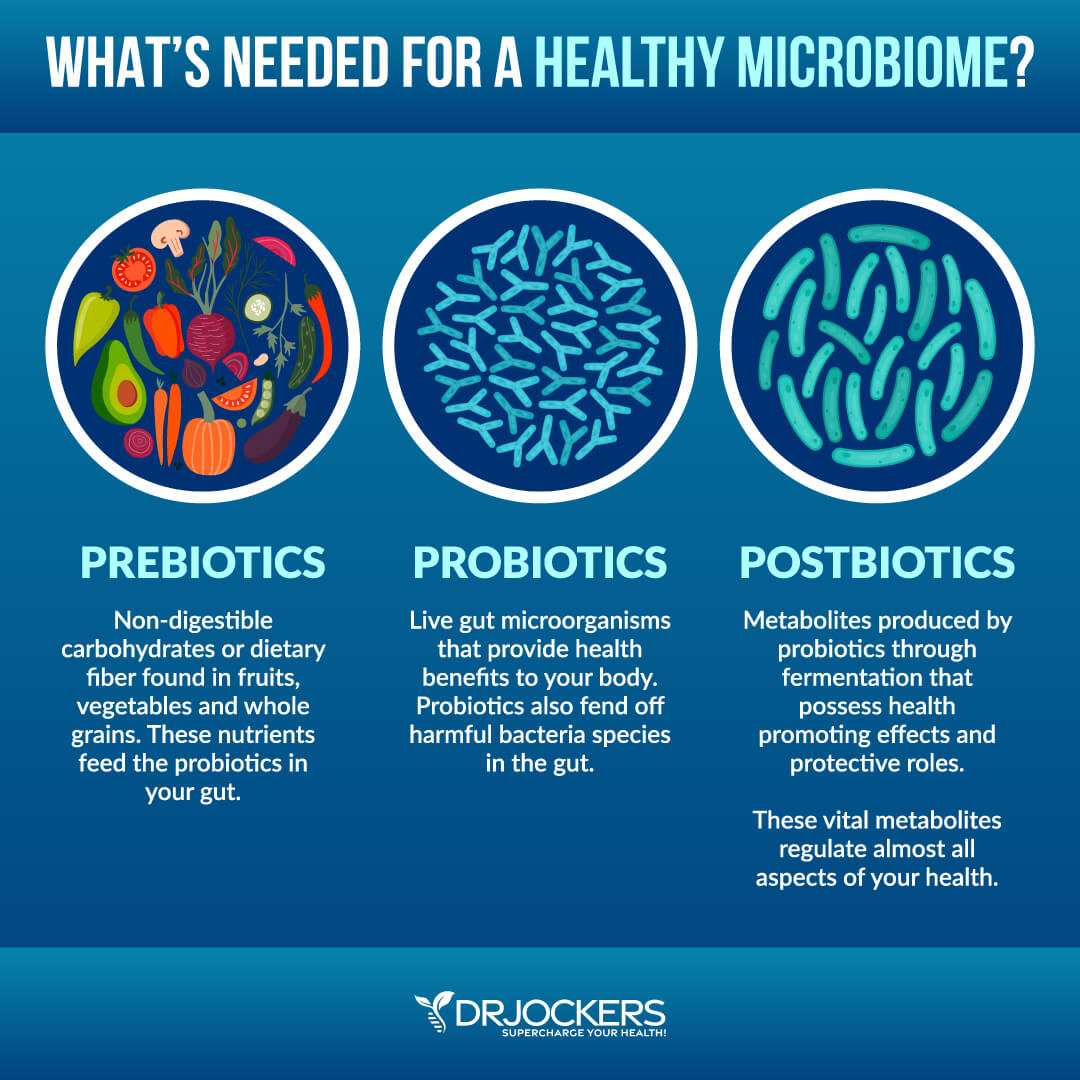
The gut needs 3 key compounds in order to heal itself and regulate the gut microbiome. The goal of these 3 compounds is to strengthen the intestinal cell mitochondria and make the intestinal cells stronger and more resilient.
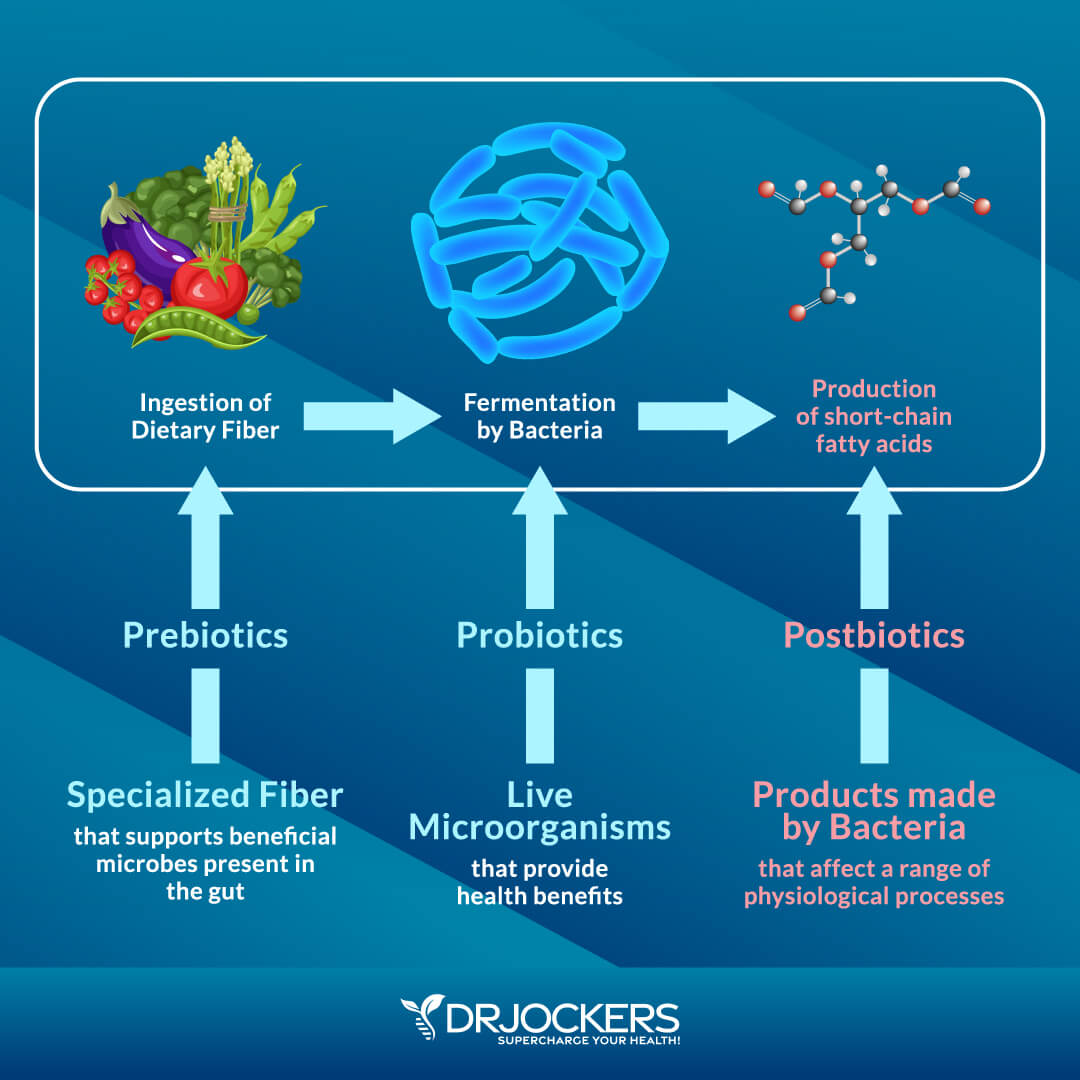
Prebiotics: These are compounds that feed and nourish healthy gut bacteria.
Probiotics: These are beneficial bacteria that eat toxins and secrete nutrients to support the gut lining.
Postbiotics: These are compounds released from healthy probiotic bacteria that enhance the function and integrity of the intestinal cell mitochondria. The most well studied postbiotic is a short chain fatty acid called butyric acid, which acts like mitochondrial medicine in restoring mitochondrial function, especially in the intestinal lining.
The Problem with Most Prebiotics
The problem is that many types of prebiotics, such as various fibers and polysaccharides from plant-based foods actually cause more problems for a number of individuals if they have the wrong intestinal ecosystem. This is because the aerobic, pathogenic microbes will flourish with these fibers and release more toxins and inflammatory compounds.
We need prebiotics that do a few things
- Provide beneficial nutritional support to healthy gut microbes
- Bind and help remove toxins and bad microbes
- Restore key minerals and nutrients for the intestinal cells
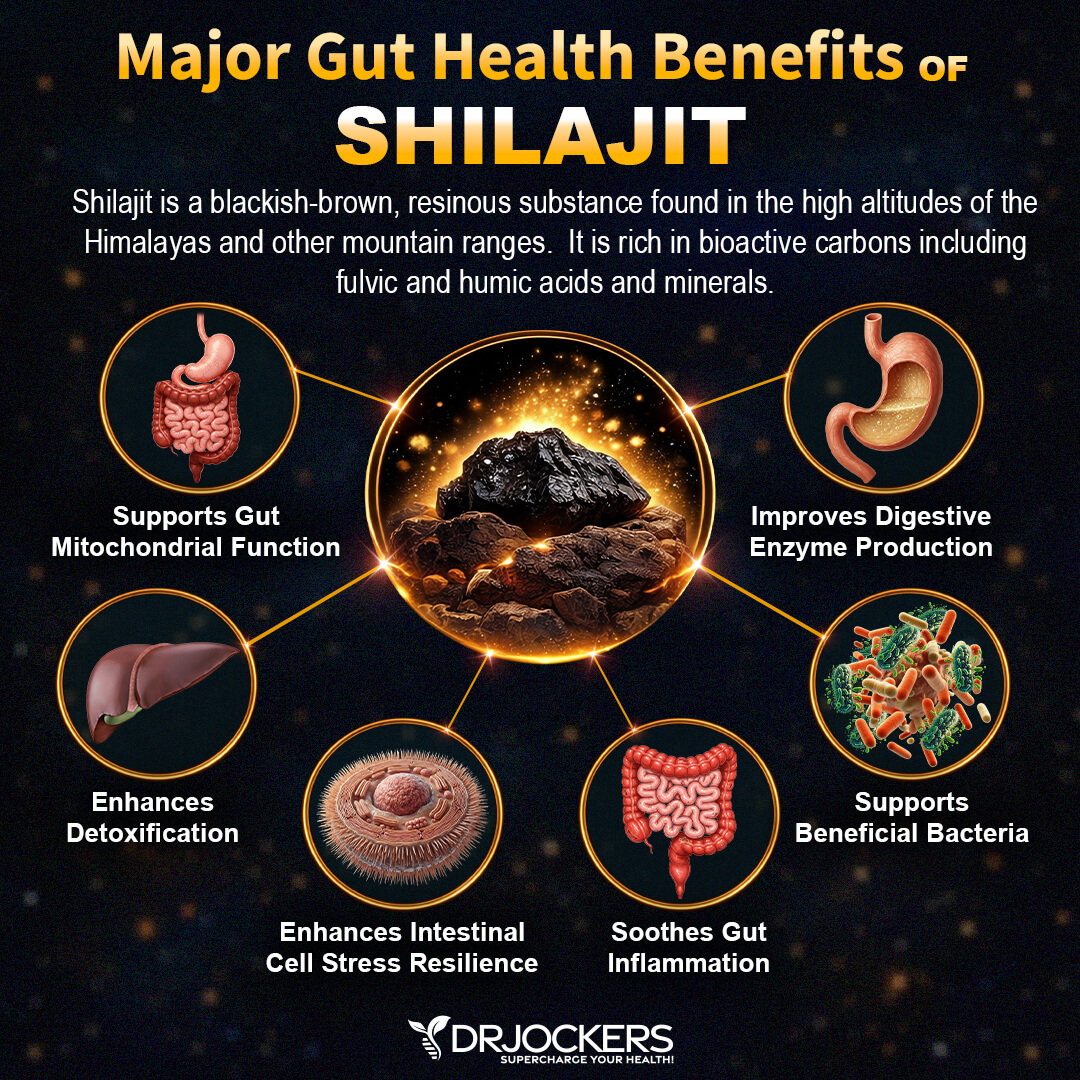
Based on these 3 things, the only truly beneficial prebiotic for someone struggling with leaky gut is a unique compound called Shilajit due to its high bioactive fulvic and humic acid and mineral content.
Shilajit is a blackish-brown, resinous substance found in the high altitudes of the Himalayas and other mountain ranges. It is a traditional Ayurvedic medicine that has been used for centuries.
- Supports Beneficial Bacteria: Shilajit contains bioactive compounds, notably fulvic and humic acids, that may encourage the proliferation of beneficial gut flora while simultaneously helping to inhibit the growth of harmful bacteria. This helps maintain a balanced and diverse gut environment, which is crucial for optimal digestion and immune function.
- Enhancing Nutrient Absorption: Fulvic acid’s properties include enhancing the transport and absorption of minerals and other vital nutrients into the cells. By improving the efficiency of nutrient uptake from food, it supports overall digestive health.
- Soothing the Gut: Shilajit exhibits anti-inflammatory properties that may help soothe the digestive tract and reduce gut inflammation.
- Detoxification: Its humic substances may help cleanse the digestive system by binding to and flushing out toxins and heavy metals, creating a healthier environment for beneficial bacteria to thrive.
- Improving Digestive Enzyme Production: Shilajit may support the body’s production of digestive enzymes, which are essential for breaking down food effectively.
If you tolerate them well, consume probiotic-rich fermented foods, such as sauerkraut, kimchi, fermented vegetables, yogurt, kefir, and kombucha, to improve healthy gut bacteria load. If you tolerate them well, eat prebiotic-rich foods, such as garlic, onion, leeks, Jerusalem artichokes, asparagus, dandelion greens, and apples, to feed good gut microbes.
If you do poorly with fermented and prebiotic rich foods, obviously reduce or avoid them. For some people, a short-term low-FODMAP, low-histamine or even a carnivore diet can be very helpful.
The Problem With Most Probiotics:
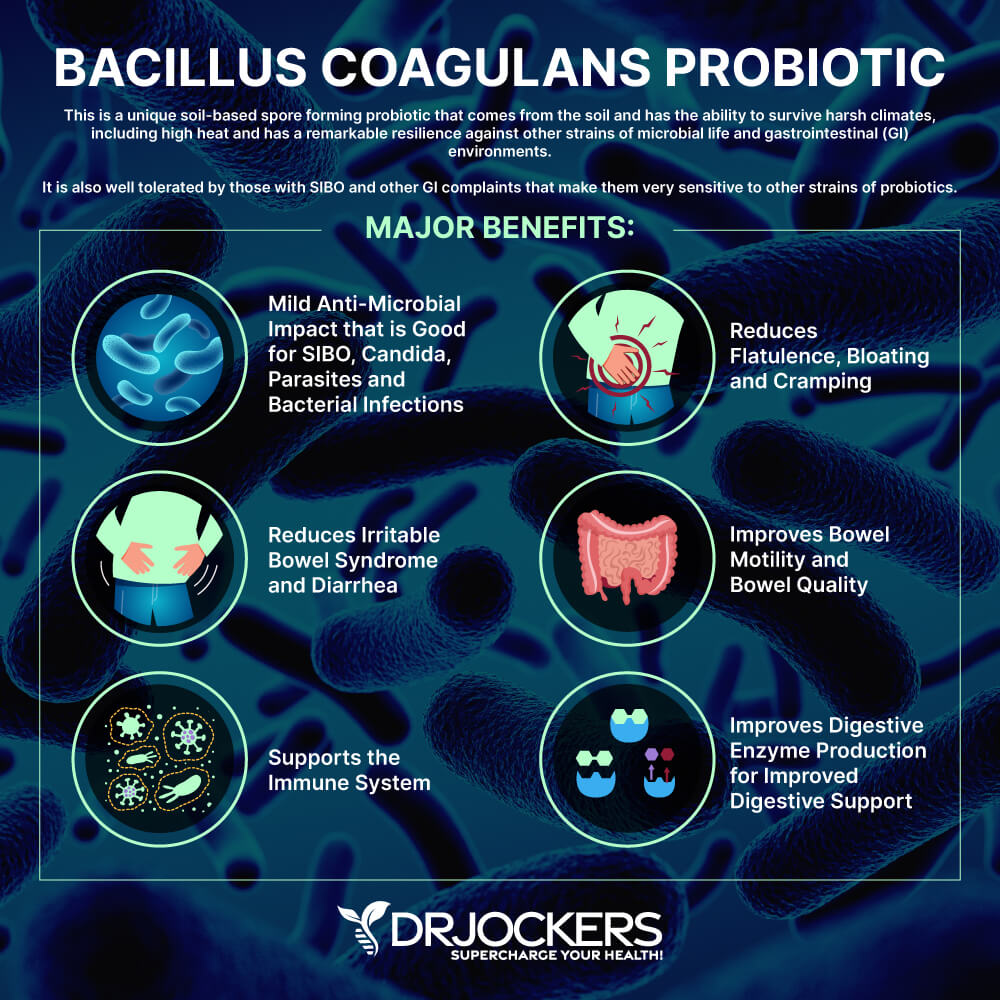
The problem with most probiotic supplements is that they don’t survive the harsh environment of stomach acid, many don’t actually produce much butyric acid and other beneficial postbiotic compounds and others may actually cause more traffic and stress in the gut.
We also need probiotics that do the following
- Spore forming to survive the harsh stomach acid and make into the intestines alive
- Produce abundant amounts of mitochondrial medicine in the form of butyric acid and other beneficial postbiotic compounds.
- Release a variety of antimicrobial compounds that inhibit and trim down the amount of aerobic bacteria in the gut.
The only classification of probiotics that fit these standards is the spore forming bacillus strains of bacteria. We recommend the most well studied bacillus strains, bacillus coagulans and bacillus subtilis.
The combination of these 2 have been shown to be very effective for improving digestive and immune health. They have been shown to help heal the gut barrier and support the production of sIgA and T-lymphocytes in the gut which are critical to a healthy immune and inflammatory response.
The best dosage is roughly 4-8 billion CFU daily of bacillus coagulans and 2-4 billion CFU of bacillus subtilis daily.
The Problem with Most Postbiotics:
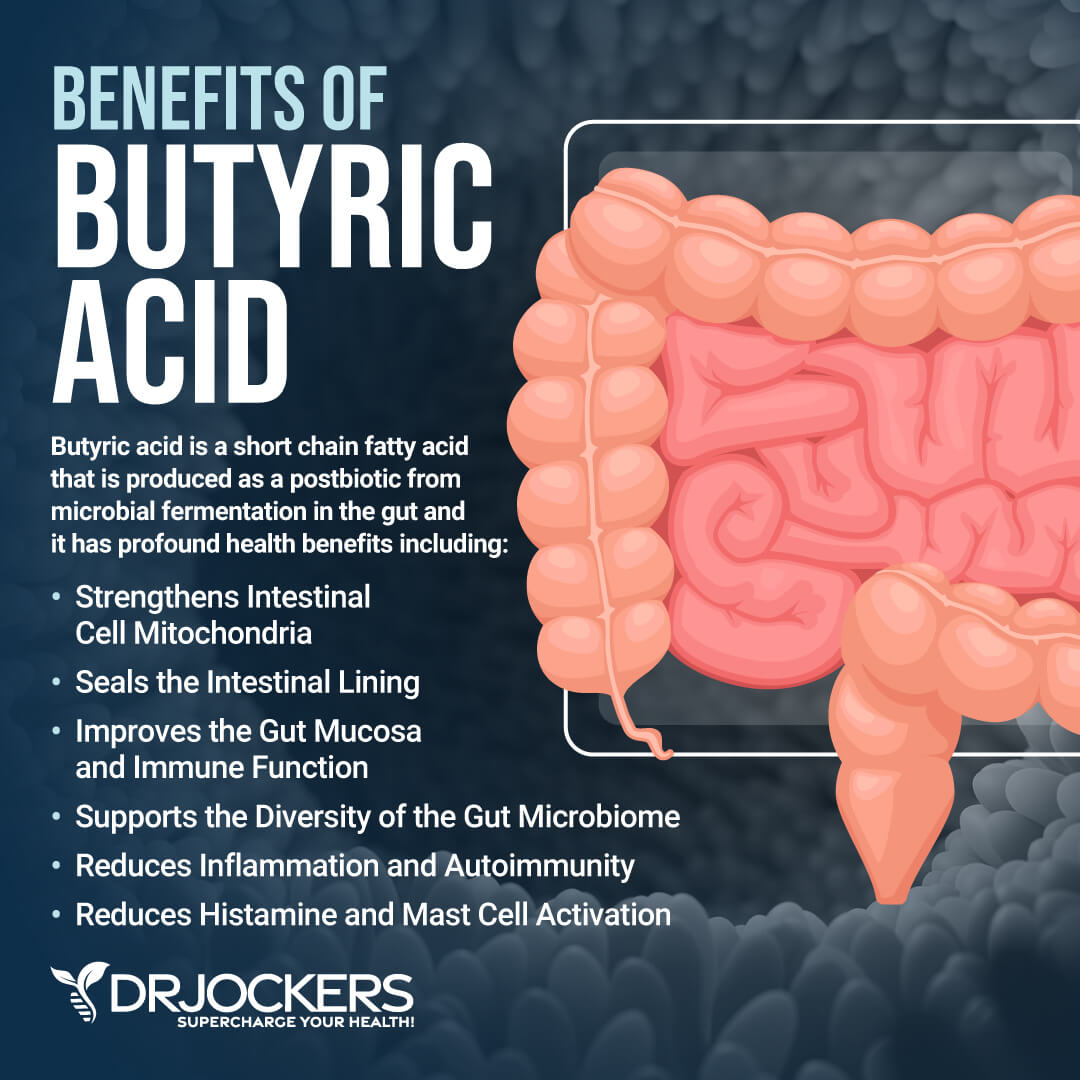
There aren’t a lot of postbiotic supplements on the market but the most well studied postbiotic is butyric acid (or butyrate), which has been shown to
- Strengthen the Intestinal Cell Mitochondria
- Seals the Intestinal Lining
- Improves the Gut Mucosa and Immune Function
- Supports the Diversity of the Gut Microbiome
- Improves Inflammatory Processes
- Reduces Histamine and Mast Cell Activation
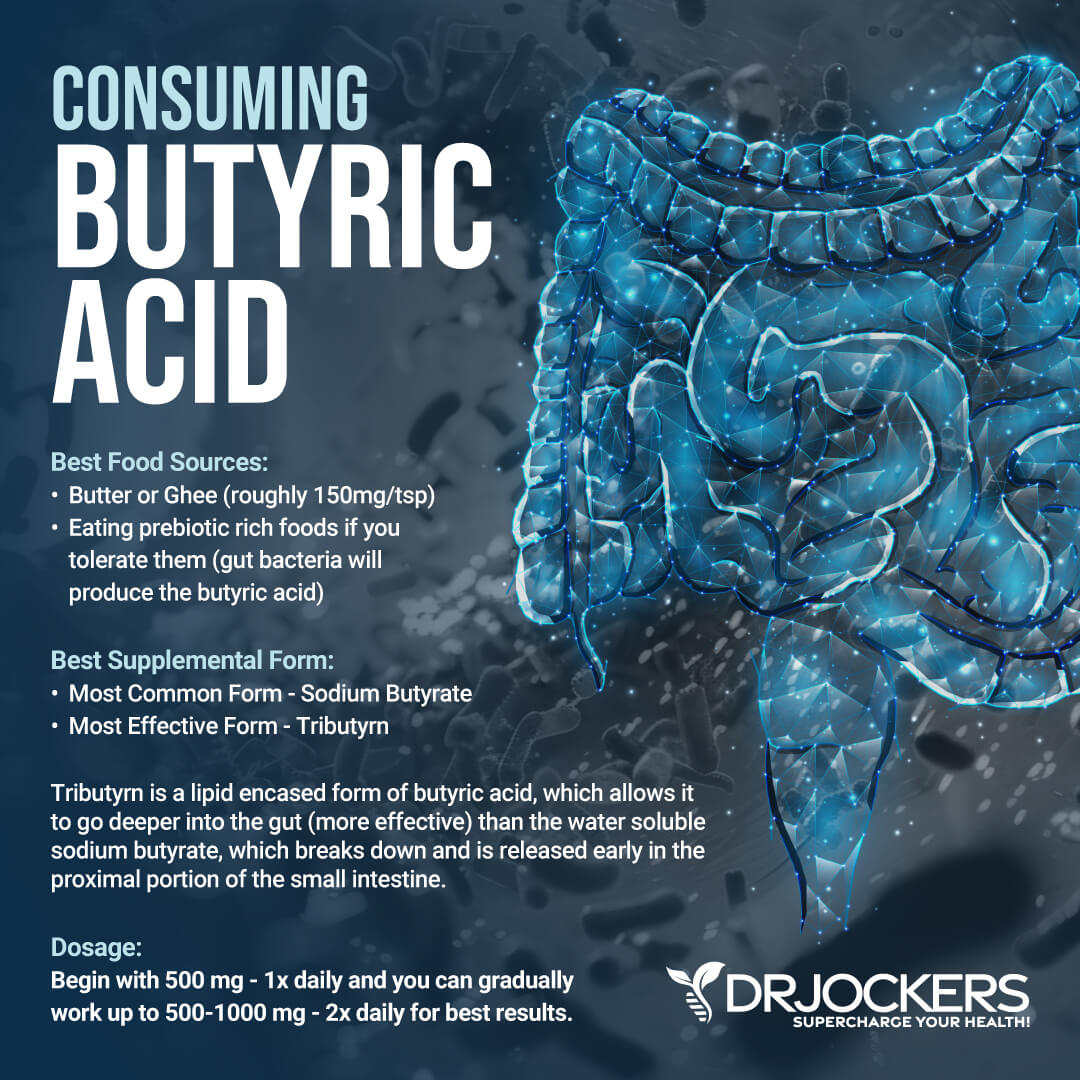
The most commonly used butyric acid compound on the market is sodium butyrate. This product is good, but it is water soluble and thus, it releases the salt component (sodium) from the butyrate in the proximal portion of the small intestine.
This means that the main benefit is taken in the front part of the small intestine and it doesn’t make it deeper into the small intestine or impact the large intestine.
Tributyrn as CoreBiome is a lipid soluble form of butyric acid, which means it contains butyrate in a fat-soluble form.
This lipid-based structure allows it to bypass the stomach and small intestine more effectively than other butyrate supplements, delivering the beneficial postbiotic butyrate directly to the colon, where it is most needed.
It helps support gut barrier integrity, promotes a healthy inflammatory response, and supports a balanced gut microbiome.
Introducing Leaky Gut Support
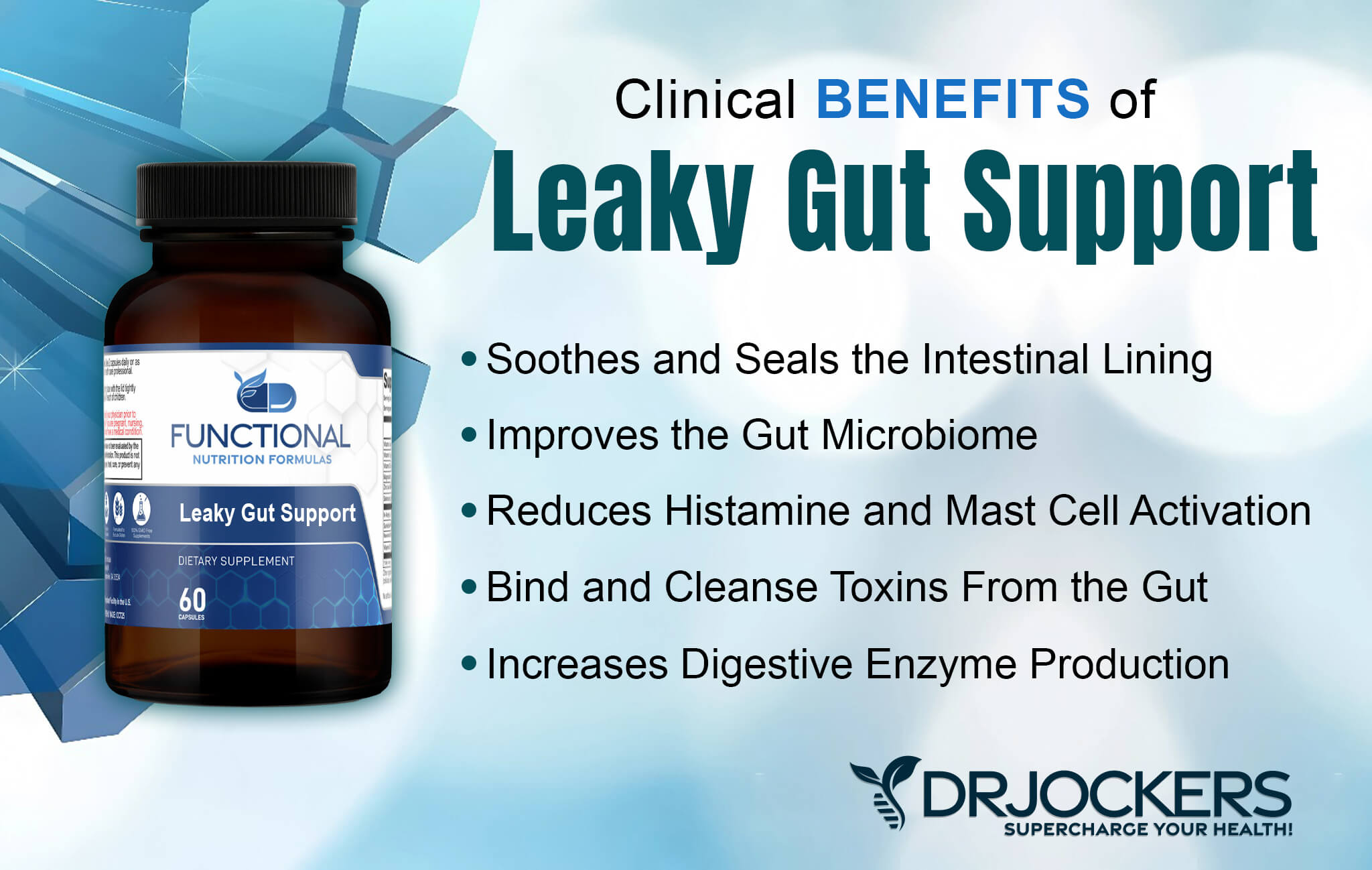
I recommend using this Leaky Gut Support supplement. This supplement contains the most effective forms of prebiotics, probiotics, and postbiotics in clinically validated dosages. It combines the power of Shilajit with Bacillus strains of spore-forming probiotics and CoreBiome tributyrn postbiotics.
Shilajit is a bioactive carbon prebiotic that supports microbiome and mitochondria without causing fermentation, along with spore-forming probiotics and postbiotics. I recommend taking one capsule, two times daily with or without food or for an advanced dose, taking two capsules, two times daily with or without food.
Final Thoughts
Some people tolerate antinutrients well. Others experience symptoms and health issues when consuming too much or any of them. You have to understand your own body and tolerance level. Follow my recommendations outlined in this article to improve your nutrition and support your gut health.
If you want to work with a functional health coach, I recommend this article with tips on how to find a great coach. Our website offers long-distance functional health coaching programs with our fantastic team of functional health coaches. For further support with your health goals, just reach out, and our fantastic coaches are here to support your journey.

Inflammation Crushing Ebundle
The Inflammation Crushing Ebundle is designed to help you improve your brain, liver, immune system and discover the healing strategies, foods and recipes to burn fat, reduce inflammation and Thrive in Life!
As a doctor of natural medicine, I have spent the past 20 years studying the best healing strategies and worked with hundreds of coaching clients, helping them overcome chronic health conditions and optimize their overall health.
In our Inflammation Crushing Ebundle, I have put together my very best strategies to reduce inflammation and optimize your healing potential. Take a look at what you will get inside these valuable guides below!

Sources in This Article Include:
1. Shah M, Chandalia M, Adams-Huet B, et al. Effect of a high-fiber diet compared with a moderate-fiber diet on calcium and other mineral balances in subjects with type 2 diabetes. Diabetes Care. 2009;32(6):990-995. doi:10.2337/dc09-0126 Link Here
2. Morariu ID, Avasilcai L, Vieriu M, et al. Effects of a Low-FODMAP Diet on Irritable Bowel Syndrome in Both Children and Adults Narrative Review. Nutrients. 2023;15(10):2295. Published 2023 May 13. doi:10.3390/nu15102295 Link Here
3. Low FODMAP diet reduces gastrointestinal symptoms in irritable bowel syndrome and clinical response could be predicted by symptom severity: A randomized crossover trial
Algera, Joost P. et al. Clinical Nutrition, Volume 41, Issue 12, 2792 – 2800 LInk Here
4. Bargagli M, Tio MC, Waikar SS, Ferraro PM. Dietary Oxalate Intake and Kidney Outcomes. Nutrients. 2020;12(9):2673. Published 2020 Sep 2. doi:10.3390/nu12092673 Link Here
5. Reddy BHR, Thankachan P, Hatakayama M, et al. A Natural Low Phytic Acid Finger Millet Accession Significantly Improves Iron Bioavailability in Indian Women. Front Nutr. 2022;8:791392. Published 2022 Mar 24. doi:10.3389/fnut.2021.791392 Link Here
6. Jochum C. Histamine Intolerance: Symptoms, Diagnosis, and Beyond. Nutrients. 2024;16(8):1219. Published 2024 Apr 19. doi:10.3390/nu16081219 Link Here
7. Kuang R, Levinthal DJ, Ghaffari AA, Del Aguila de Rivers CR, Tansel A, Binion DG. Nightshade Vegetables: A Dietary Trigger for Worsening Inflammatory Bowel Disease and Irritable Bowel Syndrome?. Dig Dis Sci. 2023;68(7):2853-2860. doi:10.1007/s10620-023-07955-9 Link Here
8. Kęszycka PK, Lange E, Gajewska D. Effectiveness of Personalized Low Salicylate Diet in the Management of Salicylates Hypersensitive Patients: Interventional Study. Nutrients. 2021;13(3):991. Published 2021 Mar 19. doi:10.3390/nu13030991 Link Here
9. Long N Effects of mycotoxins in foods on human health and strategies for prevention and control: A review Journal of Future Foods 2025 Link Here