

What Do These 5 Food Cravings Mean?
Cravings are something all of us have dealt with at some point in our lives. These cravings have meaning.
Your body is not craving a salted caramel brownie for no reason at midnight. It may be sending you a message that you are dealing with a deficiency or health issue and trying to correct the imbalance by reaching for nutrients.
In this article, I will discuss the top 5 major food cravings, including cravings for salty food, sweet food, chocolate, dairy, and red meat, the reasons behind these cravings, and how to improve them. I will also discuss the major reasons for nutrient deficiencies that may cause cravings and what to do about them.
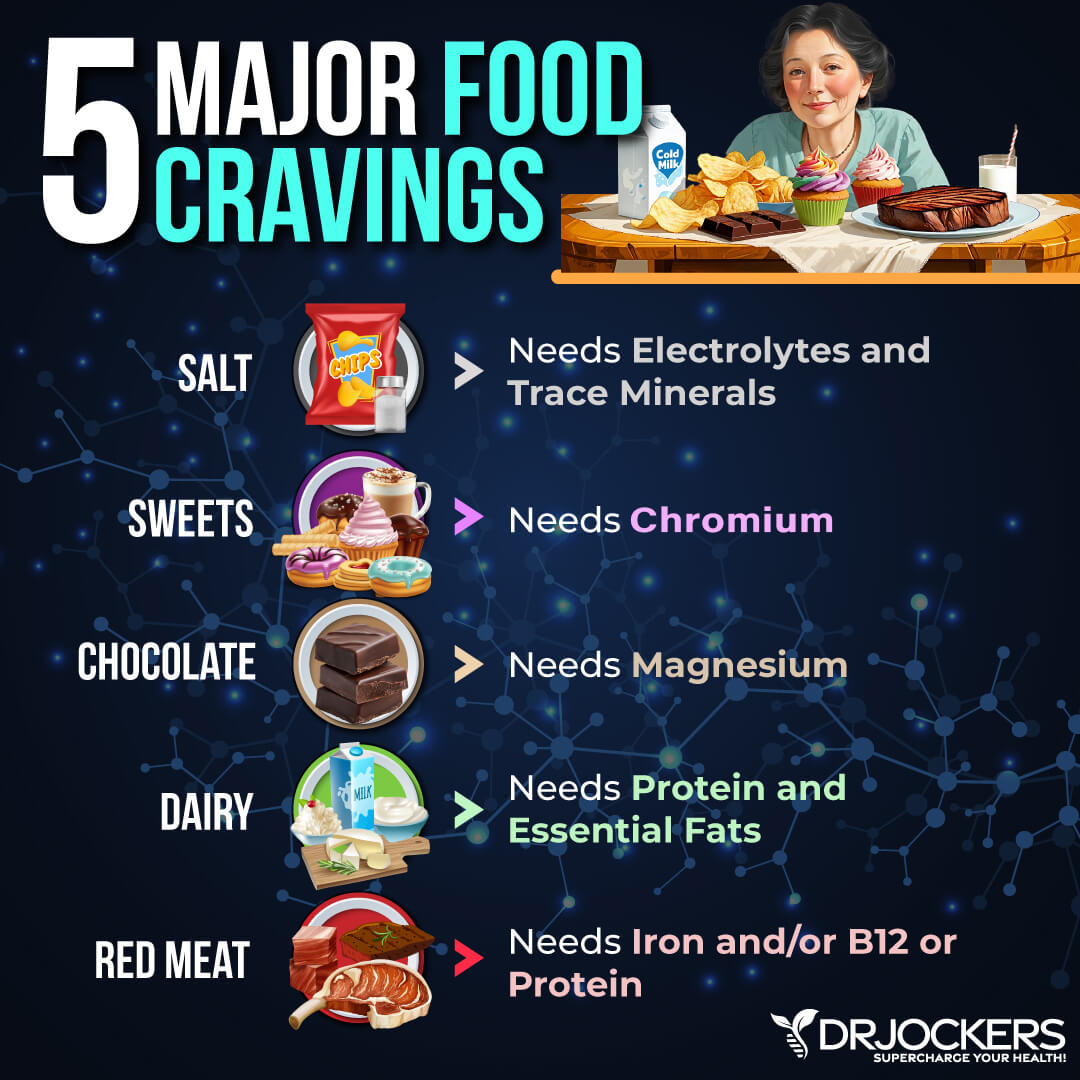
5 Major Food Cravings
Let’s look at the top 5 major food cravings you may experience. You may think of these cravings as your body’s whisper for better nutrition and more care and support your needs with healthy food and supplements instead of reaching for processed foods and comfort meals.
Instead of ignoring the craving, it’s important to honor it, but in a balanced, nutrient-conscious way. In the next sections, you will not only learn about the top 5 major food cravings, but also how to correct them with nutrient-dense foods.
Salty Food Cravings
Craving salty foods is often a sign your body is calling for support, especially in the areas of adrenal health, hydration, and mineral balance. Your adrenal glands are your body’s stress regulators.
When they become fatigued, they may struggle to make certain hormones, including aldosterone, which is essential for regulating sodium and fluid balance. This can result in lower blood pressure, dizziness, and fatigue, but also strong cravings for salty foods as the body’s way of restoring balance.
Besides adrenal issues and fluid imbalance, another underlying cause of salt cravings is a deficiency in trace minerals, such as magnesium, potassium, zinc, and iodine. These minerals are essential for maintaining proper electrolyte balance, energy metabolism, and cellular communication.
When your body doesn’t have enough of the trace mineral, your body’s internal chemistry can shift as well, affecting pH levels, increasing inflammation, and interfering with hormonal regulation.
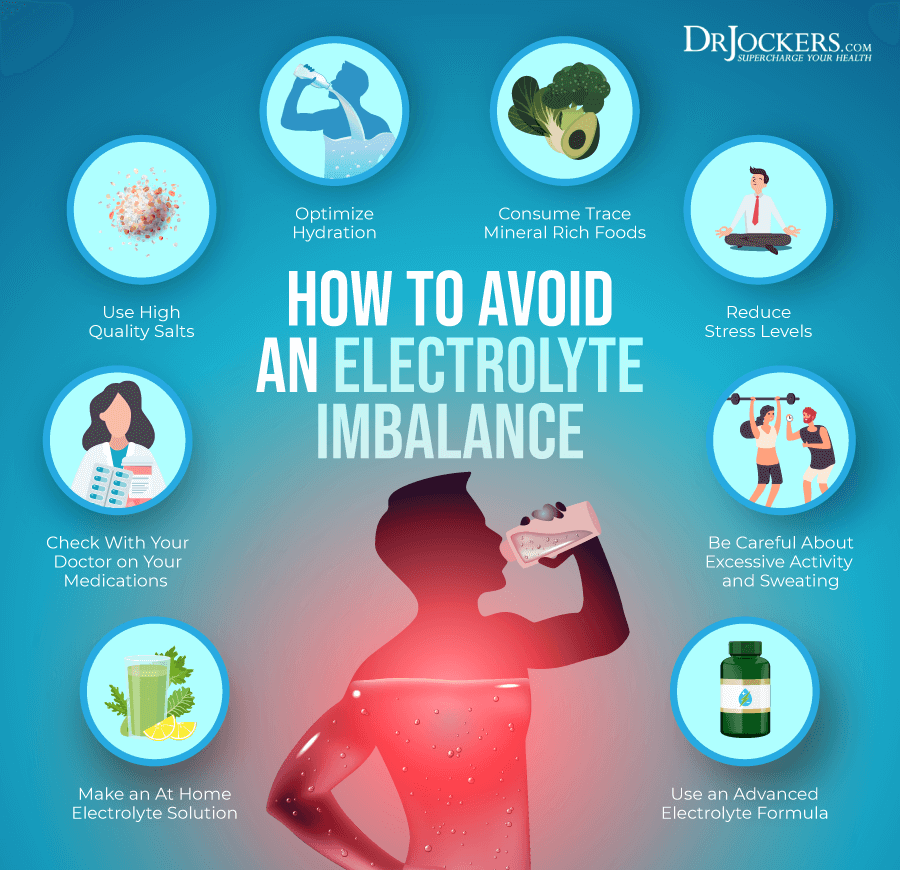
According to 2015 research published in Pflugers Archives, sodium deficiency can result in salt cravings, fatigue, and mood imbalances (1). Chronic stress, an inflammatory diet high in processed foods, and dehydration can add to the problem by further depleting these minerals and adding to the craving cycle.
When having cravings for salty foods, people often reach for salty snacks, such as chips or crackers. However, satisfying salt cravings with processed foods or refined table salt may only worsen the problem. By doing this, you are actually adding more sodium without the balancing trace minerals your body truly needs.
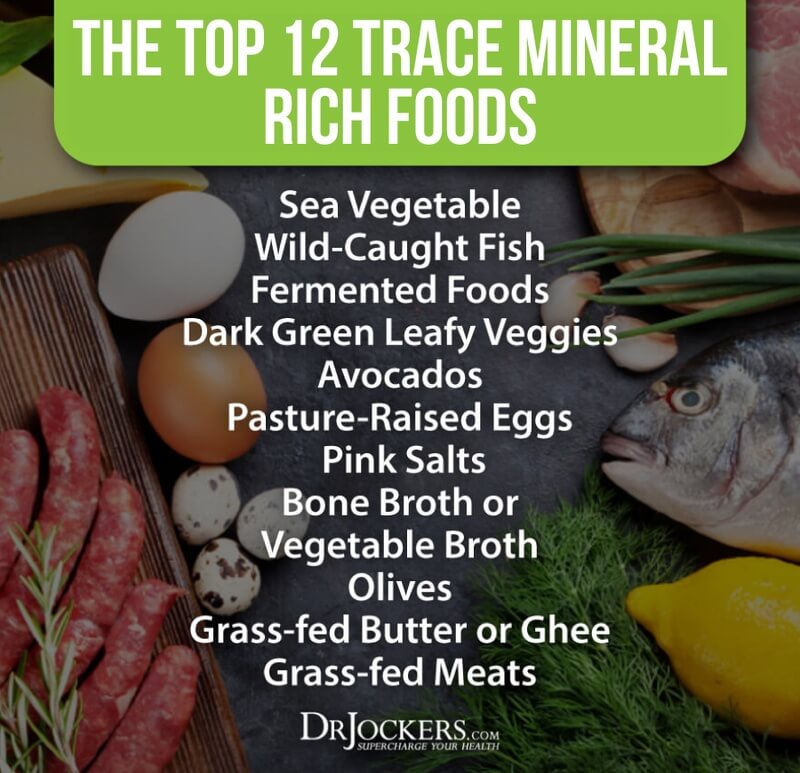
Balancing your electrolytes, staying hydrated, and managing stress are key to reducing salt cravings naturally. I recommend that instead of relying on salty processed foods, you consume natural, mineral-rich foods that nourish the body, support adrenal recovery and improve electrolyte balance. Some of these foods include:
- Bone broth: Bone broth is rich in calcium, magnesium, sulfur, and phosphorus. Homemade bone broth is an easy-to-digest source of minerals and amino acids that calm the nervous system and repair tissues.
- Redmond’s Real Salt, Himalayan salt or Celtic sea salt: These salts contain over 80 trace minerals and may improve flavor naturally without over-salting.
- Sea vegetables: Nori, kelp, and dulse are loaded with iodine, magnesium, and iron, which are all nutrients that can replenish minerals and support thyroid and adrenal health.
Sweet Foods
Sweet cravings are one of the most common food cravings and also the most common, yet often misunderstood, signals your body sends to tell you what it needs. The main issue behind cravings for sweet foods, I see, is usually a blood sugar imbalance. According to 2025 research published in Brain and Behavior, eating too much sugar can cause hyperglycemia, related sugar cravings, and sugar addiction (2).
Following a diet high in refined carbohydrates and added sugars can lead to a quick rise in blood glucose, causing your pancreas to release insulin. This can result in a feeling of “high”, happiness and satisfaction due to the increase of certain feel-good neurotransmitters, such as dopamine and serotonin.
But this is only temporary and is followed by a crash, leaving you tired, irritable, and craving for even more sugar to restore the mood boost.
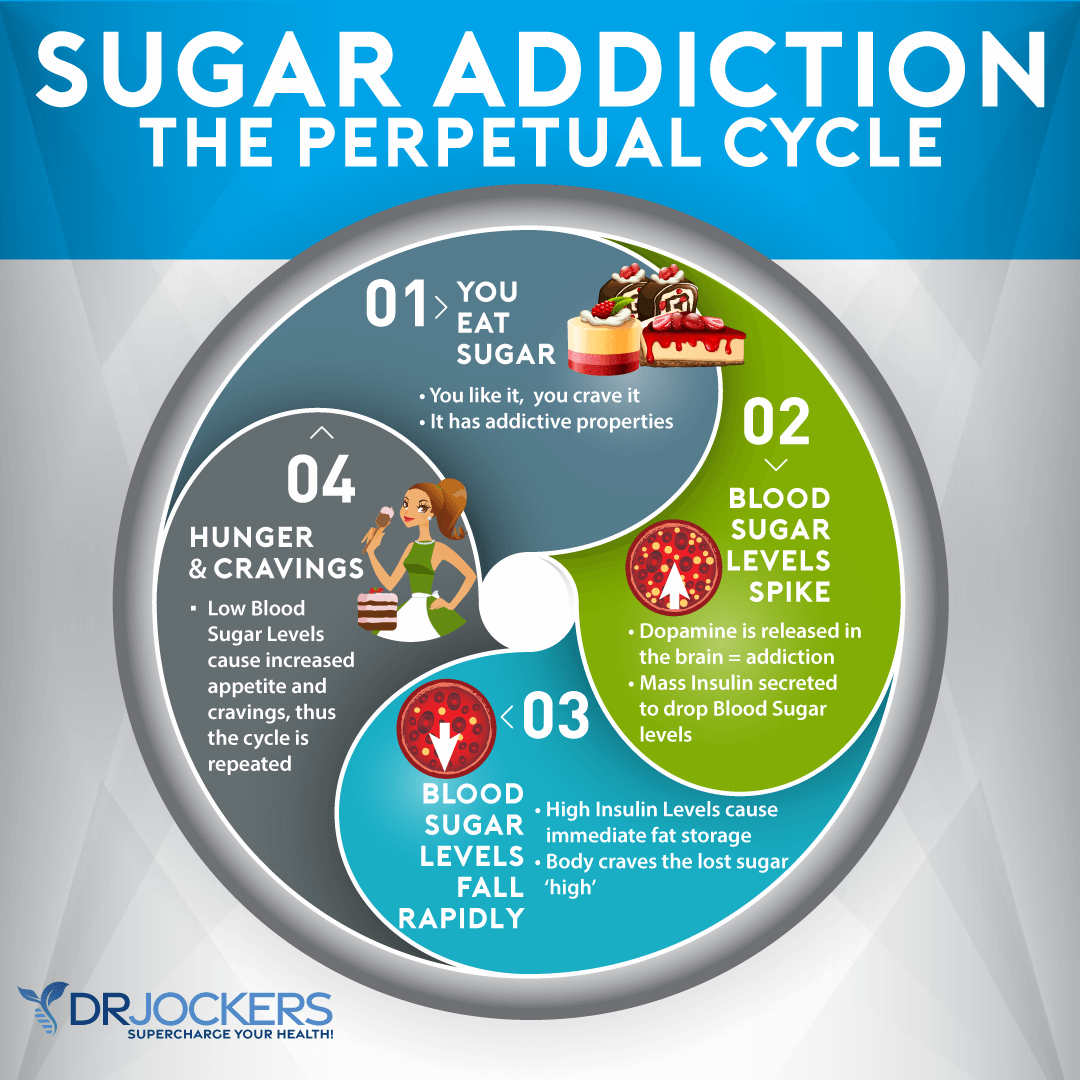
Eating sugary foods and experiencing this up-and-down and blood sugar imbalance regularly can over time, result in insulin resistance, inflammation, chronic fatigue, and metabolic disorders. It may increase your risk of prediabetes and type 2 diabetes.
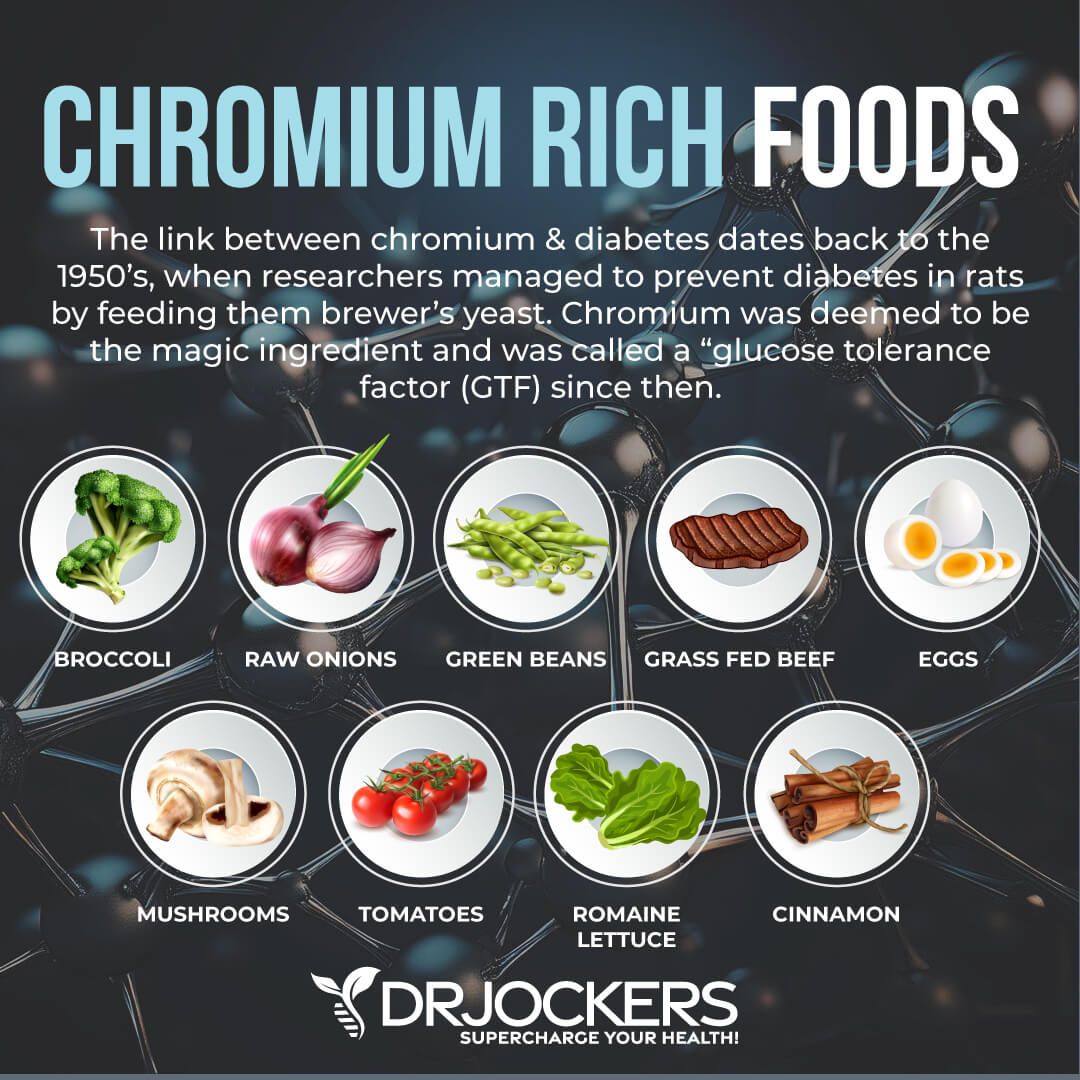
Beyond the blood sugar rollercoaster, nutrient deficiencies, especially in chromium, magnesium, and zinc, can also worsen sugar cravings. Chromium is needed only in small amounts, yet it plays a crucial role in stabilizing blood sugar and improving insulin sensitivity.
Low chromium levels can lead to anxiety, fatigue, and intense sugar cravings. According to a 2023 study published in the Journal of Medicine and Life, chromium supplements may be beneficial for those with type 2 diabetes (3).
To reduce sweet cravings, it’s vital to balance blood sugar naturally with a nutrient-dense, anti-inflammatory, blood-sugar-balancing diet. The best foods I recommend to combat sugar cravings:
- Protein and healthy fats: Protein and healthy fats with every meal can slow glucose release.
- Complex carbohydrates: Choose complex carbohydrates such as quinoa, lentils, and sweet potatoes instead of refined grains.
- Natural, non-glycemic sweeteners: Use natural, non-glycemic sweeteners like stevia or monk fruit when you want something sweet.
- Low-glycemic index fruits: If you are craving sugar, low-GI fruits, such as berries and kiwi, are great options to provide sweetness, antioxidants, and fiber without the crash.
- Chromium-rich foods: Eat a variety of chromium-rich foods, including broccoli, onions, green beans, mushrooms, tomatoes, romaine lettuce, and cinnamon. These foods are fantastic for healthy blood sugar regulation and also mood stability, to combat sugar cravings related to blood sugar imbalance, but also sugar cravings related to stress, anxiety, or depression.
 Chocolate
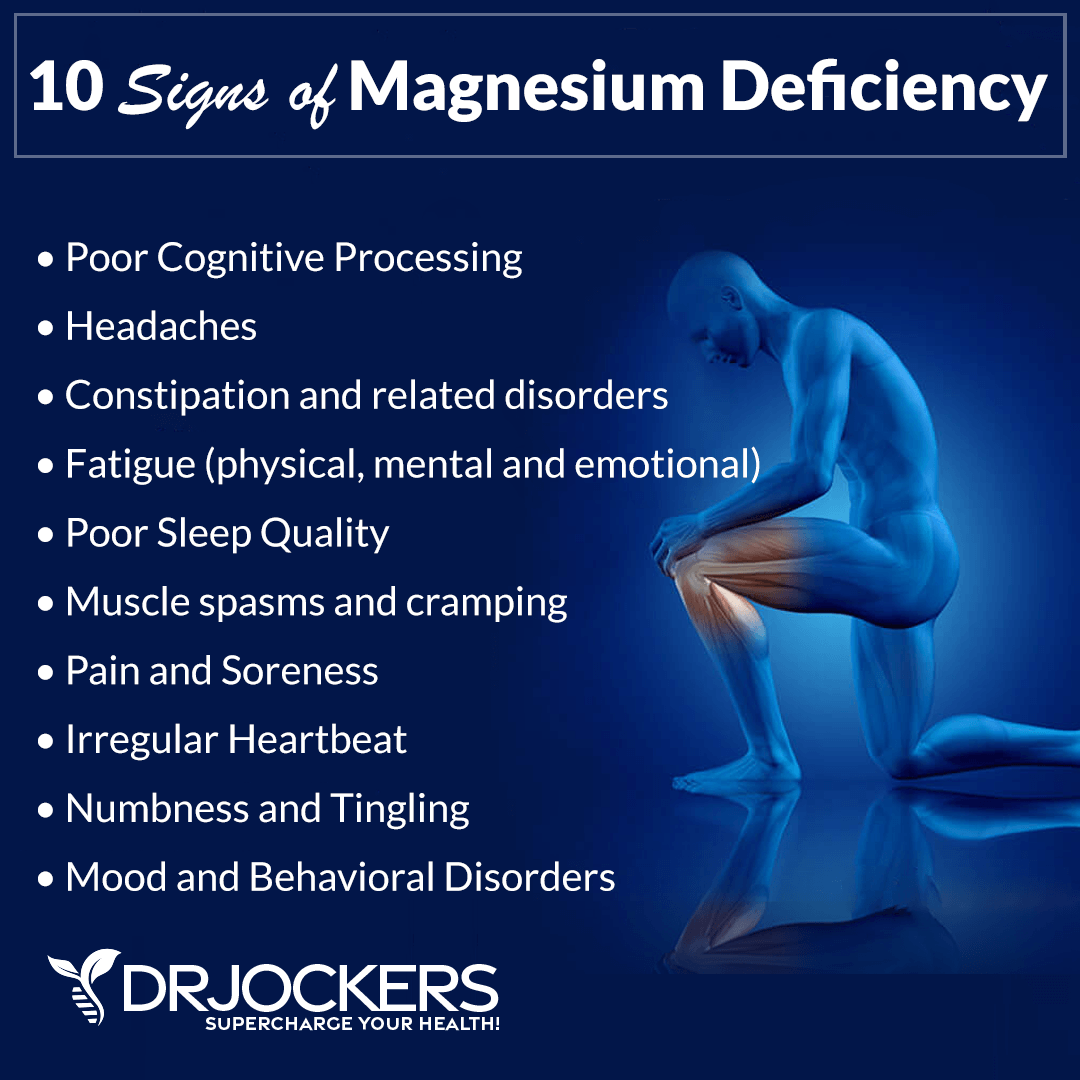
Regular chocolate cravings, especially for dark chocolate, your body may be signaling a magnesium deficiency. Low magnesium levels are a common issue affecting most adults in the US. Cravings for milk chocolate can also be a sign of magnesium issues. However, milk chocolate is also very high in sugar, so it may also be a sign of other issues I explained in the sugar section earlier.
Magnesium is an important mineral involved in more than 300 biochemical reactions in the body, including muscle and nerve function, hormone balance, cardiovascular health, and energy production. Low magnesium levels can contribute to anxiety, fatigue, menstrual cramps, and insomnia. They can also cause intense chocolate cravings.
Chocolate, especially dark chocolate with at least 70 percent cacao, is very high in magnesium and can satisfy over half of your daily recommended magnesium intake per serving. This explains why your body instinctively reaches for chocolate when magnesium stores run low as a quick way to improve low levels.
According to a 2025 study published in the Journal of Renal Nutrition, dark chocolate can improve magnesium status (4). Magnesium can also help regulate cortisol levels, calm the nervous system, and improve sleep, and regulate cortisol, which may explain hormone-related chocolate cravings.
In addition to magnesium, chocolate can also boost dopamine and endorphin levels, contributing to a better mood. Phenylethylamine (PEA) compounds in chocolate act as natural stimulants that boost the production of dopamine and endorphins, which are both neurotransmitters responsible for happiness, motivation, and a sense of well-being.
This is why eating chocolate can create a mild “feel-good” or euphoric effect similar to being in love. According to a 2023 study published in Nutrients, PEA may also be beneficial for those with chronic pain (5).
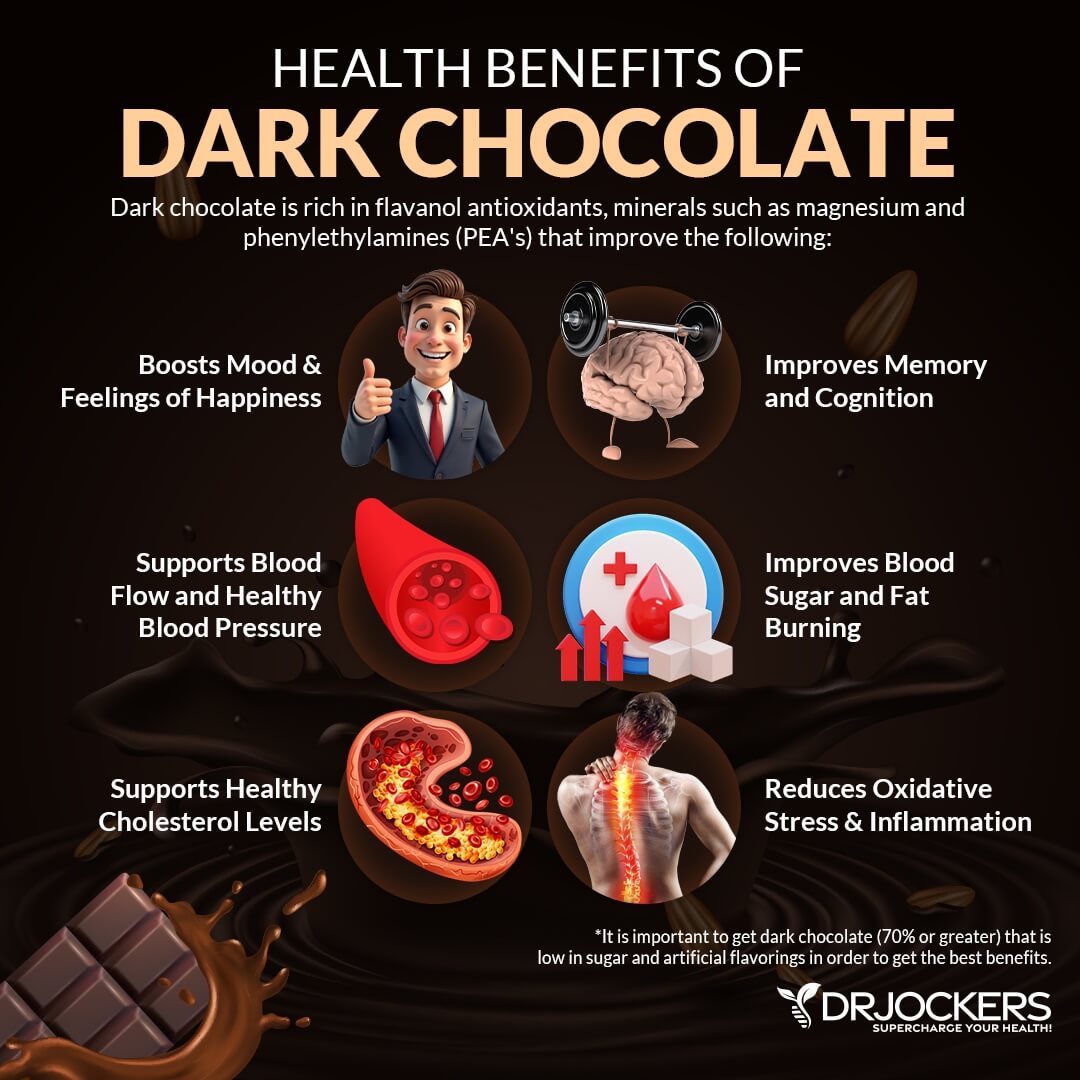
Additionally, according to a 2020 paper published in Antioxidants, cacao in chocolate is also rich in antioxidants (6). So, chocolate cravings may be a sign of low antioxidant levels, but they may help to improve antioxidant levels, besides PEA and magnesium.
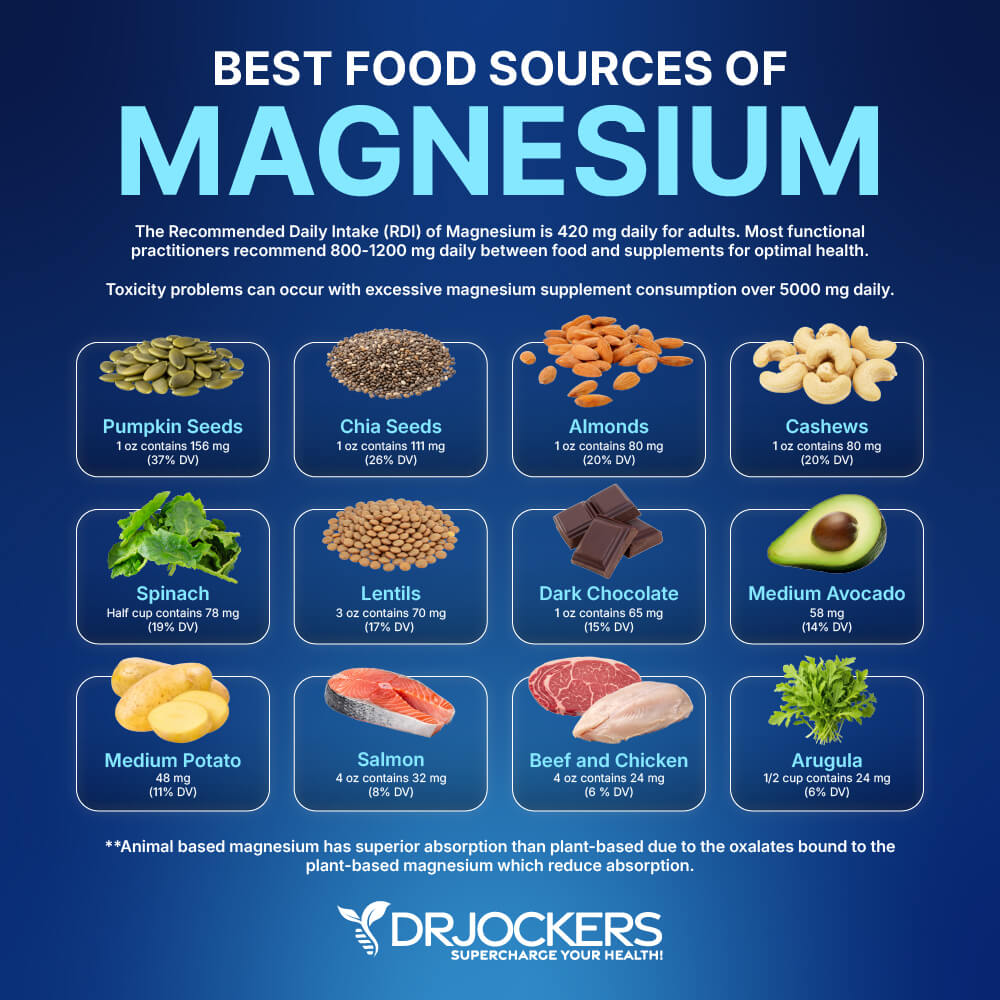
Choosing organic dark chocolate very high in cacao once in a while is not a problem, especially if you are choosing chocolate with 85 percent of cacao can be a good option. Choosing raw dark chocolate is even better. However, you don’t want to rely on chocolate all the time or eat several servings a day. Instead, you can improve your magnesium levels with the following foods, as well as supplementations:
- Leafy greens, including spinach, kale, and chard
- Pumpkin seeds and almonds
- Avocado
- Wild-caught fish, including salmon and mackerel
- Raw, grass-fed dairy or unsweetened yogurt
Dairy
Experiencing cravings for dairy, including for cheese, can be a complex issue. For many, taste and texture play a role, again, especially when it comes to cheese. But it’s more than that. According to a 2020 review published in the International Journal of Molecular Sciences, there are food-derived opioid peptides, including casomorphin in cheese (7).
Since cheese contains casomorphins, mild opiate-like compounds that trigger pleasure centers in the brain, these cravings can be related to mood imbalances or even an addiction-like experience to cheese.
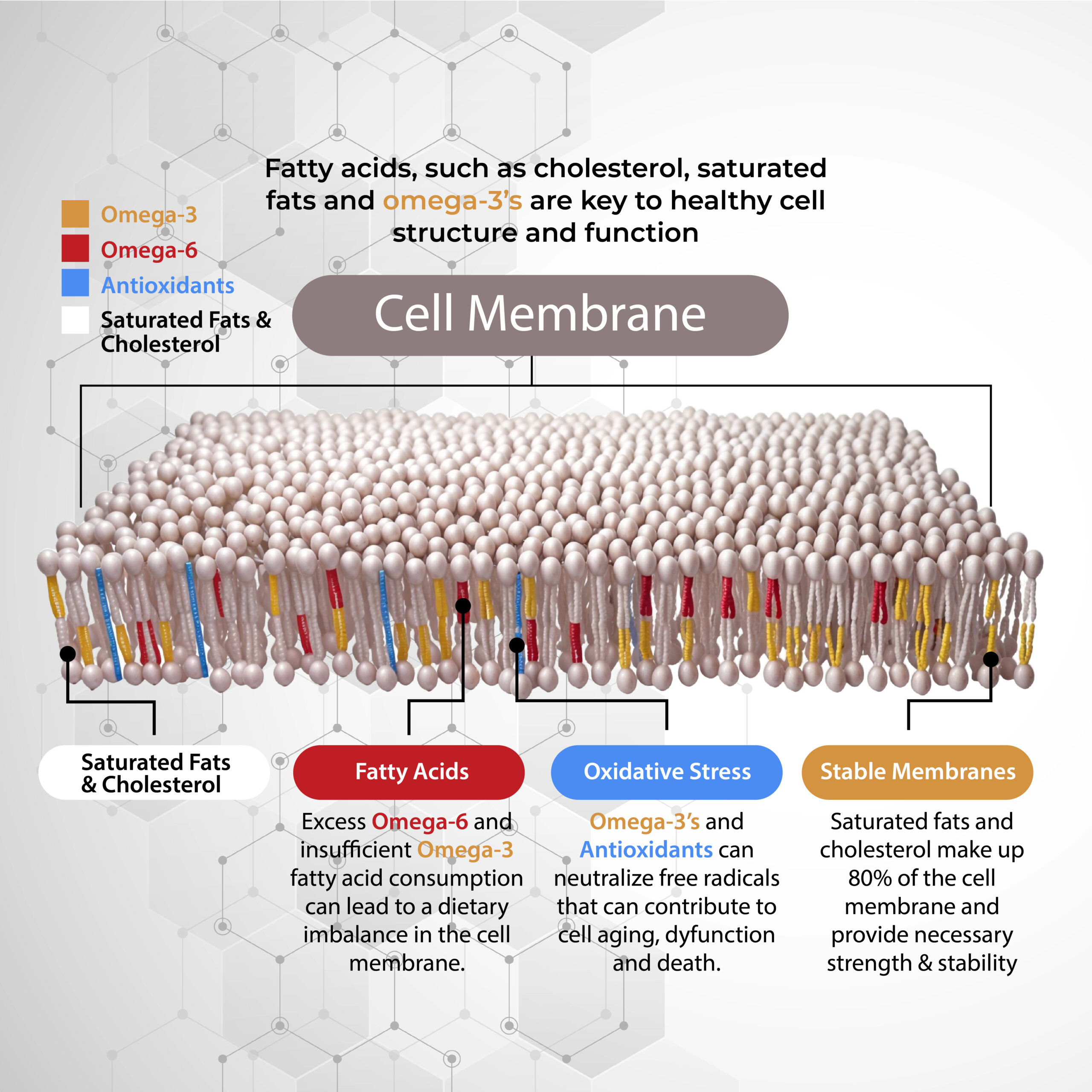
Moreover, deficiencies in essentially fatty acids and protein can be a culprit behind your issues. When your body is not getting enough of healthy fats, including omega-3 fatty acids, such as EPA (eicosapentaenoic acid) and DHA (docosahexaenoic acid), and gamma-linolenic acid (GLA), you can experience chronic inflammation, poor mood regulation, and sluggish brain function.
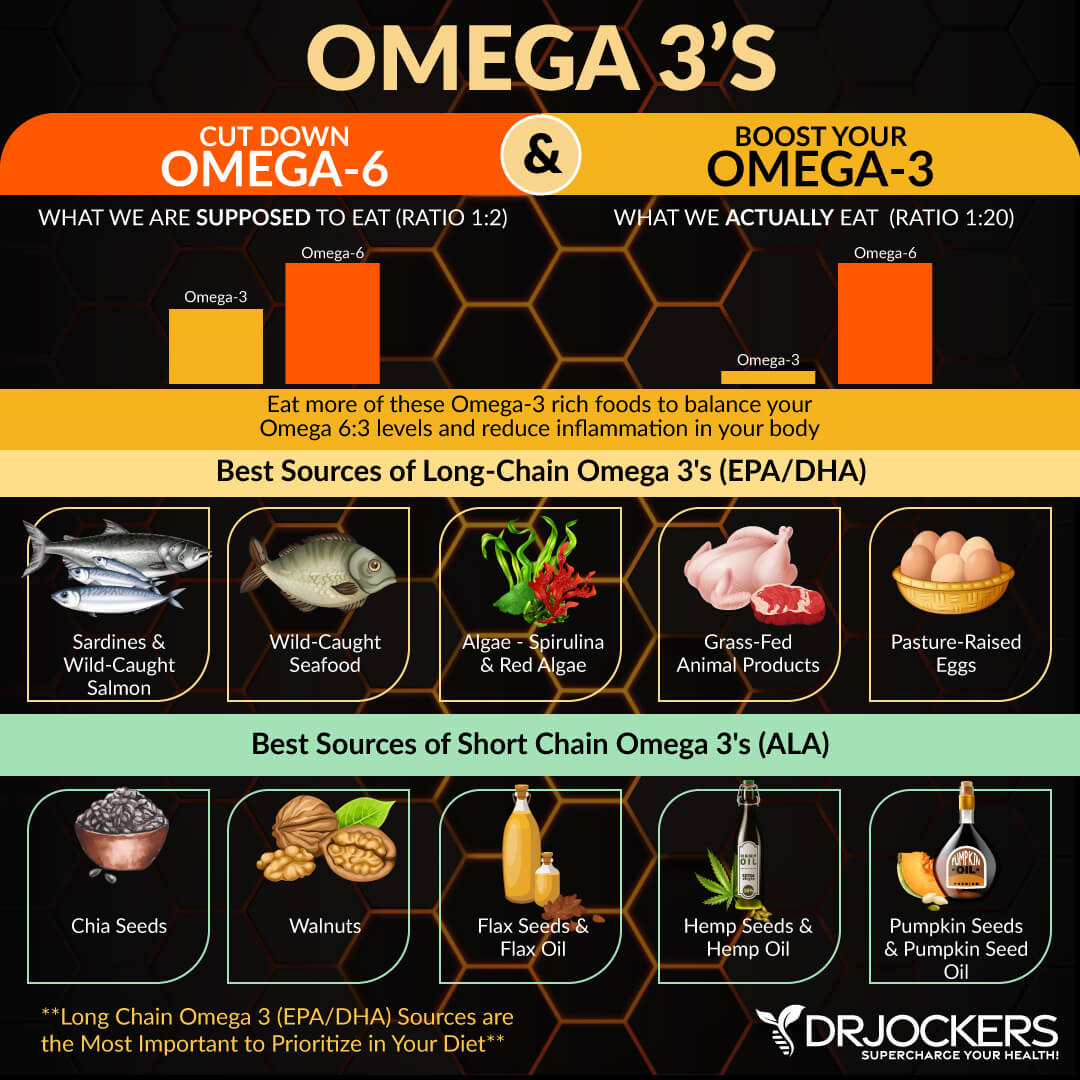
It may lead to all kinds of chronic and inflammatory symptoms. But enough omega-3s can help with inflammation. For example, according to a 2024 review published in Nutrients, omega-3 fatty acids can reduce inflammation, oxidative stress, and muscle damage due to exercise (8).
The modern Western diet is disproportionately high in omega-6 fatty acids from processed vegetable or seed oils, while being very low in omega-3 fatty acids, found in fish and pasture-raised foods.
This imbalance can trigger cravings for high-fat foods and cause inflammatory health issues. When you are craving cheese and other high-fat dairy, your body may be trying to overcompensate and meet that unmet need for nourishing fats.
Craving dairy or cheese can also sign of a protein deficiency. It may mean that your body is instinctively seeking out rich sources of amino acids, which are essential for energy, muscle repair, and hormone production. Cheese and dairy are concentrated in protein and fat, which means they may temporarily satisfy the body’s need for these essential building blocks.
To reduce dairy and cheese cravings, focus on increasing omega-3 intake, restoring fat balance, and improving protein intake:
- More wild-caught fish: Eat wild-caught fatty fish such as salmon, sardines, or mackerel several times a week.
- Pasture-raised eggs: Include pasture-raised eggs, 100% grass-fed beef, and lamb for both omega-3s and CLA (conjugated linoleic acid), which support metabolism and muscle tone.
- Plant-based options: For plant-based options, add flaxseed, chia, and hemp seeds, or blue-green algae for ALA (alpha-linolenic acid).
- Clean protein: For protein, try grass-fed beef, pasture-raised poultry and eggs, wild-caught fish and seafood, wild game, nuts and seeds, and legumes.
Red Meat
Craving red meat may be your body’s way of telling you that you need more energy-boosting nutrients, especially iron, vitamin B12, zinc, and the amino acid acetyl-L-carnitine. According to 2023 research published in Animal Frontiers, meat is an important part of the human diet for protein, iron, zinc, creatine, taurine, and carnosine (9).
So meat cravings may require one or all of these nutrients. These nutrients are critical for oxygen transport, cellular energy production, and nervous system health. They are also important for muscle repair, mental clarity, and immune resilience.
Cravings for red meat are particularly common during menstruation and pregnancy, when the body’s demand for iron and B vitamins increases and when blood loss happens during menstruation. Low levels of these nutrients can result in fatigue, poor sleep, dizziness, poor concentration, and mood imbalances.

Additionally, having cravings for red meat can also indicate a protein deficiency, as the body seeks complete sources of amino acids essential for building muscle, producing enzymes and hormones, and maintaining energy levels. Red meat is especially rich in these amino acids, making it a natural target when protein stores are low.
Red meat is actually healthy for you, you likely don’t have to reduce your intake. Red meat provides a dense source of nutrients that help replenish your body’s stores and restore energy. Listening to these cravings, while choosing clean, ethically raised meats or nutrient-rich plant alternatives, helps bring your system back into balance naturally.
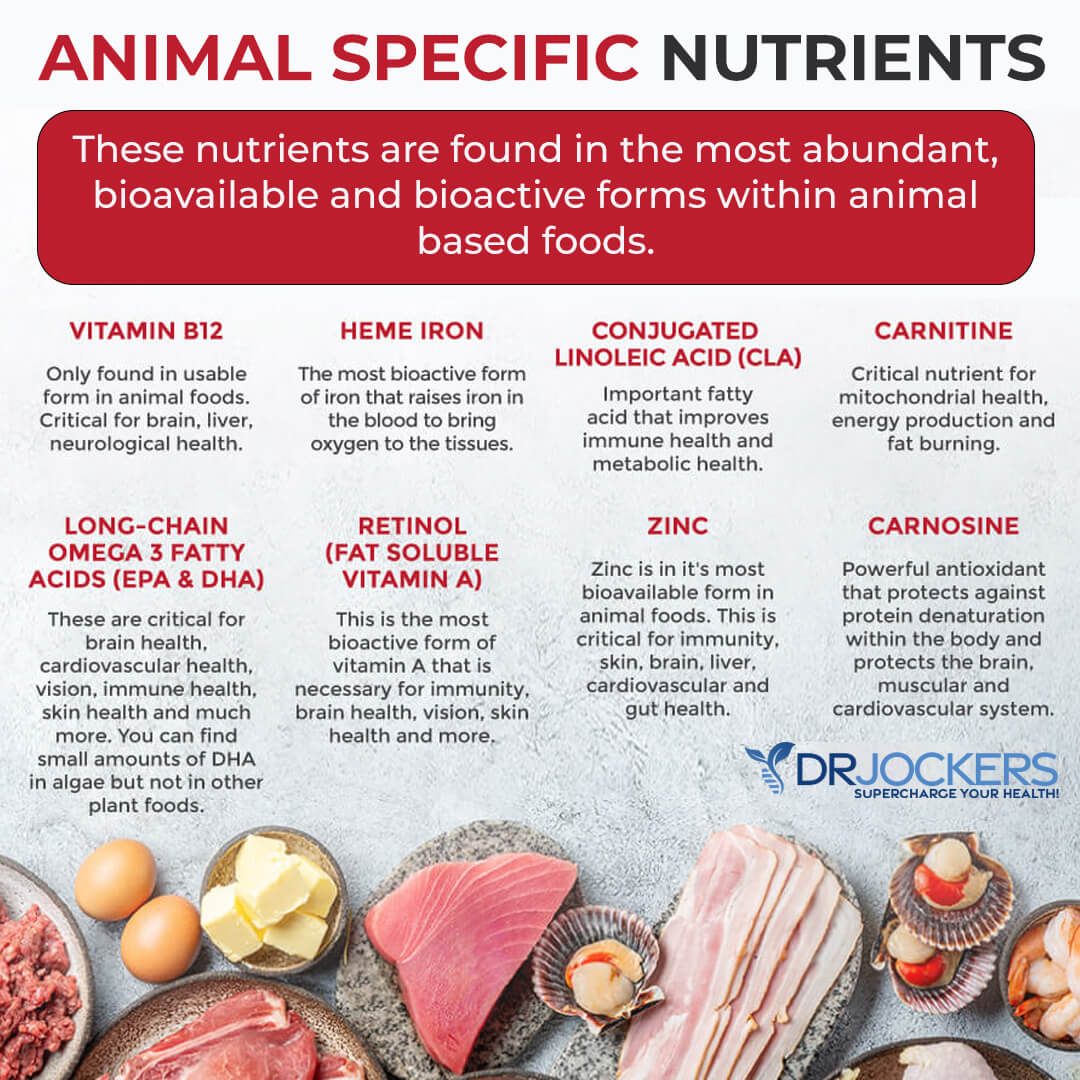
You also need to be more strategic about your sources of red meat and also getting protein and nutrients from other clean animal sources, such as organ meat and wild game, and plant sources. To improve these potential deficiencies and reduce your cravings for red meat, focus on high-quality, nutrient-dense sources:
- 100% grass-fed beef and lamb
- Wild game, such as bison, venison, or deer
- Pasture-raised organ meats, especially liver
- Wild-caught fish
- Dark leafy greens, spirulina, and chlorella
Suppose you are consuming plant-based iron-rich foods with vitamin C sources like citrus or bell peppers to enhance absorption. These can be a good option along with a diet rich in animal foods. However, I do not recommend following a vegetarian or vegan diet because it can lead to deficiencies like this and cravings.
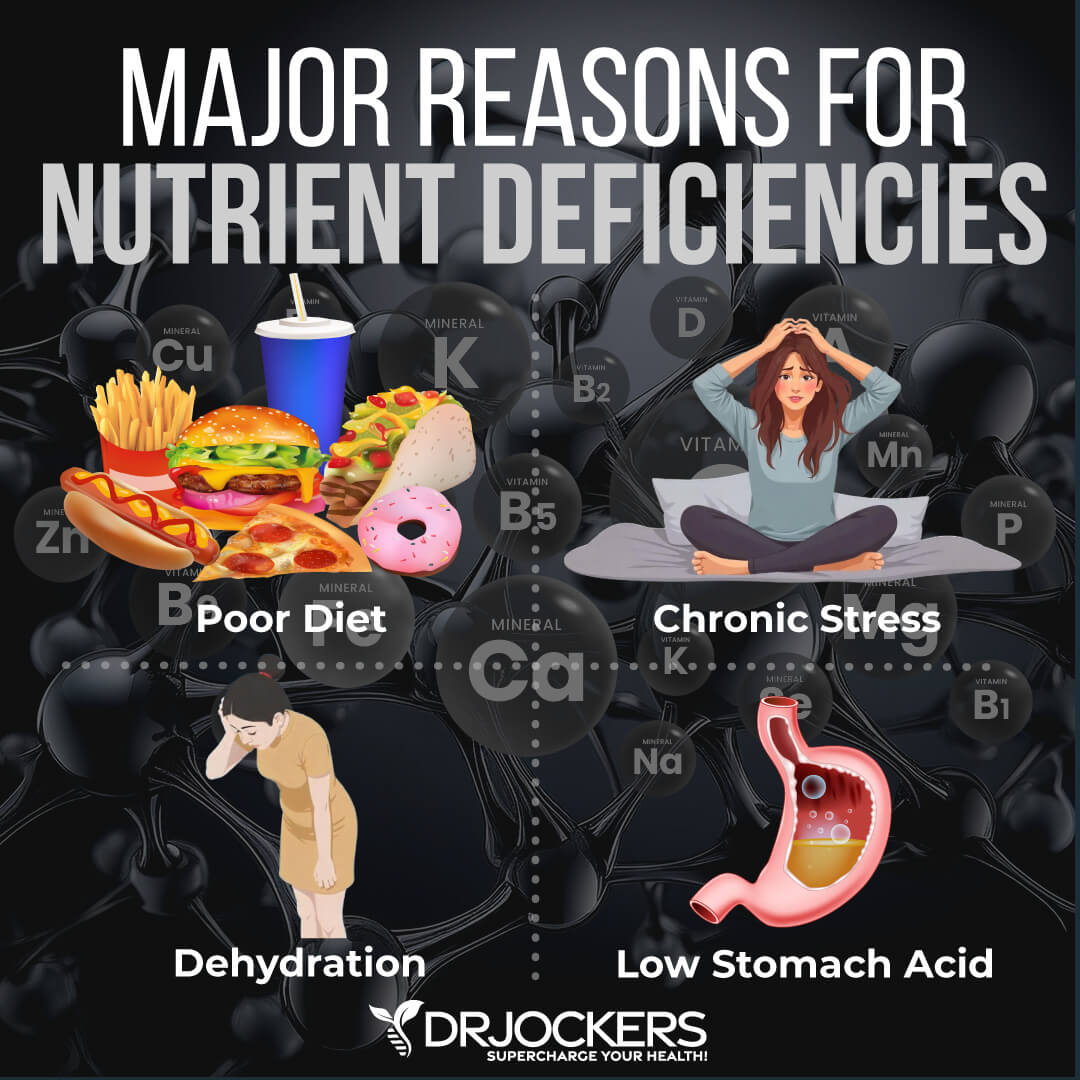
Major Reasons for Deficiencies
Now that you understand what nutrient deficiencies and underlying issues may be contributing to your cravings, let’s look at the major reasons behind these deficiencies.
Poor Diet
Poor diet is one of the major reasons behind nutrient deficiencies. Western diets, especially the Standard American Diet (SAD diet), are abundant in calories but it is incredibly low in nutrients. Ultra-processed foods, convenience foods, and junk foods are loaded with refined sugars, refined oils and other unhealthy fats, artificial ingredients, and additives, leaving the average American plate low in nutrients and the average American overfed yet undernourished.
Even many of the so-called “healthy” options, such as those labeled low-fat, zero-calorie, or sugar-free, are full of chemicals and unhealthy ingredients and empty or low in essential nutrients and may disrupt metabolism and digestion, cause inflammation, and contribute to health issues.
A low nutrient diet doesn’t provide your body with antioxidants, fiber, amino acids, and essential fatty acids it needs for cellular repair and optimal organ function. Over time, this imbalance can increase chronic inflammation, fatigue, and health issues, and also contribute to cravings.
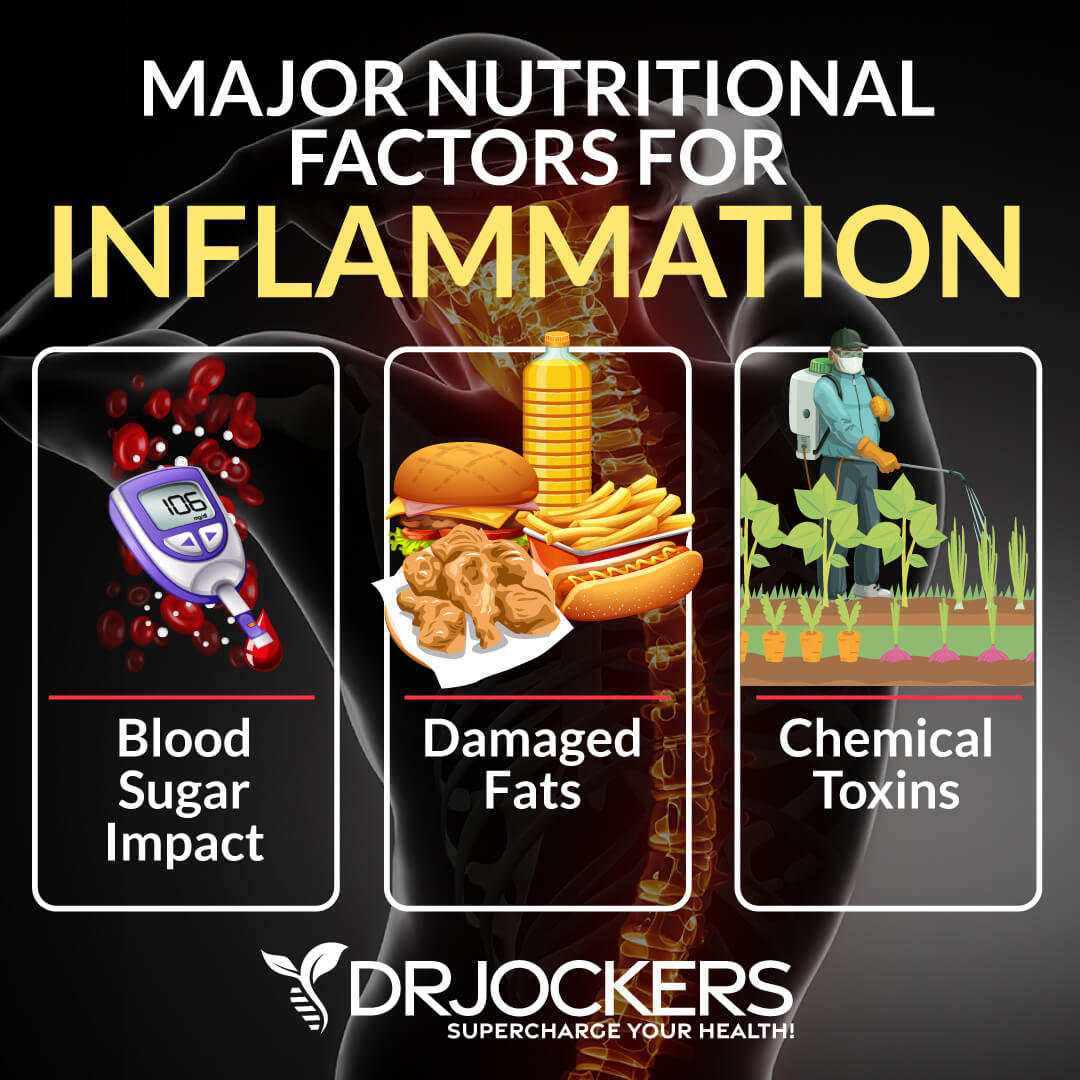
According to a 2022 study published in the Journal of Preventative Medicine and Hygiene, a poor diet and related nutritional deficiencies can increase the risk of various illnesses, including cancer, diabetes, and heart disease (10).
Plant-based or vegan diets are often promoted as healthy or even the healthiest diets. In reality, this is not the case.
Though plant-based diets are rich in phytonutrients, which are beneficial for your body, eating only or mostly plants can also result in deficiencies, particularly vitamin B12, iron, and protein, especially if not properly supplemented or balanced with fortified foods. While I certainly recommend eating lots of greens, vegetables, low glycemic index fruits, nuts, and seeds, I do not recommend eating a plant-based, vegan, or vegetarian diet.
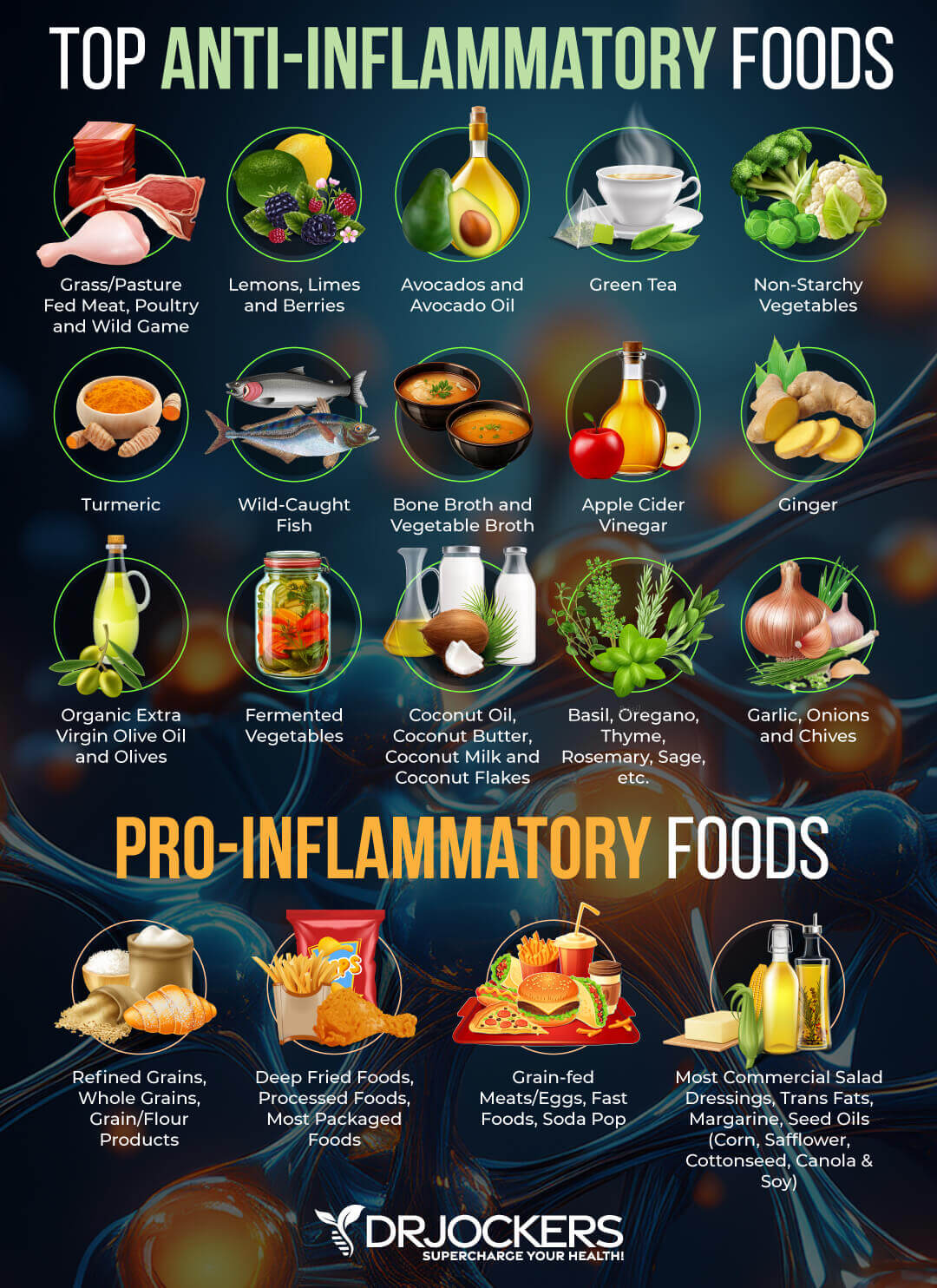
To correct nutrient deficiencies due to a poor diet, I recommend that you focus on anti-inflammatory, whole, unprocessed foods, such as greens, vegetables, sprouts, fermented food, fruits, nuts, seeds, grass-fed meat, pasture-raised poultry and eggs, wild-caught fish and seafood, and wild game. By fueling your body with real food, you can reduce cravings, improve deficiencies, enhance digestion, balance hormones, and restore natural energy.
Chronic Stress
Chronic stress is not something you think of when you think about nutrient deficiencies, yet it is among the top reasons. According to a 2020 review published in Advances in Nutrition, chronic stress, including psychological and environmental stress, can lead to micronutrient deficiencies (11).
Your brain communicates with you via the vagus nerve through the gut-brain axis. This connection plays a role in everything from enzyme secretion to gut motility. Ongoing and chronic stress can cause your body to enter “fight or flight” mode, which will result in the blood flow moving away from digestion to the muscles and brain.
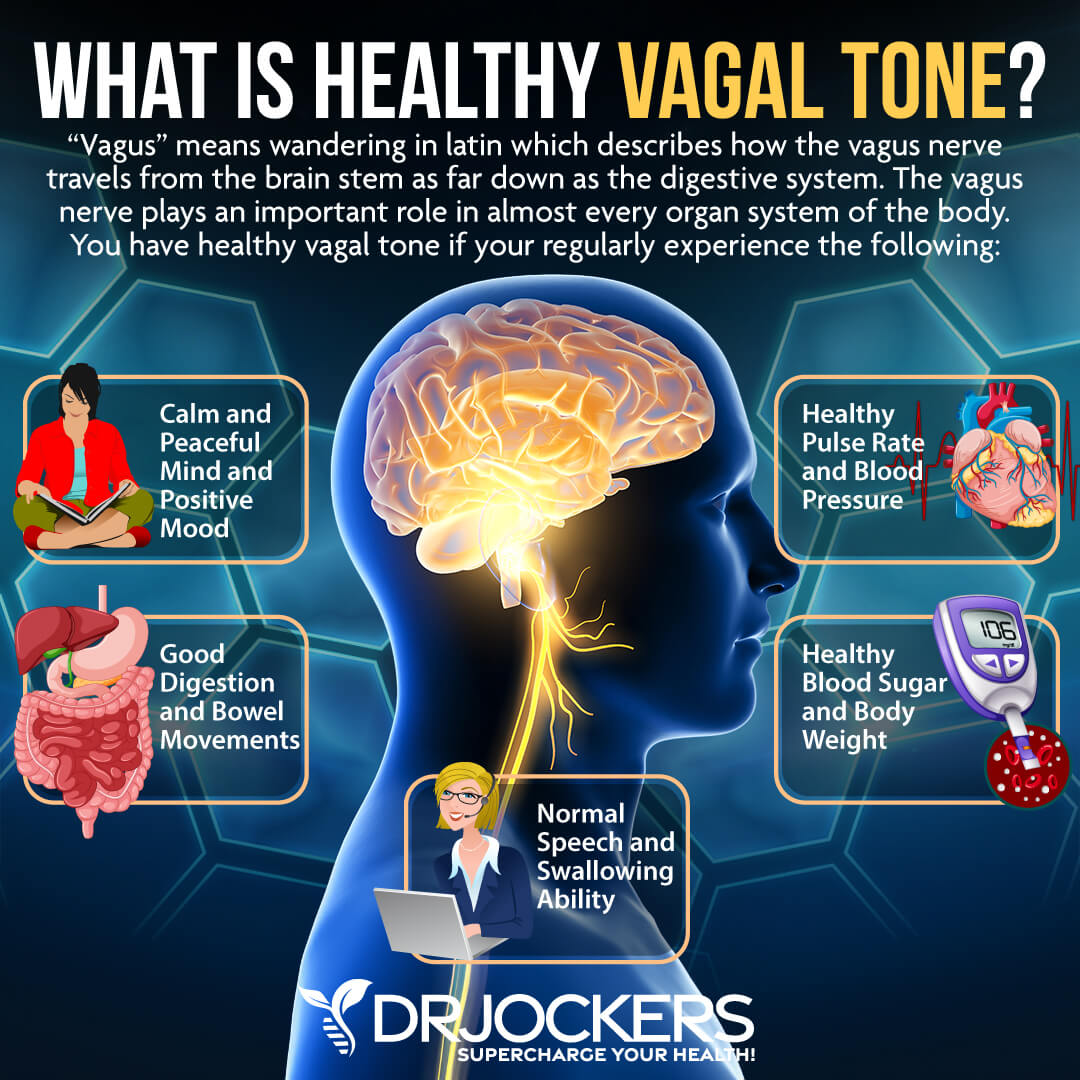
This constant stress response can reduce stomach acid production, slow digestion, and disrupt the gut microbiome, which may result in various symptoms, including bloating, constipation, and malabsorption.
Your body’s nutrient uptake may also decline, especially when it comes to magnesium, zinc, B vitamins, and iron. These are all nutrients that are important for managing stress itself, so this can lead to a vicious cycle of chronic stress and nutrient deficiencies.
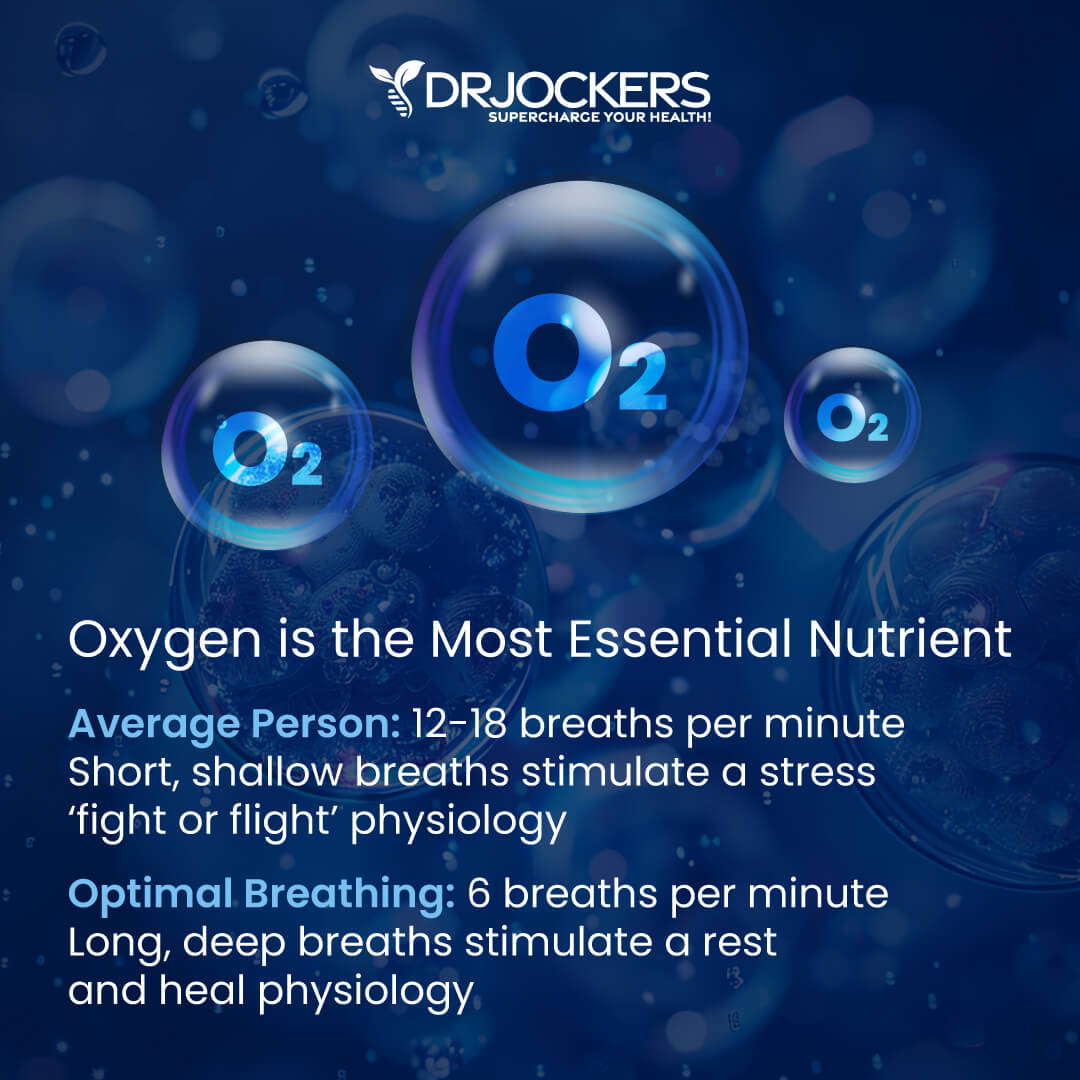
It is critical that you balance your nervous system and reduce your sleep. Mindfulness exercises, breathwork, meditation, journaling, relaxation strategies, gentle movement, regular exercise, and sleep can all help to reduce stress and improve well-being. Additionally, you may also support your adrenal health with minerals, adaptogenic herbs, and balanced meals further help break this cycle and restore optimal nutrient absorption.
Poor Sleep
Poor sleep is another major cause of nutrient deficiencies, another one that many don’t consider. According to a 2020 research published in Mediators of Inflammation, there is a link between sleep and nutrition status (12).
Sleep is critical for tissue repair, detoxification, and cellular renewal. When you are only getting poor sleep and/or not enough sleep, your entire body, including hormonal balance and nutrient metabolism, can suffer. Not enough rest may reduce levels of leptin and increase ghrelin.
Leptin is the hormone that signals fullness, and ghrelin is the one that stimulates appetite. This may result in increased cravings, especially for sugar and refined carbs.
Poor sleep can also increase cortisol levels, which may interfere with the absorption and utilization of key nutrients, such as magnesium, zinc, and vitamin D. These nutrient deficiencies, in turn, negatively impact melatonin production, which makes restorative sleep even more difficult. This can result in a vicious cycle of poor sleep, fatigue, poor focus, nutritional imbalance, and cravings.
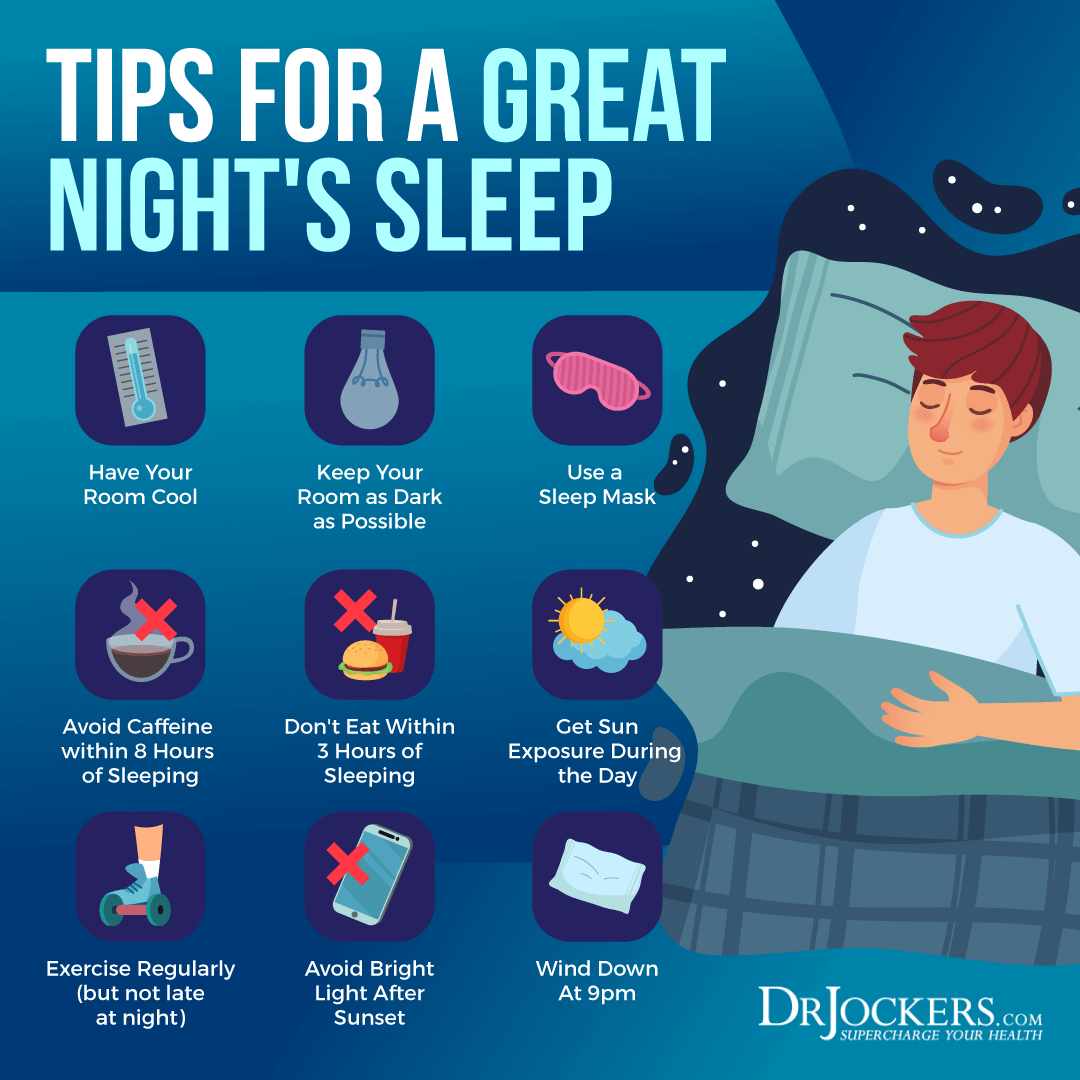
It is important that you prioritize sleep and get at least 7 to 9 hours of restorative sleep each night. I recommend having a consistent, supportive evening routine, avoiding blue light exposure, stress, and food close to sleep, and maintaining a consistent bedtime. Magnesium-rich foods, calming herbal teas, and balanced evening meals may also support sleep and nutrient retention.
Dehydration
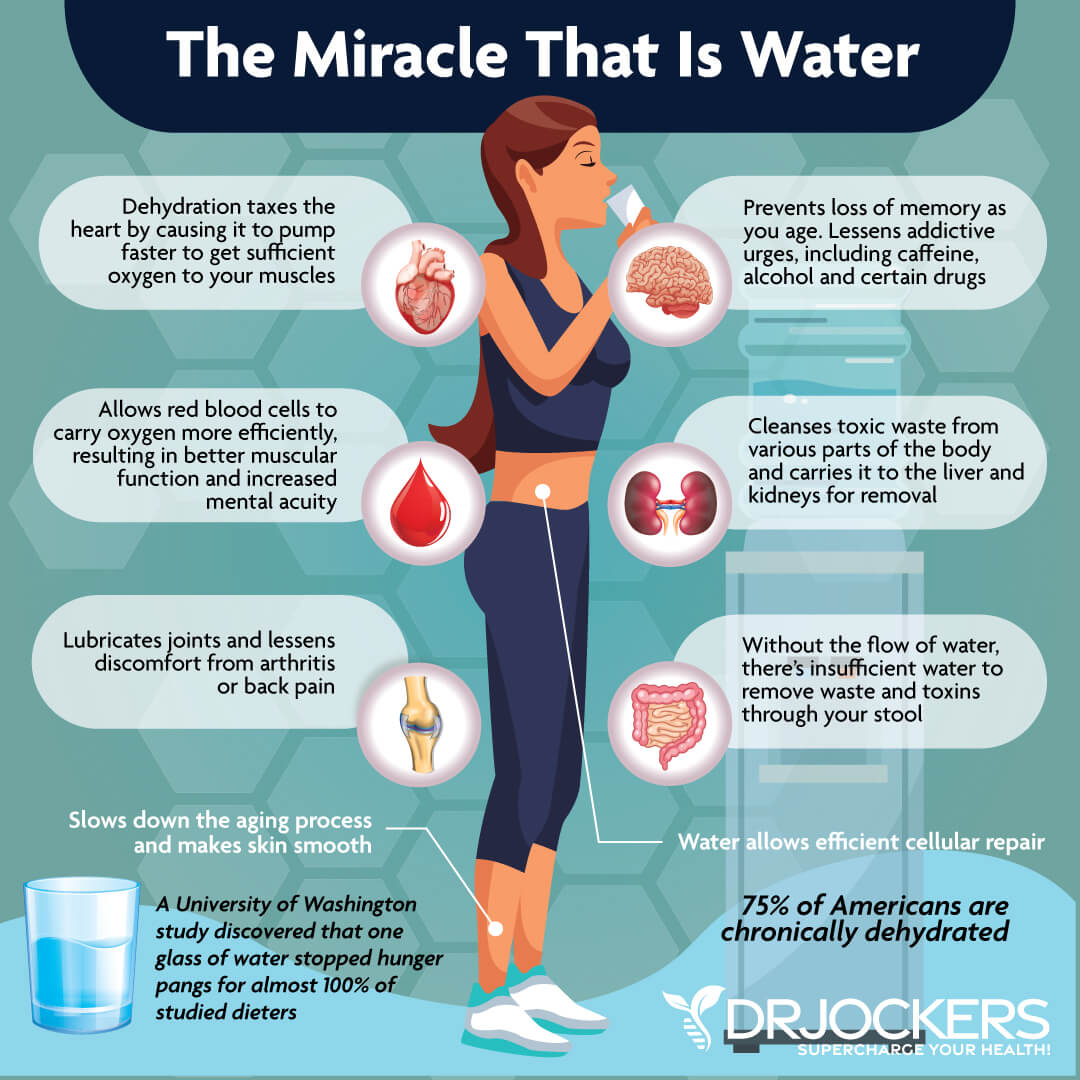
Dehydration is another common underlying issue behind nutrient deficiencies and cravings. This is true even for mild dehydration. According to a 2023 study published in Clinical Nutrition ESPEN, even low-level dehydration can impact nutrition status (13).
When you are dehydrated or thirsty, your body can easily mistake it for hunger and cravings. When your body lacks adequate fluids, it struggles to release glycogen, which is stored energy in your body.
This can result in both sugar and salt cravings. Dehydration can also disturb electrolyte balance, including an imbalance in sodium, potassium, and magnesium, which can cause fatigue, headaches, reduced concentration, and other issues.
You may not be aware, but thirst is a late signal of dehydration. This is why it’s so important to hydrate your body throughout the day instead of trying to drink a lot when you are very thirsty. I recommend rehydrating with purified water. It’s also important that you replenish electrolytes lost through dehydration with coconut water, sea salt, or electrolyte powders, and other mineral-rich sources.
I recommend starting your day with 32 ounces of purified water within the first hour of waking. You can add some lemon juice to it to quick-start your digestion. Continue hydrating throughout the day, drinking about 8 oz of water every hour, getting about a gallon a day, depending on activity levels and climate. Proper hydration not only keeps your cravings in check but can also help with digestion, nutrient absorption, detoxification, and appetite control.
Low Stomach Acid Levels
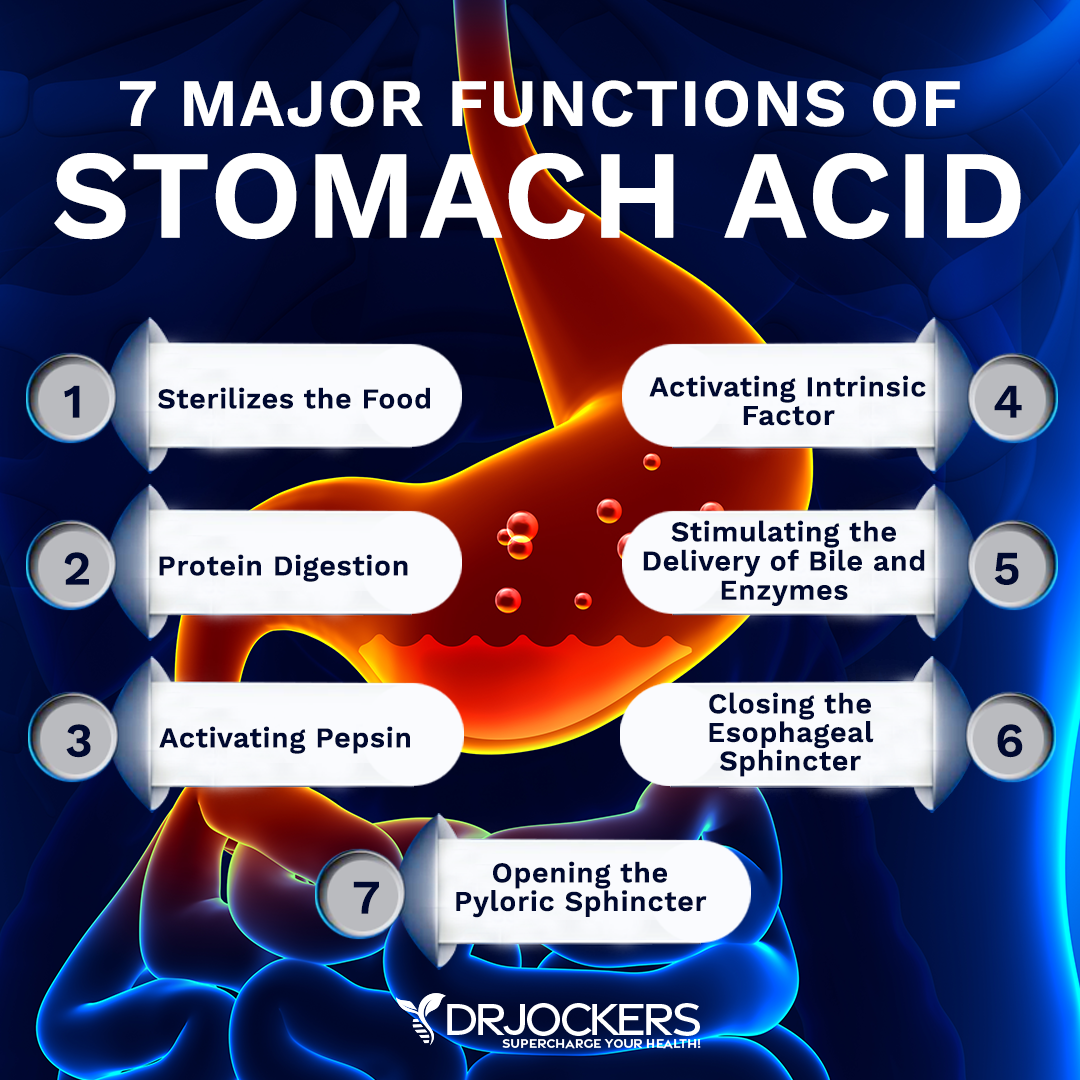
Low stomach acid or hypochlorhydria is a frequently overlooked cause of poor digestion and nutrient deficiencies. Adequate stomach acid is absolutely necessary for breaking down food.
It also helps sterilize pathogens. It’s also important for releasing vital nutrients, such as iron, calcium, zinc, and B12. When acid levels drop, it can result in various issues, including poor protein digestion, bloating, gas, and nutrient malabsorption.
Low stomach acid level can also disrupt the release of bile and pancreatic enzymes, which may further affect digestion and increase the risk of gut conditions, such as irritable bowel syndrome (IBS) and leaky gut. If you are craving pickles, vinegar, or citrus, it may be a sign that you have lower stomach acid levels.
These are common cravings as your body is trying to stimulate acid production naturally. According to 2021 research published in Nutrients, iron, cobalamin, calcium, and magnesium deficiencies related to gastric issues are important to address (13).
Improving Stomach Acid Levels
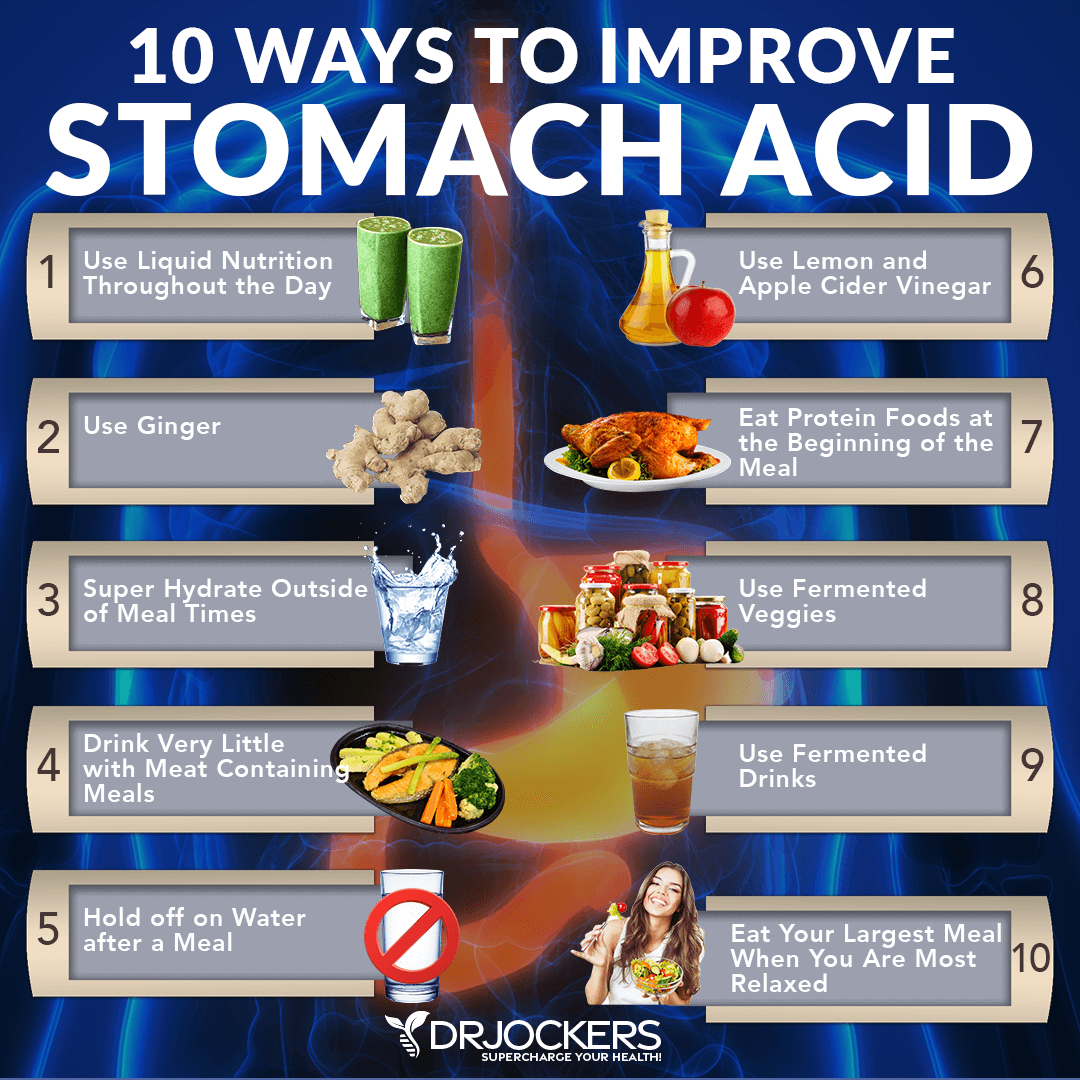
There are a variety of ways you can improve your stomach acid levels and digestion. You can improve your stomach acid by adding carminative herbs such as ginger, thyme, basil, rosemary, oregano, fennel, and parsley to your diet.
You may also improve your stomach acid levels and digestion by drinking a tablespoon of apple cider vinegar 15 minutes before a meal. Eating more fermented vegetables like kimchi and sauerkraut may also help.
I also recommend that you hydrate well outside of mealtimes, but drink very little water with your meals, so you don’t dilute your stomach acid levels. You should have your largest meal when you are in your most relaxed state to activate the vagus nerve for optimal digestion.
Supporting Stomach Acid Levels:
I also recommend eating your protein foods towards the beginning of the meal so they can fall near the bottom of the stomach and have the highest concentration of acids to metabolize them. If you eat a bunch of vegetables first, the meat will sit near the top of the stomach and get less of the acid. It is also important that you chew your meals well.
Taking a few deep breaths, being in gratitude, and praying can really help you improve vagal tone and activate more stomach acid and digestive juices for optimal digestion. If you are busy, stressed, or in a hurry, try doing a protein shake, which is easy on the digestive system since the blender has already done the work.
Ensuring adequate zinc and B vitamin intake can also promote healthy acid levels. Additionally, you can also use a good supplement like our Super Digest HCL, which adds extra stomach acid, bile, and pancreatic enzyme support.

Final Thoughts
Your body is not craving chips or ice cream for no reason. Food cravings often have a meaning. Nutrient deficiencies and imbalances are common issues behind your cravings.
Instead of ignoring your cravings, it’s important to honor them, but in a balanced, nutrient-conscious way. I recommend that you follow my tips in this article to correct nutrient deficiencies and imbalances, reduce cravings, and improve your health.
If you want to work with a functional health coach, I recommend this article with tips on how to find a great coach. On our website, we offer long-distance functional health coaching programs. For further support with your health goals, just reach out—our fantastic coaches are here to support your journey.
Inflammation Crushing Ebundle
The Inflammation Crushing Ebundle is designed to help you improve your brain, liver, immune system and discover the healing strategies, foods and recipes to burn fat, reduce inflammation and Thrive in Life!
As a doctor of natural medicine, I have spent the past 20 years studying the best healing strategies and worked with hundreds of coaching clients, helping them overcome chronic health conditions and optimize their overall health.
In our Inflammation Crushing Ebundle, I have put together my very best strategies to reduce inflammation and optimize your healing potential. Take a look at what you will get inside these valuable guides below!
Sources in This Article Include:
1. Hurley SW, Johnson AK. The biopsychology of salt hunger and sodium deficiency. Pflugers Arch. 2015;467(3):445-456. doi:10.1007/s00424-014-1676-y Link Here
2. Qin D, Qi J, Shi F, Guo Z, Li H. About Sugar Addiction. Brain Behav. 2025;15(7):e70338. doi:10.1002/brb3.70338 Link Here
3. Alkhalidi F. A comparative study to assess the use of chromium in type 2 diabetes mellitus. J Med Life. 2023;16(8):1178-1182. doi:10.25122/jml-2023-0081 Link Here
4. Kemp JA, Fanton S, Baptista BG, et al. Short Report: Influence of Dark Chocolate Intake on Magnesium Status in Hemodialy sis Patients. J Ren Nutr. 2025;35(4):545-549. doi:10.1053/j.jrn.2025.02.002 Link Here
5. Lang-Illievich K, Klivinyi C, Lasser C, Brenna CTA, Szilagyi IS, Bornemann-Cimenti H. Palmitoylethanolamide in the Treatment of Chronic Pain: A Systematic Review and Meta-Analysis of Double-Blind Randomized Controlled Trials. Nutrients. 2023;15(6):1350. Published 2023 Mar 10. doi:10.3390/nu15061350 Link Here
6. Oracz J, Żyżelewicz D. Antioxidants in Cocoa. Antioxidants (Basel). 2020;9(12):1230. Published 2020 Dec 4. doi:10.3390/antiox9121230 Link Here
7. Tyagi A, Daliri EB, Kwami Ofosu F, Yeon SJ, Oh DH. Food-Derived Opioid Peptides in Human Health: A Review. Int J Mol Sci. 2020;21(22):8825. Published 2020 Nov 21. doi:10.3390/ijms21228825 Link Here
8. Fernández-Lázaro D, Arribalzaga S, Gutiérrez-Abejón E, Azarbayjani MA, Mielgo-Ayuso J, Roche E. Omega-3 Fatty Acid Supplementation on Post-Exercise Inflammation, Muscle Damage, Oxidative Response, and Sports Performance in Physically Healthy Adults Systematic Review of Randomized Controlled Trials. Nutrients. 2024;16(13):2044. Published 2024 Jun 27. doi:10.3390/nu16132044 Link Here
9. Leroy F, Smith NW, Adesogan AT, et al. The role of meat in the human diet: evolutionary aspects and nutritional value. Anim Front. 2023;13(2):11-18. Published 2023 Apr 15. doi:10.1093/af/vfac093 Link Here
10. Kiani AK, Dhuli K, Donato K, et al. Main nutritional deficiencies. J Prev Med Hyg. 2022;63(2 Suppl 3):E93-E101. Published 2022 Oct 17. doi:10.15167/2421-4248/jpmh2022.63.2S3.2752 Link Here
11. Lopresti AL. The Effects of Psychological and Environmental Stress on Micronutrient Concentrations in the Body: A Review of the Evidence. Adv Nutr. 2020;11(1):103-112. doi:10.1093/advances/nmz082 Link Here
12. Zhao M, Tuo H, Wang S, Zhao L. The Effects of Dietary Nutrition on Sleep and Sleep Disorders. Mediators Inflamm. 2020;2020:3142874. Published 2020 Jun 25. doi:10.1155/2020/3142874 Link Here
13. Jespersen Low-intake dehydration and nutrition impact symptoms in older medical patients – A retrospective study Clinical Nutrition ESPEN 2023 Link Here
14. Carabotti M, Annibale B, Lahner E. Common Pitfalls in the Management of Patients with Micronutrient Deficiency: Keep in Mind the Stomach. Nutrients. 2021;13(1):208. Published 2021 Jan 13. doi:10.3390/nu13010208 Link Here

Can’t tell you how much I appreciate receiving you e-mails. The graphics are fantastic! I’m really trying to incorporate the information you give me.
THANKS!!!!!!!!!!!!!!!!!!!!!!!!!!!!!!!!!!!
Hi Grace, That is great to hear! Thank you for sharing!
You provide sch a beneficial service with graphics and articles explaining them.
Dr Jockers,
Thank you so much for such an informative Article on Digestive Health, outstanding.
Barry B
Thank you for your feedback Barry! Blessings!
Thank you, Dr.Jockers! This is the very best, concisely written and helpful way to a truly healthful life. I am considering every word to get better.
With sincere blessings for sharing your excellent knowledge.
Elizabeth M.
That is great to hear Elizabeth! Thank you for your support. Blessings!
Dr. Jockers,
Thank you for all the articles you published on your website. The presentation is always simple, clear and very precise. The message you transmit is clear unambiguous and easy to understand.
Thank you for sharing complex physiological concepts in a very easy understandable way. Very good work.
Thank you Souad!
Thank you for your informative article!
I was wondering about a craving for liver: do you have any idea what deficiency could cause this?
Thanks in advance!
Kathy
Hey Kathy – most likely iron, B12 and possibly mitochondrial support nutrients.
How can you combine the HCL and Ox Bile – HCL is an acid and bile is base. They neutralize each other. If taken together, the bile is going to neutralize the acid before the acid can break down the food. Ox bile should be taken an hour before meals to start the bile flow and HCL should be taken after a few bites of food, mid-meal to help digest. Then the food will be digested in the stomach and then get hit by the bile to neutralize it (after it breaks down the food!) on the way to the intestines. TLDR; Ox bile and HCL should NOT be taken at the same time!
Thank you Amanda I did not know that. I always buy an HCL that has Ox bile. Big mistake.
I am surprised Dr. Jockers did not comment on this.
good day.
Shakeh
My gi-map stool test shows I have H. pylori, giardia, and a high infection.
What herbs can I take to remove these infections?
Sorry to hear this! Here is a helpful article where we go over the herbs https://drjockers.com/12-herbs-kill-parasites-naturally/
Thank you so much for this article! I have been wishing for a chart of this sort for a long time, wondering why cravings develop and how to combat them intelligently. This gives us the knowledge to meet our bodily needs without misinterpretation. I have shared this with as many people as I can!
Also, do you have a poster of this chart available to purchase?
No we do not.
Thanks for your support Pamela!
Don’t discount the emotional chocolate craving. I take between 400 and 800 mg magnesium in various forms, not citrate or oxide forms. so, lack of mag is not my problem compared to average Americans intake.
Yes that is a big factor as well! Chocolate boosts serotonin and dopamine as well as endorphins and enhances mood!
Dr Jockers, you have some of the best articles on line, thank you for all you do and give away! I would like to say I do not agree that spinach, swiss chard, chocolate nuts are “good sources” of magnesium. Remember it’s not what you eat but what you absorb and what is available to your cells. These are very high oxalate foods. Oxalates bind not only the minerals in the food, but also minerals in your body leading to deficencies. Sally Norton was recently on Mercola and gave an excellent talk about the dangers of high oxalate foods. I immediately ordered her book and found it to be an excellent resource. I hope you will check it out if you are not aware. Keep it up you are awesome!!!
Happy New Year, Dr. Jockers. I really appreciate all the emails and the professionally made graphics that you share with us in your articles. They are really helpful and show your ideas in a concise and easy to understand way. They are also easy to access so people can use them in their daily lives. You’ve inspired me so much to be more healthy. It was already one of my goals in life that I try to keep track of regularly, but having your information has inspired me even more. I’ve decided to make a journal and include all of your ideas in it. Thank you again. Take good care of yourself and your beautiful family. Sincerely, Jacqueline Stratton, Trinidad, California.
I was hoping your article on food cravings would answer a question I have had for 3 weeks now. My 93 year old mother JUST began to crave crunchy things. NOT because it has salt and NOT because they are sweet. I know this because I gave her some crunchy herbal crackers I had just purchased and did not like at all (tasteless) and she was very happy! She just started asking for crunchy food 3 weeks ago and literally CRAVES it, asking for it 3-4 times a day. I am very conscientious about fixing healthy food for my family and taking nutrients and drinking plenty of water and prefer natural medicine to the typical MD preferences. She has never taken RX meds and rarely sees a DR. So this sudden craving in a real puzzle. Any ideas?
Many thanks for this very informative and useful post dealing with a topic of great importance. it is highly recommended and worth to be reading by everyone looking for healthy food