

 Electrolytes: The Key to Balancing Cortisol, Insulin & Visceral Fat
Are you constantly battling stress, insatiable sugar cravings, and that familiar midday energy crash? Does stubborn belly fat persist despite your best efforts with diet and exercise? While many attribute these struggles to dietary choices, the root cause may lie far deeper: at a cellular level, where mineral deficiencies silently sabotage your metabolic health.
Today, we delve into an ancient strategy to address a very modern problem. We’ll explore the profound science behind how electrolytes directly regulate critical hormones like cortisol and insulin, uncover the subtle signs of deficiency, and provide an actionable, at-home protocol designed to restore balance from your very first glass.
The Vicious Cycle: Cortisol, Insulin, and Cravings
Consider the case of a patient named Beth, who presented with anxiety, sleep disturbances, and a persistent 20 pounds of weight. Her labs revealed elevated cortisol and insulin, indicative of a hyperactive dopamine-cortisol-insulin loop.
By implementing a key electrolyte strategy, Beth experienced rapid improvements in sleep, reduced anxiety, enhanced mental clarity, and increased energy. Her cravings diminished, and within four months, the stubborn weight disappeared.
High Cortisol: The Stress Hormone’s Destructive Power
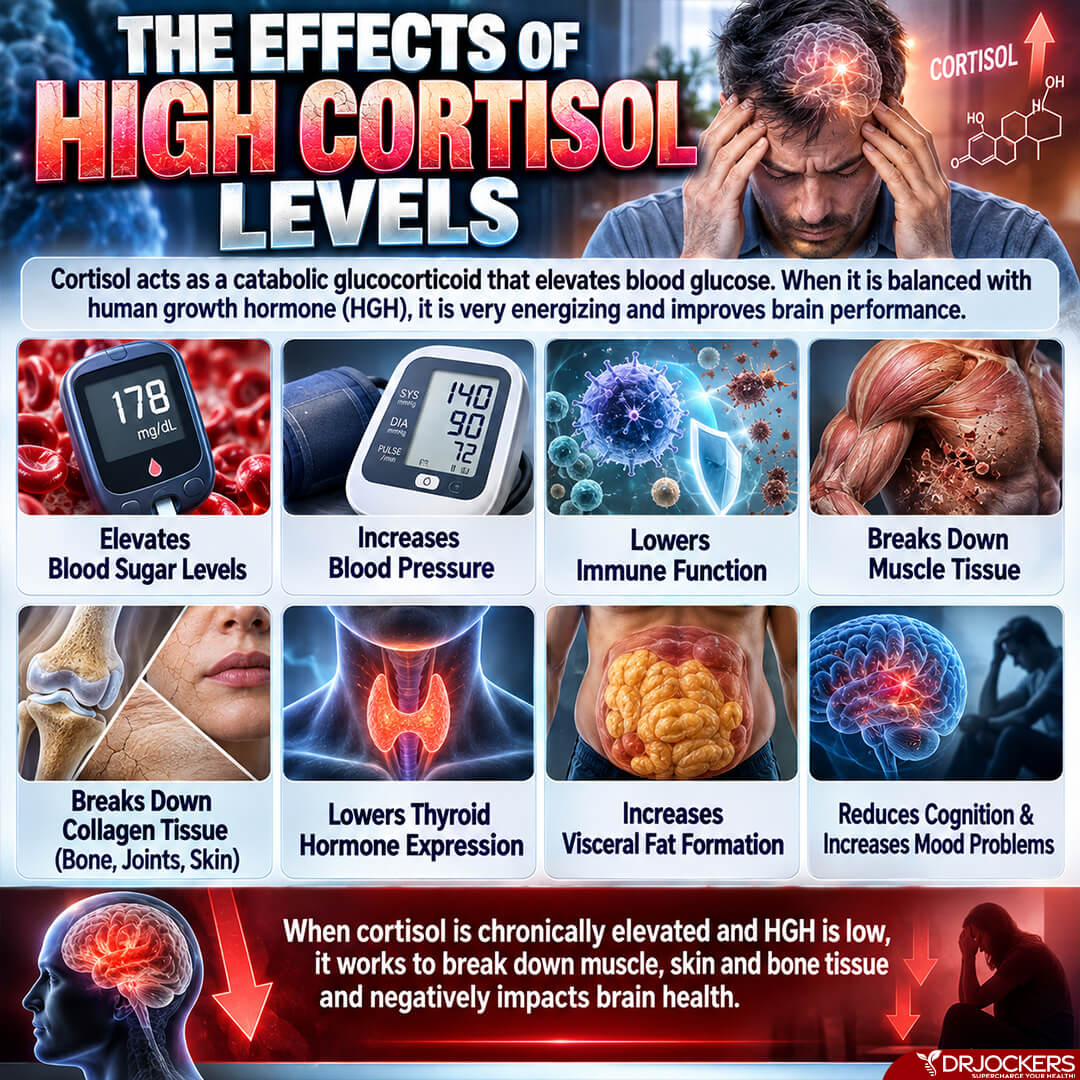
Cortisol, our primary stress hormone, is vital in short bursts but becomes destructive when chronically elevated. High cortisol actively drives intense sugar cravings, signaling an urgent energy need to the brain. As a glucocorticoid, cortisol’s role is to raise blood sugar. When blood sugar levels drop too low, cortisol spikes, triggering dopamine-driven hunger for quick glucose.
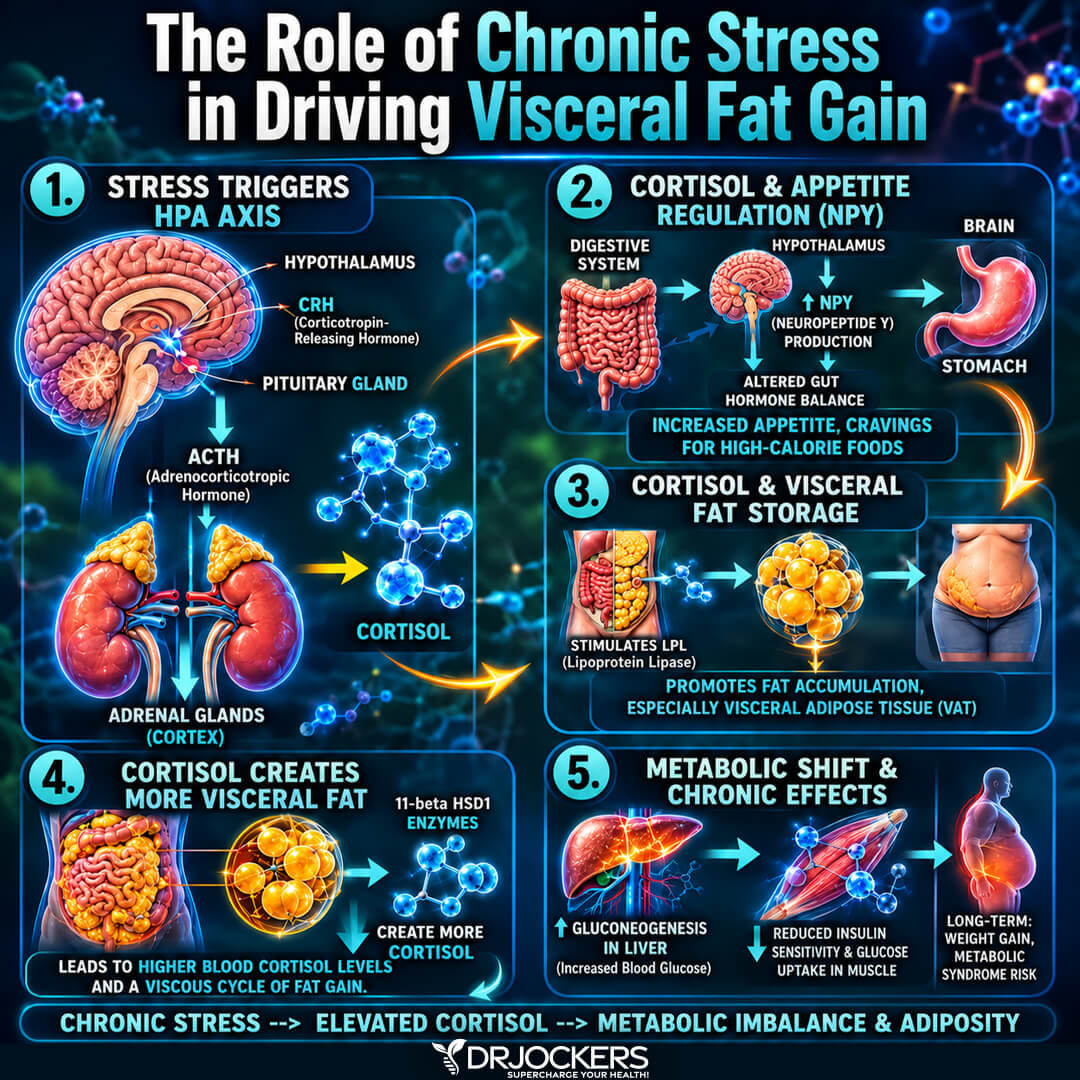
This elevation also prompts the liver to release stored sugar, increasing insulin demand even without food intake. The consequence? Visceral fat accumulation.
Elevated insulin prevents fat burning and promotes fat storage. Furthermore, visceral fat has a high density of cortisol receptor sites, making it highly responsive to increased cortisol levels.
Cortisol is also catabolic, leading to muscle breakdown and converting muscle protein into glucose. This reduces metabolic rate and insulin sensitivity. Additionally, elevated evening cortisol blocks melatonin production, disrupting sleep and causing “racing mind” syndrome. Chronic high cortisol also suppresses the immune system and promotes systemic inflammation.
The Dopamine-Sugar-Cortisol Loop
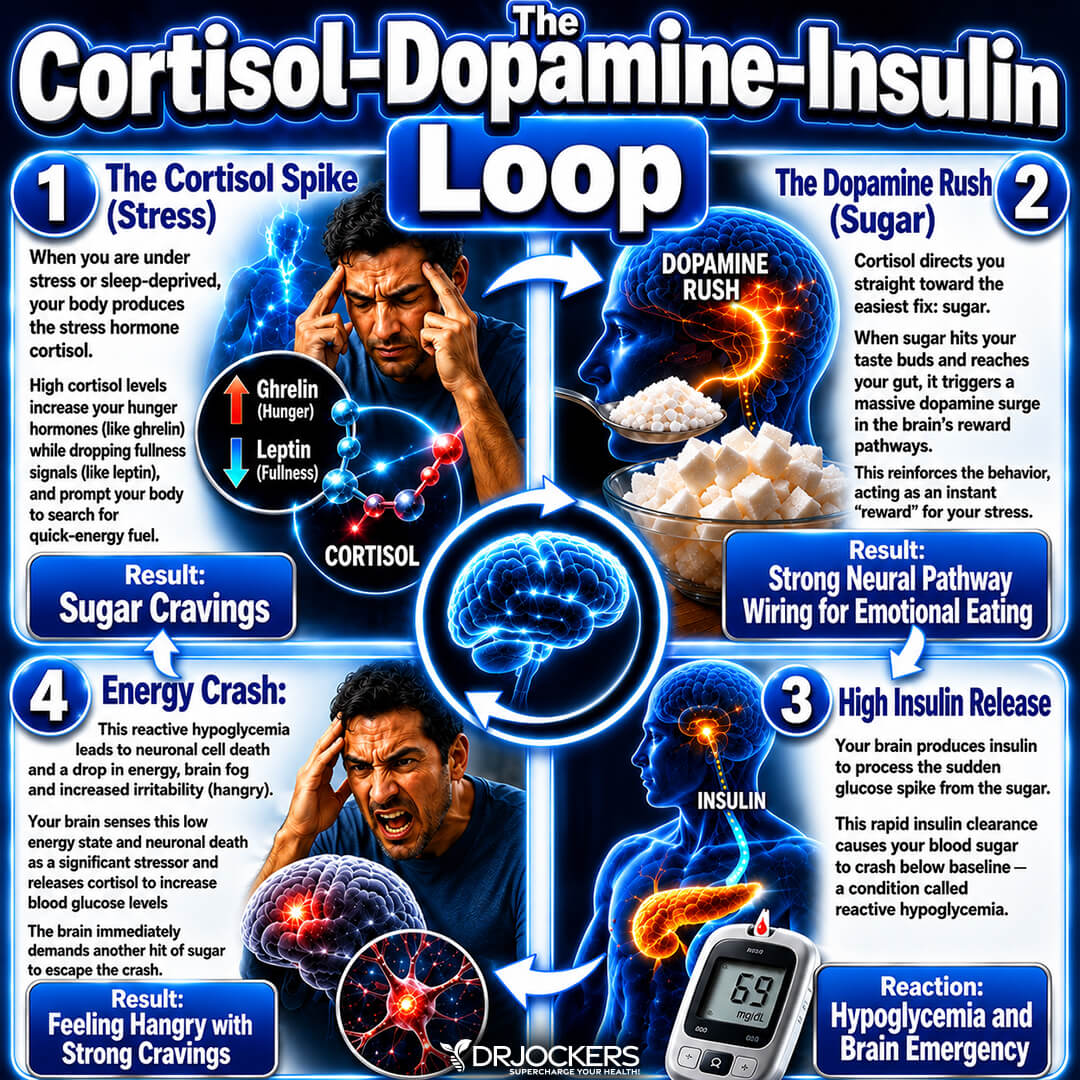
When cortisol rises, the brain demands fast energy from sugar. Sugar consumption releases dopamine, creating a reinforcing “feel good” response. This spikes glucose, leading to an insulin release. Insulin’s job is to clear glucose from the bloodstream, causing blood sugar to drop. This then triggers another cortisol spike, and the craving cycle restarts.
This isn’t a willpower issue; it’s a powerful neurochemical and hormonal feedback loop. Adequate intake of sodium, potassium, and magnesium can interrupt this cycle by stabilizing the stress response and moderating blood glucose fluctuations. This highlights why electrolytes are the crucial missing link in metabolic health.
Electrolytes: The Unsung Heroes of Health
Modern health often overlooks the fundamental mineral foundation of our bodies, focusing almost exclusively on macronutrients.
Electrolytes, electrically charged minerals, govern a vast array of bodily functions, including nerve signaling, muscle contraction, fluid balance, hormone regulation, and cellular energy production. They conduct electricity when dissolved in body fluids, supporting every biological process.
Without sufficient electrolytes, insulin receptors malfunction, cortisol levels worsen, blood sugar becomes unstable, and cravings intensify, irrespective of diet quality.
Ancient populations regularly consumed mineral-rich, unrefined salts, sea vegetables, organ meats, and wild plants. In contrast, modern diets are stripped of these vital minerals. This leads to cravings for salty processed foods like pretzels and chips, which are deficient in essential minerals and contribute to insulin spikes, further perpetuating the cycle.
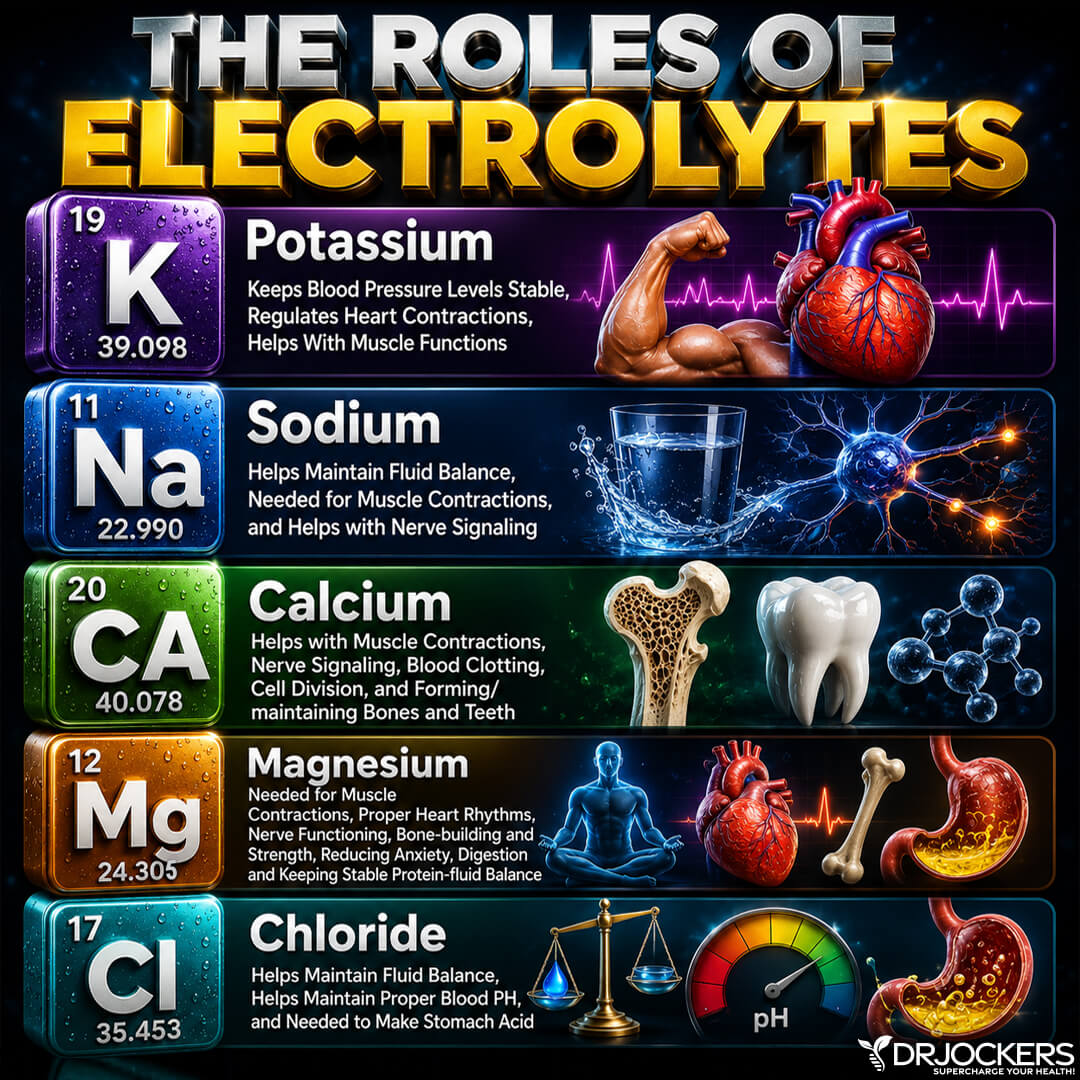
Seven Key Electrolytes and Their Roles
- Calcium: Essential for muscle contractions, cell division, nerve signaling, blood clotting, and bone/teeth formation.
- Potassium: Crucial for blood pressure stability, muscle function, bone health, nerve impulses, and heart function.
- Magnesium: Involved in over 300 enzymatic reactions, supporting muscle contractions, nerve function, bone strength, digestion, heart rhythm, blood glucose regulation, immunity, anxiety reduction, and stress response.
- Sodium: Vital for fluid balance, nerve signaling, blood pressure, and muscle contractions.
- Chloride: Plays a key role in fluid balance, pH balance, and stomach acid production for optimal digestion.
- Phosphate: Important for bone and teeth strength, and energy production for tissue repair.
- Bicarbonate: Essential for heart function and pH balance.
Sodium, potassium, and magnesium are particularly critical due to their direct action at the cellular level, especially through the sodium-potassium pump. This protein, located in cell membranes, moves sodium out and potassium into cells, generating the electrical charge necessary for nerve impulses, muscle contractions, and nutrient transport.
This pump consumes 20-40% of the body’s total energy output, making it one of the most energetically demanding processes. An imbalance or malfunction in this pump drastically reduces cellular energy, impairs insulin receptor sensitivity, and amplifies the stress response.
The ideal dietary potassium-to-sodium ratio is roughly 1:1 or 2:1. Modern diets, however, often invert this ratio, which is directly linked to an increased risk of hypertension, heart disease, and overall mortality.
The Cortisol-Electrolyte Connection
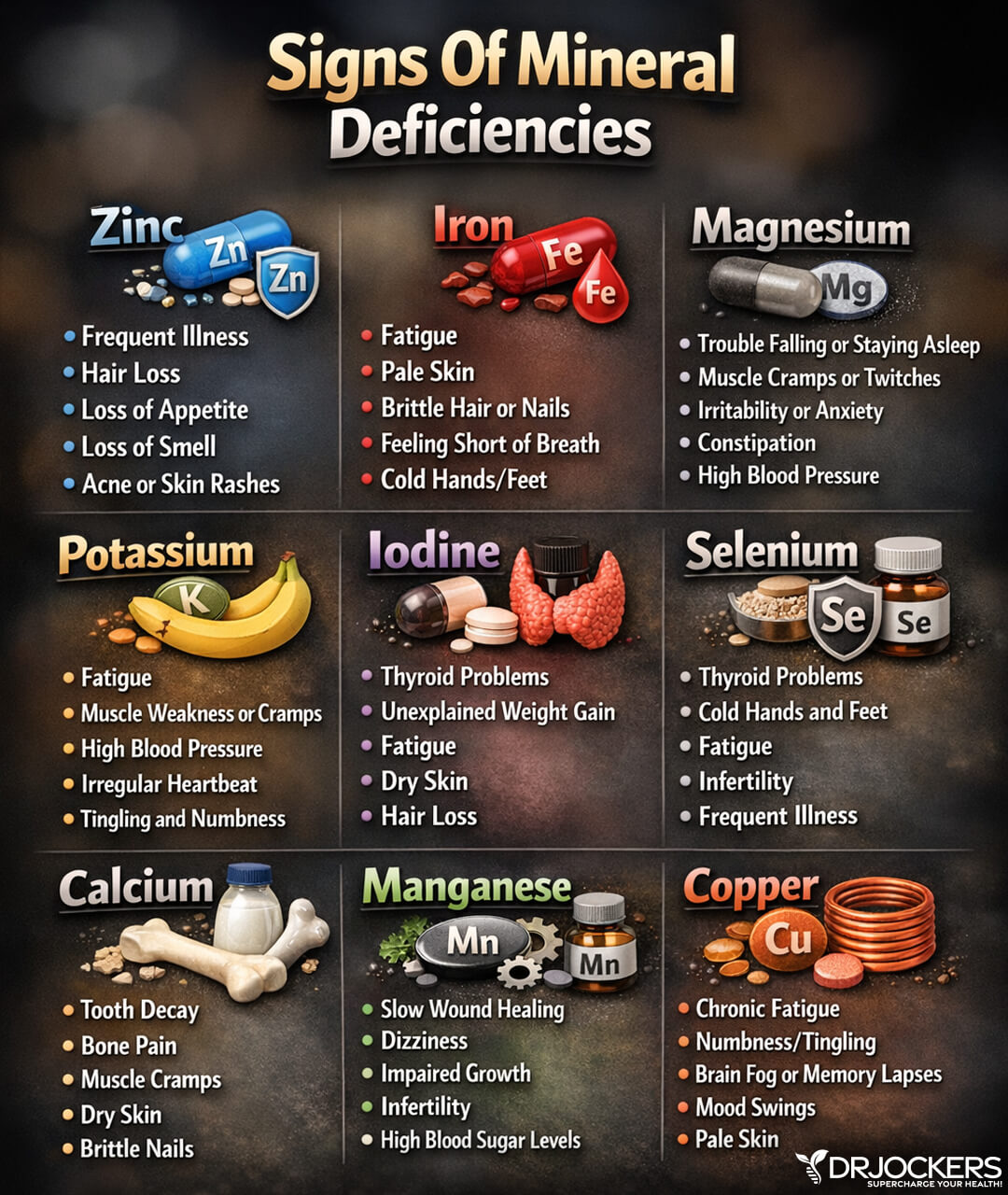
High cortisol activates kidney receptors, leading to increased potassium excretion and sodium retention. This results in low intracellular potassium, impairing the sodium-potassium pump and reducing cellular energy, thereby perpetuating even higher cortisol levels—a classic vicious cycle.
Conversely, insufficient sodium intake can activate the renin-angiotensin-aldosterone system, increasing adrenal demand and stress hormones. Stress itself directly depletes both sodium and potassium through increased urinary loss.
This bidirectional cycle—where electrolyte deficiency worsens cortisol and cortisol worsens electrolyte depletion— underscores the importance of consistent potassium and quality sodium replenishment to break the cycle.
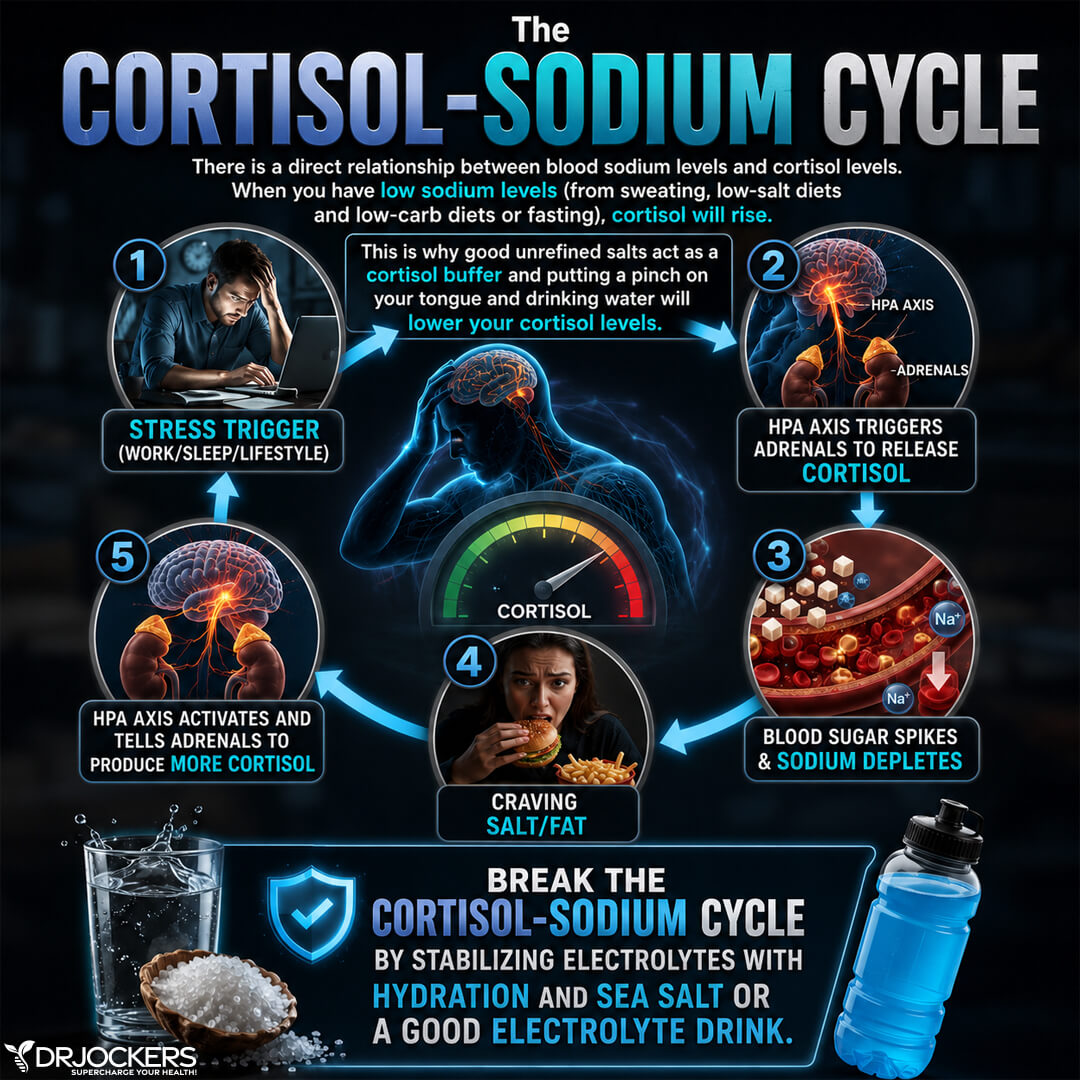
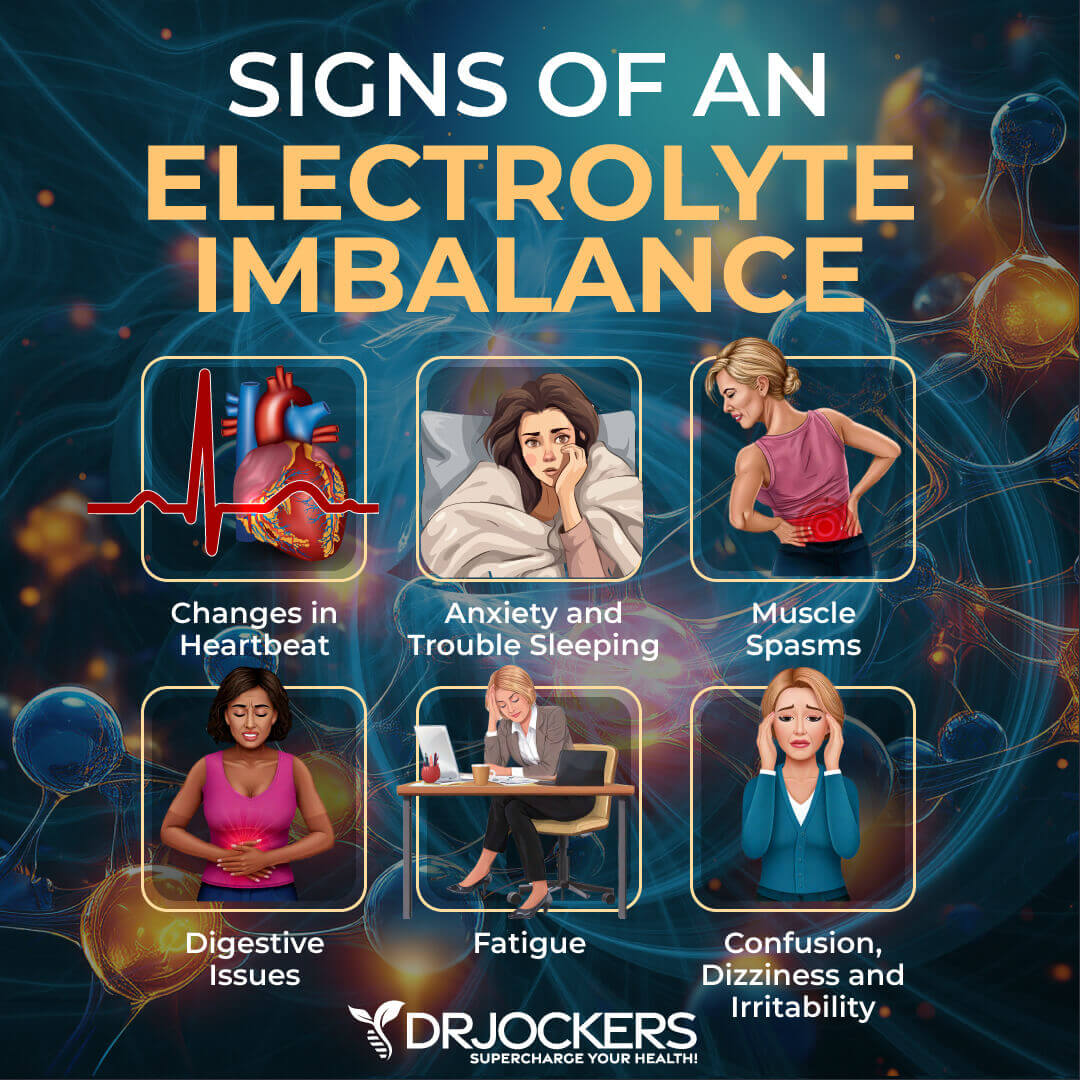
Common Signs of Electrolyte Deficiency
Many common ailments are, in fact, symptoms of electrolyte imbalance:
- Dizziness, weakness, fatigue
- Anxiety
- Muscle spasms, cramps
- Sugar cravings, trouble sleeping
- Irritability, mood changes
- Heart palpitations
- Brain fog, poor concentration
- Headaches, migraines
- Persistent thirst, dry mouth
- Digestive problems
- Hypertension
- Weak bones
- Kidney stones (often linked to low magnesium and potassium, which increase calcium in urine)
These symptoms can often resolve rapidly with proper electrolyte repletion.
Why Most People Are Deficient
Several factors contribute to widespread electrolyte deficiencies:
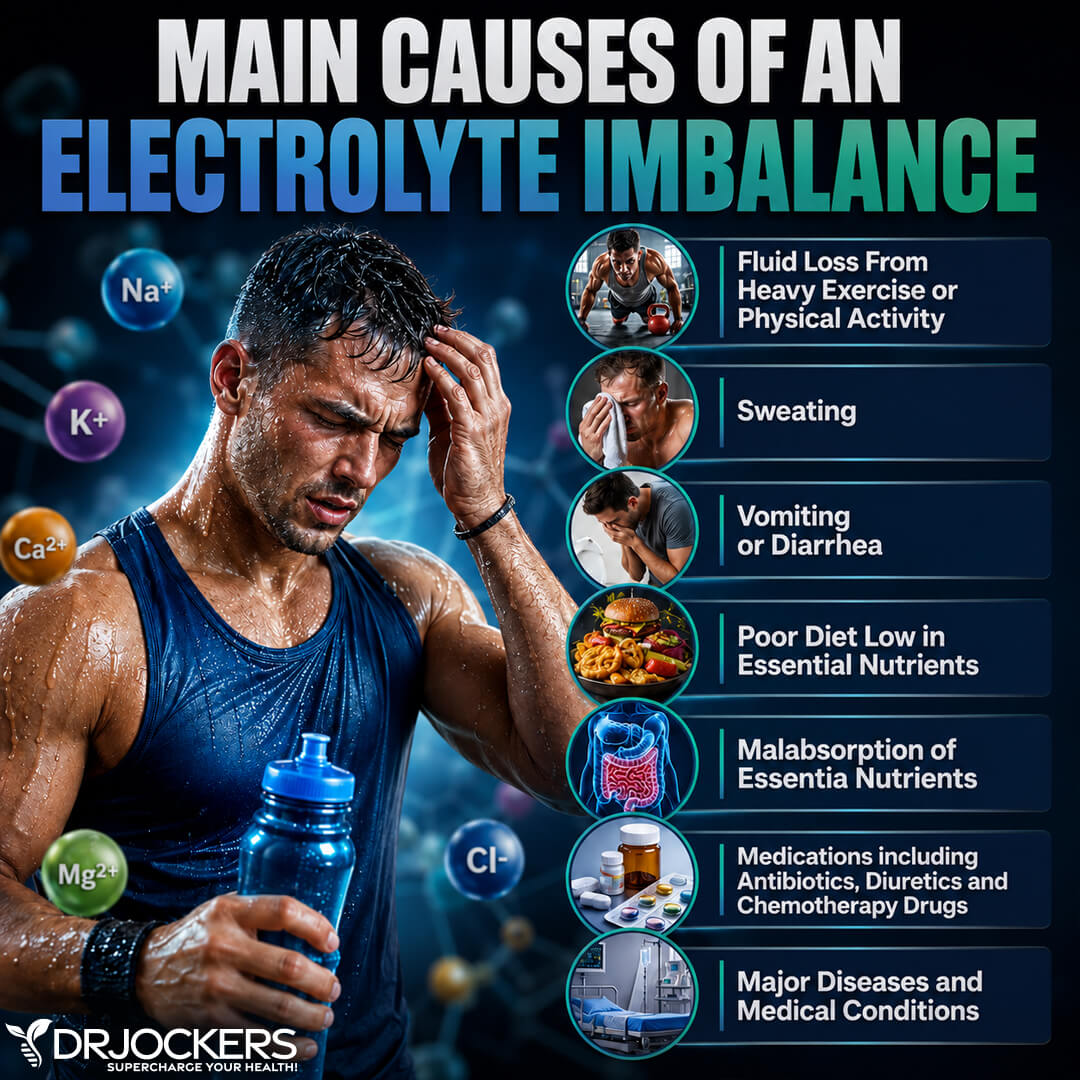
- Processed Foods: High in isolated sodium chloride with minimal potassium, magnesium, or trace minerals.
- Dehydration: Insufficient fluid intake, often exacerbated by diuretic beverages like coffee, depletes electrolytes. Even mild chronic dehydration is problematic.
- Sweating: Exercise, saunas, and heat exposure significantly increase the loss of sodium, potassium, and magnesium, requiring intentional replenishment.
- Low-Carb/Ketogenic Diets: Glycogen depletion and lower insulin levels on these diets lead to increased excretion of sodium and potassium, necessitating replacement.
- Fasting: Fasting causes sodium loss; replenishing with quality salt during fasting windows can prevent “keto flu” symptoms.
- Stress: Directly increases urinary loss of sodium and potassium.
- Low-Salt Diets: Under-consuming salt can deplete minerals without addressing underlying issues.
- Medications: Many drugs, including antibiotics, diuretics, antidepressants, and chemotherapy, can cause electrolyte depletion as a side effect.
- Poor Gut Absorption: Conditions like inflammation, gut damage, celiac disease, low stomach acid, or infections can impair mineral absorption regardless of dietary quality.
Mineral-Rich Food Sources
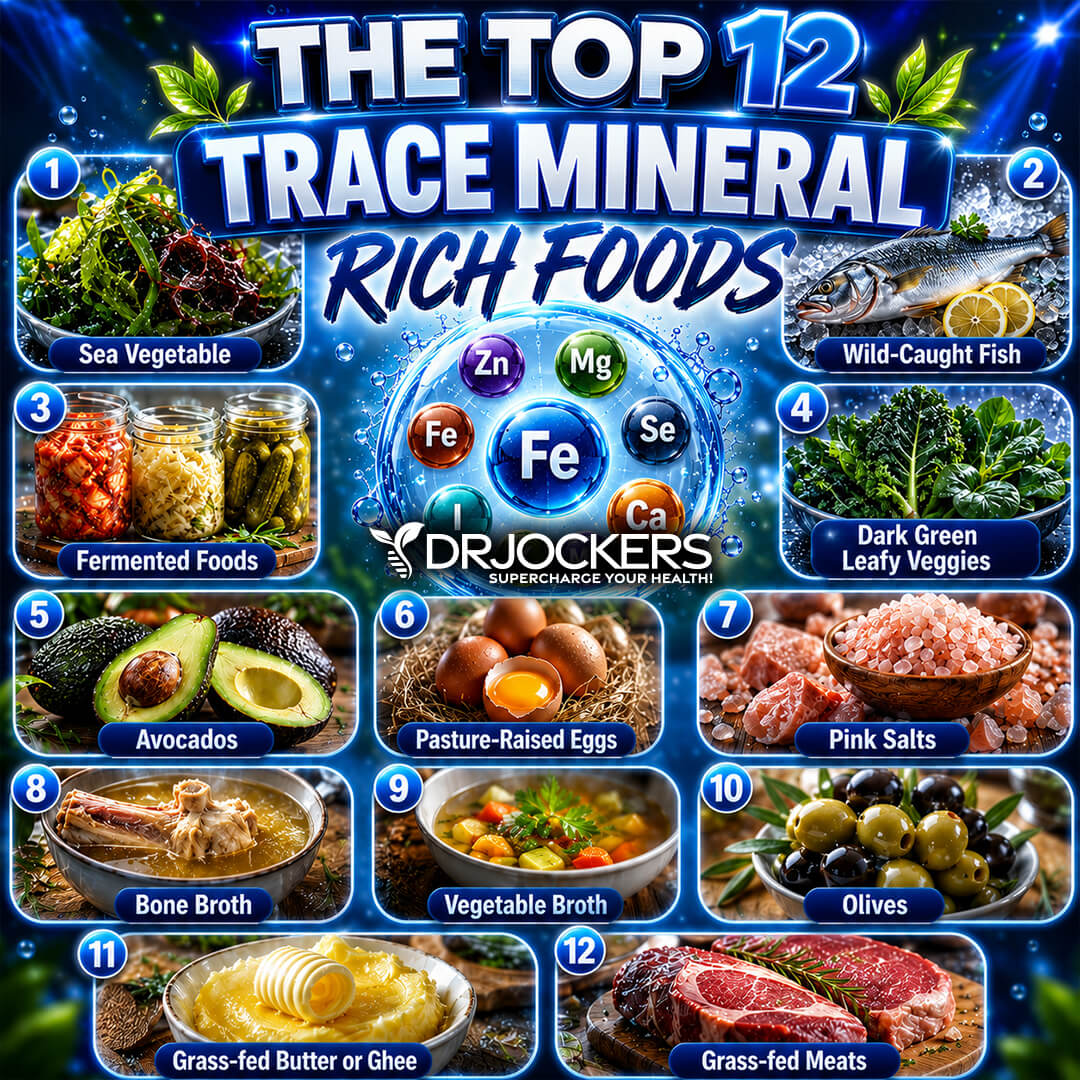
Integrate these foods into your diet to naturally boost electrolyte levels:
- Sea Vegetables: Kelp, dulse, nori, wakame are highly concentrated sources of trace minerals.
- Wild-Caught Fatty Fish/Seafood: Salmon, sardines, herring, cod, oysters, shrimp provide selenium, phosphorus, iodine, omega-3s, and zinc.
- Fermented Foods: Sauerkraut, kimchi, mineral-salted pickles offer highly bioavailable minerals and probiotics.
- Dark Leafy Greens: Kale, spinach, Swiss chard, arugula, bok choy are rich in magnesium, potassium, copper, and manganese. Opt for lower oxalate greens like arugula, cucumbers, and celery.
- Avocados: Excellent source of potassium, magnesium, and copper, along with healthy fats.
- Pasture-Raised Eggs: Yolks are rich in selenium, phosphorus, zinc, and fat-soluble nutrients.
- Unrefined Mineral Salts: Redmond’s Real Salt is a preferred unrefined ancient salt, rich in trace minerals.
- Bone Broth: Pasture-raised, organic bone broth provides phosphorus, magnesium, potassium, and sodium.
- Olives: Rich in healthy fats and trace minerals.
- Grass-Fed Meats & Butter: Offer significantly higher levels of selenium, zinc, phosphorus, potassium, and magnesium compared to grain-fed options.
- Mushrooms: A rare non-animal source of selenium, also rich in copper, potassium, and B vitamins.
- Celery & Cucumbers: Super hydrating with structured water, potassium, and silica. Carrots are also mineral-rich.
Top Potassium Sources
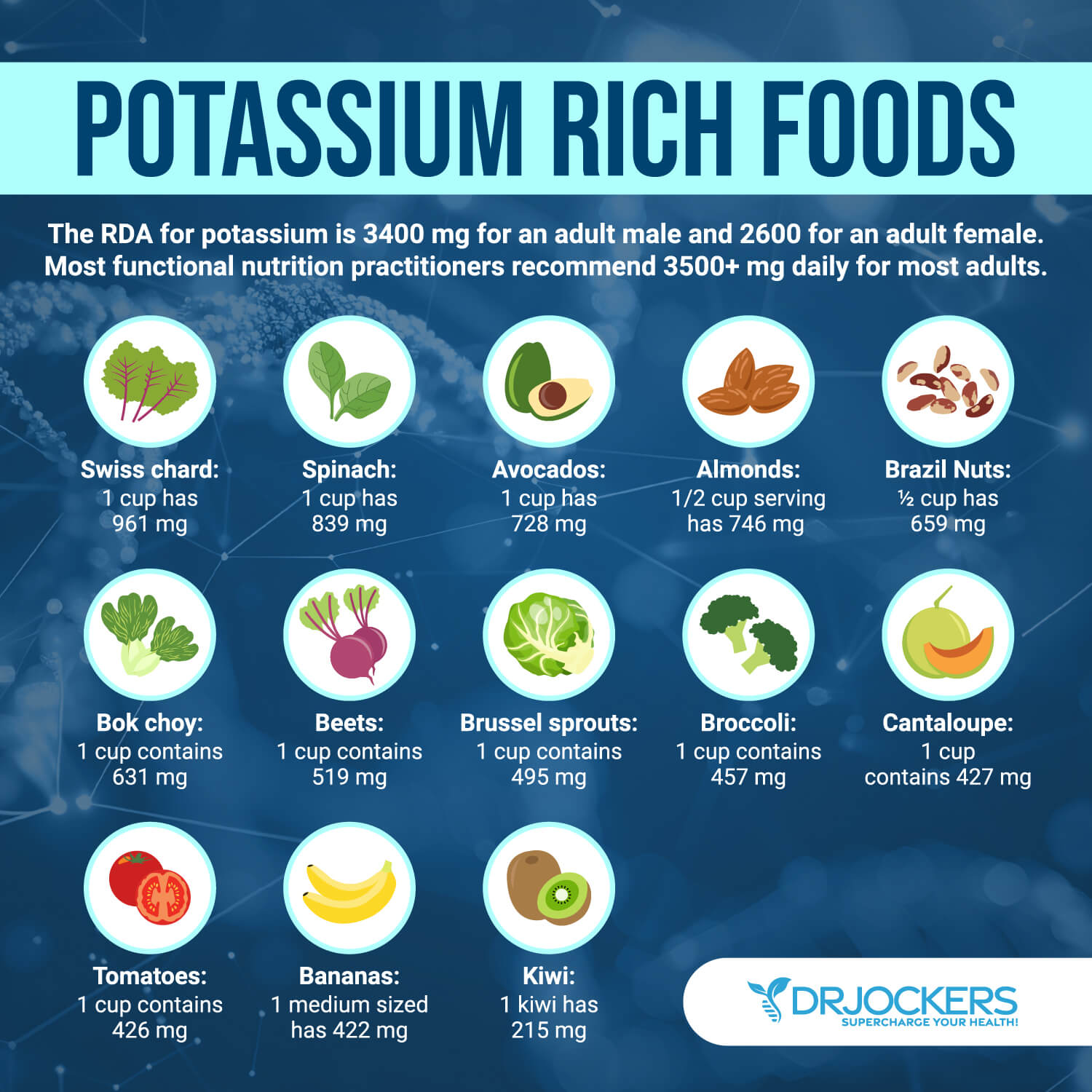
The recommended daily intake of potassium is 3,700-4,700 mg, a target most people miss substantially. Here are some concentrated sources:
- Swiss Chard: 961 mg/cup
- Spinach: 839 mg/cup
- Almonds: 746 mg/cup
- Avocados: 728 mg/cup
- Beet Greens: 654 mg/cup
- Brazil Nuts: 659 mg/half cup
- Bok Choy: 631 mg/cup
- Beets: 519 mg/cup
- Brussels Sprouts: 495 mg/cup
- Broccoli: 457 mg/cup
- Cantaloupe: 427 mg/cup
- Tomatoes: 426 mg/cup
- Bananas: 422 mg/medium fruit
- Kiwi: 215 mg/fruit
The At-Home Electrolyte Protocol
- Quality Sodium: Use unrefined mineral salt like Redmond’s Real Salt, avoiding isolated sodium chloride.
- Potassium: Critical for breaking the cortisol cycle and often the most depleted mineral.
- Magnesium: Essential for over 300 enzymatic regulations, blood glucose, and stress response modulation.
- Trace Minerals: A broad-spectrum blend supports all metabolic processes.
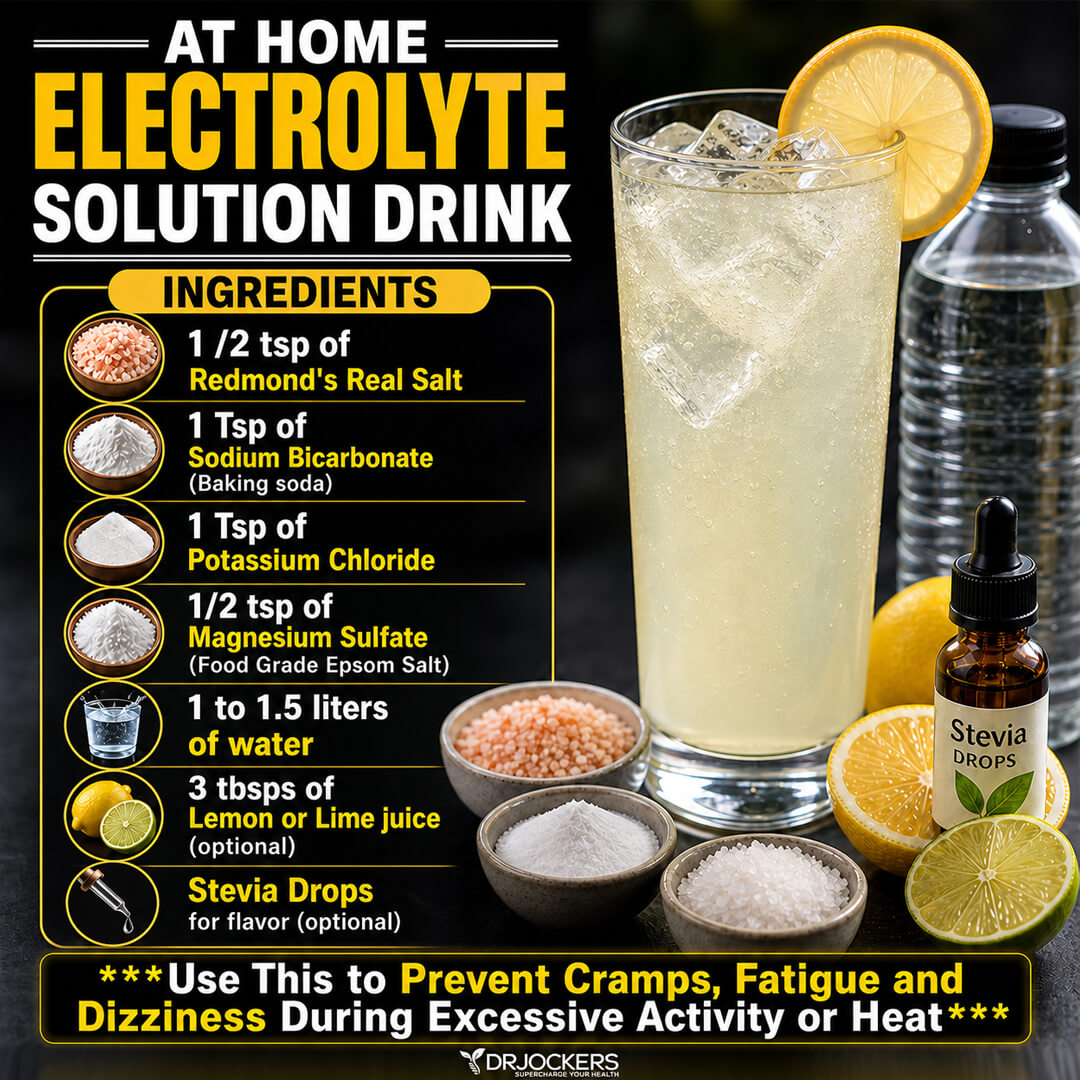
DIY Electrolyte Drink Recipe
Mix the following into 1 to 1.5 liters of filtered water:
- 1/4 tsp Redmond’s Real Salt (or similar unrefined mineral salt)
- 1/4 tsp Cream of Tartar (provides 495 mg potassium)
- Juice of half a lemon (or lime) for vitamin C, trace minerals, and liver support
Optional additions:
- Small amount of raw honey (post-workout only, avoid while fasting)
- Pinch of food-grade magnesium powder or liquid trace mineral drops
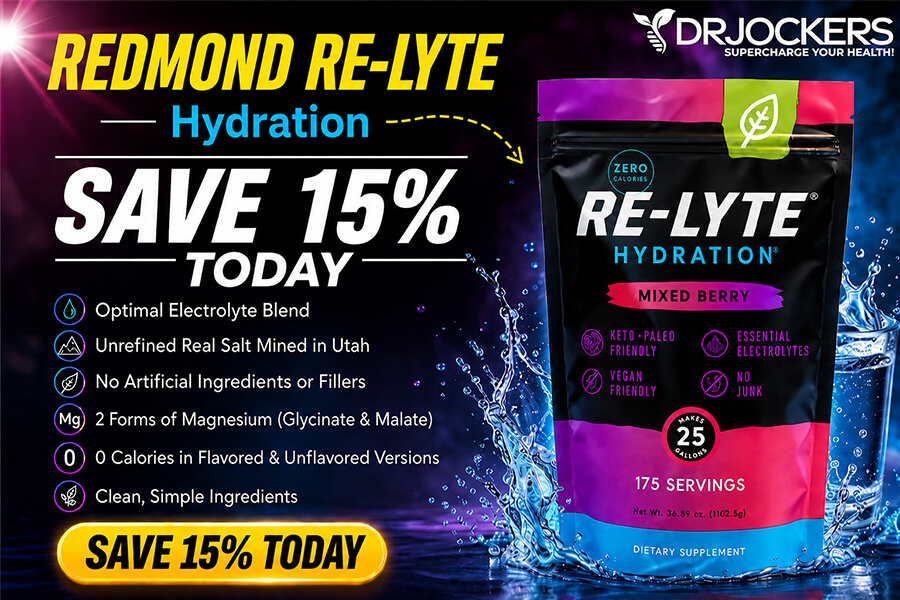
Introducing Re-Lyte:
If you are busy with work, family and activities like I am…you are probably using up your electrolytes – leaving you wired, tired and depleted.
You see what most people don’t realize is that if you’re under stress, or doing intermittent fasting, eating a low-carb diet, training hard or even just living an active, busy life, you’re losing more electrolytes like sodium, potassium and magnesium than you probably realize—and most electrolyte drinks don’t come close to replacing them.
That’s one of the reasons I use Re-Lyte from Redmond every day. It’s made with Redmond Real Salt—an ancient, unrefined sea salt from Utah that naturally contains trace minerals—and it contains two types of magnesium for better absorption . No sugar, no artificial ingredients, just a clean formula that actually works.
And it has unique trace minerals that improve cellular hydration better than any other electrolyte formula on the market. It also has the optimal electrolyte ratio with 800 mg of sodium, 400 mg of potassium, 60 mg of calcium and 50 mg of magnesium.
I drink these electrolytes every day because I can feel the energy boost, I have better mental clarity while I am working and greater strength gains in the gym and they have even improved my sleep quality.
My routine is simple: Unflavored Re-Lyte while fasting in the morning, then a flavored version like Strawberry or Lemon Lime around workouts.
— > Check out My Favorite Electrolytes My Family Uses Everyday! For a limited time, use the code JOCKERS at checkout for 15% off your order
When to Consume Electrolytes
- First thing in the morning: Replenish overnight losses, boost energy, balance cortisol, and support regularity.
- During or after physical activity/sauna: Counteract sweat-induced mineral loss.
- On fasting days: Crucial for maintaining energy and preventing fasting-related discomfort.
- Anytime you experience: Cravings, fatigue, brain fog, headaches, or muscle cramps.
While homemade solutions are effective, high-quality electrolyte powders offer convenience and precise formulations. Products like Re-Lyte from Redmond’s provide an optimal balance of sodium, potassium, calcium, and magnesium, along with unique trace minerals for superior cellular hydration. Look for formulations using unrefined salt, natural sweeteners (like stevia), and no artificial ingredients.
Advanced Correction Strategies
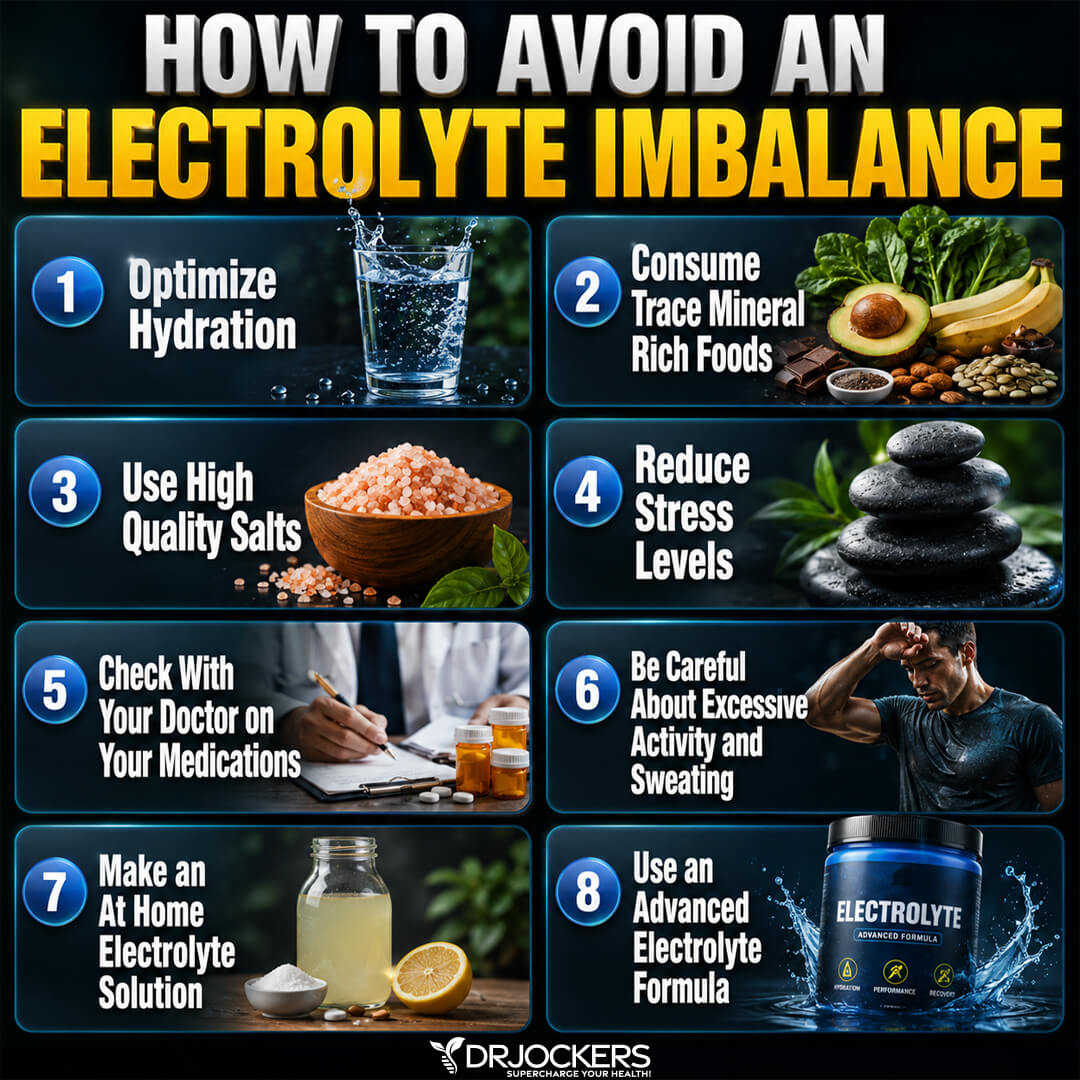
- Optimize Hydration: Aim to urinate every 1-2 waking hours. If not, you are likely dehydrated.
- Reduce Stress: Stress management is non-negotiable. Engage in gratitude practices to release oxytocin and serotonin, counteracting the cortisol response.
- Whole-Food Diet: Eliminate processed foods and focus on nutrient-dense, mineral-rich whole foods to address root deficiencies.
- Account for Heavy Sweating: Water alone is insufficient; active individuals or those using saunas need dedicated electrolyte replenishment.
- Review Medications: Discuss potential electrolyte-depleting side effects with your doctor, especially if taking diuretics, antibiotics, chemotherapy, or antidepressants.
For years, many have chased the perfect diet, workout, or supplement, overlooking the fundamental importance of mineral balance. Prioritizing electrolytes stabilizes hormones, diminishes cravings, and restores energy. This solution is not complicated; it has simply been overlooked.
Embrace this ancient strategy to reclaim your metabolic health and vitality. Stay blessed and proactive in your health journey!
If you want to work with a functional health coach, I recommend this article with tips on how to find a great coach. On our website, we offer long-distance functional health coaching programs. For further support with your health goals, just reach out—our fantastic coaches are here to support your journey.

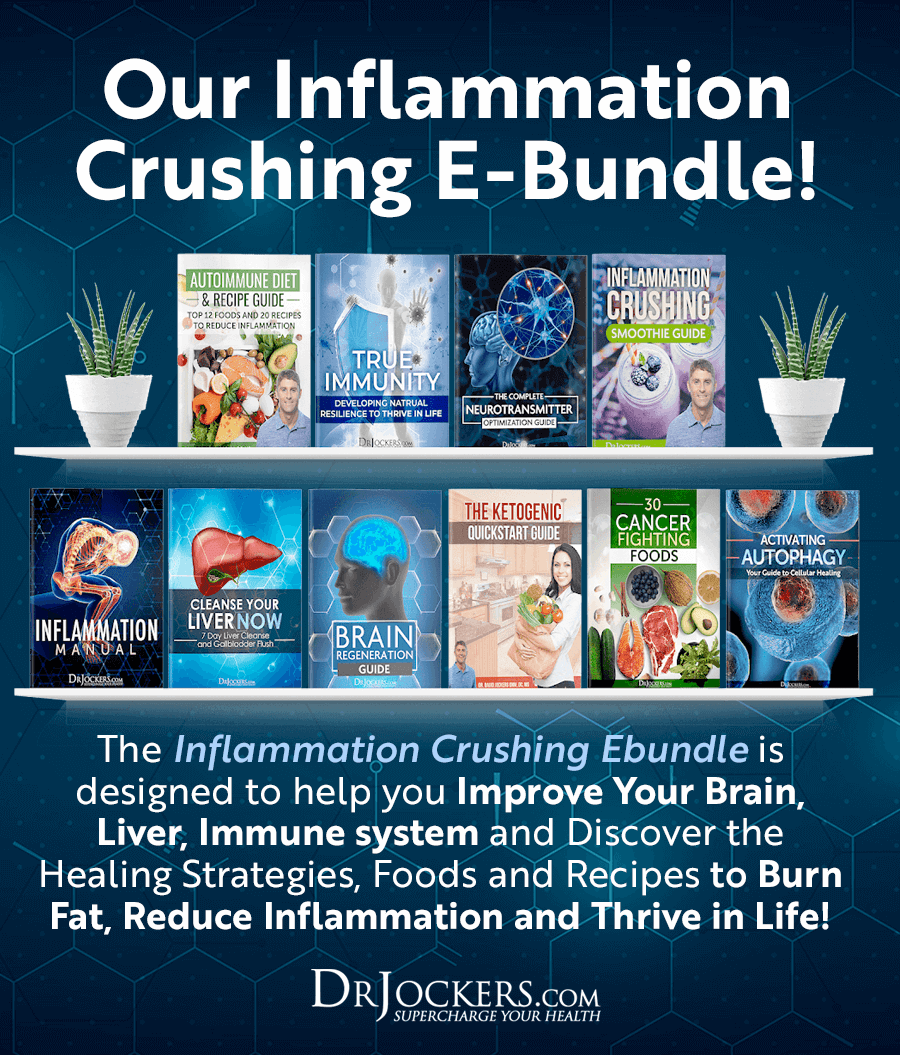
Inflammation Crushing Ebundle
The Inflammation Crushing Ebundle is designed to help you improve your brain, liver, immune system and discover the healing strategies, foods and recipes to burn fat, reduce inflammation and Thrive in Life!
As a doctor of natural medicine, I have spent the past 20 years studying the best healing strategies and worked with hundreds of coaching clients, helping them overcome chronic health conditions and optimize their overall health.
In our Inflammation Crushing Ebundle, I have put together my very best strategies to reduce inflammation and optimize your healing potential. Take a look at what you will get inside these valuable guides below!

I know electrolyte solutions would be helpful, but what can I substitute for the lemon since I am supposed to avoid citrus which aids iron absorption? I have polycythemia and my ferritin is high.
Can you donate blood or get your provider to order phlebotomy? That is how i keep my ferritin under control.
What might contribute to a critically low serum iron level?
I would like to see an article on low cortisol.