 7 Day Arterial Repair Meal Plan
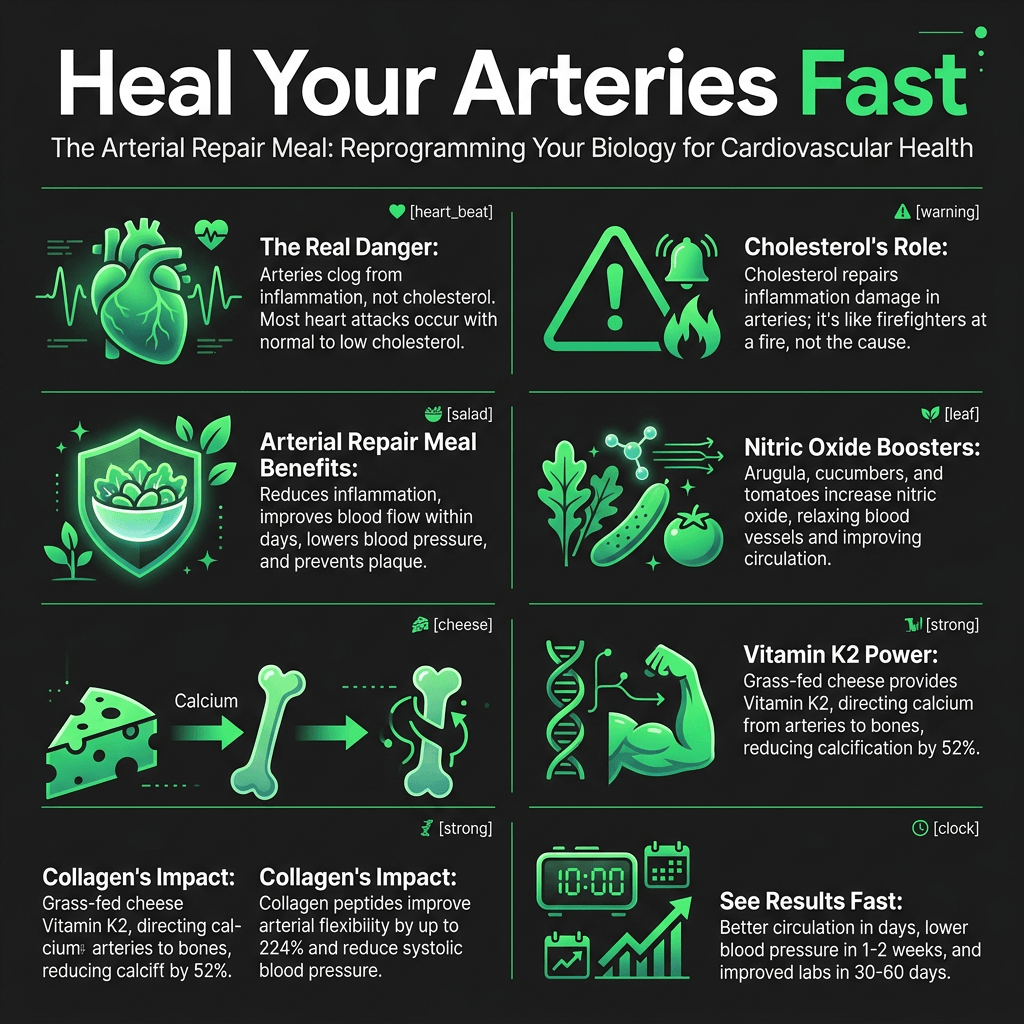
For too long, the narrative around heart disease has centered almost exclusively on cholesterol. We’ve been told that high cholesterol acts like sludge, relentlessly clogging our arteries. Yet, a growing body of evidence, and countless health outcomes, reveal a more nuanced and critical truth: arteries don’t typically clog from cholesterol accumulation alone; they clog from inflammation you often can’t feel.
This paradigm shift is vital, especially when considering that many individuals with normal to low cholesterol levels still succumb to heart attacks. The real culprit is frequently silent, insidious inflammation, systematically damaging your arteries from the inside out.
But what if there was a specific meal, backed by human studies, designed to not just manage, but actively restore arterial function?
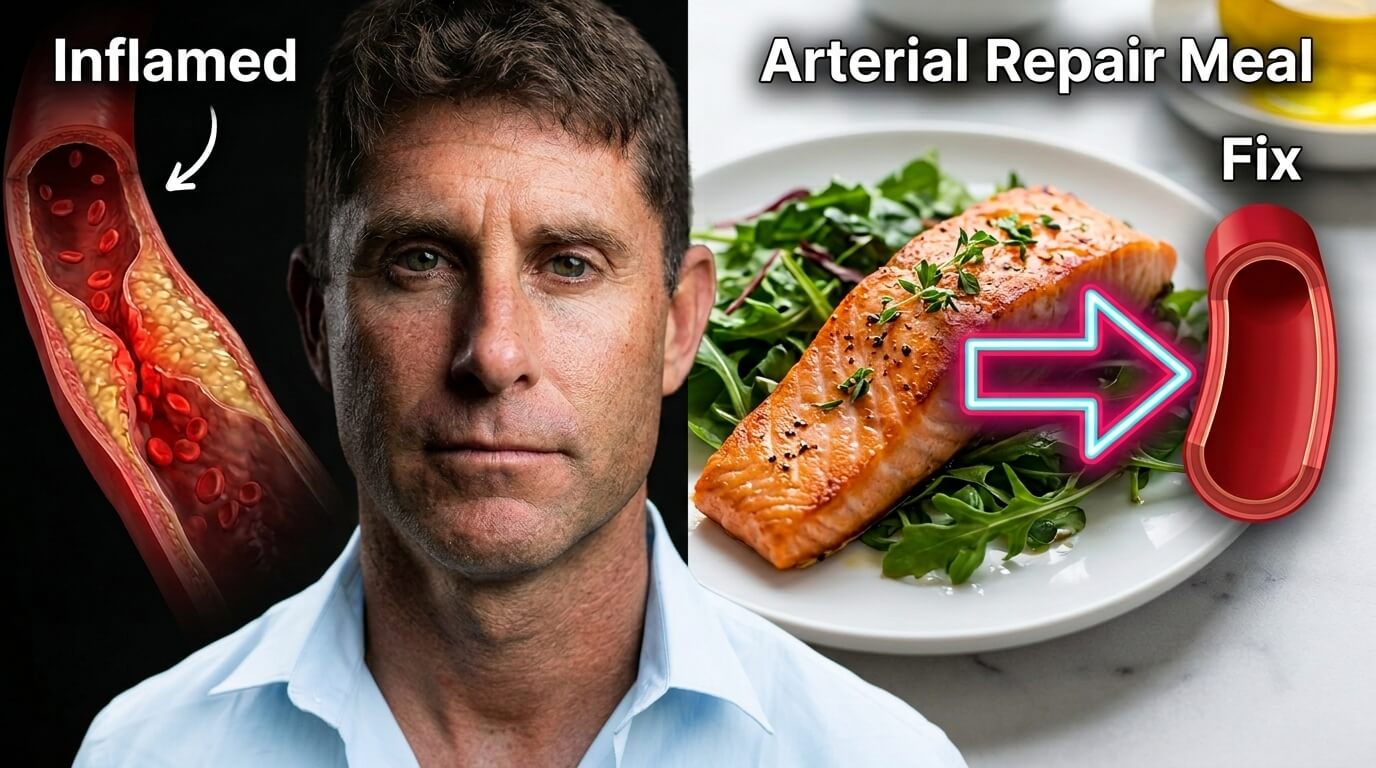
This isn’t about mere dietary recommendations; it’s about a precision-engineered approach that leverages the body’s innate healing capabilities. This “Arterial Repair Meal” offers a blueprint for reversing damage and fostering cardiovascular resilience.
The Real Culprit: Inflammation, Not Just Cholesterol
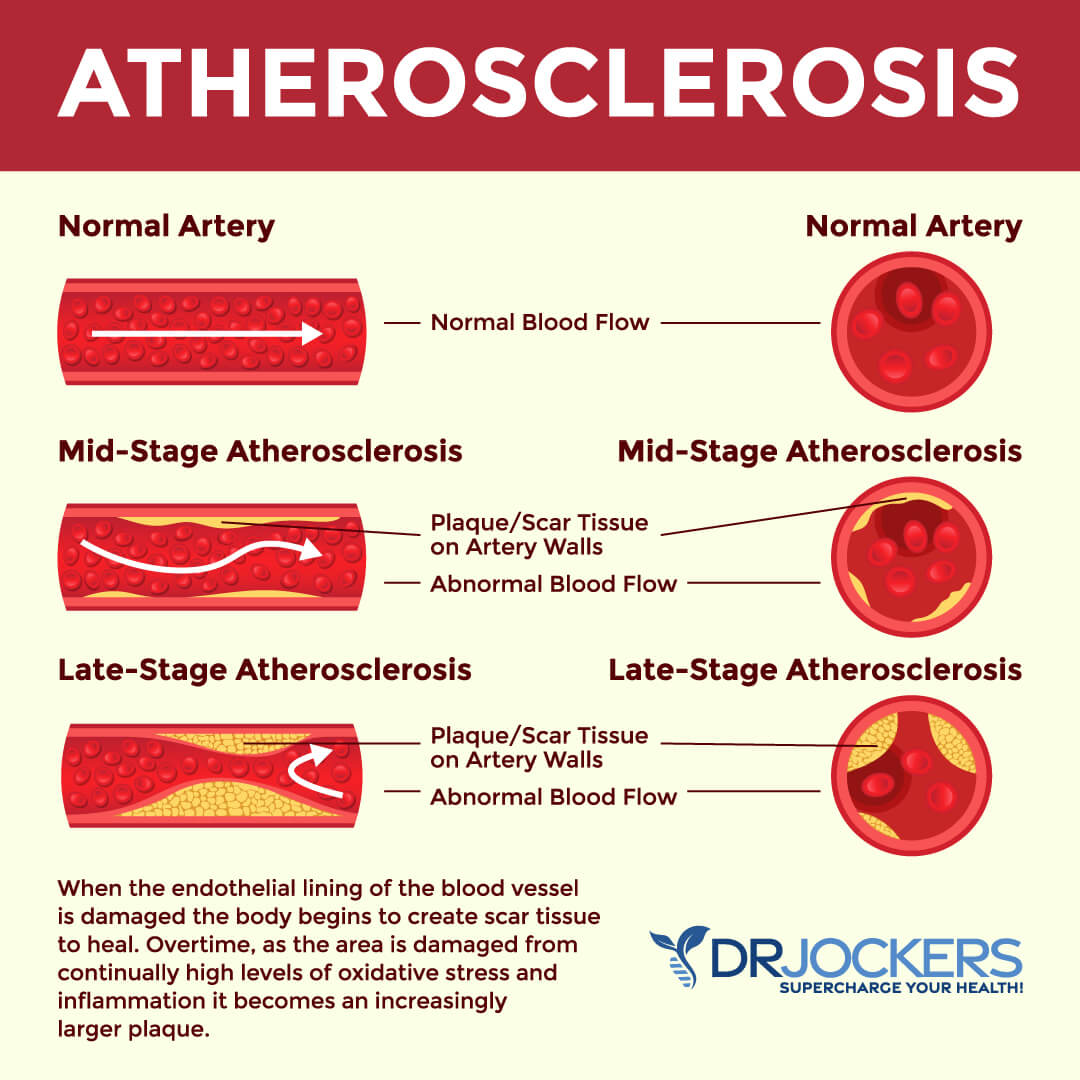
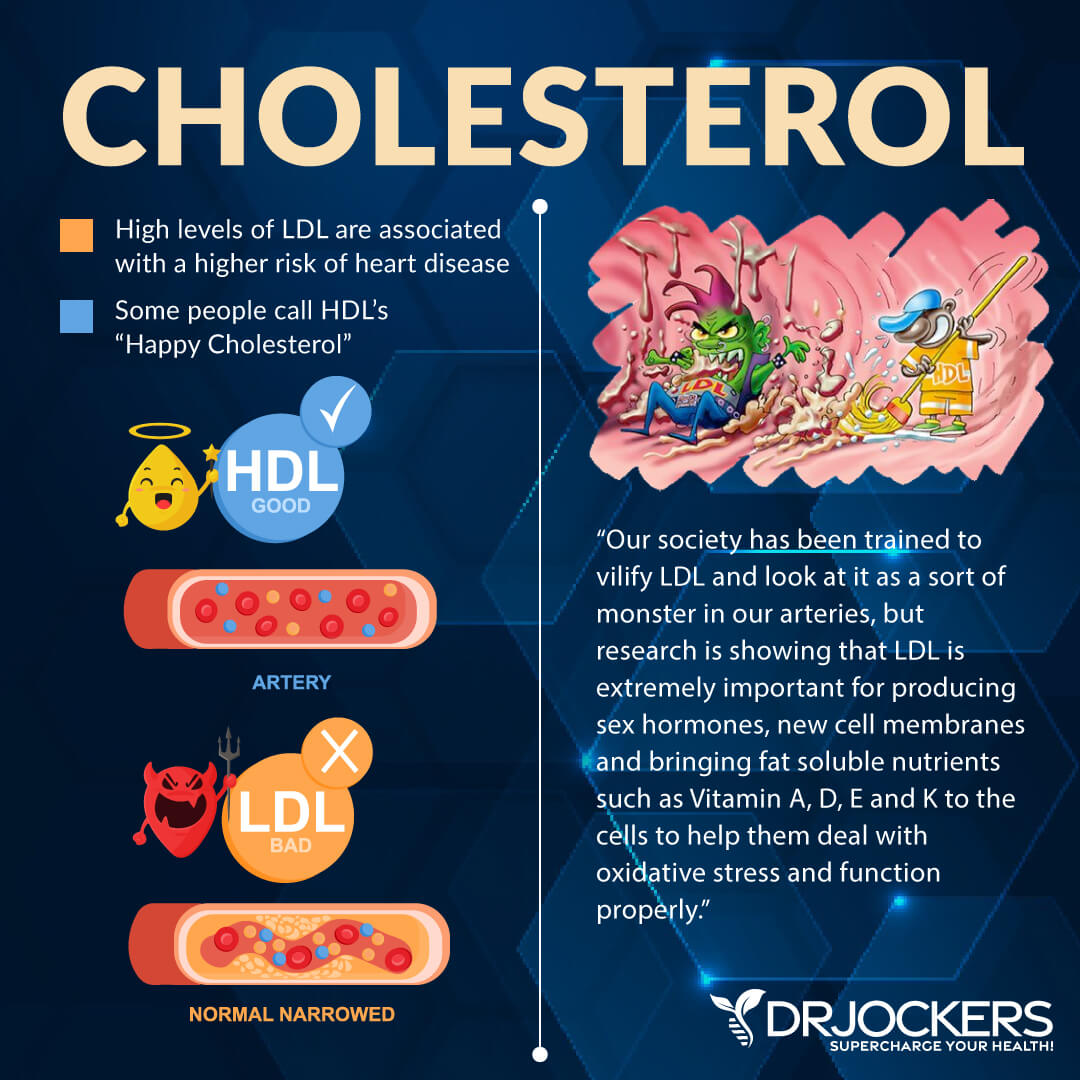
The traditional view of cholesterol as the primary antagonist in heart disease is largely a misconception. Our biology is not akin to household plumbing. Arteries are living, dynamic tissues: flexible, reactive, and intelligent. Cholesterol, in its fundamental role, is not randomly adhering to these vital pathways.
Damage to the blood vessels, often induced by chronic inflammation, is the foundational issue. This inflammation creates microscopic injuries to the arterial wall. It is then that cholesterol is dispatched, not as an aggressor, but as a critical repair agent, attempting to heal the damage and prevent further injury by forming scar tissue—what we recognize as plaque.
The Root Cause of Arterial Inflammation:
Blaming cholesterol for heart disease is like blaming firefighters for the fire. You say, ‘Every time there’s a fire in my neighborhood, I see firefighters at the scene of the crime. They must be the cause.’ That would be kind of a stupid thought. It’s the same thing with cholesterol.
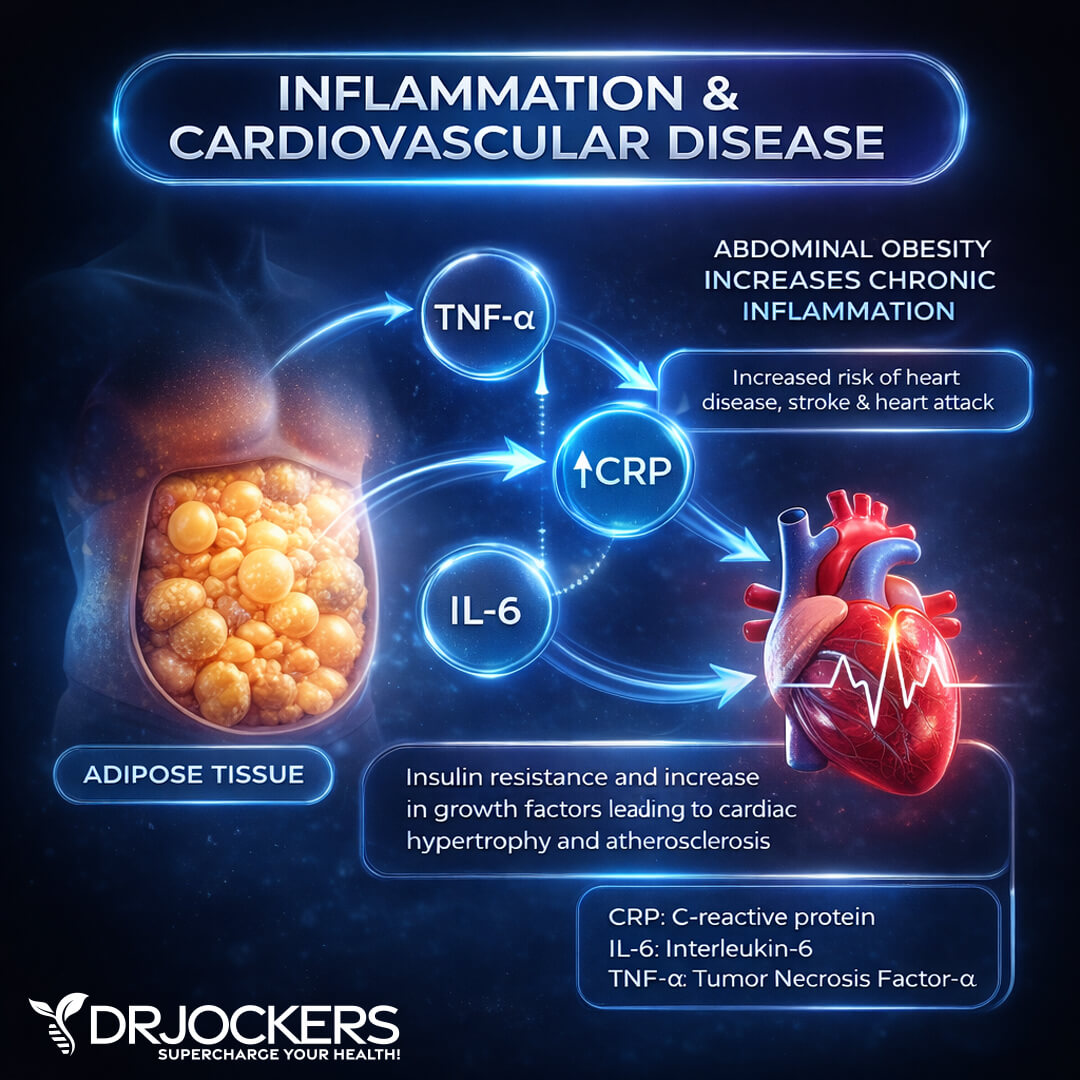
This understanding shifts the focus dramatically from blindly lowering cholesterol to proactively managing and eliminating the sources of inflammation. What drives this detrimental inflammatory response?
Factors include oxidized LDL particles, insulin spikes (a leading cause of arterial damage), chronic stress hormones, inflammatory foods, gut-derived endotoxins like lipopolysaccharides (LPS), and environmental toxins such as mold, herbicides, and pesticides. These elements collectively drive inflammation, damaging the delicate arterial lining.
It’s this often-unseen inflammation that allows individuals with “normal” cholesterol levels to still experience cardiac events. Standard medical testing often overlooks crucial inflammatory markers like C-reactive protein, LDL particle sizes, fasting insulin, or direct measures of endothelial function – the very indicators of arterial health.
Introducing the Arterial Repair Meal: A Biological Reset
This meticulously crafted meal is not a fleeting dietary trend, but a biology-aligned nutritional strategy designed to quell inflammation and restore optimal endothelial function. It’s an internal reset for your cardiovascular system, shown in human studies to reduce arterial inflammation, improve blood flow and circulation within days, lower blood pressure, and prevent plaque formation.
Each component of this meal works synergistically, addressing various mechanisms of arterial health. These foods help to reduce inflammation, improve nitric oxide levels and heal the arterial lining.
Component 1: The Nitric Oxide Powerhouse Salad
The foundation of this meal begins with an arugula salad, complemented by cucumbers and tomatoes. This combination is a powerful nitric oxide booster.
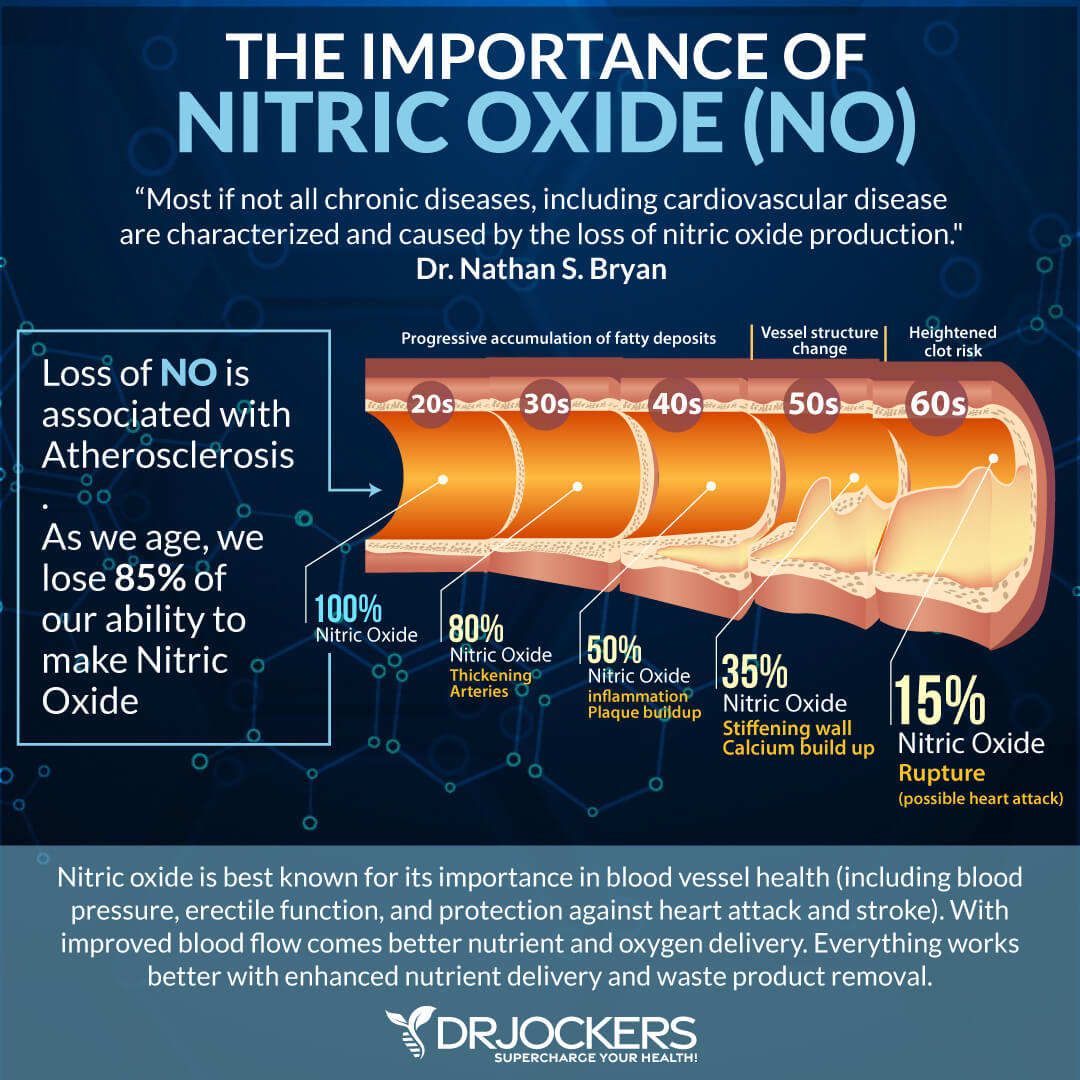
- Arugula: Rich in dietary nitrates, arugula is converted into nitric oxide by beneficial oral bacteria. Nitric oxide acts as a natural vasodilator, relaxing arterial smooth muscle, improving blood flow, and reducing arterial stiffness. Think of it as “WD40 for your blood vessels.” Regular use of antiseptic mouthwash can inhibit this crucial conversion by killing beneficial oral bacteria, so it’s best avoided.
- Cucumbers: These are packed with silica, essential for collagen synthesis, arterial wall strength, and connective tissue integrity. Silica helps prevent atherosclerotic plaque formation, preserves elastic fibers, and can significantly reduce blood pressure in hypertensive individuals. Animal studies remarkably show an 88% reduction in atherosclerosis in rabbits given silica alongside an atherogenic diet.
- Tomatoes: A potent source of lycopene, a cardiovascular antioxidant. Lycopene prevents LDL oxidation, reduces arterial inflammation, improves endothelial function, and protects against atherosclerosis. Importantly, cholesterol becomes dangerous primarily when it’s oxidized, and lycopene neutralizes the free radicals responsible for this process. Lycopene is fat-soluble, making its absorption dramatically enhanced when paired with healthy fats like extra virgin olive oil.
Component 2: Wild-Caught Salmon for Omega-3s
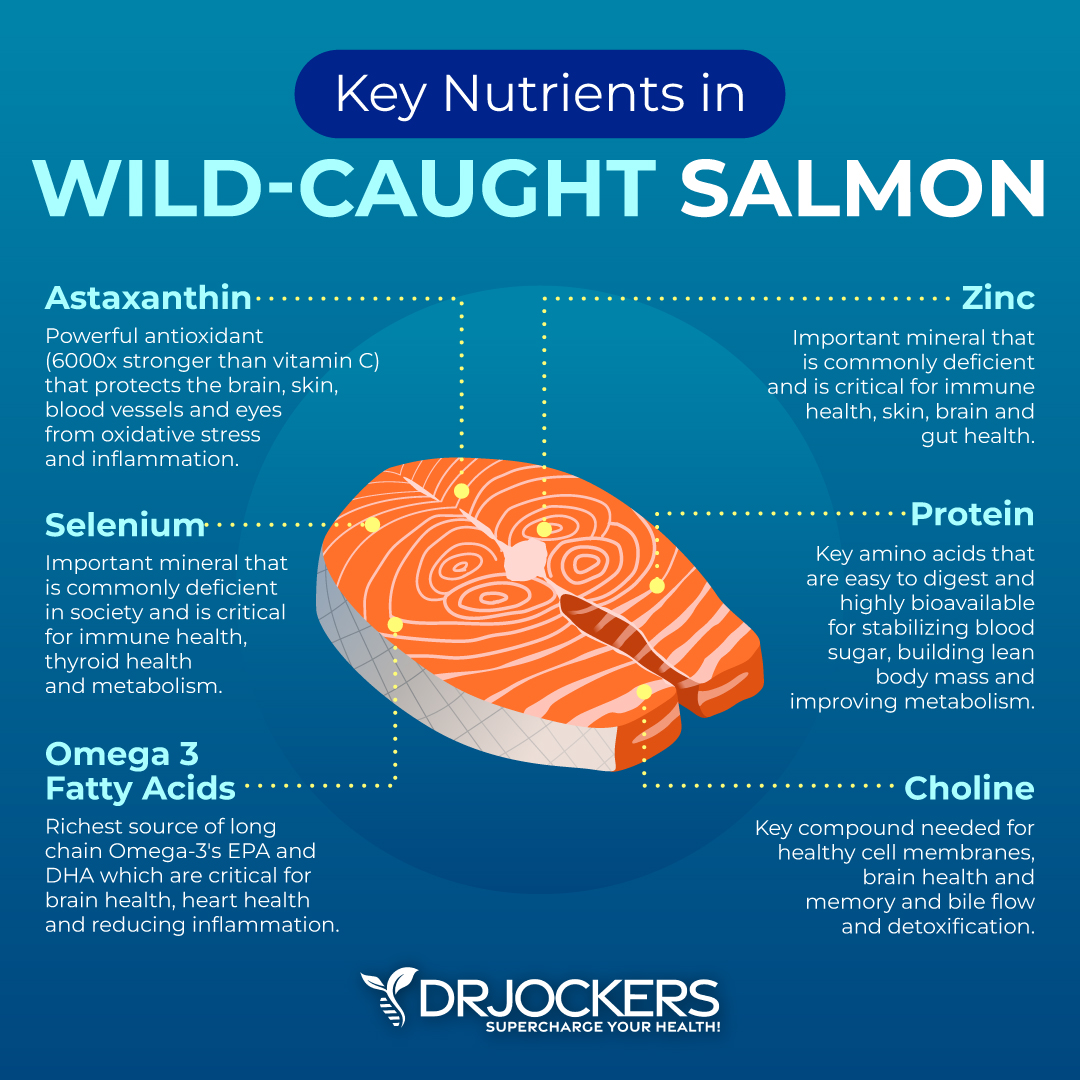
As the primary protein source, wild-caught salmon delivers a robust dose of omega-3 fatty acids. These critical fats exhibit potent anti-inflammatory properties and play a key role in stabilizing plaque, preventing rupture.
“Heart attacks don’t just come from big plaque. They come from small, inflamed, unstable plaque that ruptures.”
Omega-3s reduce inflammatory cytokines, lower triglycerides, and directly integrate into arterial cell membranes, shifting the body from an inflammatory “attack mode” to a healing “repair mode.” Crucially, choose wild-caught salmon over farm-raised, as farmed varieties often have an unfavorable omega-3 to omega-6 ratio, potentially promoting inflammation.
Component 3: High-Polyphenol Extra Virgin Olive Oil
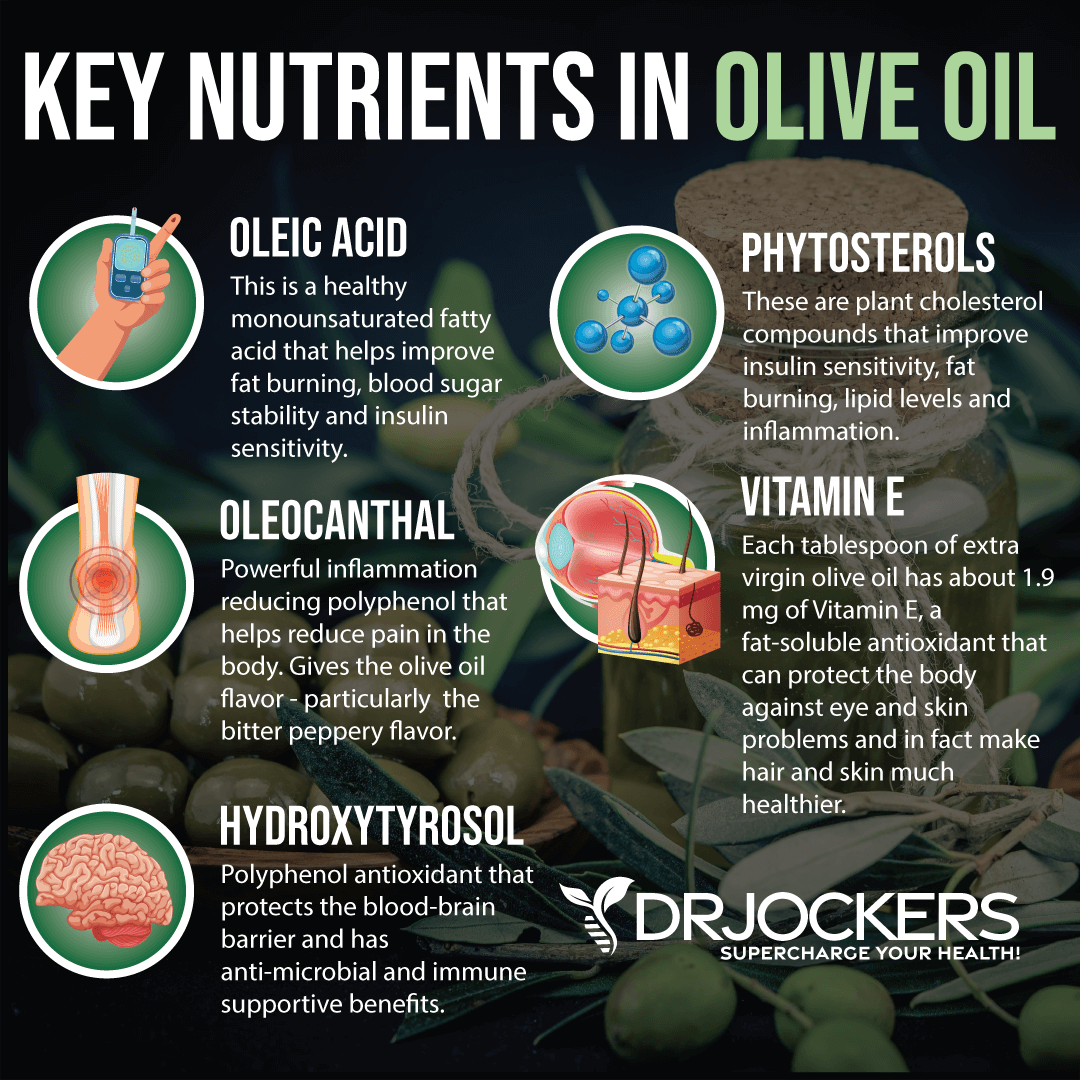
Olive oil, particularly high-polyphenol, high-quality extra virgin olive oil, is a cornerstone of heart-protective nutrition. It neutralizes oxidized LDL, enhances arterial sensitivity and elasticity, and significantly diminishes inflammatory signaling.
Human trials have demonstrated improvements in arterial flexibility by 25% within weeks, not months. The polyphenols in olive oil prevent LDL oxidation and reduce inflammatory gene expression, directly confronting the root cause of plaque formation.
When selecting olive oil, prioritize cold-pressed, 100% extra virgin varieties stored in dark glass bottles to protect its delicate polyphenols. A polyphenol count over 300 is ideal, and a slight burn or fuzziness in the throat indicates high quality.
My Favorite Olive Oil
My favorite olive oil is this Fresh-Pressed Olive Oil. It is the most flavorful artisan olive oil you can find out there. It comes from award-winning artisan farms with a harvest-fresh taste to your table.
These oils are independently lab-certified to be 100 percent extra virgin olive oil — so you can trust the quality. My family swears by it. We use it daily on our salads and meals. Our kids love it. I am sure your family will too.
I am excited to share a special offer with you. You can get this $39.00 bottle of Fresh-Pressed Olive Oil for only $1.00 to help with shipping if you click on the link here
Component 4: Fresh Lemon & Mediterranean Herbs
These additions are far from mere flavor enhancers; they are arterial clearing powerhouses.
- Lemon: Provides vitamin C to stabilize nitric oxide, bioflavonoids for endothelial support, and potassium to regulate blood pressure. Vitamin C is vital for arterial collagen production and circulation.
- Mediterranean Herbs (Basil, Thyme, Sage, Oregano, Rosemary): Rich in compounds like rosmarinic acid, thymol, carnosol, and eugenol. These herbs suppress inflammatory pathways (mTOR), activate cellular cleanup processes (autophagy and AMPK), reduce oxidative stress, and act as natural vasodilators and anti-inflammatory agents. Liberal use, fresh or dried, enhances both flavor and therapeutic benefit.
Optional Component: Grass-Fed Cheese
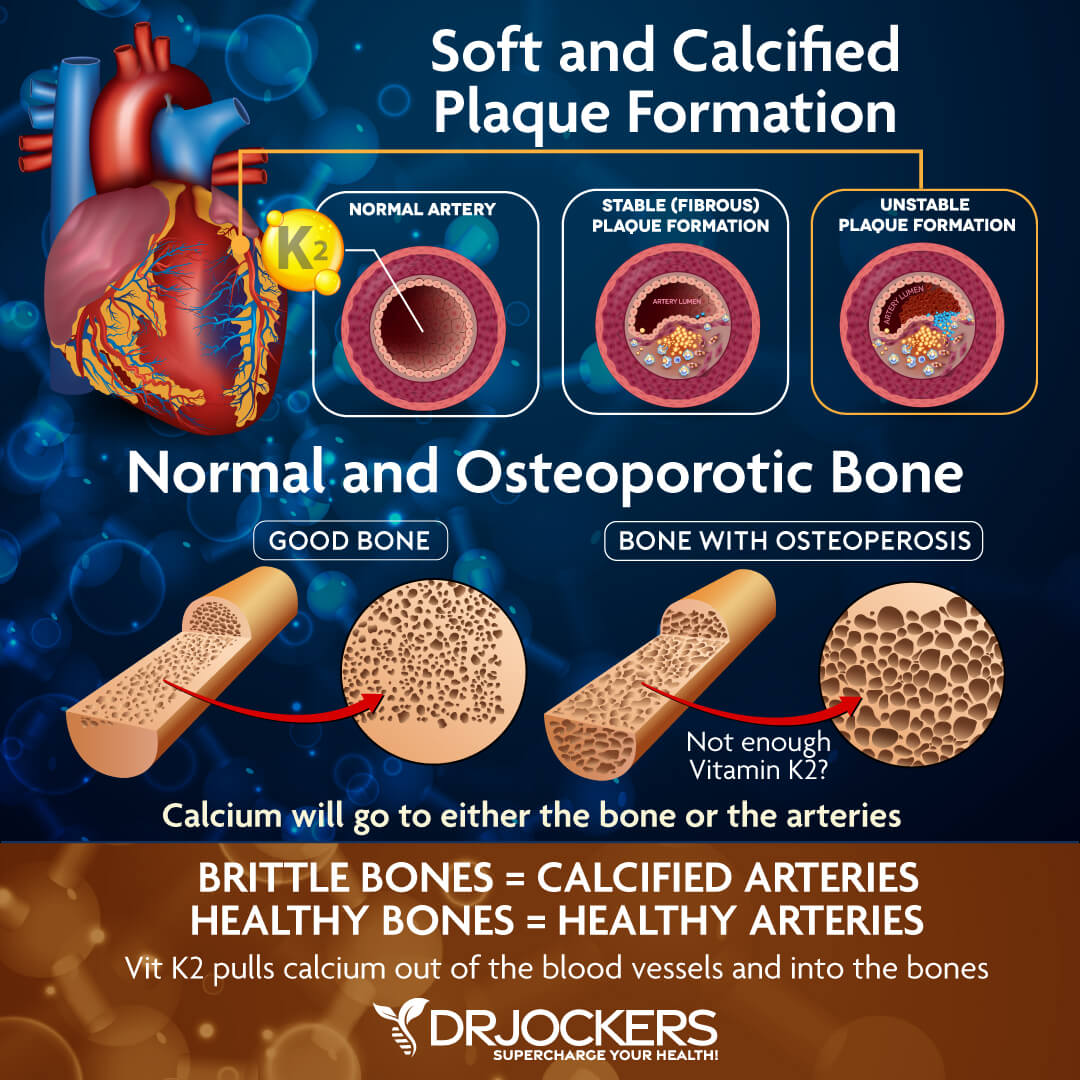
For those who tolerate dairy, a small amount of grass-fed cheese provides additional protein, healthy fats, and crucially, vitamin K2 (MK-4 form).
Vitamin K2 is vital for directing calcium out of arterial walls and into bones, effectively reversing the “calcium paradox” where osteoporosis and atherosclerosis often coexist. High K2 intake is linked to reduced coronary calcification and improved arterial flexibility.
The Dessert: A Gut-Artery Healing Parfait
The meal culminates with a dessert designed to heal the gut-artery connection and provide further structural support.
- Organic Unsweetened Yogurt: Offers highly bioavailable protein, probiotics, and short-chain fatty acids like butyric acid. The gut and arteries are directly linked; a healthy gut barrier, supported by fermented foods like yogurt, reduces systemic inflammation and improves vascular health.
- Stevia-Sweetened Collagen Peptides: Collagen is the structural protein of arteries, comprising 60% of arterial walls. Collagen supplementation provides the amino acids (glycine, proline, hydroxyproline) needed to rebuild arterial structure, improve flexibility, lower blood pressure, and support endothelial function. Hydrolyzed collagen peptides are easily absorbed.
- Pomegranate Seeds: Pomegranate contains unique antioxidants like punicalagins and anthocyanins that reduce cholesterol accumulation, prevent foam cell formation (early atherosclerosis), improve endothelial function, and lower blood pressure. It’s known as the “heart-healthy fruit” for good reason.
- Mixed Berries: (blueberries, raspberries, blackberries) synergize with their high content of anthocyanins, resveratrol, quercetin, and other polyphenols, which neutralize free radicals, reduce inflammation, and support nitric oxide production.

The Synergy of Cellular Repair for Arterial Health
This is not a collection of isolated ingredients but a symphony of bioactive compounds working in concert. The arugula, cucumbers, and tomatoes initiate arterial opening and strengthen walls. Salmon calms inflammation. Olive oil prevents oxidation and enhances elasticity.
Lemon and herbs stabilize nitric oxide and provide anti-inflammatory action. Grass-fed cheese (if included) regulates calcium. And the yogurt parfait heals the gut, rebuilds arterial structure, and provides potent antioxidant defense.
“You’re not unclogging pipes. You’re reprogramming your arterial biology… This is precision nutrition for cardiovascular health.”
Action Plan: Your 7-Day Arterial Reset Protocol
- Eat the Arterial Repair Meal: Consume this meal at least three times per week. Ideal times are as your first meal of the day or immediately after exercise.
- Pre-Meal Ritual: 15 minutes before the meal, drink 8 ounces of high-quality spring water mixed with 1 tablespoon of apple cider vinegar and fresh lemon juice to prime insulin sensitivity.
- Post-Meal Activity: After eating, take a 15-minute walk to help manage post-meal glucose and insulin spikes, further protecting arterial lining.
- Track Your Progress: Monitor key inflammatory and cardiovascular markers:
- High Sensitivity C-Reactive Protein (hs-CRP): Aim for <1.
- Triglyceride to HDL Ratio: Triglycerides <100, HDL >50, ratio <2 (ideally ~1:1).
- Fasting Insulin: Target 2-6.
- Homocysteine: Aim for <8.
- Coronary Calcium Score (if over 40): Measures arterial calcification.
Expected Results:
- Week 1: Improved circulation, warmer extremities, increased energy, fewer pressure headaches, better sleep.
- Weeks 2-4: Noticeable reduction in blood pressure (5-10 mmHg), decreased inflammatory markers, enhanced endothelial function, better exercise tolerance.
- Months 2-3: Measurable improvements in arterial flexibility, lower fasting insulin, better LDL particle size, reduced arterial stiffness.
- Months 3-6: Significant reductions in inflammatory markers, improved cardiovascular biomarkers, and enhanced overall metabolic health.
This isn’t a quick fix but a process of cellular repair. Your body is designed to heal; it simply requires the right signals. The Arterial Repair Meal provides that blueprint for safety, repair, and resilience.
Addressing Common Concerns
- “My cholesterol is normal; this doesn’t apply to me.” Most heart attacks occur in individuals with normal to low cholesterol levels. This protocol addresses the root cause of arterial damage—inflammation—which is relevant to everyone seeking optimal cardiovascular health.
- “Wouldn’t doctors recommend this if it really worked?” Medical training traditionally focuses on disease management through pharmacology and procedures, not necessarily on nutritional reversal of biological processes. Many doctors receive minimal nutrition education, often based on outdated guidance.
- “Olive oil is fat; doesn’t fat clog arteries?” Quality fats, particularly high-polyphenol olive oil, do not clog arteries. Only oxidized fats and inflammation cause harm. Olive oil actively reduces LDL oxidation and improves arterial flexibility.
- “I’m on statins; why would I need this?” Statins lower cholesterol numbers but do not resolve endothelial damage, insulin resistance, or oxidative stress. This meal directly addresses these underlying issues. (Always consult your doctor before making changes to medication.)
- “This sounds too simple to be true.” Biological solutions can often be elegantly simple. By removing interference and providing the body with the right signals, natural healing processes are unleashed.
Testing for Arterial Inflammation
Measuring your waist to hip and waist to height ratio is not enough. Increased visceral fat holds an array of health risks, including chronic inflammation, insulin resistance, diabetes, cardiovascular issues, and other health problems. I will go over these health risks in the next section.
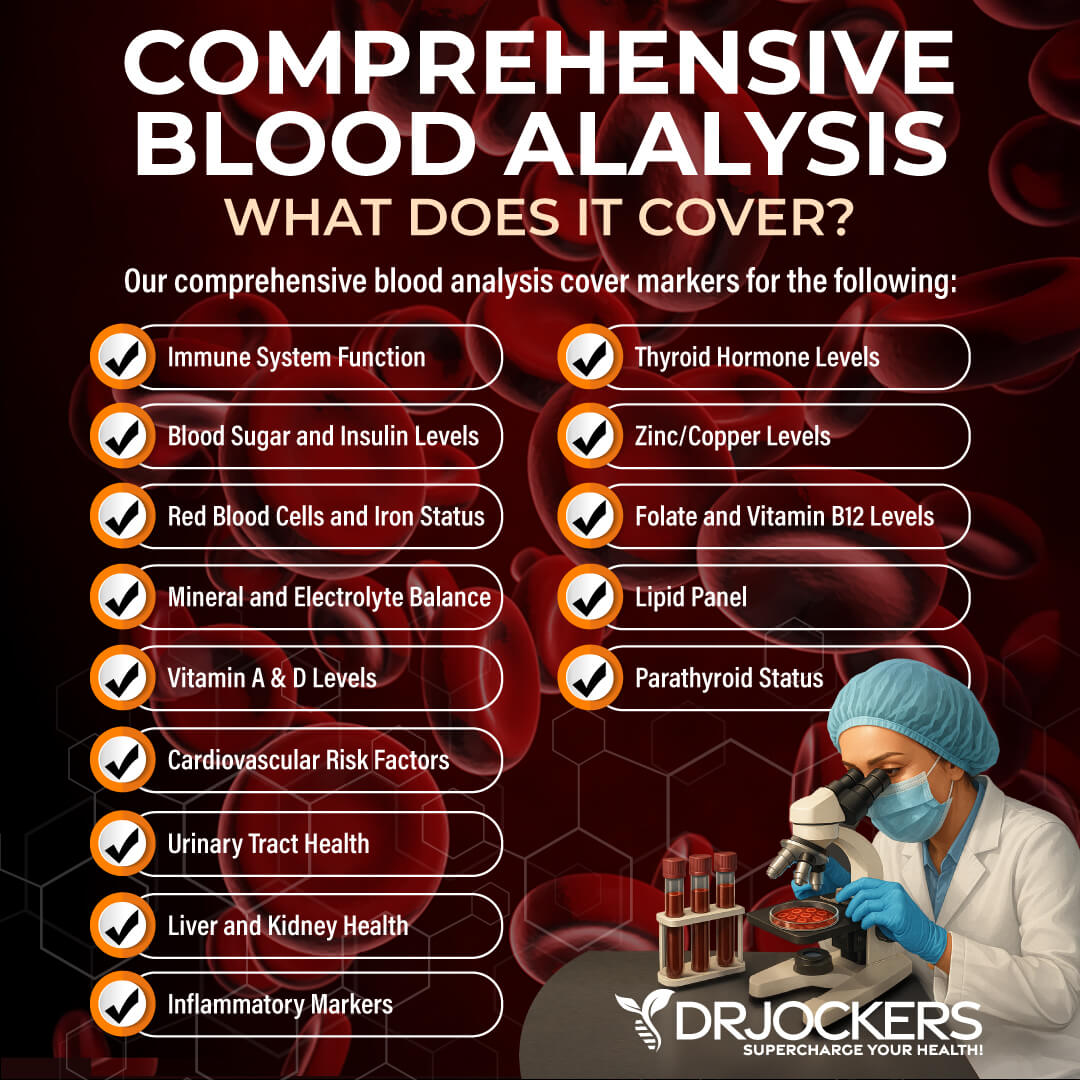
Checking certain labs for inflammation, blood sugar, and lipids is important to determine your risks, especially if your ratios for visceral fat are high. I recommend getting a Comprehensive Blood Analysis, which is a great blood test that allows us to look at all these factors of your health. These are the specific tests I recommend:
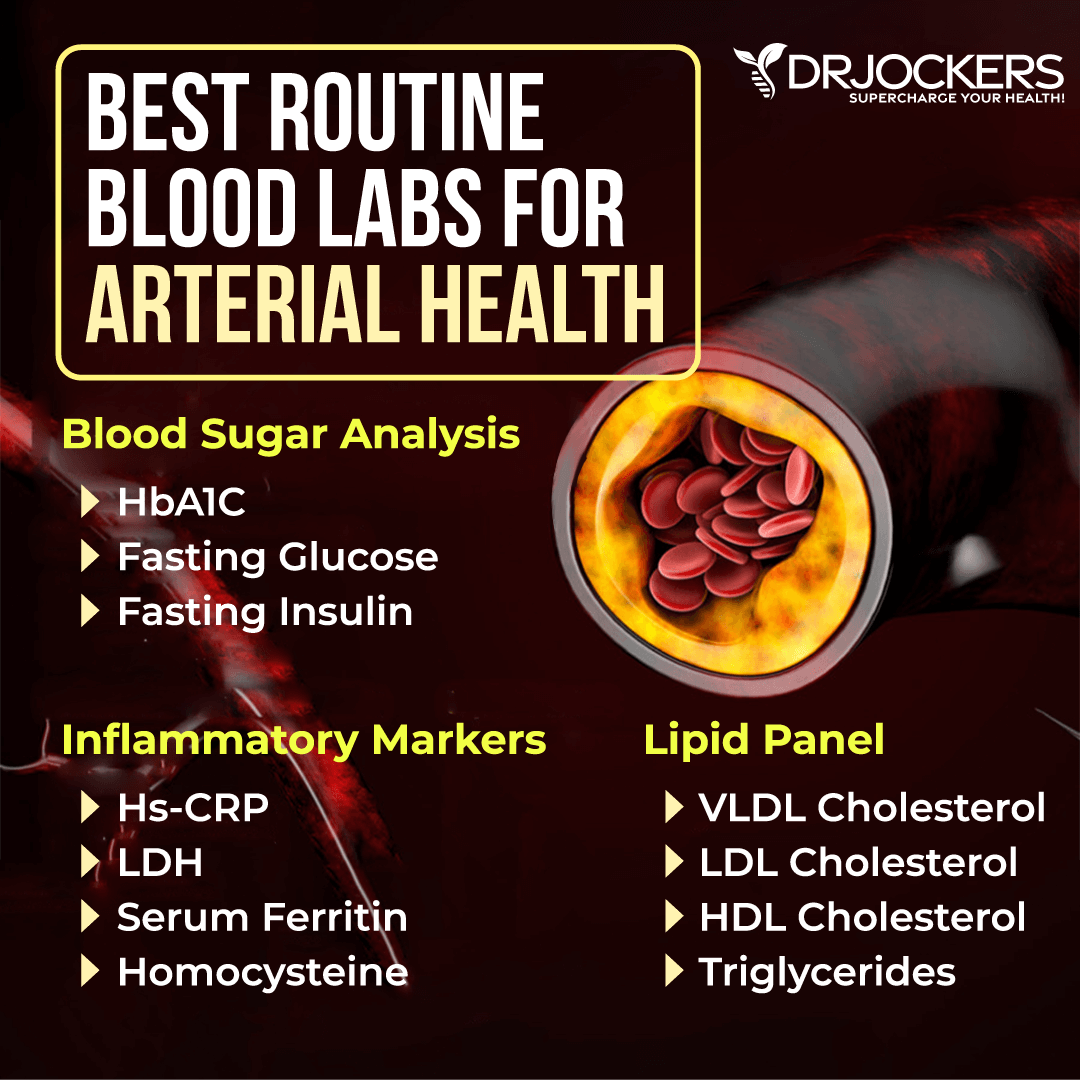
Blood Sugar
I recommend looking at your blood sugar levels:
- HbA1C: The ideal number is between 4 and 5.6 percent. Between 5.7 and 6.4 means that you have a high risk of developing diabetes, and over 6.4 means that you have diabetes.
- Fasting Glucose: Less than 100 mg/dL (5.6 mmol/L) is normal. 100 to 125 mg/dL (5.6 to 6.9 mmol/L) is considered prediabetes. 126 mg/dL (7 mmol/L) or higher on two separate tests means you have diabetes.
- Fasting Insulin: Normal fasting insulin levels are between 75–95 mg/dL (4.2–5.3 mmol/L). Over 95 mg/dL (5.3 mmol/L) shows insulin resistance and over 110 mg/dL (>6.1 mmol/L) shows severe insulin resistance.
Inflammatory Markers
I recommend looking at your inflammatory markers:
- HsCRP: The ideal number is under 1.
- LDH (lactose dehydrogenase): The optimal range is 140 to 180. High levels indicate chronic inflammation.
- Serum ferritin: The ideal range is under 150. High levels indicate inflammation.
- Homocysteine: The optimal range is 6 to 9.
Lipid Panel
I recommend a lipid panel test looking at the following areas:
- VLDL cholesterol: The ideal range is 5 to 30 mg/dl.
- HDL cholesterol: The idea range is 55 to 80. Levels above 100 can indicate chronic inflammation or active infection in the body.
- Triglycerides: The ideal range is 40 to 80.
Having a balanced ratio of LDL to HDL and triglycerides to HDL is essential for your health. Ideally, we are looking for an LDL: HDL Ratio: 3:1 or less, 2:1 being optimal. For triglycerides, we are looking for an HDL Ratio: 2:1 or less, 1:1 being optimal.
Higher triglyceride and lower HDL levels are typically an indication of insulin resistance and high fasting insulin level. You can read this article for more info on blood markers for inflammation.
Conclusion
The journey to robust arterial health begins with understanding its true adversaries and empowering your body with the tools it needs to heal. The Arterial Repair Meal is more than just food; it’s a profound statement to your physiology, signaling repair and resilience. It’s a strategic, science-backed approach to proactively manage and reverse arterial damage, paving the way for a healthier, more vibrant life.
Your body is designed to heal. Give it the right materials. The arterial repair meal is your blueprint. Now go make it happen.
Ready to dive deeper and see the meal prepared? Watch the full video, “This ONE MEAL Heals Your Arteries Fast,” to visualize this powerful approach and hear more expert insights. Subscribe for more transformative health content and start your journey towards profound cardiovascular repair today!
Work With a Health Coach To Improve Your Health
If you want to work with a functional health coach, I recommend this article with tips on how to find a great coach.
On our website, we offer long-distance functional health coaching programs. For further support with your health goals, just reach out and our fantastic coaches are here to support your journey.

Inflammation Crushing Ebundle
The Inflammation Crushing Ebundle is designed to help you improve your brain, liver, immune system and discover the healing strategies, foods and recipes to burn fat, reduce inflammation and Thrive in Life!
As a doctor of natural medicine, I have spent the past 20 years studying the best healing strategies and worked with hundreds of coaching clients, helping them overcome chronic health conditions and optimize their overall health.
In our Inflammation Crushing Ebundle, I have put together my very best strategies to reduce inflammation and optimize your healing potential. Take a look at what you will get inside these valuable guides below!