

 Green Pharmacy: Medication Swaps for Natural Healing
Most people will take medication throughout their lives for various health issues. Many of these people will end up using several long-term medications to manage various chronic health conditions.
Unfortunately, prescription medications rarely address the root cause of your health issues. More often than not, people end up with side effects and further health issues, instead of feeling better. Choosing natural options may be better for your health.
In this article, I will discuss the potential problems with taking prescription medications and share some natural swaps for popular medications to support your health naturally.

Problems with Medication
Prescription medications are necessary and can save lives in some cases. There is no denying that. Unfortunately, medications are widely overused and overprescribed.
In my professional experience and opinion, in the majority of cases, dietary changes, lifestyle strategies, and natural supplements could address the root cause and improve the health concern without the use of medication.
In other situations, a short-term use of medication may be warranted to offer life-saving benefits or aid recovery, but long-term natural strategies could be implemented to create lasting change.
Does Prescription Medication Address the Root Cause?
Prescription medications rarely address the root cause of the problem. Modern medicine focuses on your symptoms instead of improving overall health. In functional medicine, we look at the root cause of your health issues and aim to correct them through natural strategies, offering lasting change.
Prescription medications are often not effective for the individual’s problems. Sometimes there are short-term results, but no lasting effects. Sometimes there is some improvement, but not enough to experience a real difference. Other times, there is no change at all, only side effects.
More Problems with Relying on Prescription Medication
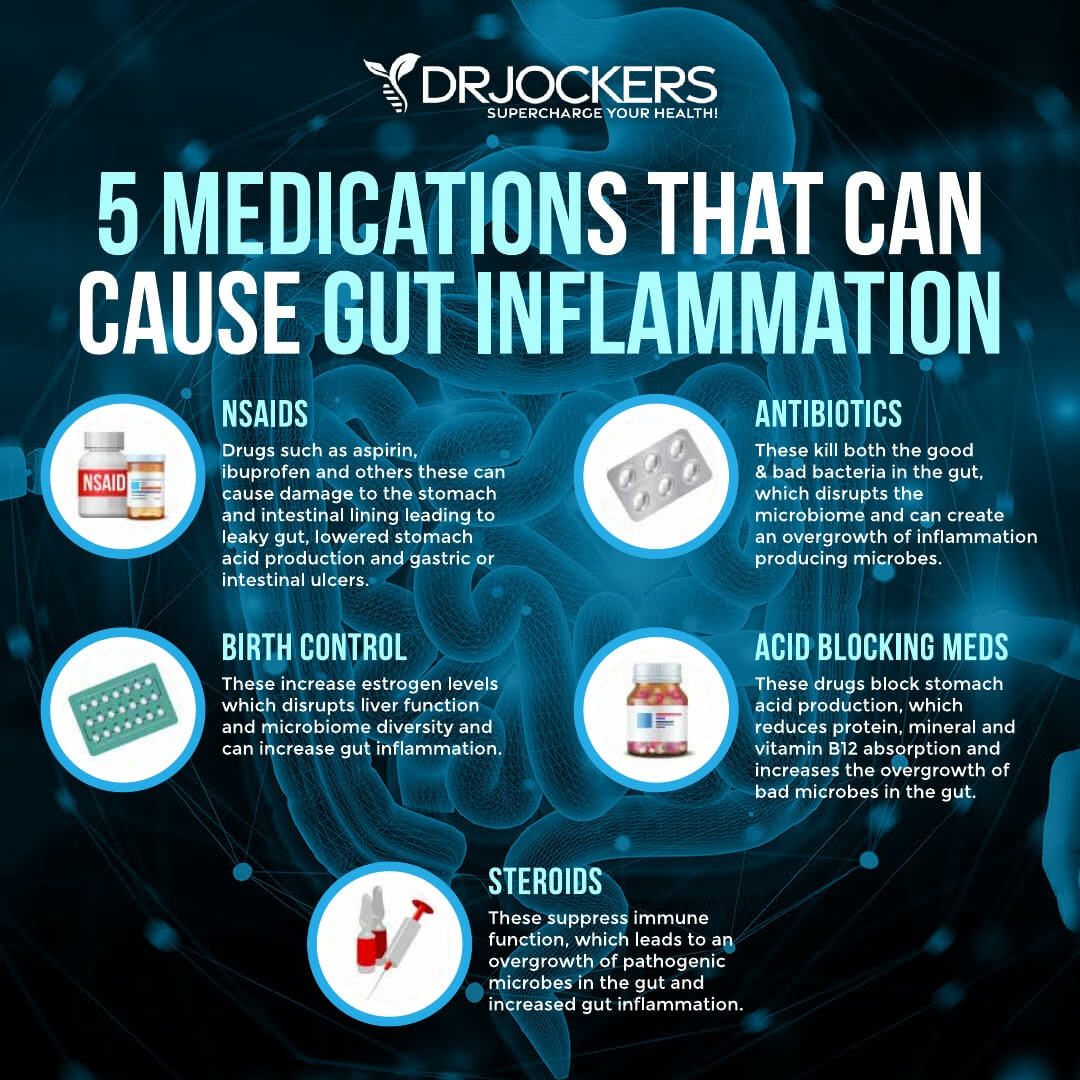
Prescription medications are often used for too long. Many medications can be effective and offer benefits when used for the short term; however, when used for months or, in many cases, for years, they don’t offer benefits anymore. Rather, they may worsen the problems they were initially prescribed to treat.
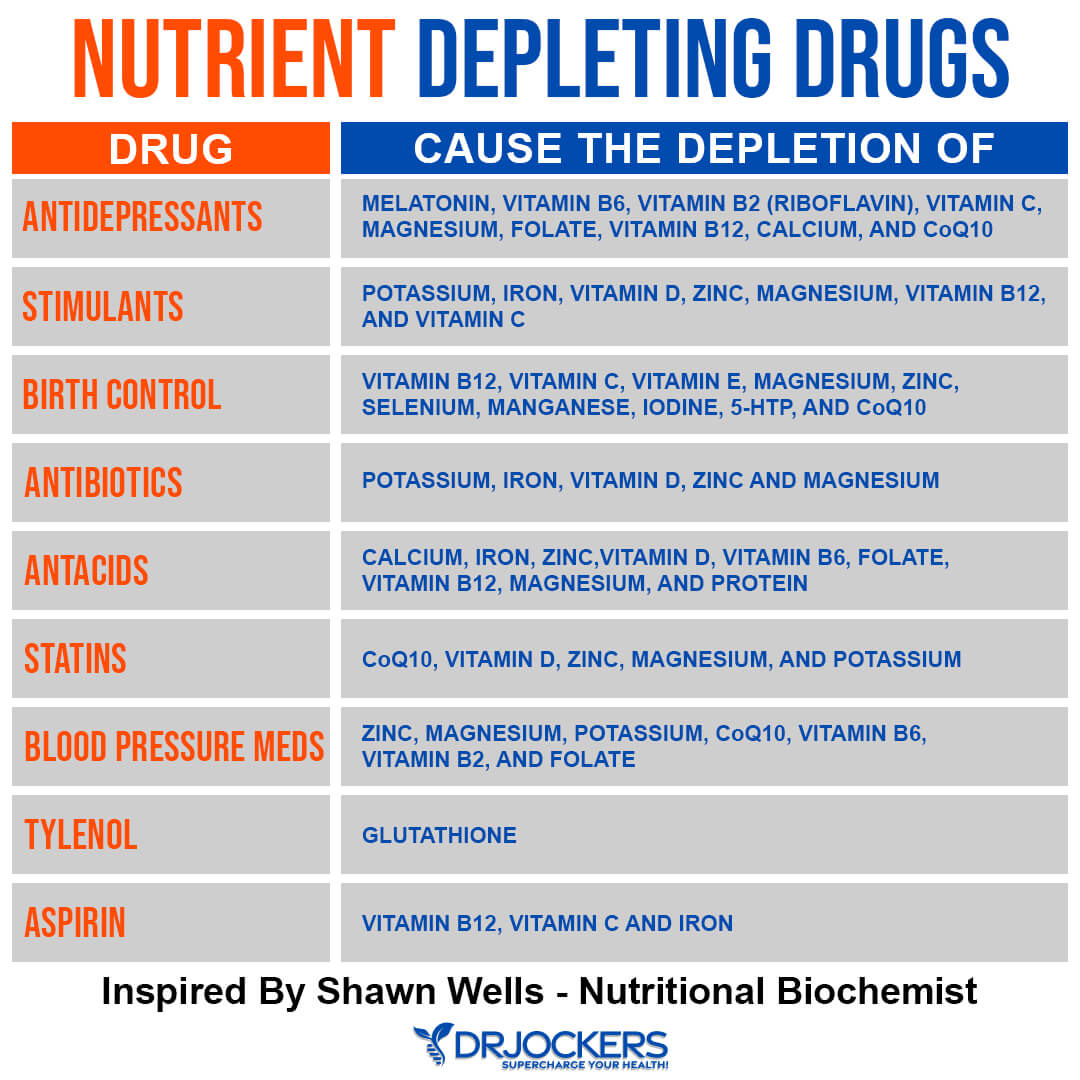
One reason for this, is that most pharmaceutical drugs deplete key nutrients that are needed for good health. You can review the chart above that was inspired by the Nutritional Biochemist Shawn Wells.
Finally, prescription medications are often combined with other medications. Yet, they are studied alone with benefits. This means that we are not always sure how they interact with other medications and how these interactions can be a problem for the individual.
Moreover, when medications cause side effects or don’t offer enough of a change, other medications are prescribed. This quickly results in a pile of medications without understanding how they may interact with one another and without offering an impact on the root cause or a lasting change in your health issue.
Natural Swaps for Popular Medications
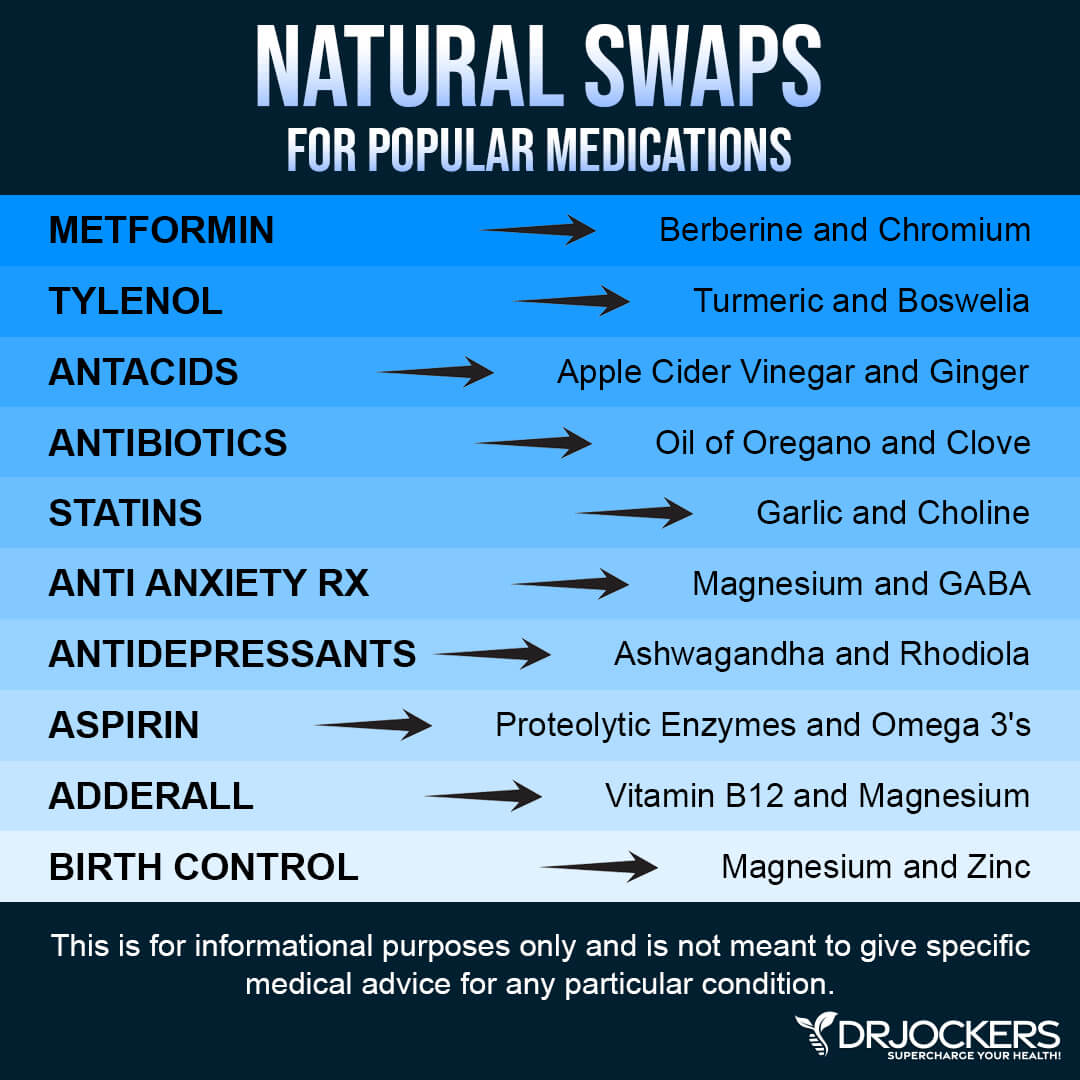
Let’s look at some natural swaps for popular medications.
Diabetes Medications
According to 2021 statistics, 11.6 percent of the US population has diabetes (1). Diagnosed diabetes costs the United States $412.9 billion, including direct costs ($306.6 billion) and indirect costs ($106.3 billion) (1).
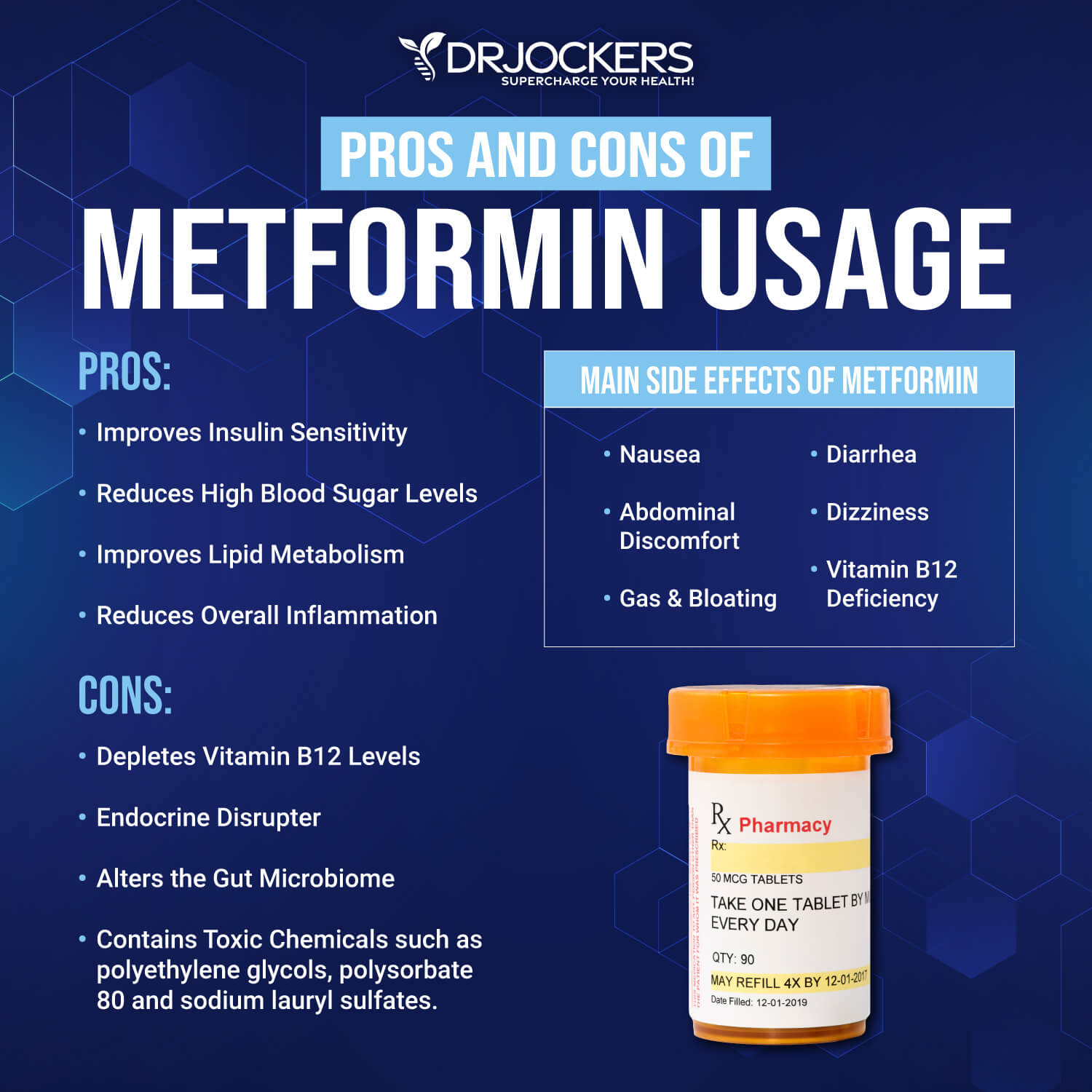
Diabetes medications, including metformin, may also be used off-label in those without diabetes, including for weight loss, prediabetes, and cardiovascular issues. Berberine and chromium may offer natural swaps for diabetes medications in some cases.
A 2021 systematic review and meta-analysis published in Frontiers in Pharmacology has analyzed 37 studies involving 3,048 patients and has found that berberine offered blood sugar-lowering benefits linked to baseline mean FPG and HbA1c in patients with type 2 diabetes (2).
A 2020 review of 84 articles published in the Journal of Diabetes and Metabolic Disorders has found that chromium is an important micronutrient involved in insulin metabolism, as, according to some trials, type 2 diabetes mellitus patients tend to experience chromium deficiency (3).
Dosage:
- Berberine: 900 – 2,000mg a day, divided into 3 to 4 doses (4)
- Chromium: 35 mcg for adults and children age 4 and older (5)
Tylenol
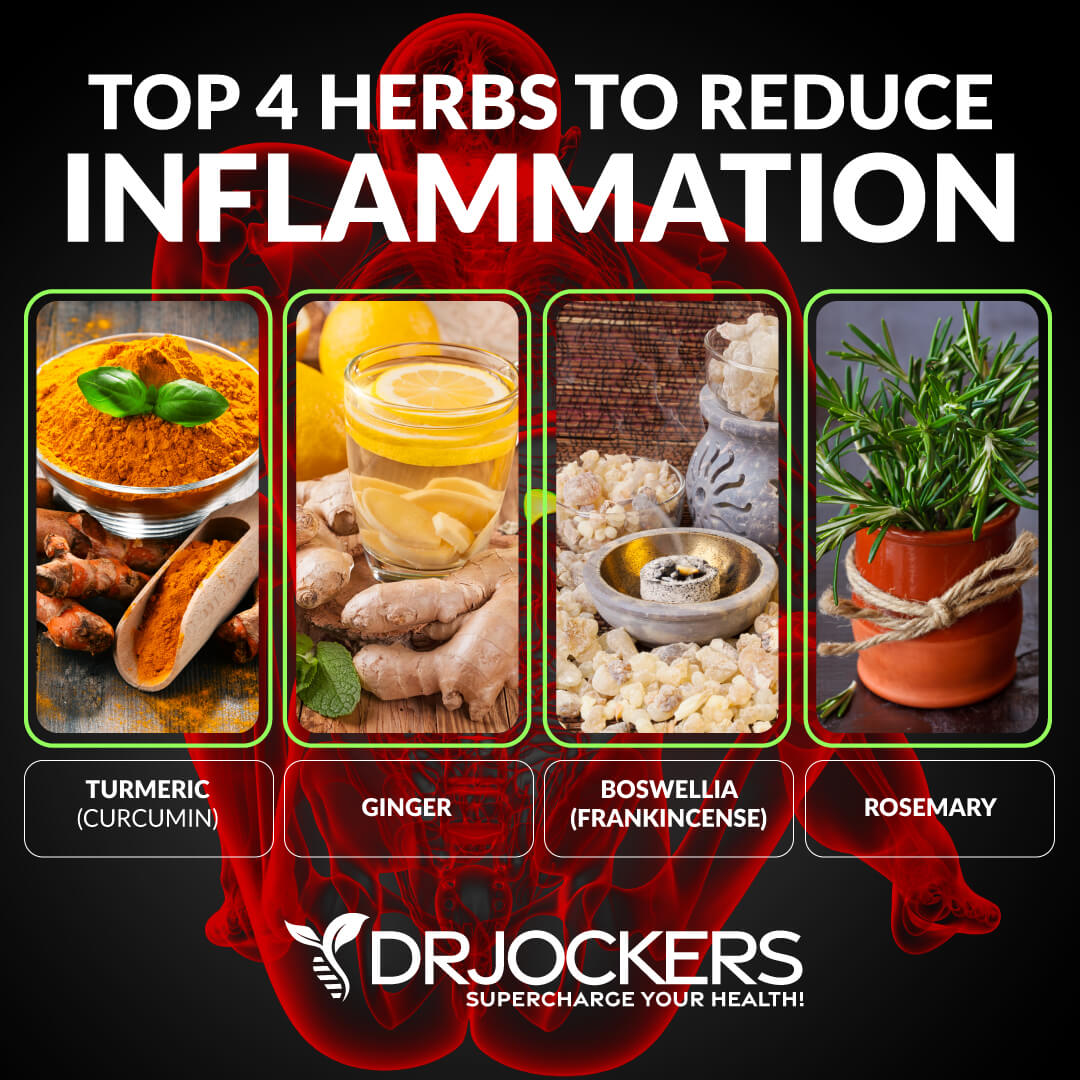
Acetaminophen is the primary active ingredient in Tylenol. Acetaminophen is commonly used for fever and pain relief at various doses. They can be found over-the-counter, as well as, prescription format. Some potential natural swaps for acetaminophen may include turmeric and boswellia.
Turmeric is one of the most well-researched anti-inflammatory herbs. For example, a 2021 review published in BMJ Open Sport & Exercise Medicine examined 10 studies, all of which showed improvements in pain and function related to knee osteoarthritis from baseline with turmeric therapy compared with placebo (6).
A 2020 study on 88 subjects published in Medicine (Baltimore) also found that a high-dissolution turmeric, boswellia, and sesame extract oil liquid supplement provided similar pain relief to acetaminophen for musculoskeletal pain when used for 7 days (7).
Dosage:
Acid Reflux Medications
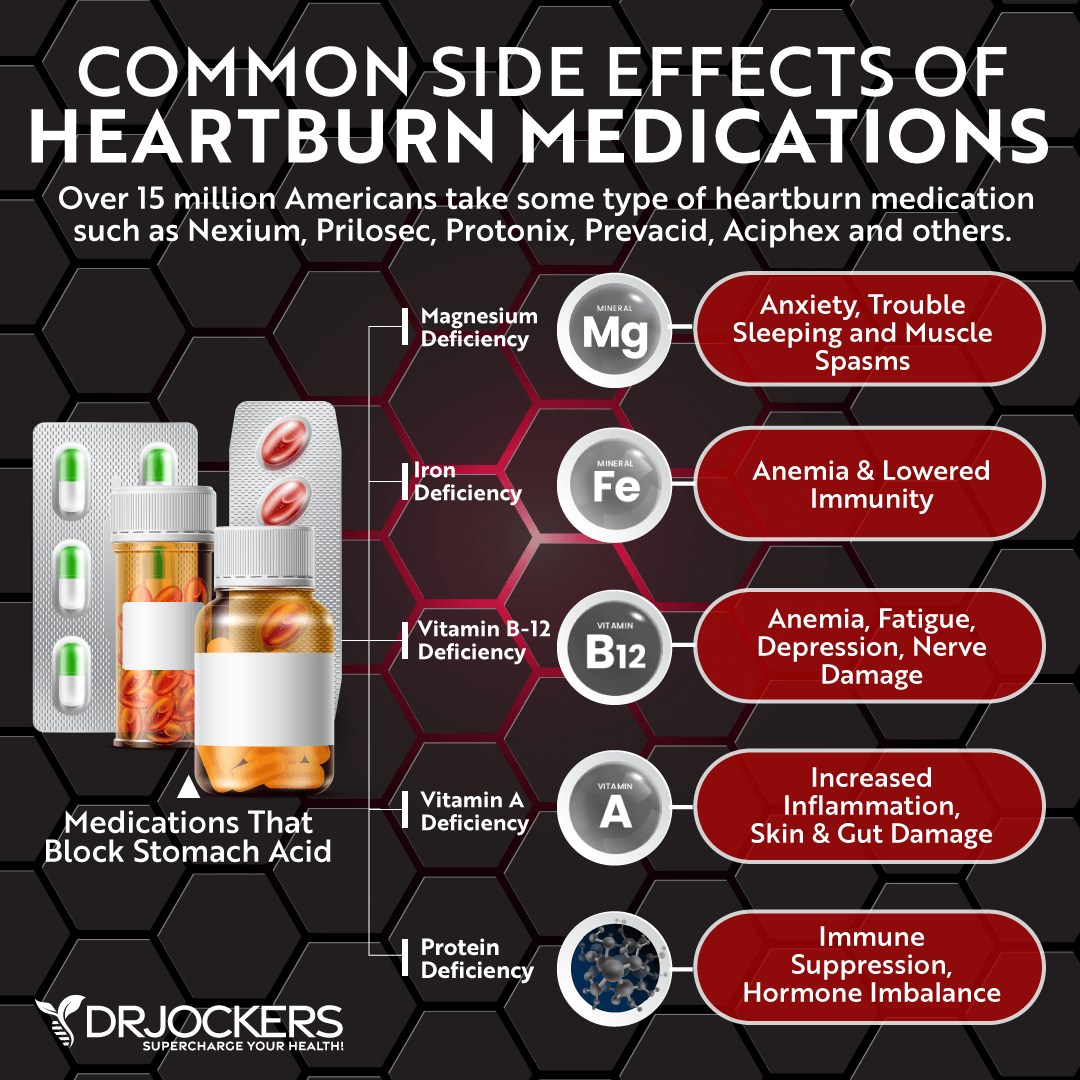
According to Yale Medicine, about 20 percent of Americans have gastroesophageal reflux disease (GERD), a severe form of acid reflux (10). People with GERD and other forms of acid reflux often rely on proton pump inhibitor (PPI) medications, which lower stomach acid production (10).
When used long-term, these medications can increase the risk of nutrient deficiencies, kidney disease, cardiovascular problems, dementia, and infections (10). Using apple cider vinegar or ginger may be a safe, natural option instead.
A 2022 review published in Nutrients has found that apple cider vinegar may help to decrease the postprandial glycemic response by slowing gastric motility, thus improving upper gastrointestinal symptoms (11). A 2023 study on 51 patients published in Cureus has found that 540 mg of ginger per day before lunch and dinner improved postprandial fullness, early satiety, epigastric pain, and heartburn (12).
Dosage:
Antibiotics
Antibiotics are a type of medication that treat various bacterial infections. While antibiotics can be incredibly beneficial and even lifesaving for serious infections, they are also overprescribed and overused for everyday infections, often when not needed.
The problem is that the overuse and misuse of antibiotics can lead to antibiotic resistance and gut imbalances (15). The oil of oregano and clove may be great natural options with antimicrobial benefits.
A 2025 study published in Frontiers in Pharmacology has found that 0.25-1 mg/mL oil of oregano was effective against standard strains of Gram-positive and negative bacteria (16). A 2025 study published in BMC Complementary Medicine and Therapies has found that clove may be effective against various Gram-positive and Gram-negative standard bacteria, including Campylobacter coli, Enterobacter aerogenes, Enterococcus faecalis, Escherichia coli, Klebsiella pneumoniae, Listeria monocytogenes, Pseudomonas aeruginosa, Shigella sonnei, Staphylococcus aureus, and Staphylococcus Methicillin (17).
Dosage:
- Oil of Oregano: 0.25-1 mg/mL (16)
- Clove Oil: 1 to 5% solutions for diffusion or topical application (18)

Cholesterol-Lowering Statins
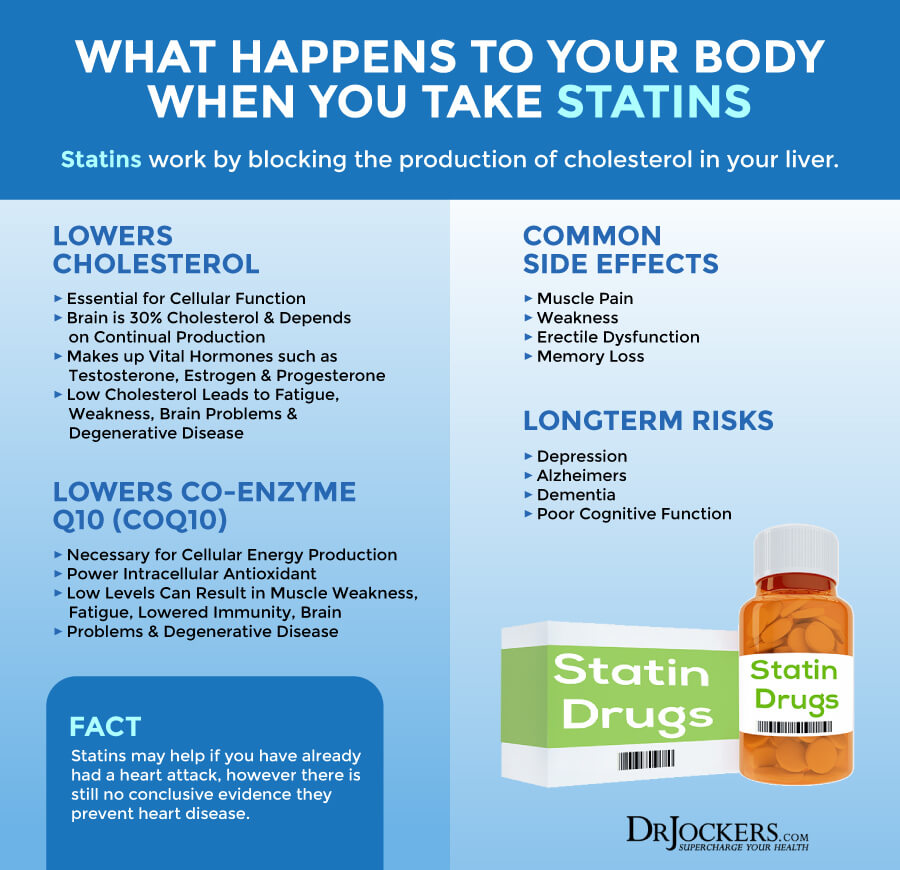
Statins, which lower cholesterol, are among the most prescribed medications. However, statin drugs also come with a list of side effects and can seriously impact mitochondrial function (19). Garlic and choline can be great natural swaps.
A 2024 meta-analysis of 21 randomized controlled trials published in the Journal of Health Population and Nutrition found that garlic reduced total cholesterol, triglycerides, and low-density lipoprotein, slightly increased high-density lipoprotein, and lowered the risk of dyslipidemia, with garlic oil being more effective than garlic powder (20). A 2024 study published in Heliyon has found that choline reduced liver cholesterol synthesis and decreased blood LDH cholesterol levels in liver fibrosis (21).
Dosage:
- Garlic: 600 – 1,200 mg/day (22)
- Choline: 550 mg/day for men and pregnant women, 400 mg/day for women, 450 mg/day during lactation (23)
Anti-Anxiety Medication
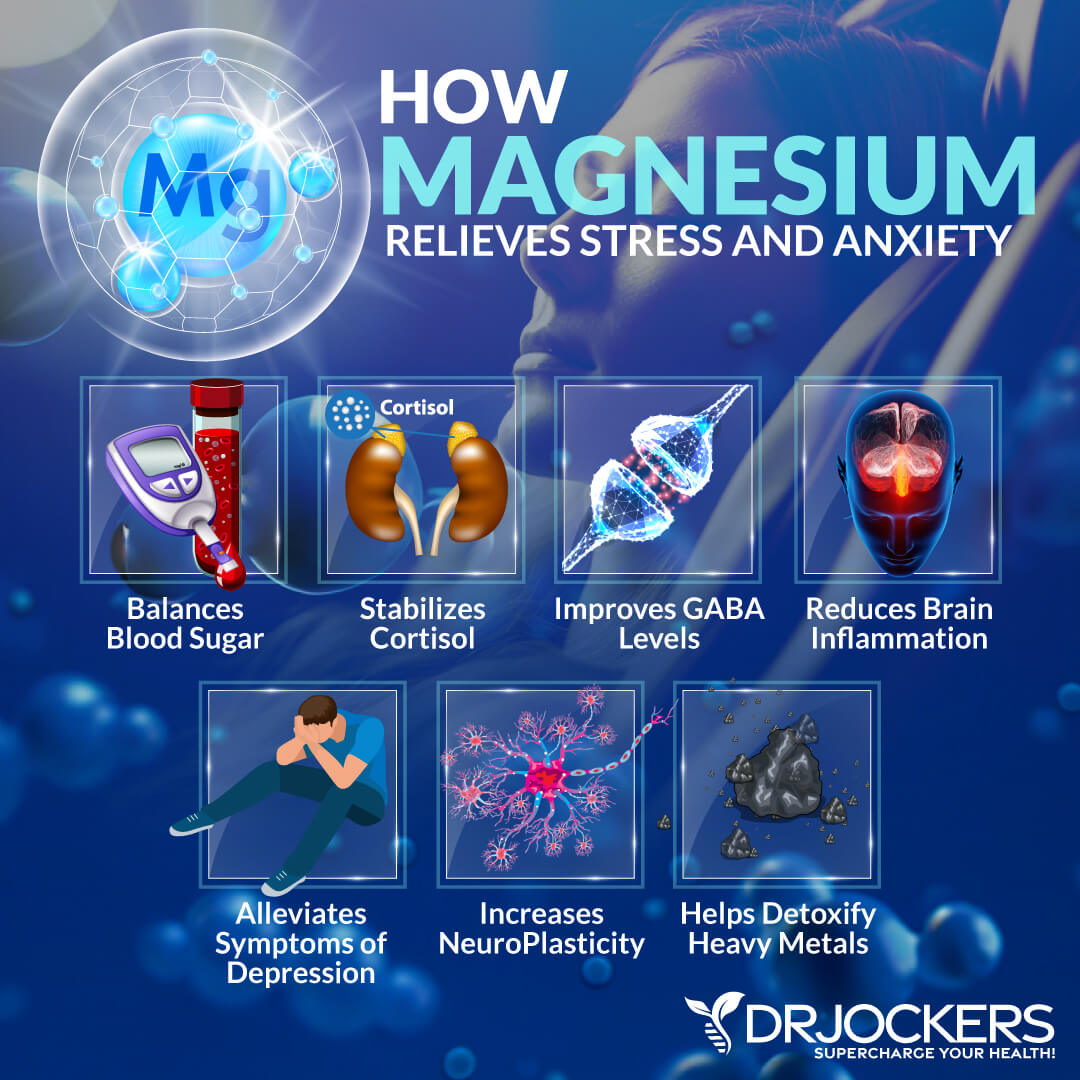
Anxiety disorders are the most common mental health conditions that affect about 359 million people worldwide (24). About 1 in 4 people are under treatment for anxiety, often using some form of an anti-anxiety medication (24). Certain supplements, including magnesium and gamma-aminobutyric acid (GABA), may help with anxiety.
A 2024 systematic review published in Cureus has found magnesium to be effective for low-level anxiety and insomnia, especially in those with low magnesium levels, but suggests that further studies are needed to establish the best dosage (25). A 2025 study published in the Science of Food has found that long-term use of GABA can improve anxiety by affecting the neuroinflammatory pathways, using GABA on mica for 2 weeks (26).
Dosage:
Antidepressants
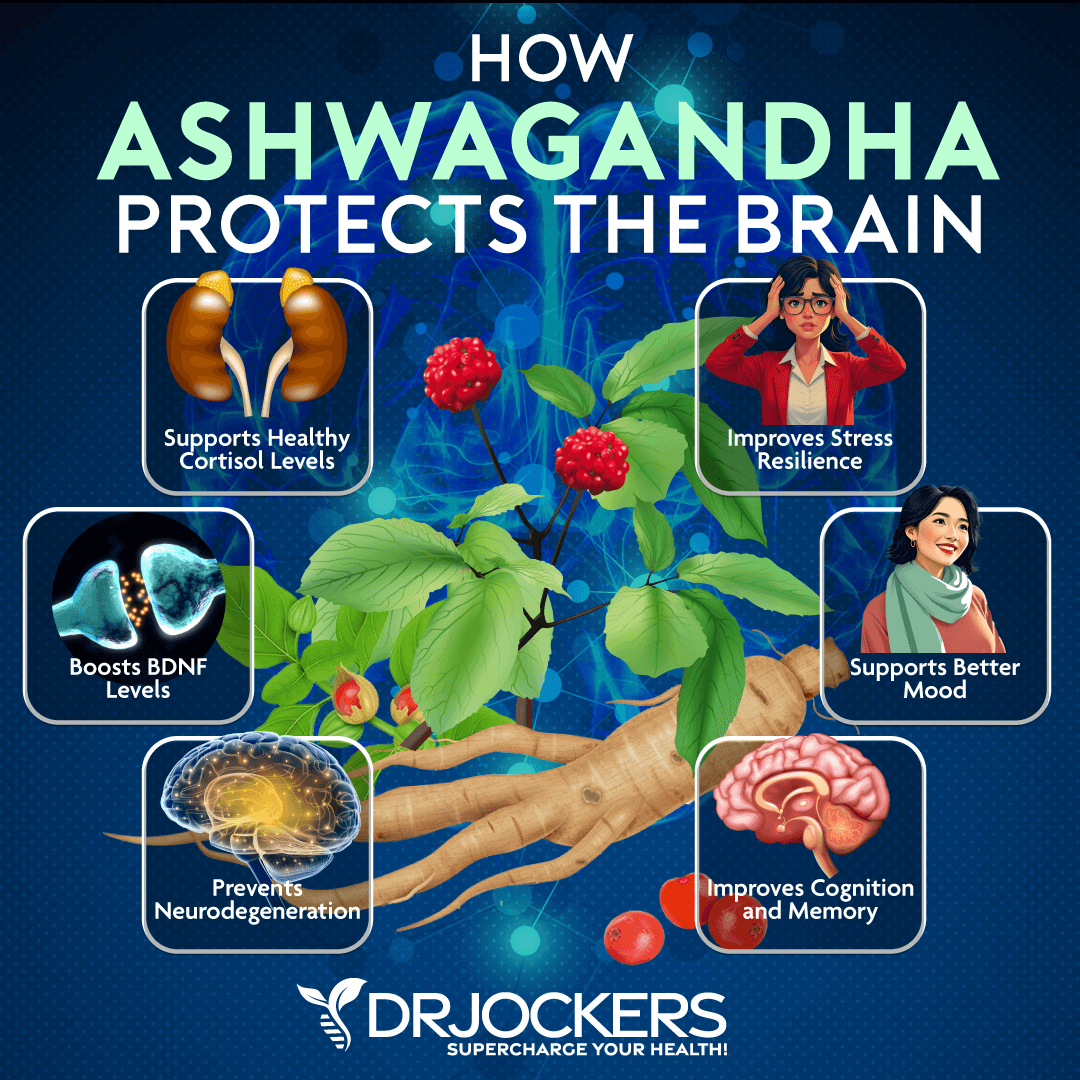
Depression is another common mood disorder. About 5.7 percent of adults have experienced some form of depression worldwide, and about 13.1 percent of American adults and children over the age of 12 (29, 30). Depression is commonly treated with various antidepressant medications, with or without psychotherapy. Ashwagandha and rhodiola may be good natural options for depression.
A 2023 in vitro study published in the Journal of Experimental Pharmacology has found that due to its anti-inflammatory activities, ashwagandha may help to improve depression and anxiety related to chronic stress (31). A 2020 randomized double-blind placebo-controlled clinical trial of 100 patients published in the Journal of Affective Disorders has found that using 0.3 gram or 0.6 gram of rhodiola per day over 12 weeks improves major depressive disorders compared to placebo, 0.6 grams being more effective (32).
Dosage:
Aspirin
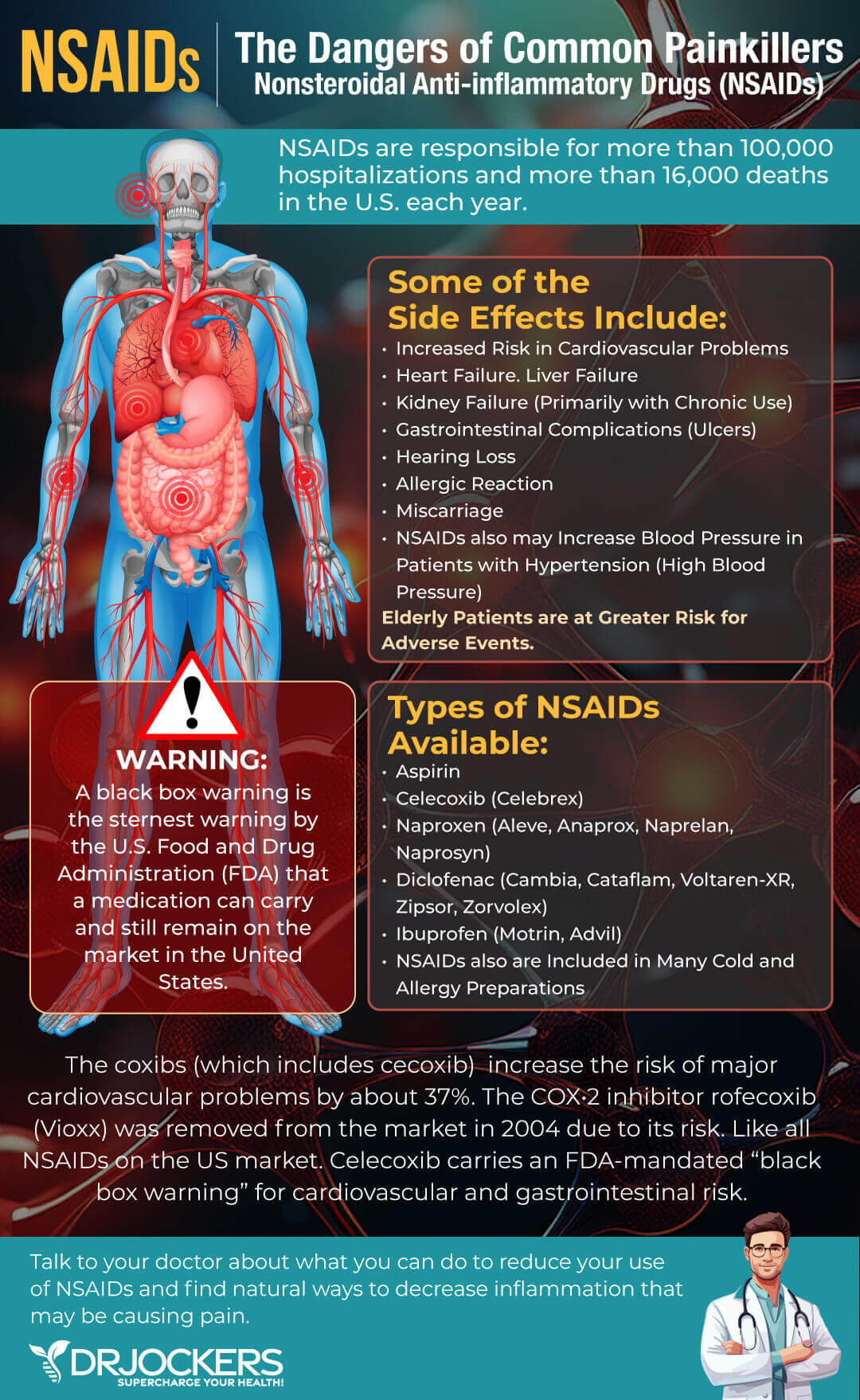
Aspirin is a medication that reduces pain, fever, and inflammation. It is also used in low doses to help prevent blood clots and to prevent cardiovascular disease (34).
Aspirin can irritate the stomach and increase the risk of bleeding, especially in the stomach or intestines, and because it thins the blood, it can be dangerous for those with certain medical conditions or those taking other blood-thinning medications. Proteolytic enzymes and omega-3 may be good natural swaps.
A 2025 study on 105 patients published in Science Reports found that a 7-day course of systemic proteolytic enzyme therapy improved postoperative pain, inflammation, and key inflammatory biomarkers, such as C-reactive protein and erythrocyte sedimentation rate (35). A 2024 review of 13 studies published in Nutrients found that omega-3 fatty acids helped reduce inflammation, oxidative stress, and post-exercise muscle damage in healthy adults (36).
Dosage:
Adderall
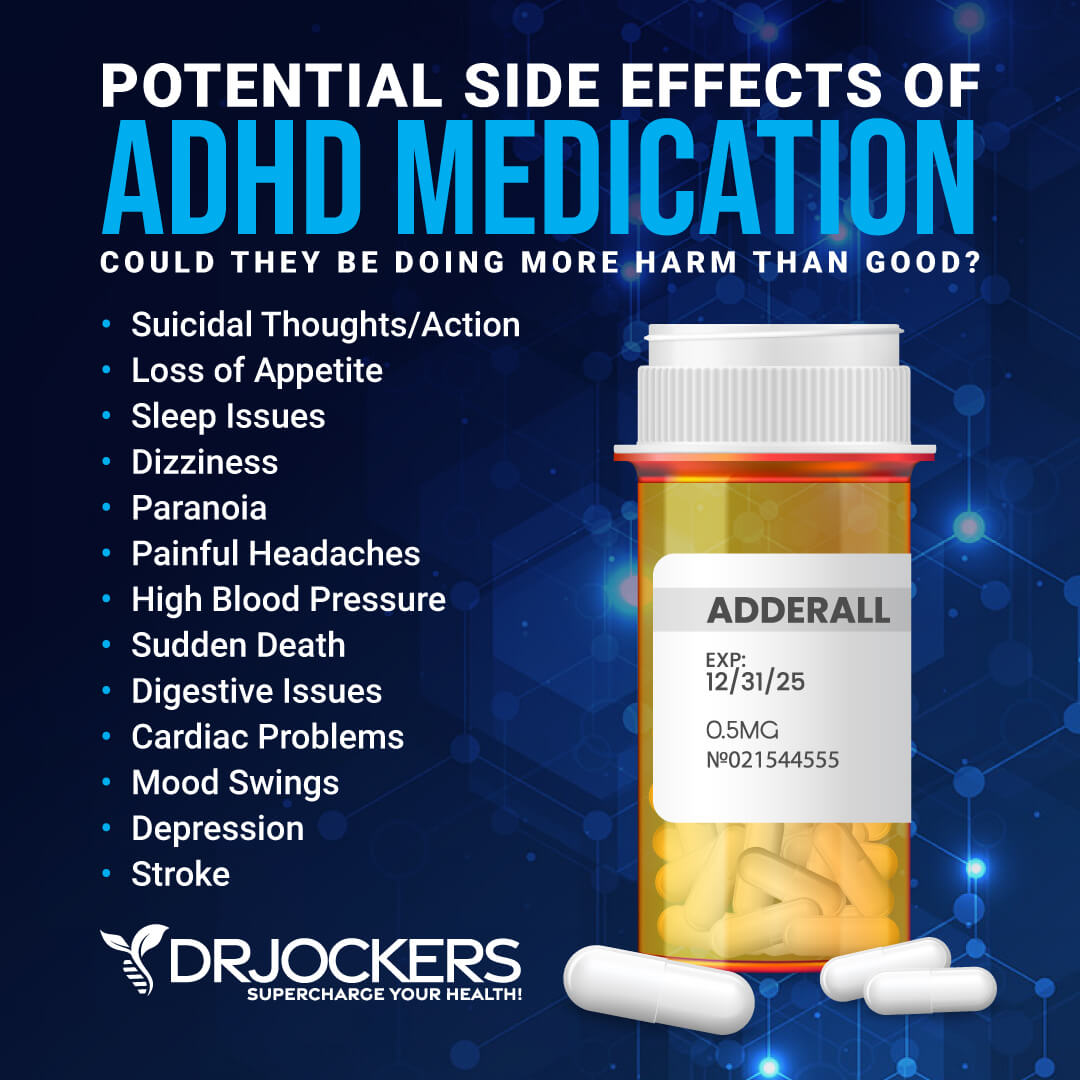
About 7 million children between the ages of 3 and 17 have been diagnosed with attention deficit hyperactivity disorder (ADHD). Adult diagnoses are ever-increasing. Adderall is among the most common medications for ADHD. B vitamins and magnesium may be good natural options.
A 2024 review published in the International Journal for Vitamin and Nutrition Research examined 6 studies involving 982 children and found that vitamin B9 and B12 levels were significantly lower in children with ADHD, suggesting supplementation as a potential support option (40).
A 2020 study published in the International Journal of Preventive Medicine found that 6 mg/kg/day of magnesium and 50,000 IU/week of vitamin D for 8 weeks improved behavioral problems related to ADHD (41).
Dosage:
- B Vitamins: 2.4 to 2.8 mcg of B12 and a B complex (42)
- Magnesium: 420 mg for men, 320 mg for women (27)
Birth Control
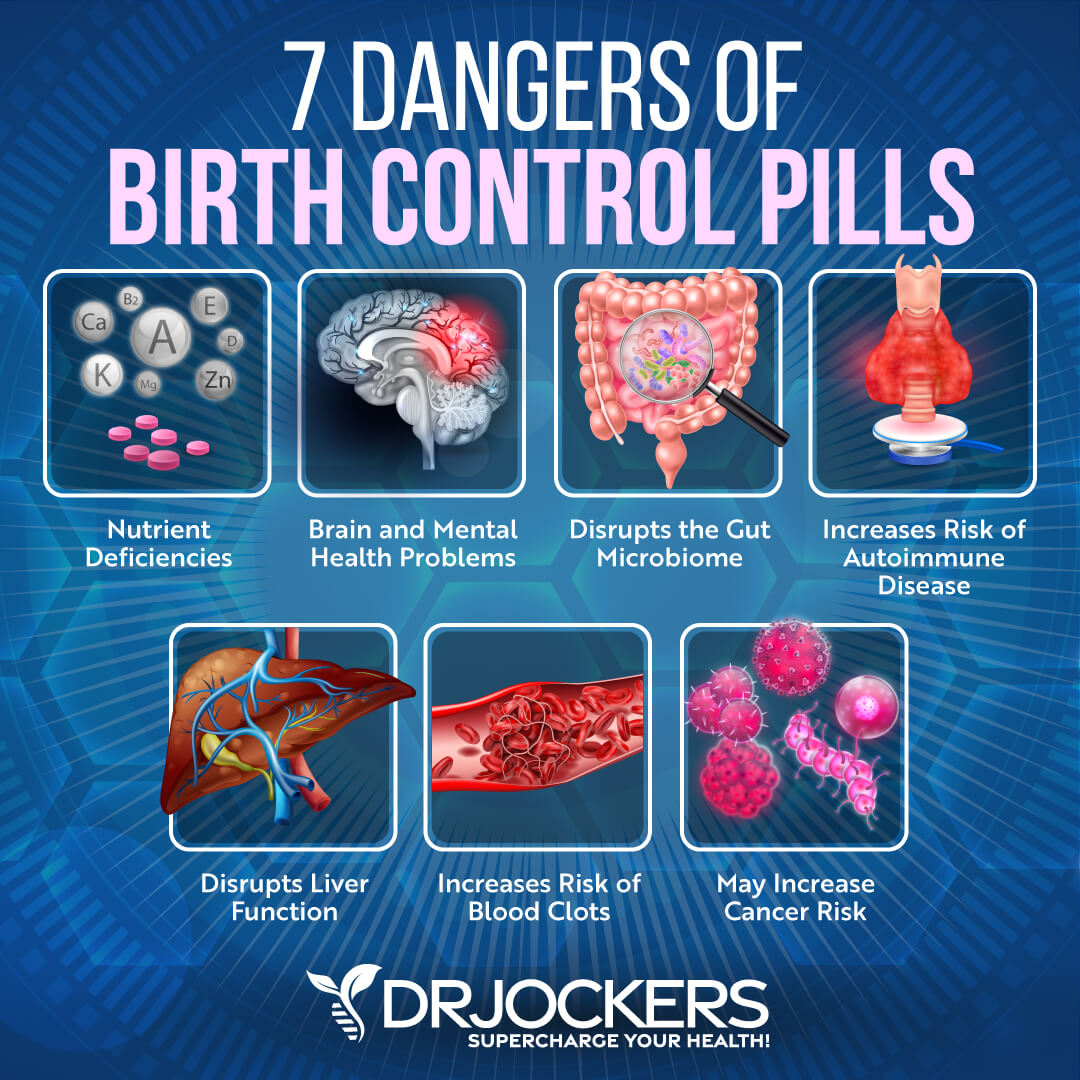
Hormonal birth control is commonly given to women, especially young women, not only for birth control but for various hormonal issues, including acne, menstrual cramps, and PMS. Birth control, however, can increase chronic inflammation, hormonal imbalances, and various chronic symptoms, including weight gain, bloating, and headaches (43).
Optimizing zinc and magnesium levels may be a better natural option to improve these problems. A 2020 systematic review and meta-analysis published in Dermatologic Therapy has found that improving zinc levels helped to reduce inflammation and acne (44).
A 2022 study of 64 women published in Reproductive Biology and Endocrinology has found that magnesium for 10 weeks helps to improve acne, uterine bleeding, and alopecia related to polycystic ovarian syndrome (45). For contraception, you can use natural, hormone-free alternatives.
Dosage:
Final Thoughts
Medications, though sometimes lifesaving, are often overprescribed, overused, and can lead to side effects and further health issues. Choosing natural options, including the ones outlined in this article, may offer alternatives to improve your well-being without medication.
If you want to work with a functional health coach, I recommend this article with tips on how to find a great coach. Our website offers long-distance functional health coaching programs with our world-class team of health coaches. For further support with your health and other goals, just reach out—our fantastic coaches are here to support your journey.

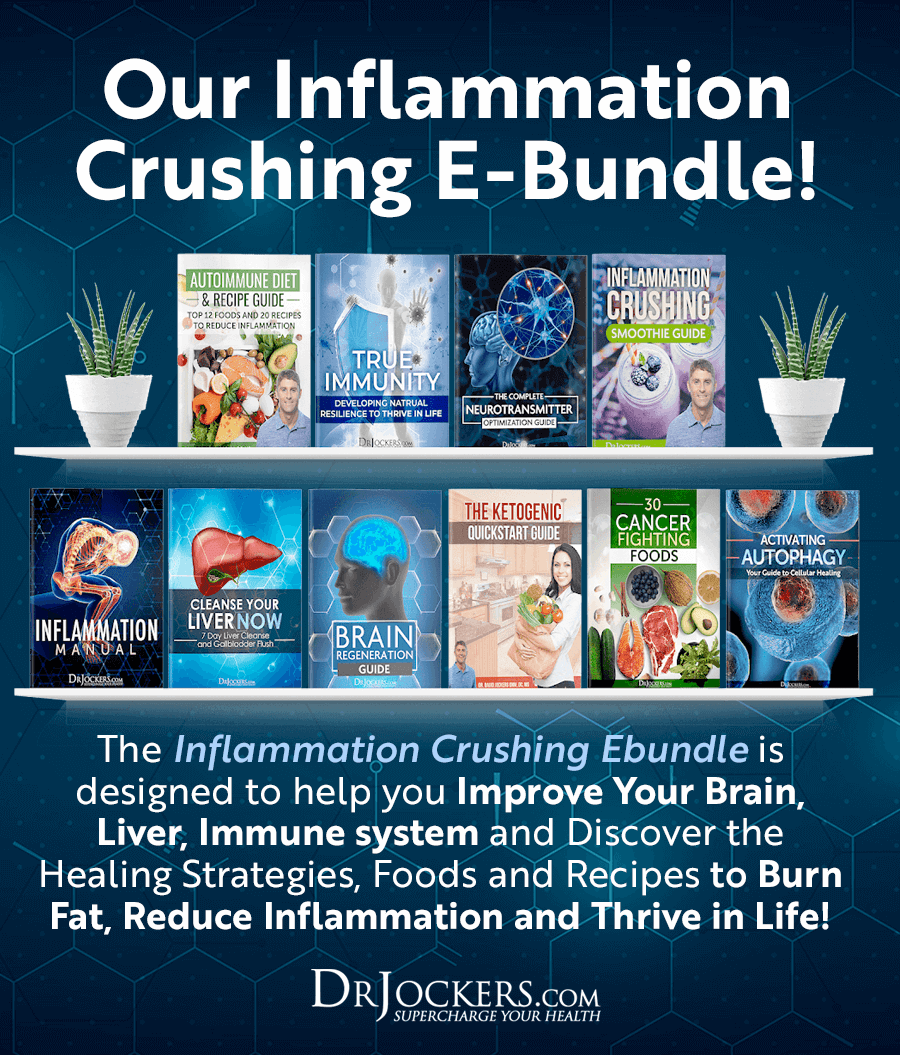
Inflammation Crushing Ebundle
The Inflammation Crushing Ebundle is designed to help you improve your brain, liver, immune system and discover the healing strategies, foods and recipes to burn fat, reduce inflammation and Thrive in Life!
As a doctor of natural medicine, I have spent the past 20 years studying the best healing strategies and worked with hundreds of coaching clients, helping them overcome chronic health conditions and optimize their overall health.
In our Inflammation Crushing Ebundle, I have put together my very best strategies to reduce inflammation and optimize your healing potential. Take a look at what you will get inside these valuable guides below!
Sources in This Article Include:
1. American Diabetes Association. Link Here
2. Xie, W., Su, F., Wang, G., Peng, Z., Xu, Y., Zhang, Y., Xu, N., Hou, K., Hu, Z., Chen, Y., & Chen, R. (2022). Glucose-lowering effect of berberine on type 2 diabetes: A systematic review and meta-analysis. Frontiers in Pharmacology, 13, 1015045. Link Here
3. Khodavirdipour A, Haddadi F, Keshavarzi S. Chromium Supplementation; Negotiation with Diabetes Mellitus, Hyperlipidemia and Depression. J Diabetes Metab Disord. 2020;19(1):585-595. Published 2020 Mar 5. Link Here
4. Berberine. Examine Link Here
5. Chromium NIH. Link Here
6. Paultre K, Cade W, Hernandez D, Reynolds J, Greif D, Best TM. Therapeutic effects of turmeric or curcumin extract on pain and function for individuals with knee osteoarthritis: a systematic review. BMJ Open Sport Exerc Med. 2021;7(1):e000935. Published 2021 Jan 13. doi:10.1136/bmjsem-2020-000935 Link Here
7. Rudrappa GH, Chakravarthi PT, Benny IR. Efficacy of high-dissolution turmeric-sesame formulation for pain relief in adult subjects with acute musculoskeletal pain compared to acetaminophen: A randomized controlled study. Medicine (Baltimore). 2020;99(28):e20373. Link Here
8. Zeng L, Yu G, Hao W, Yang K, Chen H. The efficacy and safety of Curcuma longa extract and curcumin supplements on osteoarthritis: a systematic review and meta-analysis. Biosci Rep. 2021;41(6):BSR20210817. doi:10.1042/BSR20210817 Link Here
9. Boswellia NIH. Link Here
10. Are Proton Pump Inhibitors (PPIs) Safe for Long-Term Use? Yale Medicine. Link Here
11. Schulz RM, Ahuja NK, Slavin JL. Effectiveness of Nutritional Ingredients on Upper Gastrointestinal Conditions and Symptoms: A Narrative Review. Nutrients. 2022;14(3):672. Published 2022 Feb 5. Link Here
12. Aregawi LG, Shokrolahi M, Gebremeskel TG, Zoltan C. The Effect of Ginger Supplementation on the Improvement of Dyspeptic Symptoms in Patients With Functional Dyspepsia. Cureus. 2023;15(9):e46061. Published 2023 Sep 27. Link Here
13. Arjmandfard, Donya Effects of apple cider vinegar on glycemic control and insulin sensitivity in patients with type 2 diabetes: A GRADE-assessed systematic review and dose–response meta-analysis of controlled clinical trials. Frontiers in Nutrition. Link Here
14. Ginger benefits. Examine Link Here
15. Nadgir CA, Biswas DA. Antibiotic Resistance and Its Impact on Disease Management. Cureus. 2023;15(4):e38251. Published 2023 Apr 28. Link Here
16. Tao L, Liang Y, Xia Z, et al. Antibacterial activities of oregano essential oils and their active components. Front Pharmacol. 2025;16:1579283. Published 2025 Apr 8 Link Here
17. Wadi MA. Evaluation of antibacterial activity and chemical analysis of clove aqueous extract (Syzygium aromaticum). BMC Complement Med Ther. 2025;25(1):146. Published 2025 Apr 21. Link Here
18. Safety information. NAHA Link Here
19. Broniarek I, Jarmuszkiewicz W. Statyny a mitochondria [Statins and mitochondria]. Postepy Biochem. 2016;62(2):77-84. Polish. PMID: 28132458 Link Here
20. Du, Y., Zhou, H. & Zha, W. Garlic consumption can reduce the risk of dyslipidemia: a meta-analysis of randomized controlled trials. J Health Popul Nutr 43, 113 (2024). Link Here
21. Saijou, E., Kamiya, Y., Fujiki, K., Shirahige, K., & Nakato, R. (2024). Modulation of liver cholesterol homeostasis by choline supplementation during fibrosis resolution. Heliyon, 10(17), Link Here
22. Garlic Examine Link Here
23. Choline NIH Link Here
24. Anxiety disorders WHO Link Here
25. Rawji A, Peltier MR, Mourtzanakis K, et al. Examining the Effects of Supplemental Magnesium on Self-Reported Anxiety and Sleep Quality: A Systematic Review. Cureus. 2024;16(4):e59317. Published 2024 Apr 29. Link Here
26. Xu, J., Ge, Z., Wang, H. et al. Long-term GABA supplementation mitigates anxiety by modulating complement and neuroinflammatory pathways. npj Sci Food 9, 60 (2025). Link Here
27. Magnesium NIH Link Here
28. GABA Examine Link Here
29. Depressive Disorder (Depression) WHO. Link Here
30. Depression Relevance CDC Link Here
31. Krishnaraju, A. V., Somepalli Venkateswarlu, Shefali Thanawala, & Shah, R. (2023). Efficacy and Anti-Inflammatory Activity of Ashwagandha Sustained-Release Formulation on Depression and Anxiety Induced by Chronic Unpredictable Stress: in vivo and in vitro Studies. Journal of Experimental Pharmacology, Volume 15, 291–305. Link Here
32. Gao, L., Wu, C., Liao, Y., & Wang, J. (2020). Antidepressants effects of Rhodiola capsule combined with sertraline for major depressive disorder: A randomized double-blind placebo-controlled clinical trial. Journal of Affective Disorders, 265, 99–103. Link Here
33. Sprengel M, Laskowski R, Jost Z. Withania somnifera (Ashwagandha) supplementation: a review of its mechanisms, health benefits, and role in sports performance. Nutr Metab (Lond). 2025;22(1):9. Published 2025 Feb 5. LInk Here
34. Roeser S, Duval S, Luepker RV, Eder M, Finnegan JR, Van’t Hof JR. Population cessation of aspirin use for the prevention of cardiovascular disease. Am J Prev Cardiol. 2025;21:100941. Published 2025 Feb 8. Link Here
35. Suryawanshi, A., Patkar, H., Aute, S. et al. Systemic enzyme therapy for postoperative inflammation and wound healing after orthopedic surgery: a randomized, placebo and active controlled clinical study. Sci Rep 15, 34336 (2025). Link Here
36. Fernández-Lázaro D, Arribalzaga S, Gutiérrez-Abejón E, Azarbayjani MA, Mielgo-Ayuso J, Roche E. Omega-3 Fatty Acid Supplementation on Post-Exercise Inflammation, Muscle Damage, Oxidative Response, and Sports Performance in Physically Healthy Adults-A Systematic Review of Randomized Controlled Trials. Nutrients. 2024;16(13):2044. Published 2024 Jun 27. Link Here
37. Bhagat, S., Agarwal, M., & Roy, V. (2013). Serratiopeptidase: A systematic review of the existing evidence. International Journal of Surgery, 11(3), 209–217. Link Here
38. Consuming about 3 grams of omega-3 fatty acids a day may lower blood pressure American Heart Association Link Here
39. Data and statistics on ADHD CDC Link Here
40. Fatemeh Razavinia, Atefeh Ebrahimiyan, Shahla Faal Siahkal, Ghazinezhad, N., & Abedi, P. (2024). Vitamins B9 and B12 in children with attention deficit hyperactivity disorder (ADHD). International Journal for Vitamin and Nutrition Research, 94(5-6), 476–484. Link Here
41. Hemamy M, Heidari-Beni M, Askari G, Karahmadi M, Maracy M. Effect of Vitamin D and Magnesium Supplementation on Behavior Problems in Children with Attention-Deficit Hyperactivity Disorder. Int J Prev Med. 2020;11:4. Published 2020 Jan 24. Link Here
42. Vitamin B12 NIH Link Here
43. Study shows how birth control pills affect women’s psychological and biological responses to stress UCLA health Link Here
44. Yee BE, Richards P, Sui JY, Marsch AF. Serum zinc levels and efficacy of zinc treatment in acne vulgaris: A systematic review and meta-analysis. Dermatol Ther. 2020;33(6):e14252. Link Here
45. Jaripur M, Ghasemi-Tehrani H, Askari G, Gholizadeh-Moghaddam M, Clark CCT, Rouhani MH. The effects of magnesium supplementation on abnormal uterine bleeding, alopecia, quality of life, and acne in women with polycystic ovary syndrome: a randomized clinical trial. Reprod Biol Endocrinol. 2022;20(1):110. Published 2022 Aug 2. Link Here
46. Zinc NIH Link Here

Thank you for posting this article! I hope it’ll help many people find healthier alternatives to pharmaceutical drugs. I had a question about Polysorbate 80 being listed as a toxin, as I’ve questioned this “safe” ingredient myself. I’ve read some studies that show a correlation with Polysorbate 80 consumption and increased gut permeability. Could you link some studies here that highlight the safety and/or toxicity of it? Please and thank you.