 Master Your Morning Cortisol Spike for Optimal Fat Burning and Energy
Every morning, as you transition from sleep to wakefulness, your body orchestrates a remarkable hormonal symphony. One of the most prominent players in this symphony is cortisol, which surges by as much as 75% within the first 30 minutes of waking.
While popular health advice often frames this cortisol spike as something to be immediately suppressed, the reality is far more nuanced. This natural awakening response is, in fact, a crucial mechanism your body uses to mobilize fat for fuel, sharpen your focus, and prepare you for the day ahead.
The key isn’t to fight this biological process, but rather to understand it and work with it. By optimizing your morning routine, you can transform this temporary hormonal surge into a powerful tool for targeting stubborn visceral fat and boosting overall well-being. Let’s delve into the intricate hormonal dance of the first hour after waking and discover how to harness its full potential.
The Misunderstood Cortisol Awakening Response (CAR)
The phenomenon of your morning cortisol surge is scientifically recognized as the Cortisol Awakening Response (CAR). It’s a well-documented event, occurring in approximately 77% of healthy individuals, where cortisol levels rise an average of 50% (ranging from 38% to 75%) within the initial 30 to 45 minutes post-waking.
This spike is fundamental to inducing wakefulness and ensuring you feel alert and energized. Individuals who exhibit a robust CAR typically experience sustained energy throughout the day.
Conversely, a blunted CAR is often associated with persistent fatigue, indicating its vital role in orchestrating our daily energy rhythms. While the magnitude of this response is partly genetically determined, a stable CAR pattern is intricately linked to hippocampal activity, which primes the hypothalamic-pituitary-adrenal (HPA) axis for the demands of the day.
It’s essential to view the CAR not as inherently good or bad, but as a biological tool. Its impact largely depends on the physiological environment in which it occurs.
Are you fasted or fed? Active or sedentary? Well-rested or sleep-deprived? These factors significantly influence how your body utilizes this morning hormonal surge.
The Nuance of Abdominal Fat
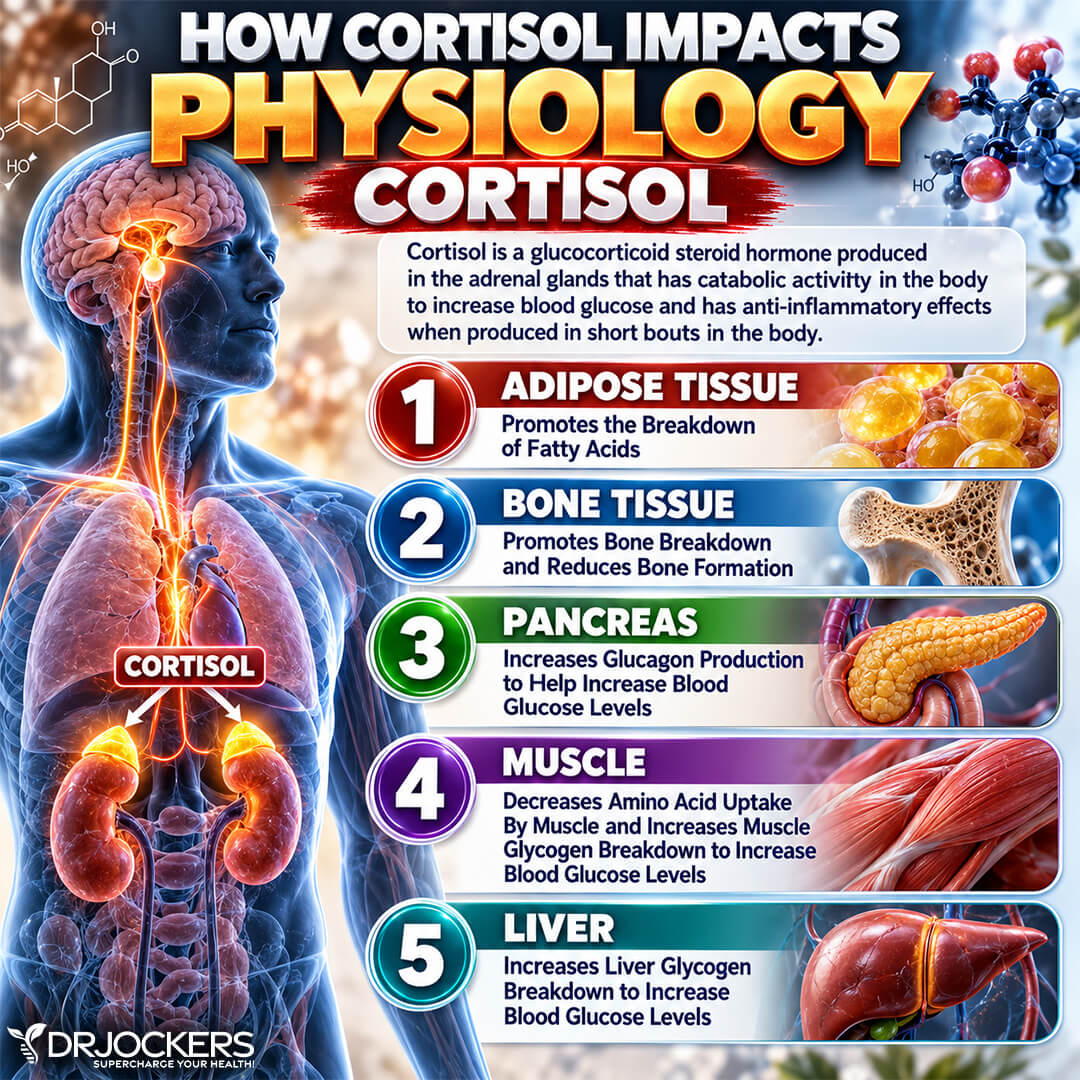
Interestingly, research indicates that individuals with greater HPA axis reactivity, meaning a stronger CAR, tend to carry more abdominal fat on average. This isn’t to say that a strong CAR directly causes abdominal fat.
Instead, it highlights the importance of leveraging this powerful hormonal window correctly. When managed effectively, the CAR can become a valuable ally in reducing visceral fat – the dangerous fat surrounding organs that promotes inflammation and poses significant health risks.
The objective, then, is to align with your body’s innate processes, rather than trying to counteract them. By understanding the biological mechanisms at play, we can optimize our morning habits to promote fat burning and enhance metabolic health.
The Biological Mechanism of Morning Fat Burning
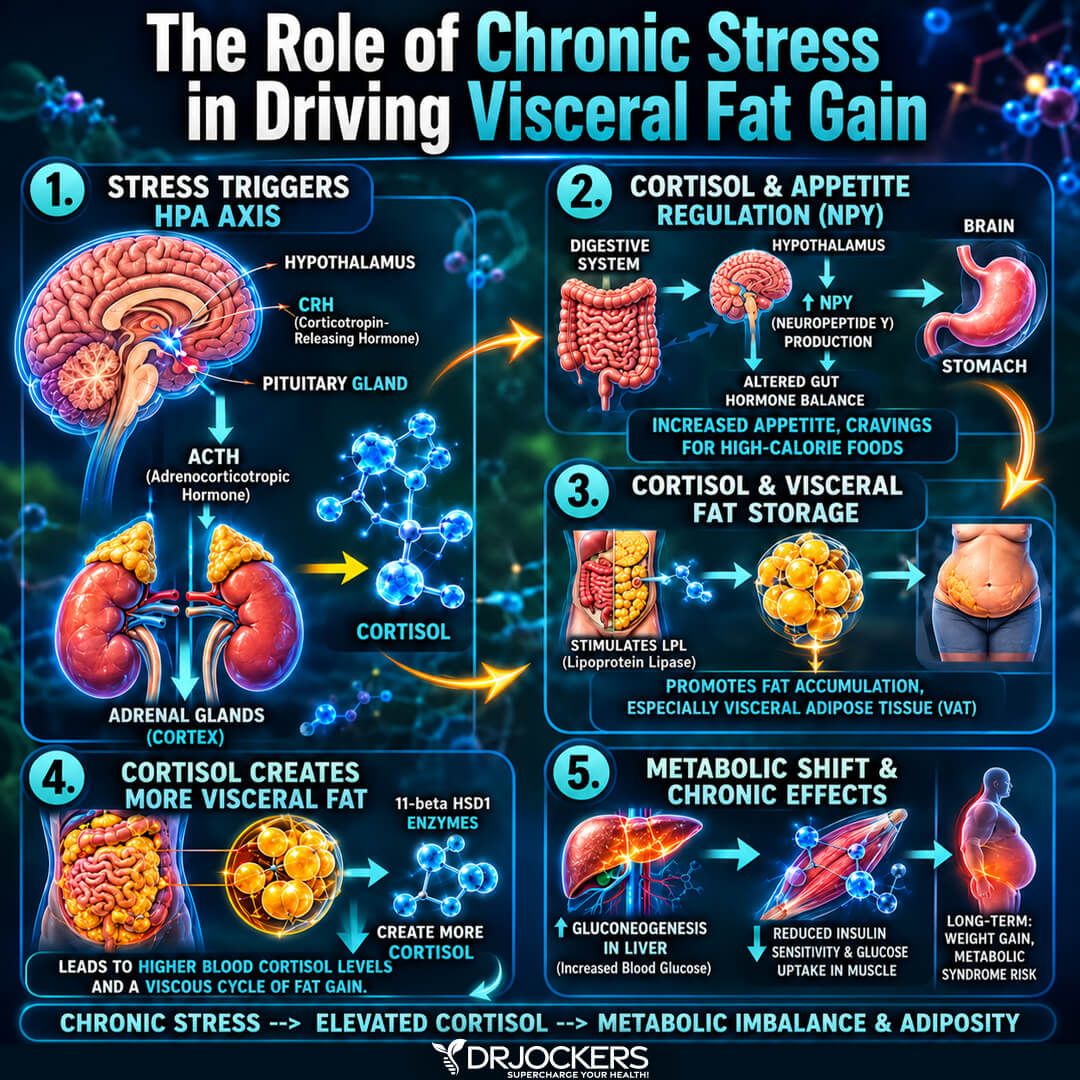
The morning cortisol spike plays a pivotal role in lipolysis, the breakdown of fat. A controlled human study revealed that suppressing the natural morning cortisol rise significantly curtailed the release of free fatty acids and glycerol from adipose (fat) tissue. This underscores cortisol’s direct involvement in initiating fat breakdown via hormone-sensitive lipase.
But cortisol isn’t working alone. It’s part of a powerful triumvirate of hormones that create a uniquely favorable environment for fat mobilization in the fasted morning state:
- Low Insulin: After an overnight fast, insulin levels are at their lowest. Insulin’s primary function is to store energy, and critically, it acts as a “stop signal” for fat burning. With low insulin, this stop signal is removed, allowing fat release to proceed unhindered.
- Elevated Growth Hormone: The fasting state naturally elevates growth hormone. Growth hormone possesses potent anti-catabolic effects, safeguarding your muscle and bone tissue from breakdown.
- Rising Cortisol: As cortisol rises, it provides a strong lipolytic signal, prompting the mobilization of fatty acids from fat stores.
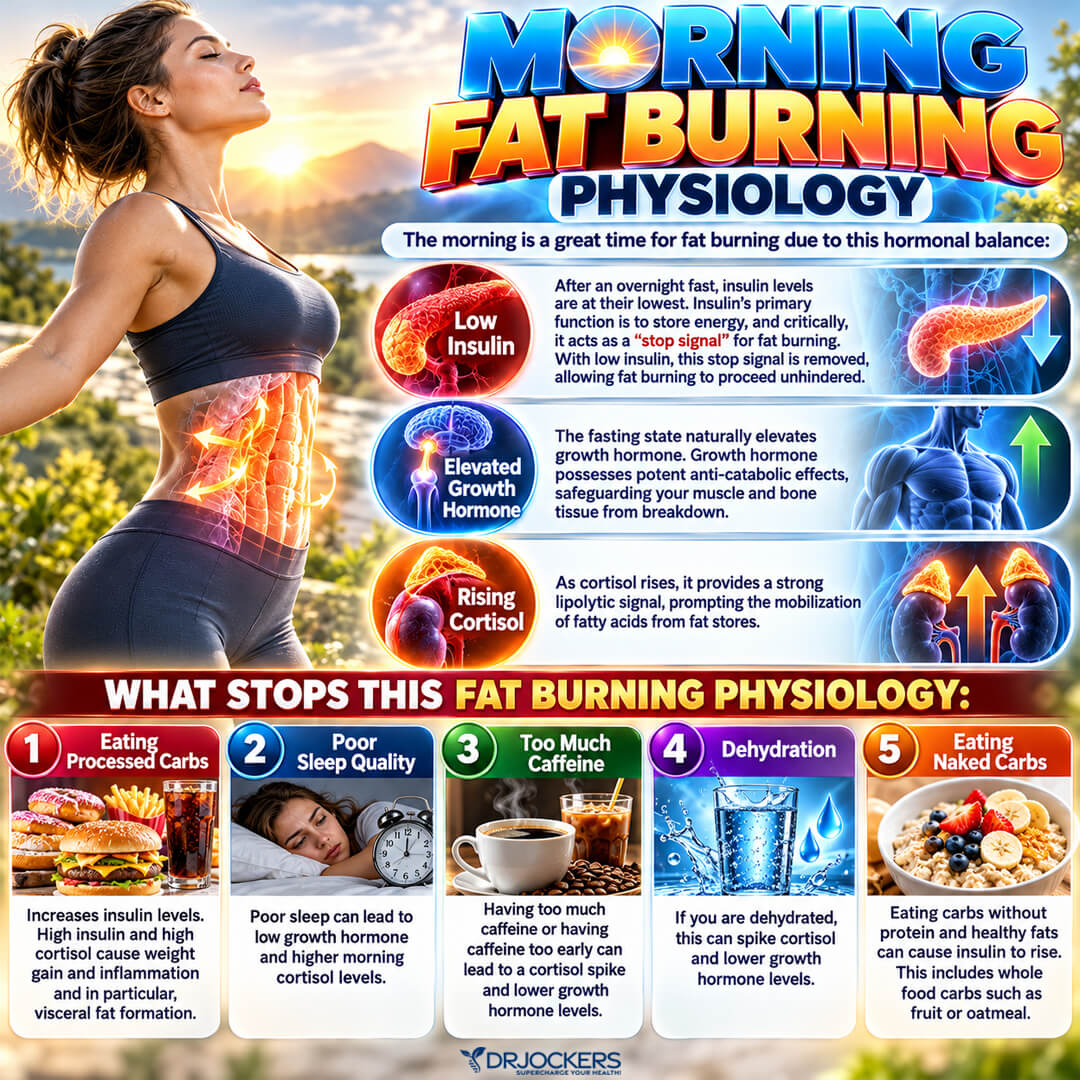
This precise combination is crucial. If cortisol were to rise in the absence of growth hormone or in a high-insulin state, it could lead to the breakdown of lean body tissue. However, with low insulin and elevated growth hormone protecting muscle, the rising cortisol effectively targets fat stores. This hormonal synergy ensures you burn fat while preserving valuable muscle mass.
This specific hormonal window is unique because it’s the only time of day these three conditions naturally converge. Later in the day, food intake raises insulin, effectively shutting down this particular fat-burning combination.
It’s important to note that while this process mobilizes fatty acids (lipolysis), these fatty acids still need to be utilized or “oxidized” for actual fat loss to occur. This is where strategic movement comes into play.
Optimizing Your Morning for Fat Burning
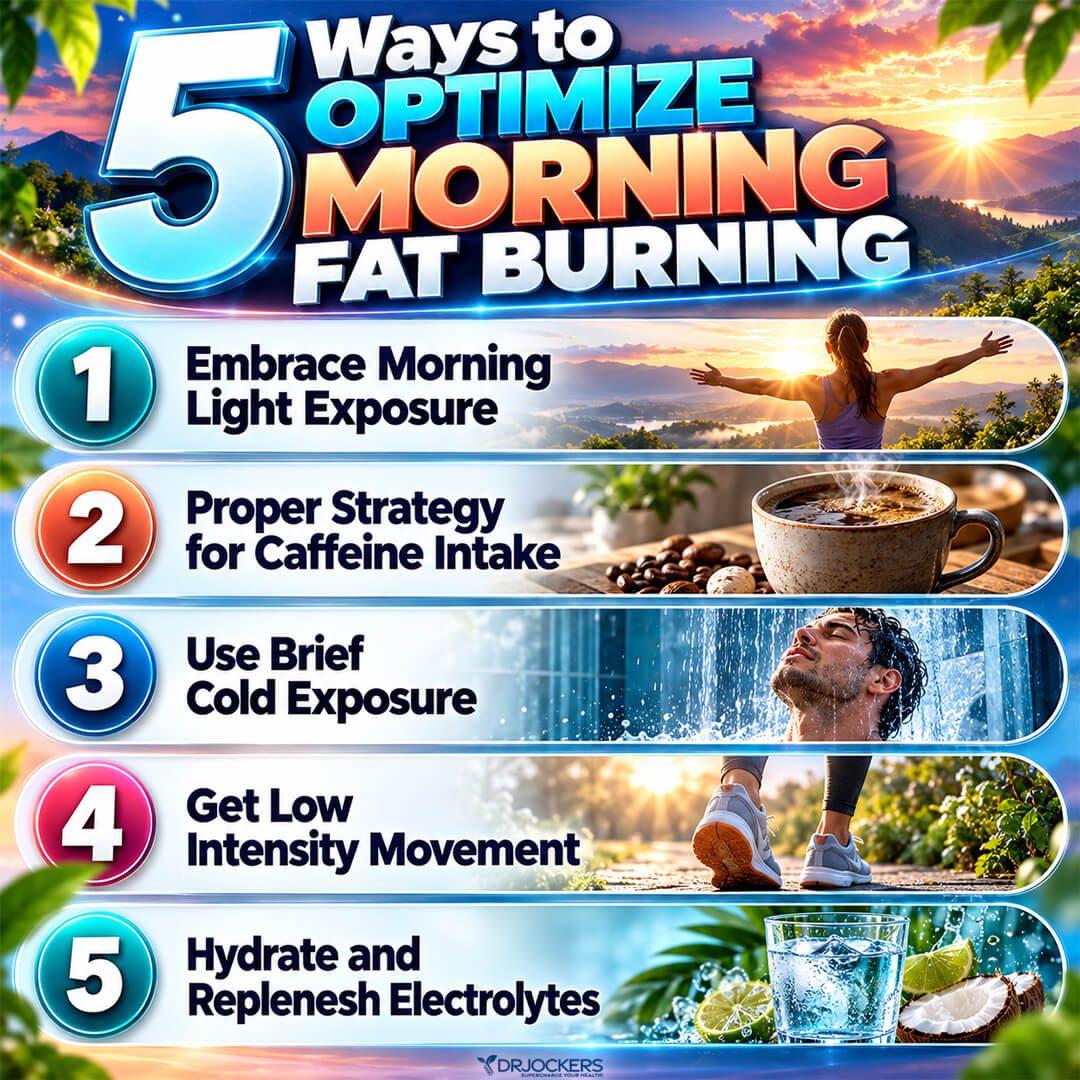
To fully leverage this powerful morning window, integrate a sequence of strategic actions into your first hour after waking.
1. Embrace Morning Light Exposure
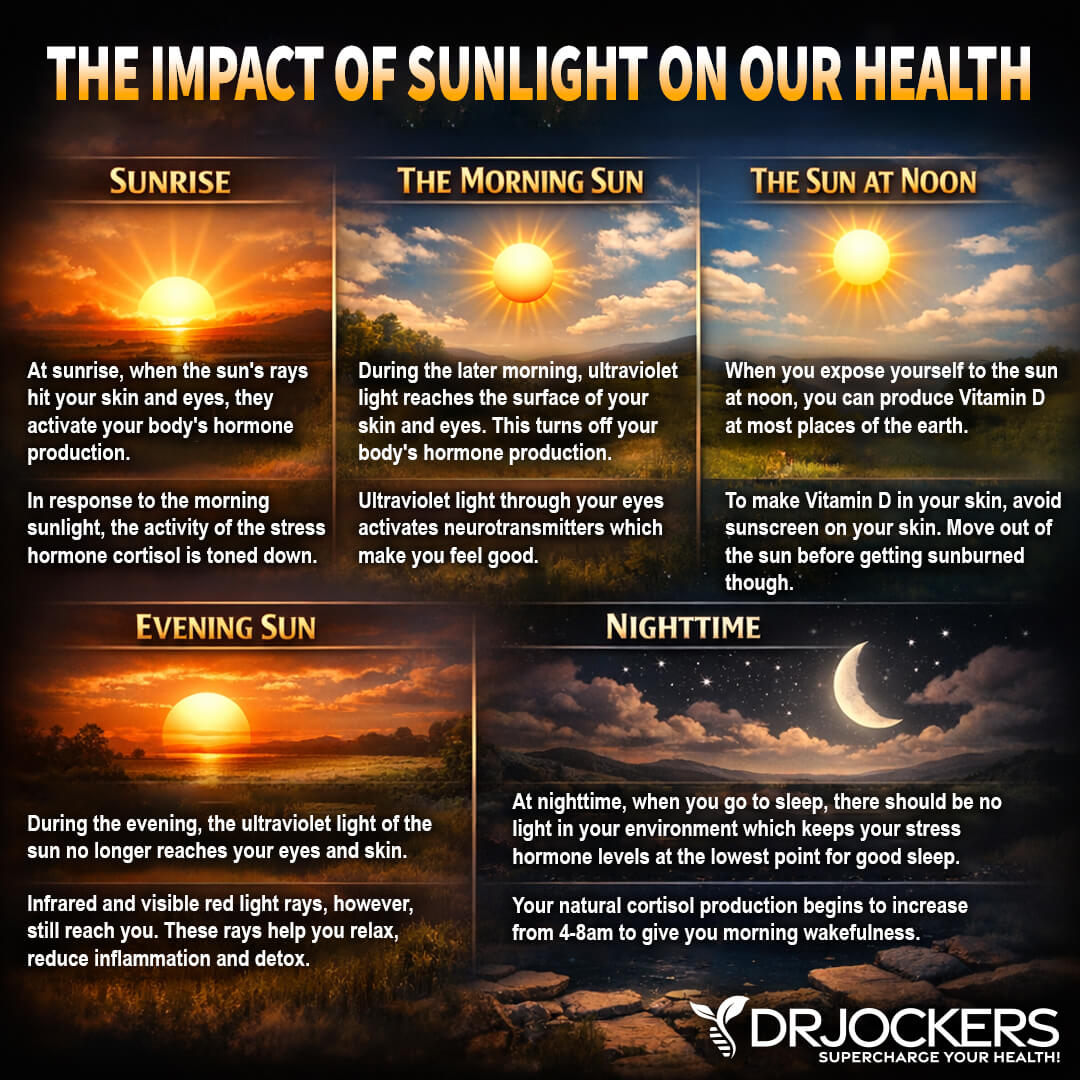
Within the first 30 to 60 minutes of waking, seek out natural morning sunlight. This critical step anchors your circadian clock and supports your body’s natural cortisol rhythm, rather than disrupting it.
Light exposure during this period ensures your CAR functions optimally, working with your body’s existing rhythms.
2. Strategize Your Caffeine Intake
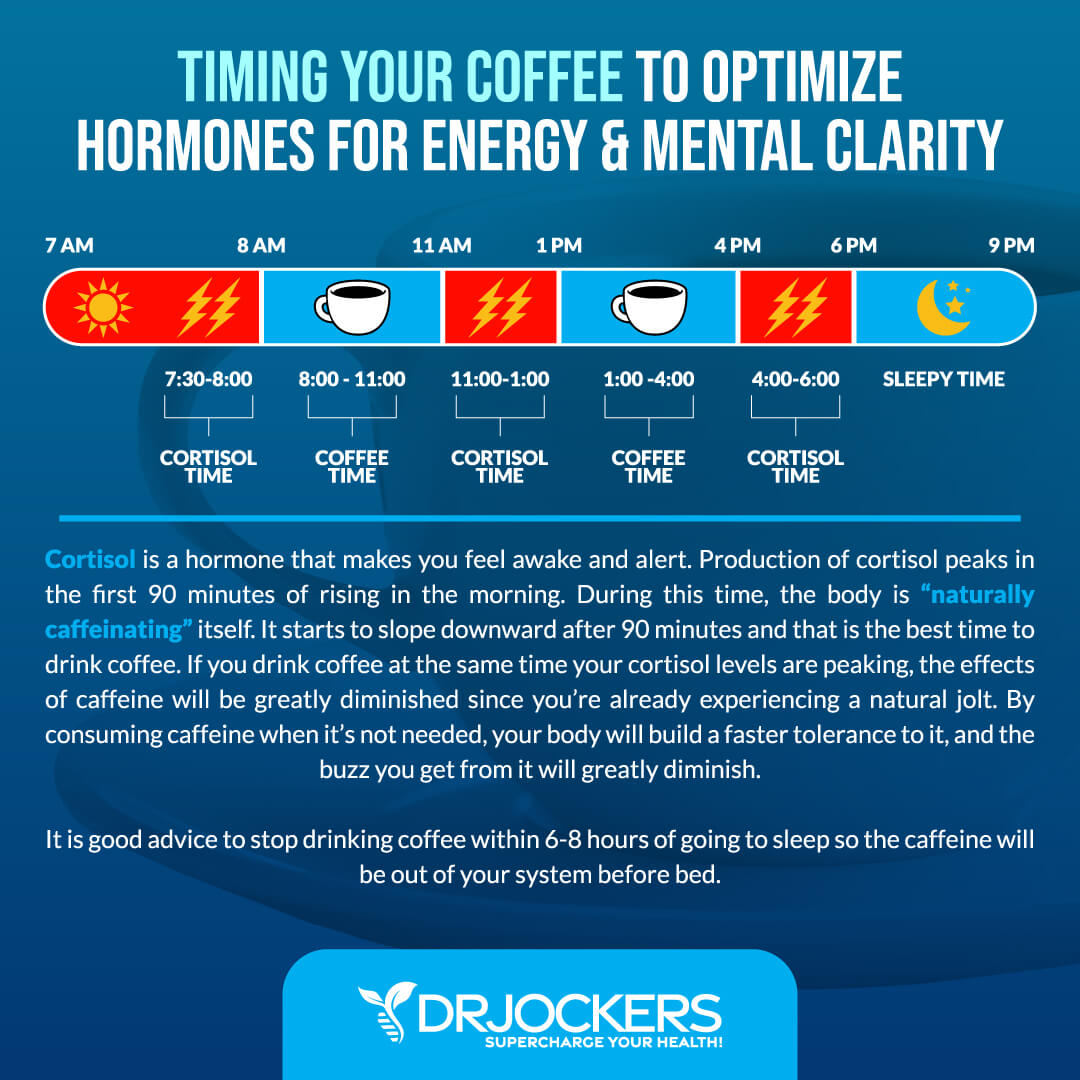
Consuming caffeine immediately upon waking, during the peak of your CAR, can amplify the natural cortisol response. This “stacking” of stimuli can lead to jitters, anxiety, or an exaggerated blood pressure response for some individuals.
A practical approach is to delay your caffeine intake by 60 to 90 minutes. This allows your natural CAR to run its course, and then caffeine provides a separate, subsequent lift, delivering its benefits more effectively without overwhelming your system.
During this waiting period, consider herbal teas or warm lemon water, which can activate the vagus nerve for calming effects and promote bowel motility.
3. Incorporate Brief Cold Exposure
Even short bursts of cold exposure, such as a quick cold shower or spending a few minutes outdoors in cool air, can be beneficial. Cold exposure triggers the release of norepinephrine, another stress hormone that independently stimulates lipolysis through a different pathway than cortisol.
This provides an additional fat-burning signal, layering on top of your existing morning hormonal environment. Extreme cold isn’t necessary; even mild exposure can elicit this response.

4. Engage in Fasted, Low-Intensity Movement
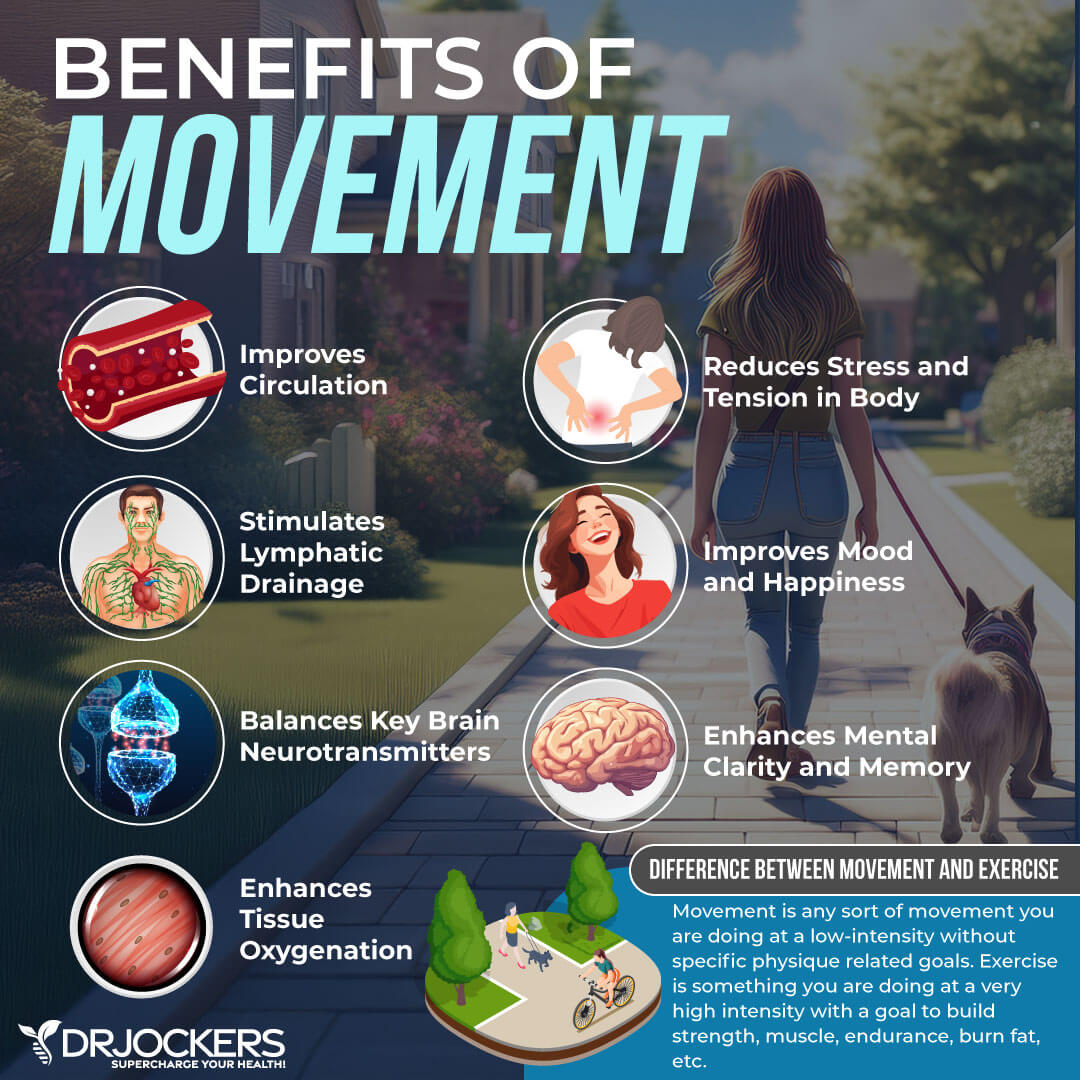
This is the crucial step for oxidizing the mobilized fatty acids. Low-intensity, steady-state movement, such as walking or light cycling, utilizes these free fatty acids as fuel without imposing significant additional stress.
This gentle activity ensures the fat released during lipolysis is actually burned, rather than recirculating and being potentially re-stored.
Conversely, high-intensity fasted training, particularly when cortisol is already elevated from the CAR, adds another substantial stressor. While growth hormone offers some protection, stacking intense training onto an already heightened cortisol window can be counterproductive, especially for those managing significant life stress.
This doesn’t mean never training fasted, but rather matching the intensity to what your hormonal environment can reasonably support.
5. Hydrate and Replenish Electrolytes
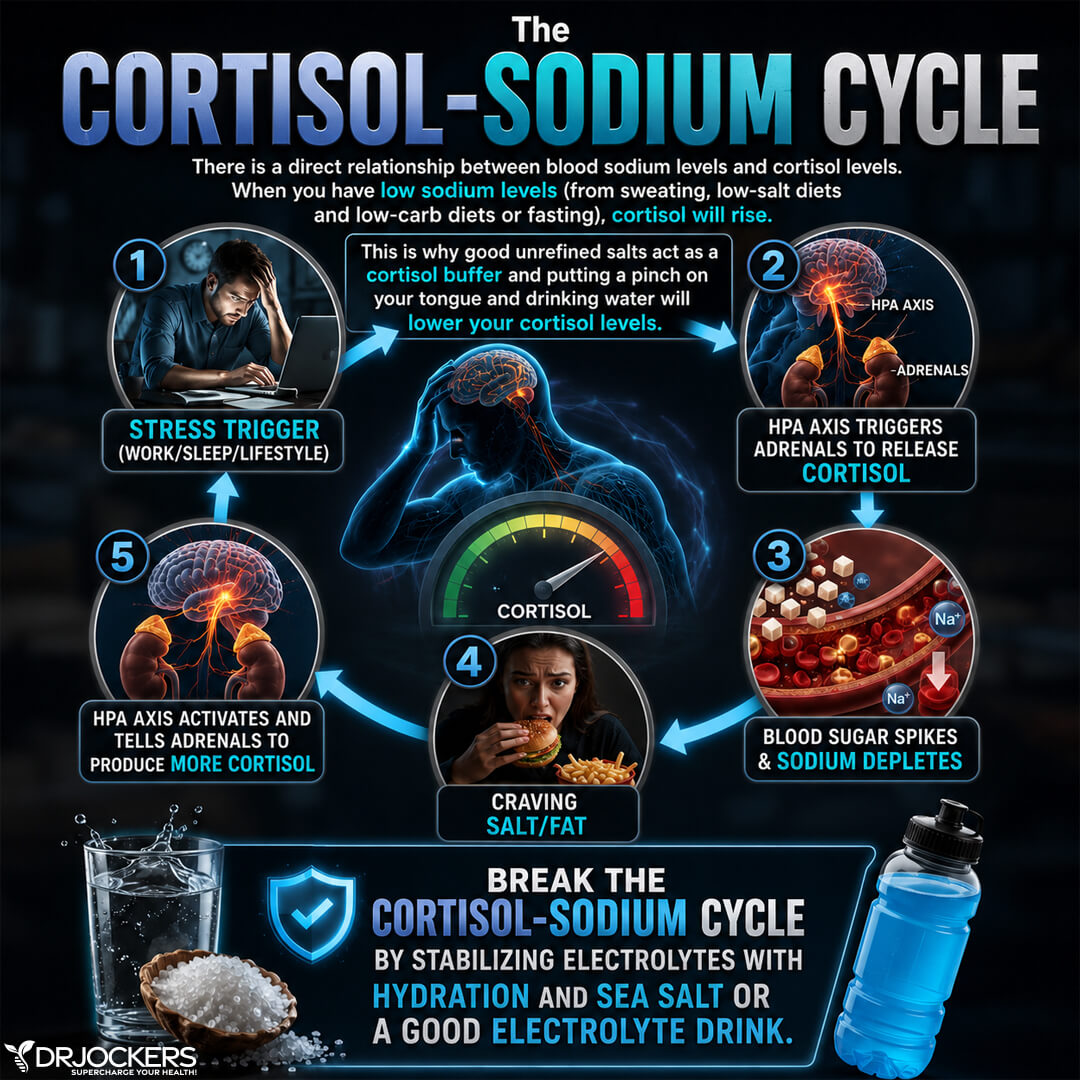
Upon waking, prioritize hydration with water. Additionally, incorporating unrefined salt, such as Redmond’s Real Salt, can help balance cortisol levels. A pinch on your tongue followed by water is a simple yet effective method.
The combination of sodium and potassium is vital, especially when engaging in fasted morning movement, as it supports cellular signaling related to stress response and overall physiological function. This is why using electrolytes can be so helpful for optimizing cortisol levels.
A Convenient Alternative: Ready-Made Electrolytes
For convenience, high-quality ready-made options like Re-Lyte from Redmond is excellent. This particular product is favored for its optimal electrolyte formulation (800 mg sodium, 400 mg potassium, 60 mg calcium, 50 mg magnesium) and clean ingredients.
It uses unrefined Redmond’s Real Salt and two types of magnesium for superior absorption. Available in flavored (stevia-sweetened) or unflavored versions, it provides an energy boost, mental clarity, improved athletic performance, and better sleep quality. Many find it simpler and more effective than DIY formulations.
I drink these electrolytes every day because I can feel the energy boost, I have better mental clarity while I am working and greater strength gains in the gym and they have even improved my sleep quality.
My routine is simple: Unflavored Re-Lyte while fasting in the morning, then a flavored version like Strawberry or Lemon Lime around workouts.
— > Check out My Favorite Electrolytes My Family Uses Everyday! For a limited time, use the code JOCKERS at checkout for 15% off your order

Breaking Your Fast Strategically
When it’s time for your first meal, the composition matters significantly. A high-carbohydrate breakfast can lead to a sharp insulin spike, effectively halting the fat oxidation process that has been active since the night before.
Instead, build your first meal around protein and healthy fats. This approach moderates the insulin response, allowing fat burning to continue longer into the morning.
Aim for 30-50 grams of high-quality protein in your first meal, as well as subsequent meals. While carbohydrates aren’t forbidden, consume them strategically.
If you include fruits or starches, have them at the end of your meal. The golden rule: always eat your protein, fat, and fiber first. Experiment with meal timing to find what best suits your individual needs and schedule, whether that’s an earlier or later breakfast.

Supporting Adrenal Health
The daily CAR represents a genuine demand on your adrenal glands. Supporting the nutrients involved in this process is vital for long-term sustainability and healthy adrenal function:
- Magnesium: Essential for supporting the HPA axis and regulating the cortisol-releasing hormone signal.
- Vitamin C: Used extensively by the adrenal glands during cortisol production.
- B Vitamins: Act as co-factors in adrenal hormone synthesis.
- Quality Sodium and Potassium: Crucial for cellular signaling involved in the stress response, particularly during fasted morning movement.
A high-quality multivitamin with methylated B vitamins, vitamin C, and magnesium, alongside a good electrolyte powder (such as Redmond’s Re-Lyte), can provide comprehensive support. Many individuals also benefit from additional magnesium supplementation, particularly magnesium glycinate or L-threonate, to help calm the brain and optimize cortisol balance.
This is why I recommend a great pre-methylated multivitamin with clinical doses of highly bioavailable nutrients. The one I personally use is Core Nutrients, which replenishes depleted nutrient reserves and promotes whole-body health and balance by establishing a cellular foundation of optimal energy production, detoxification, and cellular resilience.

Cortisol:DHEA Ratio: Stress Resilience Level
The cortisol to DHEA ratio is a critical lab test biomarker for assessing an individual’s physiological response to chronic stress. Cortisol, often termed the “stress hormone,” is produced by the adrenal glands to mobilize energy, increase blood glucose, and suppress non-essential functions during a fight-or-flight response.
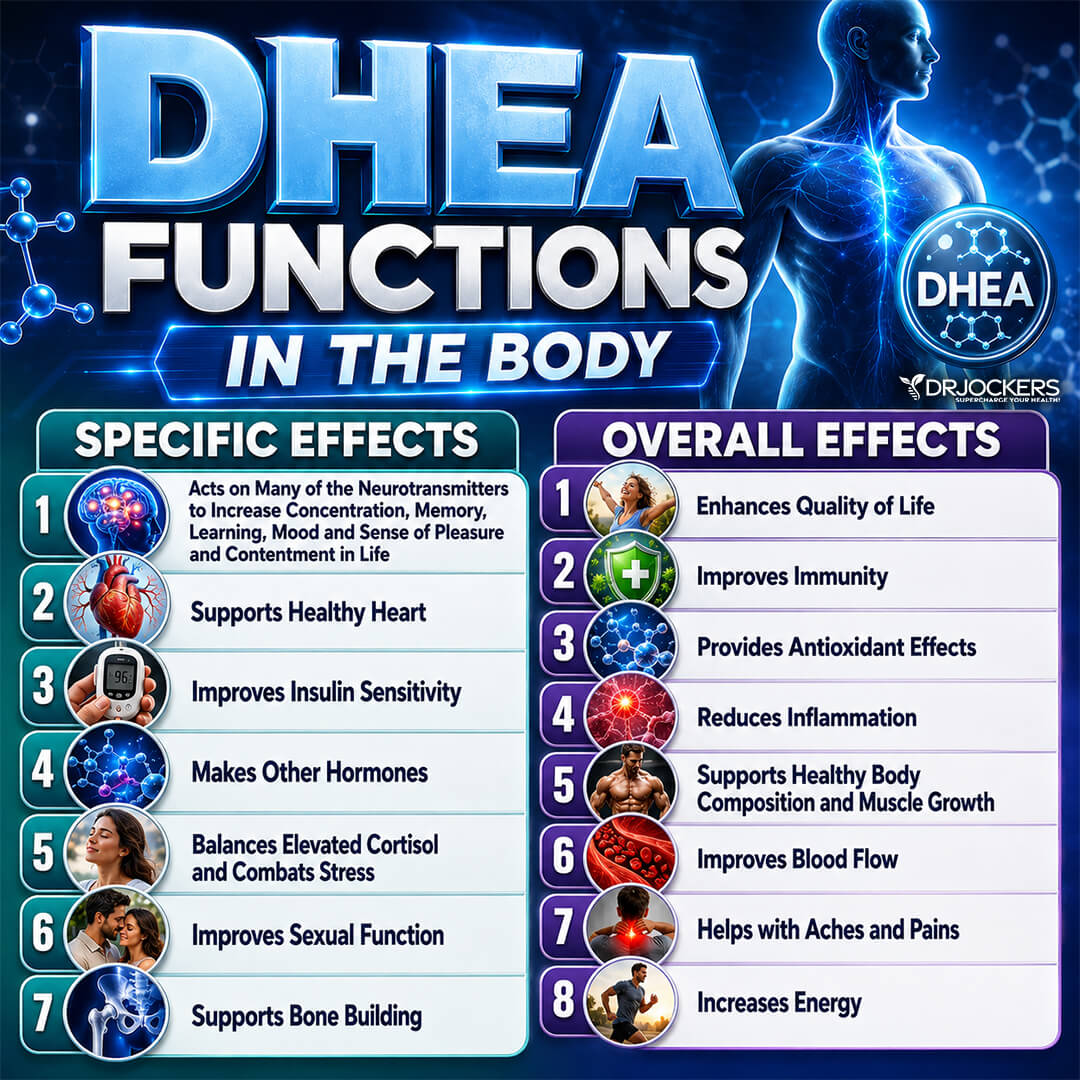
Conversely, dehydroepiandrosterone (DHEA) acts as a cellular buffer. It counters the catabolic, tissue-breaking effects of cortisol by promoting tissue repair, supporting immune function, and enhancing anabolic vitality.
In a healthy individual, these two hormones maintain a dynamic equilibrium. However, prolonged psychological or physical stress disrupts this balance.
Initially, stress drives both cortisol and DHEA levels upward. Over time, the adrenal glands struggle to sustain DHEA production, causing its levels to plummet while cortisol remains elevated. This shift results in a high cortisol to DHEA ratio.
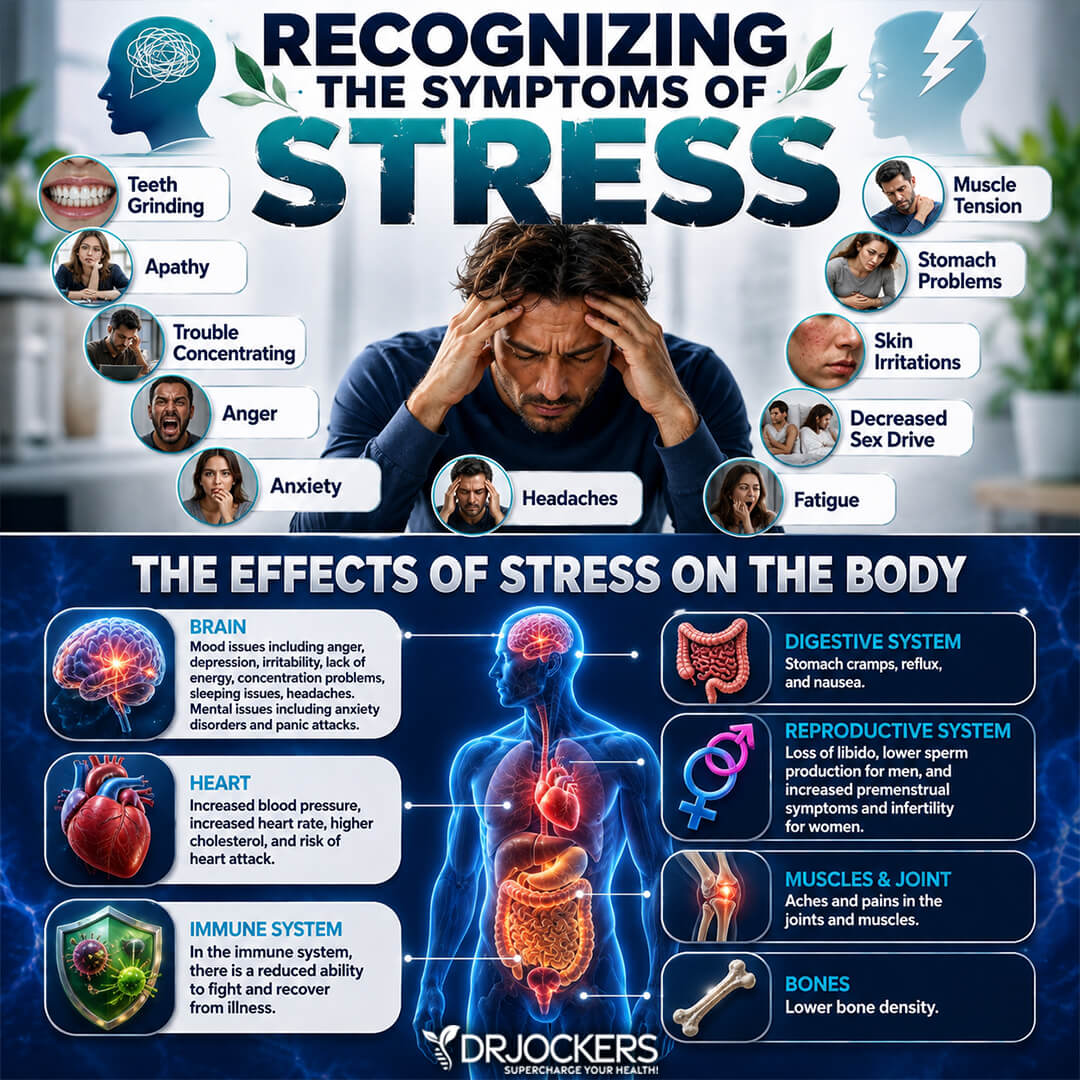
A persistently elevated ratio signifies systemic catabolism and accelerated aging. Clinically, it manifests as chronic fatigue, insulin resistance, abdominal weight gain, weakened immunity, and cognitive decline.
Monitoring this hormonal relationship allows healthcare providers to look beyond isolated hormone levels. It offers a comprehensive view of neuroendocrine health, guiding targeted interventions like lifestyle modifications, stress management, and adaptogenic support to restore metabolic harmony.
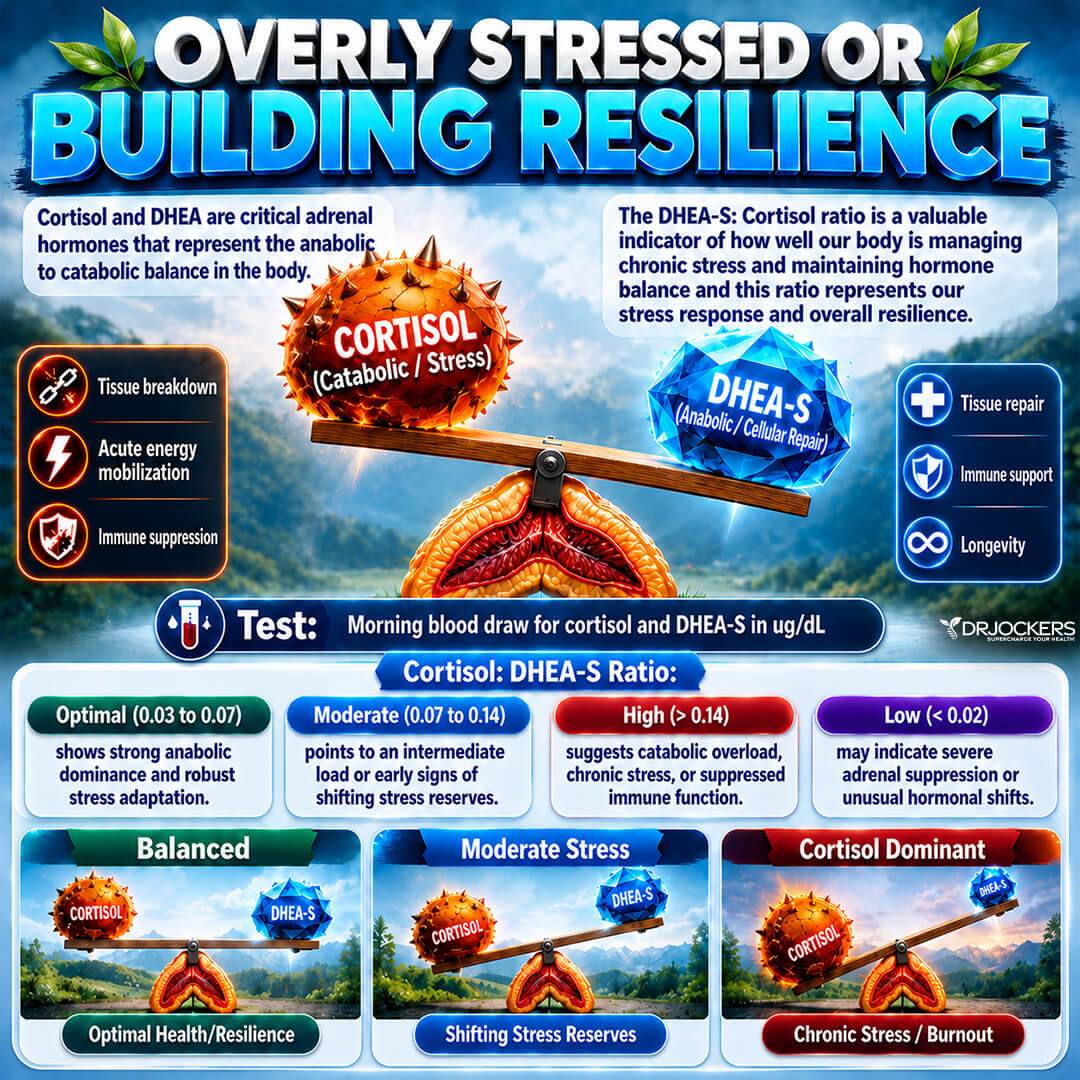
Optimal Range for Cortisol:DHEA Ratio:
Optimal (0.03 to 0.07) shows strong anabolic dominance and robust stress adaptation.
Moderate (0.07 to 0.14) points to an intermediate load or early signs of shifting stress reserves.
High (> 0.14) suggests catabolic overload, chronic stress, or suppressed immune function.
Low (< 0.02) may indicate severe adrenal suppression or unusual hormonal shifts
Comprehensive Blood Analysis
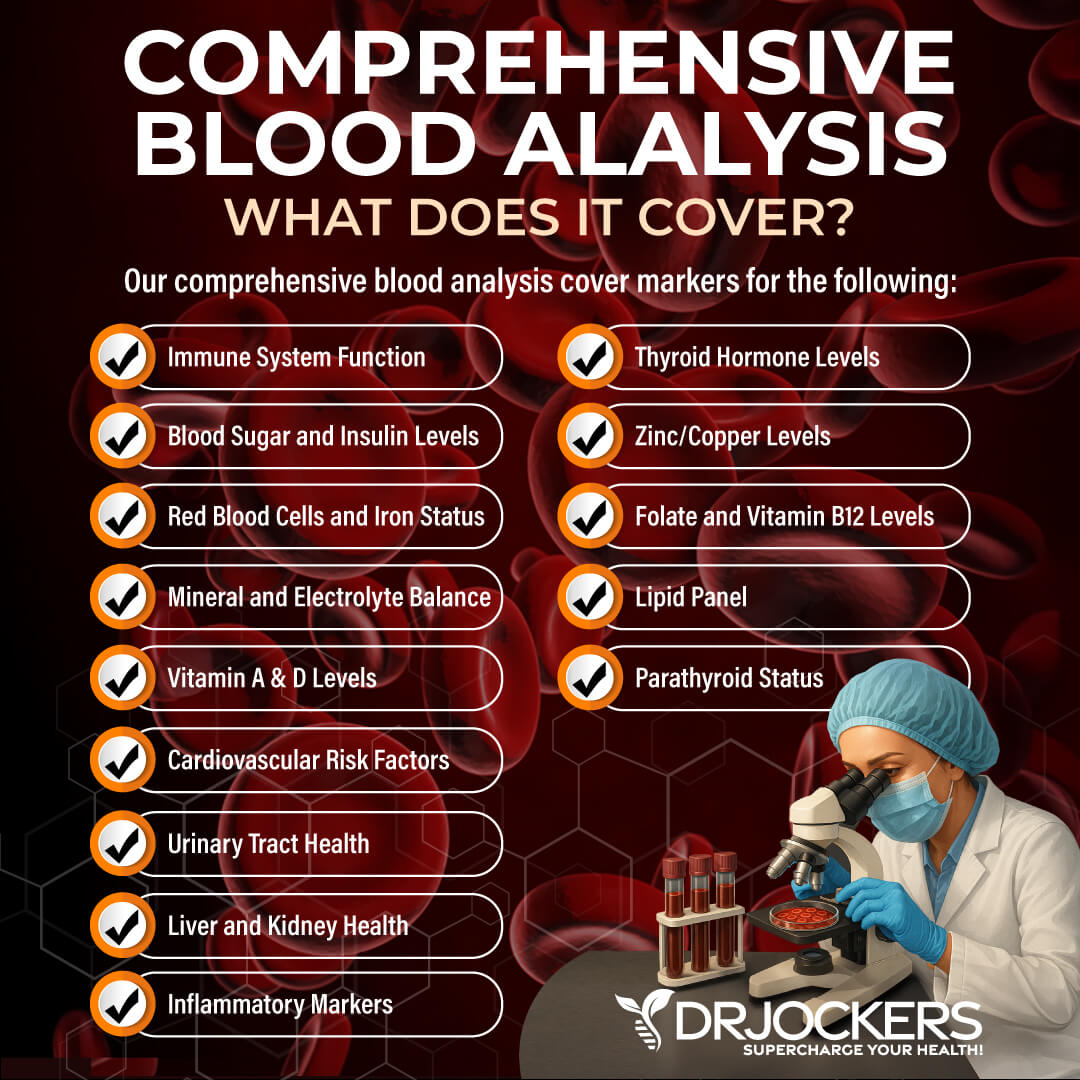
To check for these health markers, I recommend a Comprehensive Blood Analysis (CBA). This is the most detailed blood test that looks at all of these markers of inflammation. This test is more sophisticated than most conventional doctors are able to order.
It examines all parameters for inflammation, blood sugar levels, thyroid function, zinc and copper ratio, vitamin A and D levels, a complete metabolic panel, complete blood count, liver function, nutrient deficiencies, and more. I recommend getting the Comprehensive Blood Analysis done regularly both as a preventative measure and to monitor your inflammation levels and progress.
The Long Game: Consistency and Context
Sustained visceral fat reduction and optimal energy stem from the consistency of these hormonal rhythms. This means striving for a consistent wake time, regular morning light exposure, and a predictable morning pattern daily.
It’s crucial to remember that these strategies are not a substitute for overall caloric balance, adequate sleep quality, or effective chronic stress management. Rather, they provide a framework for structuring your morning so that your existing physiology works for you, not against you.
Your first hour after waking is hormonally distinct from any other time of day, whether you acknowledge it or not. By incorporating proper light exposure, light movement, strategic caffeine timing, and a thoughtfully composed breakfast, you empower your body to utilize its natural cortisol awakening response for enhanced fat burning, mental clarity, and sustained wakefulness.
The goal isn’t to force or manufacture more cortisol, but to stop disrupting a process that’s already happening, and instead, provide the right inputs to make it profoundly useful.
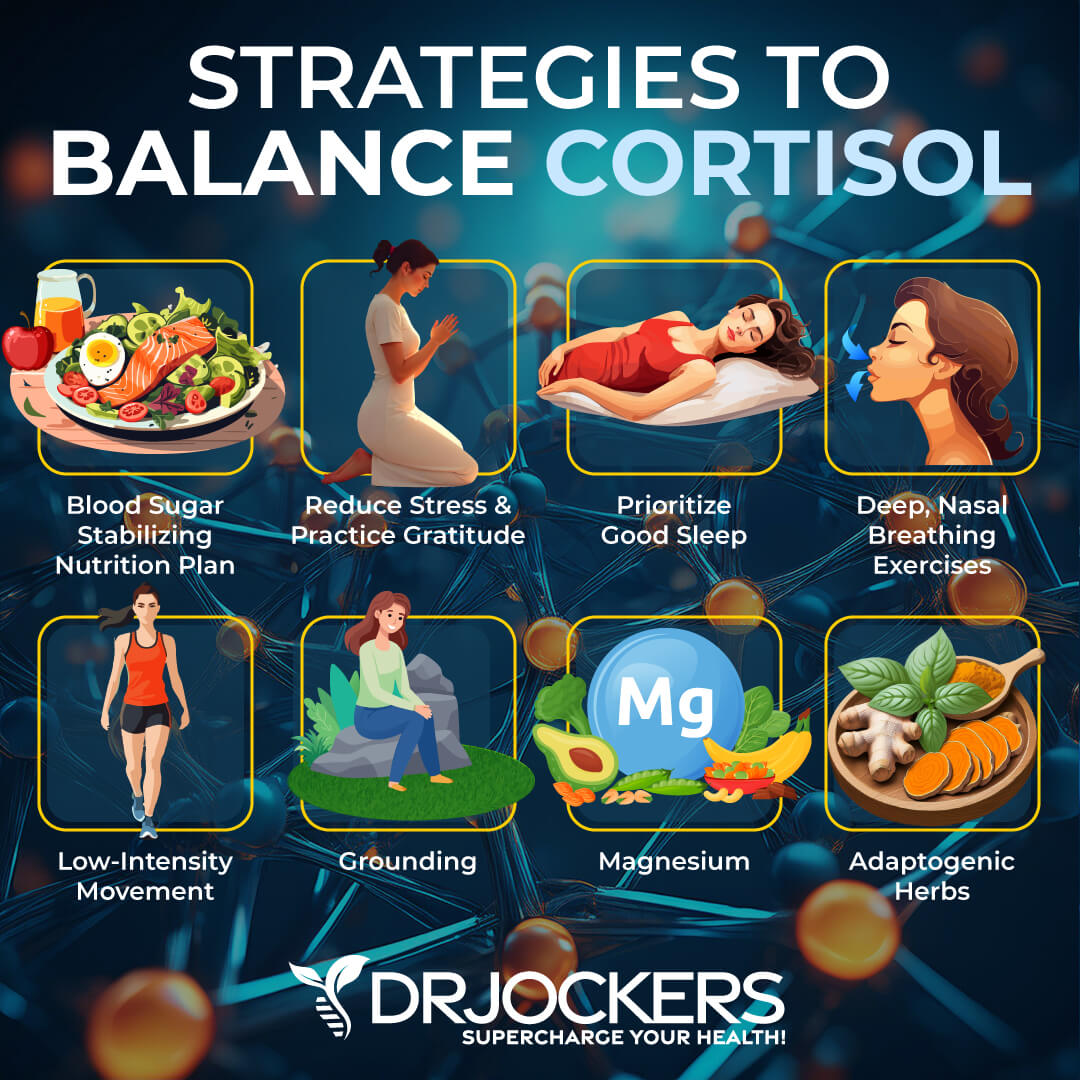
Frequently Asked Questions
1. Does High Morning Cortisol Cause Higher Morning Blood Sugar Levels?
Yes, cortisol is a glucocorticoid, meaning its role involves breaking down glycogen from the liver and muscles into blood glucose. This naturally elevates morning blood sugar, a phenomenon often referred to as the “dawn phenomenon.”
This higher blood sugar isn’t inherently pathological; if it normalizes later in the day and your fasting insulin levels are healthy (typically between 1 and 6), it often signifies a robust CAR rather than pre-diabetes.
However, persistently very high morning blood sugar, even with these interventions, warrants investigation into potential underlying issues like sleep apnea or poor sleep quality.
2. Do I Need To Eat 30 Grams of Protein in the First Hour to Lower Cortisol, or Can I Fast?
This depends largely on your overall protein intake and sleep quality. If you consistently consume 100-200+ grams of protein daily and hydrate well in the morning, you can absolutely fast and maintain stable cortisol levels.
Many individuals successfully implement morning fasting and experience excellent results. However, for those with poor sleep, high stress, or inconsistent protein intake, an early, high-protein meal can be beneficial for blood sugar stabilization. The key is to listen to your body and find what works best for your unique circumstances.
3. What If The Only Time I Can Work Out Is In The Morning Before Work?
You can still work out in the morning, but you may need to adjust the intensity and focus on recovery. Avoid long, high-intensity sessions. Instead, aim for shorter workouts (20-30 minutes) with lower total training volume.
When lifting weights, incorporate one-minute breaks between sets to allow your heart rate to recover, preventing an overwhelming stress response. It’s also beneficial to avoid intense workouts every single day; alternate with light activity or focus on recovery on off-days, ensuring you get morning sunshine and deep breathing, which have natural cortisol-balancing effects.
By embracing these principles, you can transform your mornings into a powerful catalyst for improved metabolic health, enhanced fat burning, and sustained energy throughout your day. Your body is designed to thrive; the secret lies in understanding and supporting its natural rhythms.
If you want to work with a functional health coach, I recommend this article with tips on how to find a great coach. On our website, we offer long-distance functional health coaching programs. For further support with your health goals, just reach out—our fantastic coaches are here to support your journey.

Inflammation Crushing Ebundle
The Inflammation Crushing Ebundle is designed to help you improve your brain, liver, immune system and discover the healing strategies, foods and recipes to burn fat, reduce inflammation and Thrive in Life!
As a doctor of natural medicine, I have spent the past 20 years studying the best healing strategies and worked with hundreds of coaching clients, helping them overcome chronic health conditions and optimize their overall health.
In our Inflammation Crushing Ebundle, I have put together my very best strategies to reduce inflammation and optimize your healing potential. Take a look at what you will get inside these valuable guides below!